


Plastic Sheeting for Industrial, Construction, Agricultural & OEM Use
Plastic sheeting is a broad purchasing term for flexible polymer sheet or film supplied in rolls or folded sheets. In the market it can mean polyethylene construction film, clear plastic sheeting, flexible PVC sheet, protective film, or reinforced waterproof sheet material. DERFLEX helps buyers separate these material families before quotation so the chosen sheet matches visibility, weather exposure, strength, fabrication and service-life requirements.
DERFLEX's relevant portfolio includes flexible transparent PVC sheeting and film for clear curtains, windows, covers and converting, plus PE and PVC tarpaulin structures for larger protective covers and outdoor applications. Custom thickness, width, color, surface, roll packing and project-specific performance options can be discussed by material family.
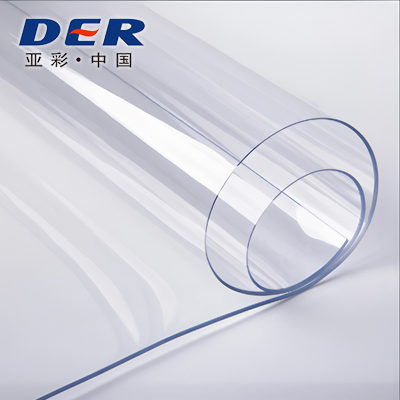
What Is Plastic Sheeting?
Plastic sheeting is flexible polymer material supplied as continuous film, rolls or large sheets. Polyethylene (PE) is common for construction, agriculture, temporary protection and general-purpose poly sheeting, while flexible PVC is used when buyers need clear visibility, weldability, adjustable softness, heavier gauges or fabricated transparent panels. Reinforced PE or PVC tarpaulin adds a woven structure when tear resistance and tie-down strength matter more than a plain film.
The right product cannot be selected from the words “plastic sheeting” alone. A buyer should specify the polymer, thickness, width, color or transparency, indoor/outdoor exposure, required joining method, reinforcement, applicable test requirements and finished use.
Plastic Sheeting Types: PVC vs PE vs Reinforced Sheet
The main sourcing mistake is treating every flexible plastic roll as interchangeable. Use the application first, then choose the material family.
| Material family | Best suited to | Key buying variables | DERFLEX route |
|---|---|---|---|
| Flexible clear PVC sheeting | Industrial curtains, transparent partitions, tent windows, table protection, visible covers, soft panels | Clarity, haze, softness, thickness, UV grade, cold flexibility, HF welding / heat sealing | Flexible transparent PVC sheet |
| Clear PVC film roll | Packaging windows, bags, flexible covers, converting, protective clear roll goods | Film gauge, roll flatness, anti-stick behavior, sealing, printability, surface finish | Clear PVC film manufacturer |
| Polyethylene sheeting / film | Construction protection, agricultural coverage, temporary barriers, ground protection and general poly-film uses | LDPE/HDPE structure, mil thickness, UV stabilization, color, roll width, required vapor / building standard | Project-specific confirmation required; DERFLEX also supplies PE film and PE tarp families. |
| Reinforced PE tarpaulin | Outdoor covers, storage, transport, temporary roofing, agriculture, rapid deployment | Woven structure, gsm, lamination, edge reinforcement, eyelets, UV exposure, finished size | Polyethylene tarpaulin |
| PVC / PE plastic tarpaulin | Heavy protective sheets, equipment covers, construction, transport and industrial weather protection | Base fabric, coating/lamination, weight, thickness, welding, edge construction, attachment points | Plastic tarpaulin |
For regulated vapor barriers, containment, fire-retardant enclosures, food-contact, cleanroom or other code-sensitive uses, specify the required test method or project standard before material approval. A generic tarp or film should not be assumed to satisfy a regulated barrier specification.
Plastic Sheeting Thickness: Mil to Millimeter Conversion
U.S. plastic sheeting is frequently specified in mil. One mil equals 0.001 inch, or 0.0254 mm. The conversion below is dimensional only; two sheets at the same nominal thickness can perform very differently because polymer, reinforcement, formulation and production method affect puncture, tear, stiffness and weathering.
Do not buy by mil alone
Thickness is easy to compare, but it does not tell you tear strength, clarity, reinforcement, UV stability or welding behavior.
Clear can mean transparent or translucent
Some polyethylene construction films become cloudy at heavier gauges. If optical visibility matters, specify a clarity target and approve a sample.
Film and reinforced sheet are different products
A plain PE or PVC film has no woven scrim. A reinforced tarp introduces textile or woven PE structure to carry mechanical stress.
Quick Specification Framework for Plastic Sheeting Buyers
Because “plastic sheeting” covers multiple product families, there is no single universal DERFLEX data sheet. The ranges below summarize published directions from DERFLEX's existing PVC and PE pages. Final specifications should be confirmed against the exact material, sample and current technical data.
| Product direction | Published reference | Typical commercial focus |
|---|---|---|
| Flexible transparent PVC sheet | Approx. 0.05–3.0 mm thickness direction; custom roll widths and finishes by application | Clear windows, curtains, table covers, packaging, partitions and flexible panels |
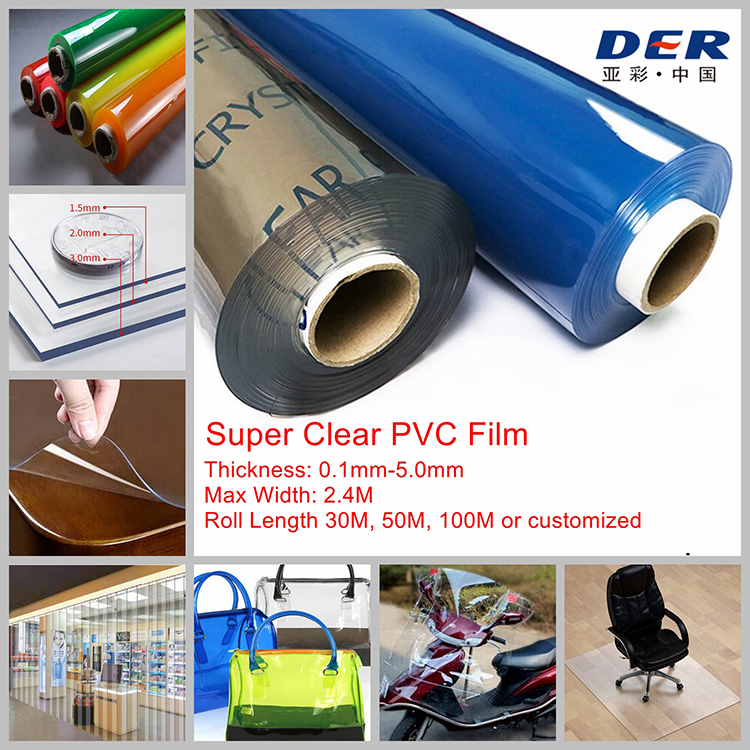
| PVC super clear film | Custom thickness; published page states thick clear film can reach up to 5 mm for selected requirements | Higher-clarity indoor/outdoor transparent applications and heavy clear flexible panels |
| Polyethylene tarpaulin | Approx. 60–300 gsm; 0.08–0.40 mm; 1–4 m standard width direction on published page | Lightweight waterproof cover sheets, agriculture, storage, transport and temporary roofing |
| Plastic tarpaulin (PE / PVC structures) | Published page lists 60–1200 gsm, 0.1–1.2 mm and widths up to 5.1 m depending on structure | Reinforced industrial and outdoor covers requiring more mechanical strength than plain film |
Reference values are not a blanket specification for every DERFLEX plastic sheet. Request the latest grade-specific TDS and approve a production-representative sample before bulk purchase.
Which Plastic Sheeting Should You Use?
Construction Dust & Temporary Protection
Polyethylene sheeting is common when the priority is large-area temporary coverage, dust separation or weather protection. For longer reuse or higher mechanical stress, move to reinforced PE or PVC tarp structures.
Transparent Curtains & Partitions
Use flexible PVC when people need to see through the barrier and the sheet must hang, bend, weld or sew. Specify clarity, softness, thickness, cold environment and UV exposure.
Outdoor Equipment & Storage Covers
Plain film is vulnerable to puncture and wind stress. Reinforced plastic tarpaulin is normally a better direction for tie-down, repeated handling and large fabricated covers.
Agricultural Covering
PE film or PE tarp can suit seasonal cover and crop protection, while heavier reinforced tarp structures suit repeated handling. Color, UV stabilization and surface temperature management should be considered.
Tent Windows & Clear Enclosures
Transparent PVC film or sheet is preferred where the project needs visibility plus flexible fabrication. UV resistance and cold flexibility become important for outdoor exposure.
Industrial Converting & OEM Products
Converters should define cutting, printing, HF welding, heat sealing, sewing, punching or lamination before material approval. Processing behavior is part of the product specification, not an afterthought.
Plastic Sheeting Performance Depends on More Than the Polymer Name
Seams & Joining
For waterproof fabricated covers, the sheet material and seam method must be compatible. PVC grades may support heat or high-frequency welding; PE joining depends on film/tarp construction and fabrication process.
UV & Outdoor Aging
Outdoor life is controlled by resin, stabilizer package, color, thickness, climate and exposure. “Heavy duty” does not automatically mean long-term UV resistant.
Reinforcement & Point Loads
Tie-down holes, grommets and sharp corners create concentrated loads. Use reinforced edges, webbing, suitable grommet spacing or a woven structure where the sheet will be tensioned.
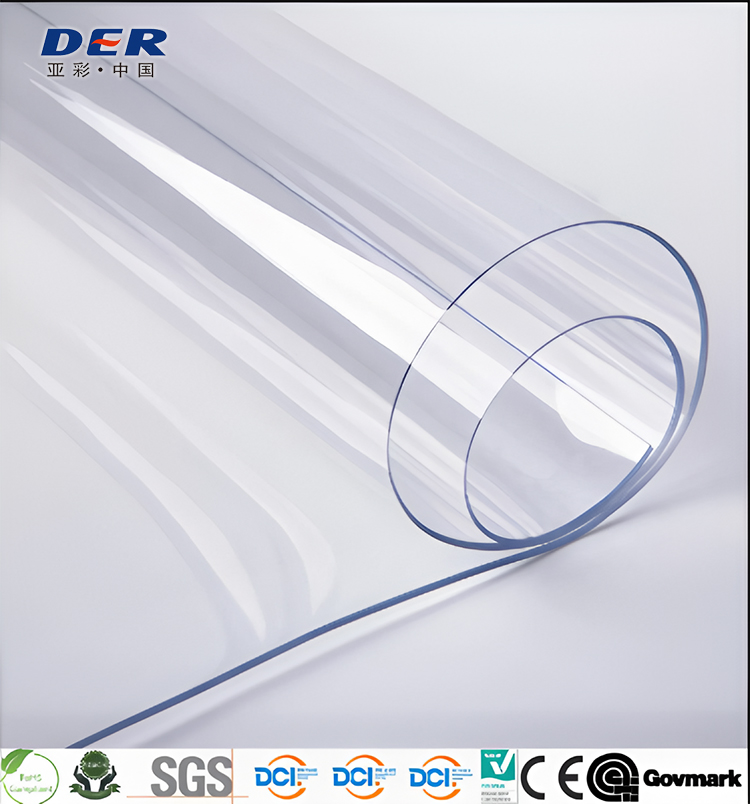
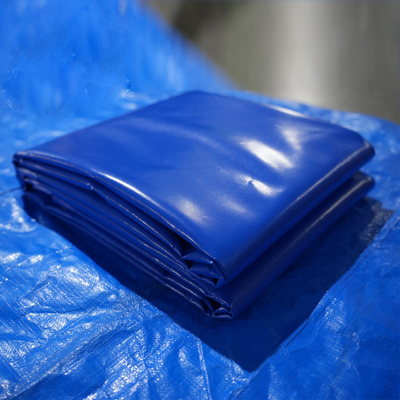
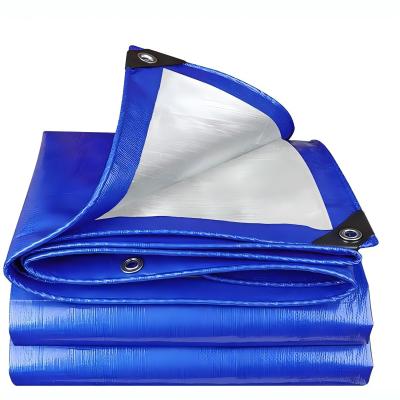
DERFLEX Product & Application Images
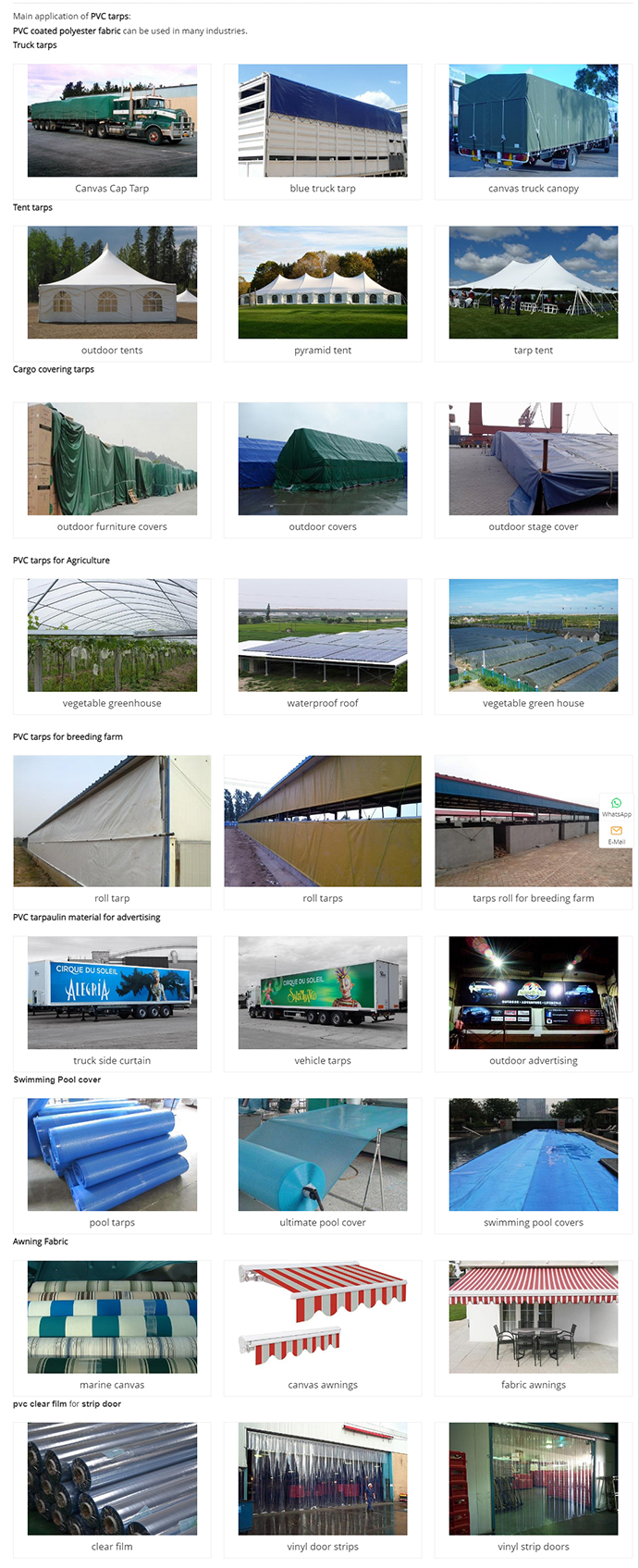
The page uses existing DERFLEX-hosted images so the visual assets remain relevant to the material families discussed.
What to Send for a Plastic Sheeting Quote
- Application: what the sheet will cover, separate, protect or become after fabrication.
- Material preference: PE, flexible PVC, reinforced PE tarp, PVC tarpaulin or “recommend by application.”
- Thickness: mil, micron or mm; provide tolerance if it is critical.
- Width and length: roll width, roll length, cut sheet or finished panel size.
- Color / transparency: clear, super clear, translucent, white, black, blue or custom color.
- Exposure: indoor, short-term outdoor, permanent outdoor, cold-room, high sunlight, moisture or chemicals.
- Processing: weld, heat seal, sew, print, punch, laminate, grommet or reinforce.
- Performance / compliance: required test method, buyer standard, flame-retardant grade, UV target or market-specific documentation.
- Commercial details: estimated quantity, packing preference, destination port/country and sample requirement.
Avoid These Plastic Sheeting Sourcing Errors
Buying “6 mil” without naming the polymer
Six-mil LDPE, six-mil flexible PVC and a reinforced sheet around the same nominal thickness are different materials with different handling and fabrication behavior.
Assuming waterproof film equals a complete waterproof system
Sheet penetration, seams, fasteners, edges, overlaps and installation can determine whether a finished enclosure actually blocks water.
Skipping sample approval
Clarity, surface feel, roll flatness, weld quality, tear behavior and color are easier to evaluate on a representative sample than from a nominal data point alone.
Continue Your Plastic Sheeting Selection
Clear flexible sheet rolls for curtains, windows, covers, packaging and OEM fabrication.
Transparent vinyl film for visibility, waterproof protection and converting applications.
Higher-clarity PVC roll material with multiple UV-performance directions.
B2B film supply for covers, packaging, curtains, panels and downstream converting.
Lightweight reinforced PE sheet structures for agriculture, construction, storage and transport.
PE and PVC reinforced protective sheet solutions for larger industrial and outdoor covers.
Plastic Sheeting FAQ
What is plastic sheeting made of?
Plastic sheeting can be made from polyethylene (PE), polyvinyl chloride (PVC), polypropylene and other polymers. In construction and agriculture, the phrase commonly refers to PE film. In transparent curtain, cover and flexible-window applications, it may refer to clear flexible PVC sheet or film. Always confirm the polymer instead of buying from the generic name alone.
What is the difference between PVC plastic sheeting and polyethylene sheeting?
Flexible PVC can be formulated for high clarity, controlled softness, welding and thicker transparent panels. Polyethylene is widely used for economical large-area film and lightweight cover applications. Reinforced PE tarps add a woven structure for improved tear resistance. The better choice depends on transparency, handling, exposure, joining method and cost target.
Is 6 mil plastic sheeting heavy duty?
Six mil (0.1524 mm) is commonly considered a heavier general-purpose film gauge compared with thin 1–4 mil films, but “heavy duty” is application dependent. A 6 mil plain film can still puncture or tear more easily than a thinner reinforced sheet. Polymer type, reinforcement and installation matter.
Is plastic sheeting waterproof?
The polymer film itself can provide strong water resistance, but the performance of a finished barrier also depends on seams, overlaps, penetrations, fasteners and edge sealing. For code-regulated vapor or waterproofing systems, specify the required standard rather than assuming generic plastic sheeting is compliant.
Can clear plastic sheeting be used outdoors?
Yes, but outdoor applications should use a formulation intended for UV and weather exposure. Standard indoor clear film can yellow, harden or lose performance faster in sunlight. For transparent PVC, DERFLEX offers UV-oriented grades on selected product lines; final suitability should be confirmed for the intended service environment.
What does “mil” mean in plastic sheeting?
One mil is one-thousandth of an inch (0.001 in), equal to 0.0254 mm. For example, 6 mil equals 0.1524 mm. Mil indicates thickness, not tensile strength, tear strength or durability by itself.
Is plastic sheeting the same as a tarp?
Not necessarily. Plain plastic sheeting is usually a continuous film without reinforcement. A tarp is typically a more finished or reinforced cover with woven structure, hems, welded seams or attachment points. Some markets use the terms loosely, so the construction should be confirmed.
Can DERFLEX supply custom plastic sheeting rolls?
DERFLEX publishes custom thickness, roll width, surface, softness, color and packing options for flexible PVC sheet/film product lines and custom dimensions/finishing for PE and PVC tarpaulin families. Send the application and target specification so the correct material route can be confirmed.
Need Plastic Sheeting for a Production Program or Project?
Send DERFLEX the application, polymer preference (if known), thickness or mil, width/length, color or transparency, outdoor exposure, processing method, required tests, quantity and destination. We will use those details to identify the relevant PVC, PE film or reinforced-sheet direction for quotation and sample review.
For specification-critical projects, request the latest grade-specific TDS and approve a sample before bulk production.