


PTFE vs PVC vs ETFE Architectural Membrane
Choosing between PTFE, PVC and ETFE is not a simple material-price comparison. The right architectural membrane depends on transparency, fire direction, surface cleaning, structural span, fabrication method, design life and the owner’s long-term maintenance plan.
DERFLEX helps architects, membrane structure contractors, stadium roof builders, canopy fabricators and material distributors compare project-ready membrane options for tensile roofs, facades, atriums, walkways and public shade structures.
 PVC / PVDF
PTFE Fiberglass
ETFE Direction
PVC / PVDF
PTFE Fiberglass
ETFE Direction
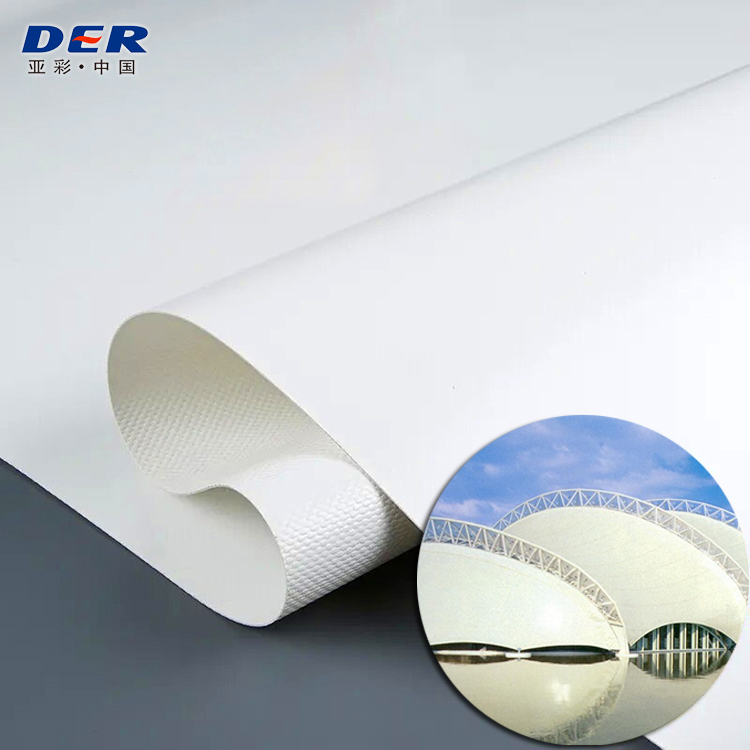
A membrane roof performs as a building envelope, structural skin and visual surface at the same time.
For tensile architecture, the membrane is not only a cover. It must work with the steel structure, cable system, edge details, drainage design, fire review and maintenance plan. A low-cost fabric may not be economical if it creates higher replacement, cleaning or engineering risk later.
For Architects
Compare daylight, color, form freedom, surface appearance and building identity before specifying a membrane family.
For Contractors
Review welding, panel fabrication, installation handling, fire documentation, packing and site logistics.
For Owners
Balance initial budget with appearance retention, cleaning frequency, design life and project risk.
For Distributors
Build a clear product range covering PVC/PVDF, PTFE-coated fiberglass and transparent ETFE project directions.
PTFE, PVC and ETFE Architectural Membrane Comparison
This table is written for early-stage material shortlisting. Final selection should be confirmed with engineering design, local code requirements and project documentation.
| Selection Factor | PTFE Architectural Membrane | PVC Architectural Membrane | ETFE Architectural Membrane |
|---|---|---|---|
| Material Structure | Premium fabric membrane Woven fiberglass fabric coated with PTFE for high-performance permanent tensile structures. |
Versatile coated fabric High-tenacity polyester base fabric with PVC coating and optional acrylic or PVDF surface treatment. |
Transparent foil system Fluoropolymer foil used as single-layer foil or pneumatic cushion systems for lightweight envelopes. |
| Best Fit | Landmark roofs, stadium zones, transport hubs, long-life public canopies and specification-driven structures. | Commercial canopies, carports, walkway covers, shopping areas, sports shade, temporary and semi-permanent structures. | Atriums, skylights, botanical gardens, transparent roofs, facades and projects where daylight is a main design driver. |
| Visual Direction | Usually white or off-white, with clean architectural appearance and diffused daylight. | Broad color and opacity options; can be matched to brand, landscape or project identity. | High transparency and glass-like daylight feeling with much lower structural weight than glass-based systems. |
| Durability Direction | Often selected for long design-life projects and demanding outdoor exposure. | Reliable for many commercial structures when correct weight, topcoat and maintenance plan are specified. | Durable foil direction with strong weather and UV resistance; cushion system design affects final performance. |
| Fabrication & Installation | Requires suitable fabrication knowledge and controlled project handling. | Hot-air or high-frequency weldable; often more convenient for many fabricators and local membrane workshops. | Requires specialized foil engineering, air inflation system knowledge and cushion detailing where applicable. |
| Budget Position | Higher initial material direction, often considered when service life and performance are stronger priorities. | Generally more budget-flexible and widely used for cost-balanced architectural structures. | Project-dependent; structure, cushion system, transparency and engineering complexity strongly influence cost. |
| Procurement Question | Is long service life, cleaner surface behavior and fire-performance direction more important than color variety? | Does the project need weldability, color options, manageable budget and fast fabrication? | Is high transparency, daylight and lightweight envelope design the primary objective? |
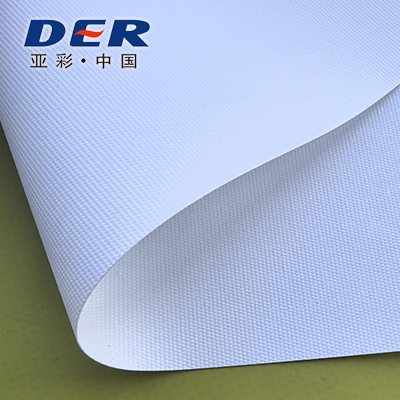
DERFLEX Architectural Membrane Material Support
DERFLEX supplies project-oriented architectural membrane fabrics for lightweight structures, including PVC/PVDF coated polyester membrane, PTFE-coated fiberglass architectural fabric and ETFE-related material direction for transparent envelope discussions.
Instead of recommending a material only by name, DERFLEX evaluates finished structure use, span, climate, code direction, translucency, welding equipment, packaging and project delivery schedule.
Which Membrane Should You Choose?
The answer depends on the project goal. A stadium roof, a commercial carport, a transparent atrium and a temporary exhibition canopy should not be specified with the same purchasing logic.
Choose PTFE when long-term public performance is the priority.
PTFE-coated fiberglass is normally considered when the project needs a high-performance permanent membrane with strong weatherability, clean-surface behavior and serious fire-performance review.
- Landmark or civic roof structures
- Premium stadium and transport projects
- Longer appearance-retention expectations
Choose PVC when practical fabrication and budget balance matter.
PVC coated polyester is widely used because it balances strength, waterproofing, weldability, color choice, lead time and project cost for many tensile architecture applications.
- Canopies, carports and walkways
- Commercial shade and public space roofs
- Custom color and branding requirements
Choose ETFE when transparency defines the architecture.
ETFE foil is suitable when the architectural goal is a bright, transparent, lightweight building envelope, especially for skylight, atrium, botanical and facade applications.
- High daylight transmission spaces
- Transparent cushions or foil systems
- Lightweight envelope engineering
Architectural Projects That Need Membrane Comparison
Different customers search this topic from different angles: architects compare design effect, contractors compare buildability, owners compare lifecycle cost, and fabricators compare processing compatibility.
PTFE and ETFE are often reviewed for premium roofing zones, while PVC/PVDF may support budget-controlled sections and surrounding shade structures.
Rail stations, airport walkways and bus terminals require a balance of fire review, daylight, maintenance and large-span structure design.
PVC/PVDF is frequently considered for shopping centers, entrances, outdoor restaurants, parking covers and public shade areas.
ETFE is commonly discussed when transparency, low structural weight and natural light are the main design expectations.
Material choice should match color, shape, wind load, drainage, UV exposure and long-term surface cleaning needs.
ETFE, PTFE mesh and PVC mesh directions may be reviewed for daylight control, texture, ventilation and architectural expression.
Temporary and semi-permanent structures often need light weight, quick fabrication, branding color and manageable material cost.
Distributors and fabricators need stable roll supply, specification records, repeatable color and project packaging support.
Information to Confirm Before Buying Architectural Membrane
A clear request helps DERFLEX avoid vague recommendations and prepare a more accurate material proposal.
Project Type
Confirm whether the structure is a stadium roof, canopy, carport, walkway, facade, atrium, exhibition hall or landscape shade system.
Material Goal
State whether the project prioritizes transparency, long life, fire direction, color, weldability, budget control or maintenance reduction.
Engineering Stage
Share drawings, span, tension details, wind/snow load discussion, frame system and any local code or fire requirement.
Fabrication Method
Tell DERFLEX whether panels will be hot-air welded, high-frequency welded, sewn, clamped or supplied for specialist ETFE cushion fabrication.
Why Work with DERFLEX for Architectural Membrane Selection?
DERFLEX focuses on material matching and practical project communication, helping international customers move from early material comparison to sample confirmation and bulk supply.
Multiple Material Routes
DERFLEX can discuss PVC/PVDF coated polyester, PTFE membrane fabric, PTFE fiberglass membrane and ETFE-related selection direction according to project use.
Project-Oriented Specification
Material recommendations can include weight range, tensile direction, surface finish, topcoat, translucency, color, packing and documentation.
Export-Ready Cooperation
DERFLEX supports international procurement with sample coordination, roll packaging, shipment planning and repeat order specification records.
Continue Comparing Architectural Membrane Materials
These internal resources help buyers compare membrane families, product ranges and project application directions without keyword stuffing or repeated page content.
Questions About PTFE, PVC and ETFE Architectural Membranes
What is the main difference between PTFE, PVC and ETFE architectural membranes?
PTFE is usually a fiberglass fabric coated with PTFE for long-life permanent tensile structures. PVC is typically a polyester fabric coated with PVC and is valued for weldability, color options and budget flexibility. ETFE is a transparent fluoropolymer foil used where daylight and lightweight envelope design are central to the project.
Is PTFE better than PVC for architectural membrane roofs?
PTFE may be a better direction for premium permanent structures that require long design life, clean surface behavior and stronger fire-performance review. PVC can be more practical for many commercial canopies, carports and public shade projects where weldability, color and cost balance are important.
When should an architect consider ETFE instead of fabric membrane?
ETFE should be considered when high transparency, natural light, low structural weight and an airy building envelope are the main design objectives. It is commonly reviewed for atriums, skylights, botanical gardens, facades and cushion roof systems.
Can DERFLEX help compare PVC/PVDF and PTFE membrane options?
Yes. DERFLEX can help compare PVC/PVDF coated polyester membrane and PTFE-coated fiberglass membrane directions according to structure type, service expectation, budget, fabrication method, fire requirement and visual target.
Which membrane material is more cost-effective?
PVC coated polyester is often selected for cost-balanced projects because it is widely used, weldable and available in many specifications. However, total cost should include design life, replacement cycle, cleaning, fire review and installation complexity.
Which architectural membrane allows the most daylight?
ETFE is usually selected where high transparency is essential. PTFE can provide diffused translucency, while PVC/PVDF membranes can be produced in different translucency and opacity levels depending on the project requirement.
What information should I send to DERFLEX for a membrane quotation?
Please send project type, drawings, target material direction, span or panel size, local code or fire requirement, color or translucency target, fabrication method, quantity, roll width needs and delivery destination.
Does DERFLEX provide finished membrane structures or material rolls?
DERFLEX mainly supports material supply and project-oriented membrane fabric selection. Depending on project requirements, DERFLEX can discuss roll supply, sample support, specification coordination and cooperation with fabricators or contractors.
Need help choosing PTFE, PVC or ETFE for your project?
Send your application, drawing stage, climate condition, fire direction, visual target and procurement quantity. DERFLEX will help review a suitable architectural membrane route for your project discussion.
Note: Performance data, fire direction, service-life expectation and compliance status should be confirmed according to final product specification, test documents, design details and local project requirements.