


 PVC/PVDF Architectural Membrane Fabric
PVC Fabric for Tensile Structures, Membrane Roofs and Large-Span Architectural Canopies
DERFLEX PVC fabric for tensile structures is a high-strength PVC/PVDF coated polyester membrane material engineered for architectural roofs, carports, stadium shade, walkways, public plazas, commercial canopies and permanent or semi-permanent tensile membrane structures.
- PVC coated polyester structure for cost-effective tensile membrane projects
- PVDF / acrylic topcoat options for improved cleanability and outdoor service life
- High tensile strength for wind, prestress and architectural load requirements
- Custom color, translucency and FR direction for OEM and project contractors
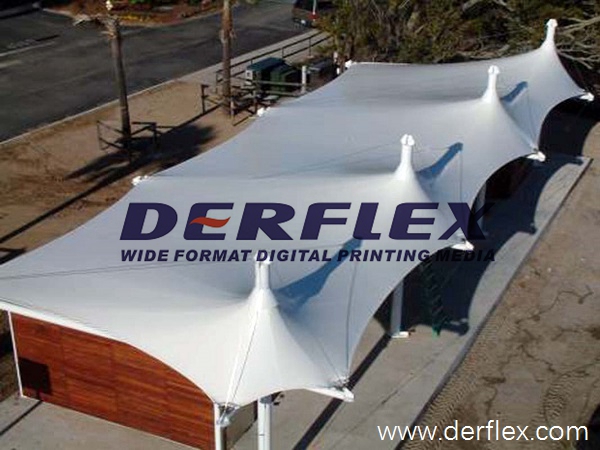
Product Image Display
DERFLEX PVC/PVDF tensile membrane fabric is designed for lightweight roofs, shade structures, tensile canopies, architectural membrane buildings and long-span outdoor projects.
What Is PVC Fabric for Tensile Structures?
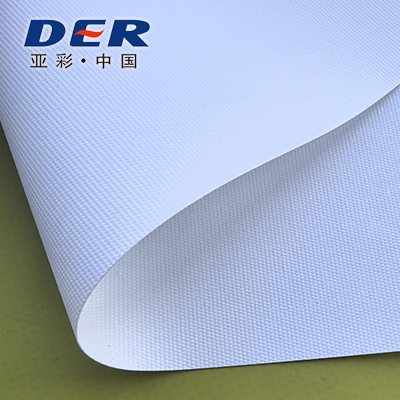
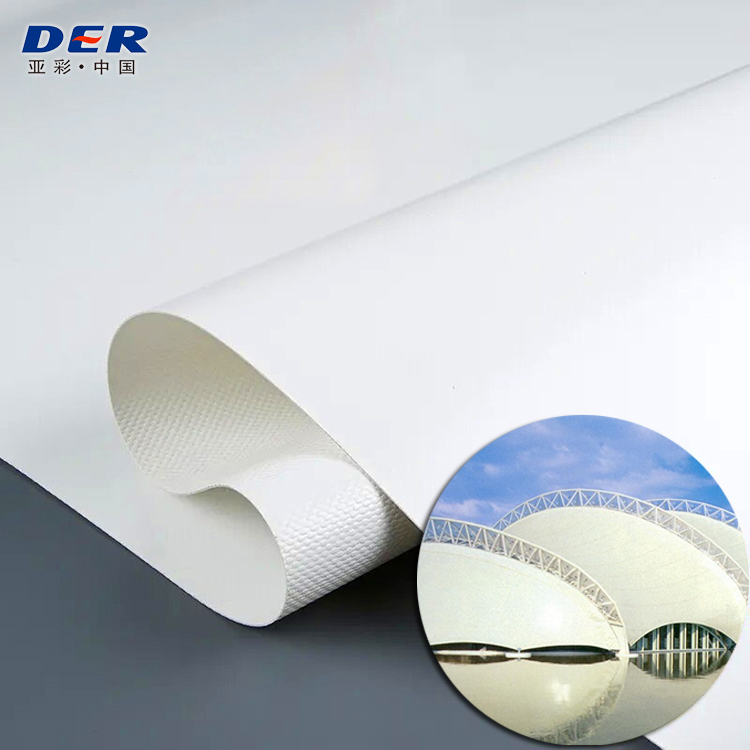
PVC fabric for tensile structures is a reinforced architectural membrane material made by coating high-tenacity polyester fabric with PVC. The polyester base fabric carries tensile load and provides dimensional stability, while the PVC coating delivers waterproofing, weldability, color, flexibility and weather protection.
In tensile architecture, the membrane works mainly under tension instead of compression. This allows architects and contractors to create lightweight roofs, curved surfaces, large-span shade systems and column-free spaces with less structural steel than many conventional roofing systems.
DERFLEX Product Positioning
DERFLEX positions PVC tensile fabric as an architectural-grade membrane system rather than a basic tarpaulin. We support fabricators, project contractors, architects and distributors with PVC, PVC+PVDF and customized coated polyester membrane fabrics for permanent, semi-permanent and temporary tensile structures.
Designed for Structural Membrane Projects
A tensile membrane material must be evaluated by tensile strength, tear strength, coating adhesion, weldability, flame retardancy, UV/weather resistance, self-cleaning surface, color stability, translucency and project compliance. DERFLEX helps match these performance factors to real project requirements.
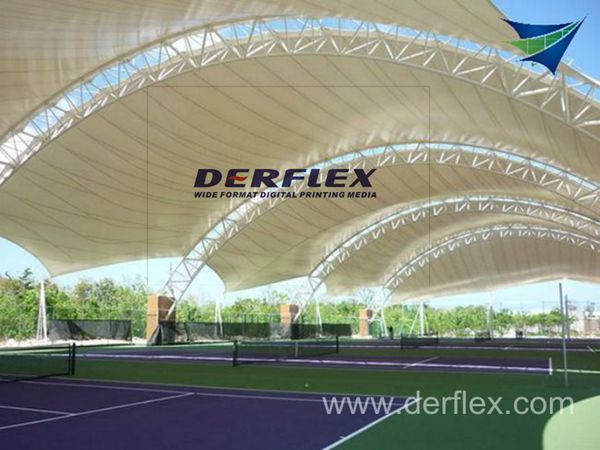
PVC Tensile Membrane Fabric Applications
Use this image module to show tensile structure applications, membrane roof forms and architectural fabric performance in real environments.
Performance Features of DERFLEX PVC Fabric for Tensile Structures
The right membrane fabric must balance structural strength, outdoor durability, fabrication performance and architectural appearance.
High Tensile Strength
High-tenacity polyester reinforcement supports prestress, wind load, snow load and long-span membrane shape stability.
Waterproof PVC Coating
PVC coating provides waterproof protection for outdoor roofing, shade structures, canopies, walkways and public spaces.
PVDF / Acrylic Topcoat
Optional topcoat improves dirt resistance, UV stability, surface cleanability and long-term outdoor appearance.
Excellent Weldability
Suitable for hot-air and high-frequency welding, enabling membrane panel fabrication, edge reinforcement and installation detailing.
Fire-Retardant Direction
Flame-retardant grades can be developed to support project requirements such as B1, M2, NFPA 701 or local building code direction.
Color & Translucency Options
White, ivory, grey, blue, green and custom colors can be supplied with controlled light transmission for architectural effects.
PVC Fabric for Tensile Structures Specification Range
The following range is designed for architectural membrane projects, tensile structure contractors, fabricators and material distributors.
| Product Name | PVC Fabric for Tensile Structures / PVC/PVDF Coated Polyester Architectural Membrane Fabric |
|---|---|
| Base Fabric | High-tenacity polyester yarn, engineered woven structure for tensile membrane applications |
| Coating System | PVC coating, PVC + acrylic topcoat, PVC + PVDF topcoat or customized architectural coating system |
| Weight Range | 650gsm – 1350gsm typical architectural membrane range; custom heavy-duty grades available |
| Thickness | Approx. 0.6mm – 1.2mm depending on fabric structure and coating design |
| Width Range | Up to 3.2m production direction; custom roll width available by project |
| Tensile Strength | Project-oriented range from 3000N/5cm to 8000N/5cm direction, customized according to structure design |
| Tear Strength | High tear resistance for panel fabrication, installation tension and long-term outdoor use |
| Surface Finish | Matte, semi-gloss, glossy, PVDF lacquered, acrylic lacquered, anti-mildew, anti-UV and self-cleaning direction |
| Color Options | White, ivory, grey, blue, green, black and custom architectural colors |
| Temperature Range | Typical use range from -30°C to +70°C, depending on formulation and project environment |
| Fire Retardant | B1, B2, M1, M2, NFPA 701, DIN 4102 or project-based fire performance direction available on request |
| Applications | Tensile membrane structures, stadium roofs, carports, commercial canopies, walkways, shade sails, public plazas, exhibition halls and architectural roofs |
Where PVC Fabric for Tensile Structures Is Used
DERFLEX PVC/PVDF coated polyester membrane fabrics support lightweight, weather-resistant and visually expressive architectural structures.
How to Choose PVC Fabric for Tensile Structures
Material selection must match engineering loads, climate, appearance, fire performance, fabrication method and long-term maintenance expectations.
1. Structure Type
Choose different specifications for carports, canopies, walkways, stadium covers, shade sails or large-span roofs.
2. Tensile Strength
Match warp and weft strength to prestress, wind load, snow load, span and engineering calculations.
3. Coating System
Standard PVC is cost-effective; PVDF or acrylic lacquer improves surface durability and cleaning performance.
4. Light Transmission
White and translucent fabrics can improve natural daylight while reducing glare and heat gain.
5. Fire Performance
Public spaces and permanent structures may require specific FR standards such as B1, M2, NFPA 701 or local codes.
6. Welding Method
Panel layout, seam strength, edge reinforcement and installation details depend on hot-air or high-frequency welding performance.
7. Climate Exposure
UV, rain, snow, wind, pollution, salt air and temperature changes influence topcoat and formulation choices.
8. Project Documentation
Ask for data sheets, test reports, samples, color references and batch quality control documents before bulk approval.
PVC Fabric vs PTFE and ETFE for Tensile Structures
This comparison helps buyers understand why PVC coated polyester is widely used for cost-effective tensile membrane projects.
| Material | Advantages | Limitations | Best For |
|---|---|---|---|
| DERFLEX PVC/PVDF Coated Polyester Fabric | Cost-effective, flexible, waterproof, weldable, customizable and available in many colors | Service life depends on coating system, climate and maintenance | Canopies, carports, walkways, shade structures, commercial roofs, semi-permanent structures |
| PTFE Coated Fiberglass | Excellent durability, chemical resistance and premium fire performance | Higher cost and more specialized fabrication requirements | Landmark roofs, stadiums, airports and long-life permanent structures |
| ETFE Film | Very high transparency and lightweight cushion system potential | Requires specialized pneumatic or foil system design | Transparent roofs, atriums, façade cushions and high-light-transmission projects |
| PE / Basic Cover Fabric | Low cost for temporary covers | Not suitable for engineered tensile membrane architecture | Short-term shade, temporary covers and non-structural protection |
| Uncoated Polyester Textile | Lightweight and flexible | Needs coating for waterproofing, UV resistance, weldability and outdoor durability | Indoor textiles or base fabric before coating |
Why Choose DERFLEX as Your PVC Fabric Supplier for Tensile Structures?
DERFLEX combines coated fabric manufacturing, architectural membrane material experience, customization and global export support.
Architectural Membrane Focus
DERFLEX supplies PVC coated polyester architectural fabrics for tensile structures, membrane roofs and fabric buildings.
Custom Specification Support
Weight, width, tensile strength, coating, topcoat, color, translucency and FR direction can be matched to project needs.
Stable Roll Quality
Consistent thickness, coating adhesion, surface finish and color help fabricators improve cutting, welding and installation quality.
Project-Oriented Technical Support
DERFLEX can support architects, contractors and fabricators with material selection, sample confirmation and data-sheet direction.
Global Export Experience
International packaging, documentation, communication and supply planning help support membrane projects across markets.
Quality Control System
Inspection can include weight, width, appearance, tensile strength, tear strength, coating adhesion, fire and weathering direction.
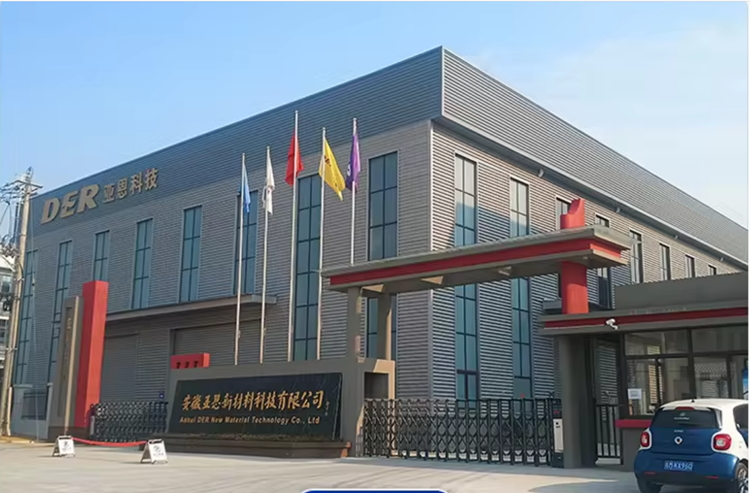
Manufacturing-based supply and export support for architectural membrane buyers.
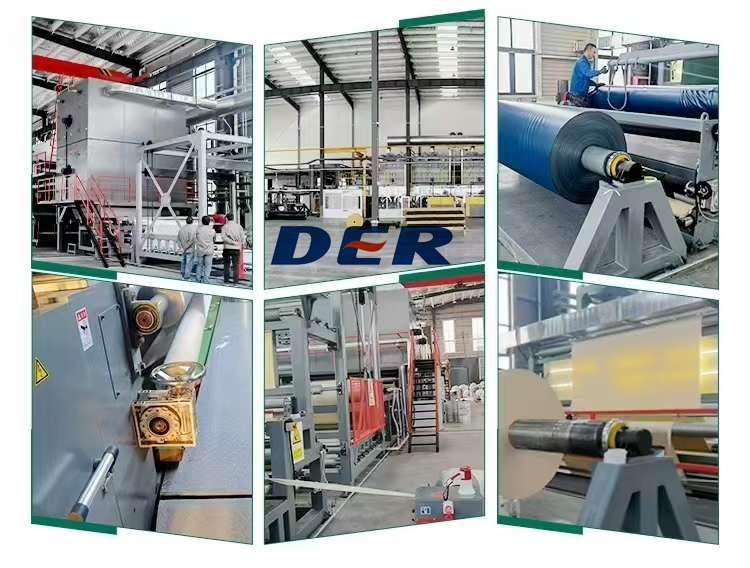
Factory capability for PVC coated fabrics, tarpaulins and architectural membrane materials.
From Polyester Base Fabric to Architectural Tensile Membrane
A clear process helps project buyers understand how DERFLEX controls tensile fabric consistency from base cloth to finished roll.
Custom PVC/PVDF Fabric for a Commercial Tensile Canopy
A practical example showing how DERFLEX supports application-specific material selection.
Customer Requirement
A membrane structure contractor needs white PVC fabric for an outdoor shopping center canopy. The project requires good tensile strength, weldability, UV resistance, flame-retardant direction, clean appearance and long-term surface durability.
DERFLEX Solution
DERFLEX recommends a high-tenacity polyester base with PVC coating, PVDF or acrylic topcoat, customized weight and width, FR direction, sample color confirmation and roll packing matched to the fabricator’s panel-welding process.
Related DERFLEX Internal Links
These internal links help users explore related DERFLEX architectural membrane materials and improve topical relevance.
Frequently Asked Questions About PVC Fabric for Tensile Structures
FAQ content helps buyers quickly evaluate material performance and project suitability.
What is PVC fabric for tensile structures?
PVC fabric for tensile structures is a reinforced PVC coated polyester membrane material used for architectural tensile roofs, canopies, carports, shade structures, walkways and large-span membrane buildings.
Why is PVC coated polyester used in tensile structures?
It offers a good balance of tensile strength, flexibility, waterproofing, weldability, color options, translucency and cost efficiency for permanent and semi-permanent structures.
What is the role of PVDF topcoat?
PVDF topcoat improves surface durability, UV resistance, dirt resistance and cleanability, helping the membrane maintain a better appearance in outdoor environments.
Can DERFLEX customize color and translucency?
Yes. DERFLEX can support custom colors, white or translucent options, matte or glossy surface finish and project-specific appearance requirements.
Is PVC tensile fabric flame retardant?
Flame-retardant grades are available. DERFLEX can discuss B1, M2, NFPA 701, DIN 4102 or other project-oriented fire performance directions.
Can this fabric be welded for membrane panels?
Yes. PVC coated polyester architectural fabric is commonly fabricated by hot-air welding or high-frequency welding for membrane panels, seams and edge reinforcements.
What information should I provide for a quote?
Please provide application type, structure size, color, weight, width, coating/topcoat requirement, FR requirement, estimated quantity, climate conditions and target service life.
Need PVC Fabric for Tensile Structures?
Send DERFLEX your tensile structure type, span, color, weight, coating/topcoat requirement, flame-retardant direction and quantity. Our team will recommend a suitable PVC/PVDF architectural membrane fabric solution.