


 Industrial coated fabric and tarpaulin material supplier
PVC Tarp vs PE Tarp: Material Differences Explained
Choosing between a PVC tarp and a PE tarp is not only a price decision. It affects service life, welding method, handling weight, UV exposure, abrasion resistance, packing format and the long-term cost of your cover program.
DERFLEX helps distributors, importers, tarp fabricators and industrial buyers compare PVC tarpaulin, PE tarpaulin and custom tarp material options according to real use conditions: truck covers, construction protection, agriculture storage, tents, temporary shelters and OEM cover products.
Which Tarp Material Should You Choose?
PVC and PE tarps are both useful, but they solve different purchasing problems. A good selection starts with service duration, exposure level and fabrication needs.
Choose PVC Tarp When Durability Matters
PVC tarp normally refers to polyester fabric coated or laminated with PVC. The polyester base gives tensile strength, while the PVC layer supports waterproofing, abrasion resistance, weldability and surface stability.
It is commonly selected for heavy duty truck covers, trailer tarps, outdoor shelters, industrial curtains, construction covers, agricultural covers and reusable custom tarp products.
Choose PE Tarp When Easy Handling Is Priority
PE tarp is usually made from woven polyethylene with PE lamination. It is lightweight, economical, easy to fold and suitable for general protection where the cover is temporary or frequently replaced.
It can be practical for short-term construction covers, temporary storage, household use, light agriculture protection, emergency covering and basic waterproof shielding.
PVC Tarp and PE Tarp Are Built Differently
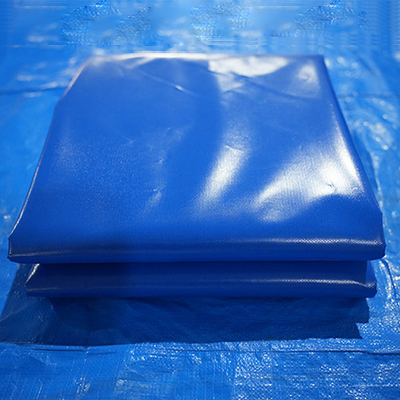
The visible sheet may look similar in a product photo, but the internal structure is very different. This is why two tarps with similar size can perform differently in wind, folding, welding and repeated outdoor use.
PVC Tarp Structure
A typical PVC tarp uses a high-strength polyester base fabric with PVC coating or PVC laminated layers. The structure is made for stronger pull resistance, more stable waterproof sealing and industrial fabrication methods such as hot-air welding, high-frequency welding, reinforced hems, eyelets and webbing.
PE Tarp Structure
A common PE tarp uses woven HDPE or polyethylene scrim with PE lamination on both sides. It is lighter and easier to move, but it is often chosen for temporary coverage rather than high-stress, long-life applications.
Why Structure Affects Procurement
A buyer should not compare PVC and PE only by GSM. Base yarn, coating adhesion, lamination route, edge reinforcement, UV formula, cold flexibility, packing method and expected reuse frequency all affect the final sourcing decision.
PVC Tarp vs PE Tarp: Procurement Comparison
This table is written for B2B buyers who need a practical material direction before requesting samples or confirming a bulk order.
| Selection Factor | PVC Tarp | PE Tarp | Buyer Advice |
|---|---|---|---|
| Material Base | Polyester base fabric with PVC coating or laminated PVC layer. | Woven polyethylene fabric with PE lamination. | Ask the supplier for real material structure, not only product name. |
| Weight & Handling | Usually heavier and more robust; better for fixed or repeated-use covers. | Usually lighter and easier to carry, fold and install quickly. | For single-person handling, PE may be easier. For high-stress use, PVC is often more suitable. |
| Durability | Better fit for demanding outdoor, transport and industrial protection. | Practical for temporary, light or medium-duty protection. | Match the material to expected service duration and replacement cost. |
| Waterproofing | Waterproof surface; welded seams can improve finished cover sealing. | Waterproof surface for general rain protection; seams and edges affect final performance. | For finished products, seam method and reinforcement are as important as the sheet itself. |
| UV & Weather Exposure | Can be formulated for stronger UV, mildew and weather resistance. | UV-stabilized versions are available, often for shorter exposure cycles. | For long outdoor storage, request UV direction and expected climate details before quotation. |
| Abrasion & Wind Stress | More suitable for truck, trailer, construction and industrial handling stress. | Better for low-abrasion temporary cover conditions. | Wind whip, sharp edges and repeated folding should be reviewed before choosing PE. |
| Fabrication | Supports hot-air welding, high-frequency welding for selected structures, sewing, eyelets and reinforced edges. | Often heat-sealed, stitched or finished with simple eyelets depending on grade. | Converters should test welding temperature, seam strength and edge design before bulk production. |
| Typical Applications | Truck covers, trailer tarps, tents, industrial curtains, construction covers, shelters, agriculture and OEM covers. | Temporary covers, household protection, light agriculture, emergency sheets, short-term construction and general storage. | Application, lifespan and handling frequency should guide the final selection. |
| Cost Logic | Higher unit cost but may reduce replacement frequency in long-use projects. | Lower unit cost and practical for short-term or seasonal use. | Compare total cost per use, not only price per square meter. |
Note: Final performance depends on specification, formula, base fabric, surface treatment, finished cover design and application environment. DERFLEX can review your drawings, sample photos or target use before recommending a direction.
Use Condition Matters More Than Material Name
The right answer is not always “PVC” or “PE”. It depends on how the tarp will be pulled, stored, cleaned, welded, exposed and reused.
Long-Term Outdoor Cover
PVC is usually the stronger candidate when the cover remains outside for long periods, especially when UV, rain, dust and repeated handling are expected.
Temporary Site Protection
PE can be a practical direction when the tarp is used for short-term work, quick coverage or cost-sensitive temporary protection.
Truck and Trailer Cover
PVC coated polyester is normally preferred for stronger tear resistance, weldable seams, abrasion resistance and reinforced edge designs.
Distributor SKU Planning
Many distributors keep both materials: PE for economy categories and PVC for heavy duty, reusable, industrial or custom programs.
Where Each Material Creates Practical Value
DERFLEX helps buyers build product lines around real market demand, not generic tarp descriptions.
Truck Covers and Trailer Tarps
For cargo protection, side curtains, dump truck covers and transport fleets, PVC tarp material supports stronger fabrication details such as welded seams, reinforced hems, straps and eyelets.
Industrial Covers and Curtains
PVC coated polyester fabric can be used for factory partitions, machinery covers, warehouse curtains, dust barriers and outdoor equipment protection where durability and cleanability matter.
Tents, Shelters and Awnings
PVC tarpaulin is suitable for projects needing surface appearance, weather resistance, welding compatibility and optional performance treatments such as flame-retardant or anti-mildew directions.
Temporary Construction Cover
PE tarp can be used for short-term rain protection, material covering, dust shielding and simple site storage when the project does not require long service life.
Light Agriculture Protection
For seasonal covering, temporary crop or equipment protection and quick field use, PE may help control cost and simplify handling.
OEM Tarp Product Lines
Importers and distributors can position PE for economy use and PVC for heavy duty programs. DERFLEX can help compare structure, color, width, packaging and repeat-order logic.
Why Work with DERFLEX for PVC and PE Tarp Material Selection?
A reliable tarp supplier should not push one material for every buyer. DERFLEX reviews the finished product, use environment, expected service duration, processing method and order plan before recommending a material direction.
- Factory-direct supply for PVC coated polyester tarpaulin, PE laminated tarp and custom industrial cover materials.
- Support for GSM, thickness, width, color, surface finish, UV direction, packing and OEM branding.
- Material recommendation for truck covers, tents, construction, agriculture, storage and custom fabricated tarps.
- Sample review and trial support before bulk order confirmation.
- Export-ready packing, documentation and repeat-order specification records.
- Engineering communication for converters, distributors, importers and OEM brands.
What to Confirm Before Ordering PVC or PE Tarps
A clear request reduces wrong specification, unstable repeat orders and unnecessary sample revisions.
Send Application Details
Explain whether the tarp will be used for truck cover, trailer, tent, construction, farm storage, machine cover, warehouse curtain or temporary protection. Also describe wind, sunlight, rain, abrasion and cleaning conditions.
Confirm Fabrication Method
Tell DERFLEX whether you need roll goods, cut panels or finished tarps. For finished products, confirm welding, sewing, grommet spacing, reinforced edge, rope, webbing, straps, D-rings and packaging requirements.
Define Market Position
PE may suit economy or temporary cover categories. PVC may suit heavy duty and reusable categories. If you are a distributor, confirm your product tier before sample matching.
Keep Repeat-Order Records
For OEM programs, record material structure, GSM, color, surface finish, roll length, packing method and label details so future orders can maintain consistency.
Continue Your Tarp Material Research
These internal links help buyers move from material comparison to product specification, bulk sourcing and finished cover programs.
Need Help Choosing Between PVC Tarp and PE Tarp?
Send your application, expected service time, size, target GSM or thickness, color, quantity, processing method and destination market. DERFLEX will help you compare PVC tarpaulin, PE tarpaulin or custom coated fabric options for a practical quotation.
Frequently Asked Questions About PVC Tarp vs PE Tarp
Clear answers for professional buyers comparing waterproof tarp materials, cost and application performance.
What is the main difference between PVC tarp and PE tarp?
PVC tarp is commonly made from polyester fabric coated or laminated with PVC, while PE tarp is usually made from woven polyethylene with PE lamination. PVC is generally selected for heavier, reusable and demanding applications. PE is usually selected for light, temporary and cost-sensitive covering.
Is PVC tarp more durable than PE tarp?
For many industrial and outdoor applications, PVC tarp offers stronger tear resistance, abrasion resistance, weldability and long-term use potential. PE tarp can still be a practical option for short-term protection or lower-stress use.
Are both PVC and PE tarps waterproof?
Both materials can provide waterproof surface protection, but the finished cover performance also depends on seams, edges, eyelets, welding quality, reinforcement and installation method.
Which tarp is better for truck covers?
PVC coated polyester tarp is commonly preferred for truck and trailer covers because it supports stronger fabrication, reinforced edges, welded seams and better resistance to repeated handling and road conditions.
Which tarp is better for temporary construction use?
PE tarp can be suitable for temporary construction cover, short-term storage and simple weather protection. If the cover will face heavy abrasion, long exposure or repeated use, PVC should be reviewed.
Can DERFLEX supply both PVC and PE tarp materials?
DERFLEX can discuss PVC coated tarpaulin, PE laminated tarp and custom tarp material directions according to application, order quantity, surface finish, color, packing and OEM requirements.
What information should I send before asking for a quotation?
Please send the application, size or roll width, GSM or thickness, color, quantity, service environment, expected lifetime, fabrication method, packing preference and target market. Photos, drawings or existing samples can help DERFLEX recommend a more accurate direction.