
Rainwater Management
Cover processed material, cardboard, baled recyclables and outdoor storage areas to reduce direct exposure to rain and runoff.



Custom heavy duty tarp systems for material bays, sorting lines, roll-off containers, loading areas, temporary storage and internal dust-control zones.
DERFLEX supports recycling operators, waste-handling contractors, equipment integrators, tarp fabricators and distributors with PVC coated polyester material, fabricated panels and made-to-measure recycling facility tarps designed around real dimensions and operating conditions.
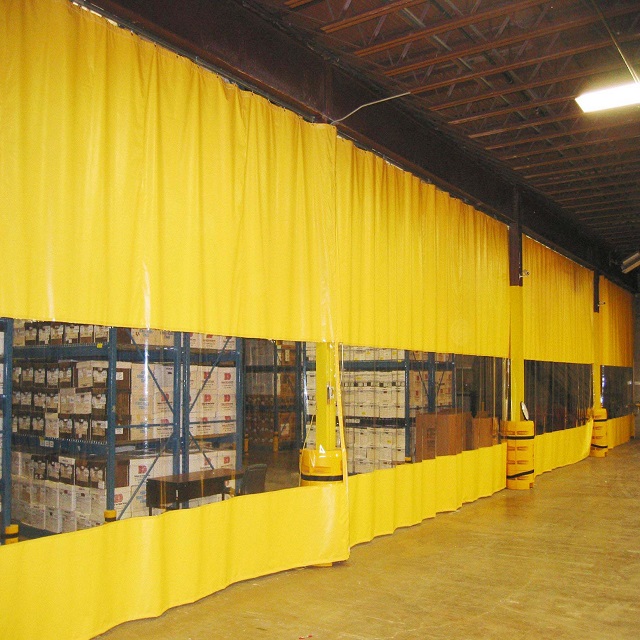
A recycling facility tarp is a fabricated flexible cover or curtain used to control the movement of rain, windblown debris, dust, moisture and loose materials within a materials recovery facility, transfer station, scrap yard or recycling warehouse. It may function as a stockpile cover, curtain wall, loading-bay screen, conveyor-zone enclosure, container cover or temporary roof panel.
The right construction depends on where the tarp is installed and how often it moves. A stationary divider beside a sorting line has different edge, access and fire-performance requirements from a roll-off container cover that is pulled, folded and exposed outdoors every day.
DERFLEX can supply PVC coated polyester tarp material in rolls or support finished fabrication with welded seams, reinforced hems, webbing, grommets, D-rings, rope edges, clear viewing panels, zipper access and track-compatible hanging details. Buyers comparing material families may also review our PVC tarpaulin and broader industrial tarp manufacturing pages.
A well-specified tarp should support containment and workflow without creating unnecessary obstruction, maintenance burden or a false sense of protection.
Cover processed material, cardboard, baled recyclables and outdoor storage areas to reduce direct exposure to rain and runoff.
Create side screens, bay covers or perimeter barriers that help keep lightweight material within designated handling zones.
Partition tipping floors, shredding areas, bag-opening stations and sorting zones to support localized dust-control plans.
Reconfigure work areas more easily than permanent walls when equipment layouts, waste streams or seasonal volumes change.
The same facility may require multiple tarp constructions. These six zones cover the most common project discussions.
Flexible barriers for separating incoming material, vehicle routes and adjacent processing areas.
Custom curtain systems that can surround transfer points, bag-opening zones or dust-generating processes.
Waterproof tarp systems for outdoor storage of cardboard, plastics, metals or prepared recyclable material.
Made-to-measure covers for stationary containers, transport preparation and loose-material containment.
Protect balers, compactors, screens, motors and idle equipment from dust, splash and weather exposure.
Solid or mesh barriers for semi-open sheds, material bays and project-based expansion areas.
Recycling facility tarps are commonly based on PVC coated polyester because the structure can combine mechanical strength, waterproof performance, weldability and practical fabrication.
Solid PVC coated fabric provides a continuous water-resistant surface; finished-cover performance also depends on seam and edge design.
Polyester reinforcement helps the tarp tolerate tie-down load, movement, folding and repeated handling.
Material grade and surface treatment can be matched to dragging, contact points and exposure to rough recycled materials.
Hot-air and selected high-frequency welding routes support large panels, shaped covers and sealed seams.
UV and cold-resistance directions can be selected for exposed yards, loading areas and semi-open structures.
Flame-retardant, anti-static or low-temperature options should be specified against the site risk assessment and local requirements.
The table is a sourcing framework rather than a fixed catalog. Final values should be confirmed through samples, drawings and the intended installation method.
| Parameter | Typical Direction | Selection Notes | Common Uses |
|---|---|---|---|
| Material | PVC coated polyester; solid, mesh or combined construction | Solid PVC favors weather and dust separation; mesh supports airflow and lighter handling. | Curtains, covers, screens, enclosures |
| Fabric Weight | Approx. 450–1200 gsm | 550–650 gsm often suits general barriers; 900 gsm and above may be considered for higher-stress or frequent-use locations. | Indoor partitions through heavy outdoor covers |
| Base Fabric | 500D, 840D, 1000D, 1100D or project-specific polyester | Yarn, density and coating weight should be reviewed together rather than by denier alone. | General and heavy duty recycling facility tarps |
| Width | Common roll widths about 1.02–3.20 m; wider routes may be discussed | Panel planning can reduce weld lines and fabrication waste. | Large curtains, bay screens, stockpile covers |
| Surface | Matte, semi-matte, glossy, embossed or lacquered | Choose according to cleaning, appearance, print and abrasion requirements. | Facility partitions, branded or color-coded covers |
| Color | Blue, grey, black, green, white, yellow, orange and custom matching | High-visibility colors can be used near vehicle or pedestrian routes; light colors may improve interior brightness. | Zoning, safety identification, private label programs |
| Temperature | Outdoor and low-temperature formulations available by grade | Provide the lowest expected temperature, wind exposure and folding frequency. | Outdoor yards, winter climates, cold storage |
| Functional Options | UV, anti-mildew, flame-retardant, anti-static, printable | Testing scope and standard should be agreed before production; not every treatment is suitable for every base construction. | Safety-controlled and application-specific projects |
| Fabrication | Welded seams, stitched reinforcement, hems, webbing, grommets, D-rings, zippers, clear panels | Hardware spacing and reinforcement should follow actual load paths and opening frequency. | Finished custom recycling facility tarps |
Procurement note: for combustible dust, hot-work areas, fire separation, hazardous materials or statutory containment, a flexible tarp should be evaluated as one component of the facility’s engineered safety system—not as a substitute for required ventilation, suppression, guarding, structural or regulatory controls.
DERFLEX can support roll supply, cut panels or finished custom recycling facility tarps. The most useful quotation begins with a drawing, photos and a clear description of how the tarp opens, closes and carries load.
Rectangular panels, roof sections, sloped covers, equipment contours, irregular cutouts and multiple-panel systems.
Double hems, rope hems, webbing, corner patches and extra layers around high-load or high-wear points.
Grommets, D-rings, straps, buckles, hook-and-loop closures, magnets, keder edges or track-ready hanging details.
Zipper doors, overlapping flaps, roll-up openings, clear PVC windows and strip-curtain interfaces.
Custom colors, printed zone names, handling marks, logos, batch labels and private-label packaging.
Coated fabric rolls, pre-cut panels, semi-finished kits or completed tarps for project and wholesale programs.
DERFLEX facility-divider and tarpaulin images illustrate the material and fabrication routes that can be adapted for recycling environments.
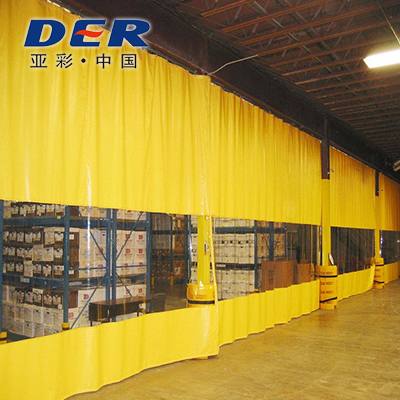
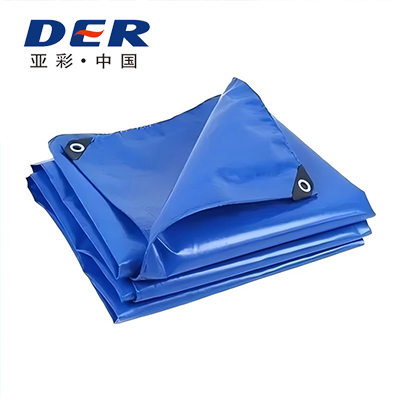
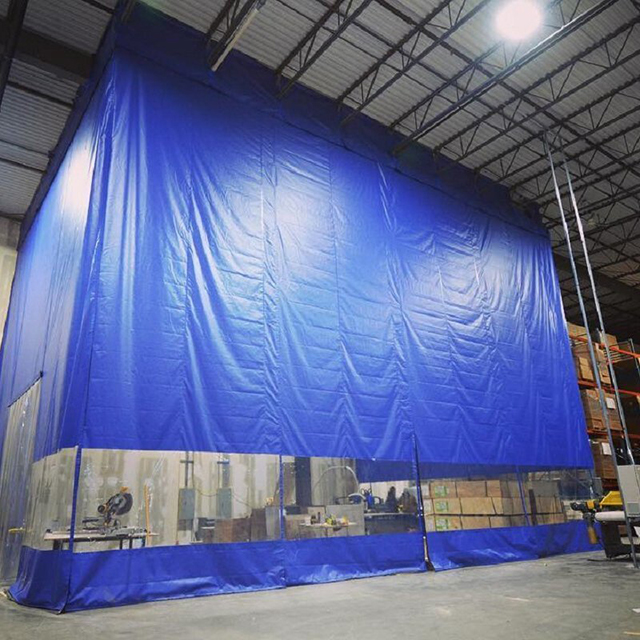
Consistent recycling facility tarp orders depend on clear technical requirements, controlled materials, fabrication checks and documentation that matches the agreed project scope.
Base fabric, PVC formulation, color and surface direction are checked against the agreed production specification.
Visual appearance, width, weight and relevant mechanical properties can be controlled according to the product grade.
Panel size, seam route, reinforcement, hardware position and finishing details are reviewed before packing.
ISO 9001, SGS, REACH, RoHS or fire-test documentation may be available by material and order; confirm the exact report before purchase.
A useful quotation should describe the operating problem, not only the finished length and width.
These six related pages support material comparison, customization and bulk procurement.
Answers for recycling operators, fabricators, distributors and industrial procurement teams.
PVC coated polyester is commonly considered because it can provide waterproof performance, tear strength, weldability and a cleanable surface. Mesh tarp sections may be used where airflow or reduced wind loading is more important than full weather separation.
Yes. Custom development can begin from CAD drawings, sketches, photos, finished dimensions or an existing sample. The quotation should also define mounting, movement, reinforcement, access and environmental requirements.
Solid PVC coated tarp material is designed to provide a waterproof surface. The water resistance of a finished cover also depends on seam welding, openings, slope, drainage, edge sealing and installation.
There is no universal GSM. General indoor partitions may use lighter constructions, while outdoor stockpile covers, frequently handled container covers or high-wind panels may require heavier and more reinforced structures. DERFLEX can review the application before recommending a range.
Optional flame-retardant and anti-static material directions can be discussed. The buyer should provide the required test method, target standard and site conditions so the correct material and documentation can be evaluated before production.
DERFLEX can support coated fabric rolls, cut panels, semi-finished kits and finished custom tarps for distributors, fabricators, equipment companies and repeat project procurement. MOQ and production route depend on material, color, size and customization.
Share the facility zone, dimensions, installation photos, operating conditions, required access, expected quantity and destination. DERFLEX will review a practical material and fabrication route for quotation.