



Synthetic Leather Manufacturer in China for OEM & Bulk Material Programs
DERFLEX supplies custom synthetic leather roll materials for furniture factories, automotive interior suppliers, upholstery converters, bag and luggage makers, hospitality projects, distributors and private-label programs. Rather than starting with a generic “leather look,” we help buyers define the surface system, backing, grain, color, hand feel, processing route and verification requirements around the finished product.
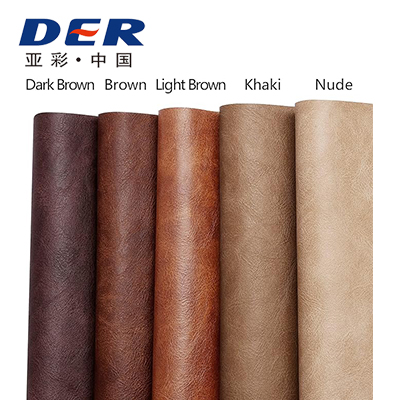
“Synthetic leather” is a material family, not a complete specification
When an international buyer searches for a synthetic leather manufacturer in China, the first comparison often looks simple: material type, price per meter, color and MOQ. In real production, those four items are not enough. Two rolls described as the same synthetic leather can behave differently when stretched over a sofa arm, folded around a bag edge, sewn through a thick seam, laminated to a panel or cleaned repeatedly in a contract interior.
The finished behavior comes from the entire construction. A professional sourcing brief should identify the visible finish, polymer surface system, bonding layer, backing, total body, embossing, usable width and the performance route required by the actual product. That is why DERFLEX approaches custom synthetic leather as an engineered roll-material program rather than a catalog color choice.
For buyers comparing a synthetic leather factory in China, this approach also makes quotation comparison more useful. Instead of asking several suppliers for “1.0 mm black leather,” the purchasing team can compare the same application, construction direction, test requirements, packing basis and approved visual reference.
Top finish
Influences gloss, touch, cleanability direction, surface feel and interaction with cleaners or repeated contact.
Leather-look surface system
PU, PVC or another engineered surface creates the visible color, texture, embossing response and much of the hand feel.
Bond / intermediate layer
Supports adhesion between face and substrate; especially relevant where flexing, heat, humidity or repeated deformation are involved.
Backing structure
Knitted, woven, nonwoven, microfiber or other bases influence sewing, stretch, dimensional control, drape and wrapping behavior.
Embossing & finishing process
Grain definition, print effects, matte or gloss balance and surface treatment shape the visual identity of the final product.
Choose the synthetic leather family around the job it must perform
A sourcing page is most useful when it helps buyers narrow the material before requesting prices. The directions below are commercial starting points, not universal performance guarantees; the approved construction and project tests determine final suitability.
PU Synthetic Leather
Often evaluated when softer hand feel, refined upholstery appearance, flexible grain design and comfortable touch are important. Common discussions include furniture, automotive trim, bags, footwear and interior surfaces.
PVC Synthetic Leather
Frequently considered for practical cleanability, water-resistance direction, robust commercial use and cost control. The exact formulation, backing and finish should be matched to the end-use environment.
Microfiber-Based Leather
Useful when the buyer wants a more engineered base structure, refined body and selected strength or handling characteristics. Final surface chemistry and backing construction still need to be defined.
Silicone / Specialty Systems
Can be reviewed for projects seeking higher-end cleanability, stain-resistance direction or specialized surface behavior. Confirm chemistry, test route, processing fit and commercial level before approval.
| RFQ Variable | What to Define | Why It Changes the Result | What a Buyer Should Approve |
|---|---|---|---|
| Finished application | Sofa seat, car bolster, handbag body, shoe upper, panel, yacht cushion, medical furniture, etc. | Different wear zones and processing routes prioritize different material behavior. | Exact component and use environment. |
| Surface system | PU, PVC, microfiber-based, silicone or another project-defined route. | Affects touch, appearance, ageing direction, maintenance and commercial positioning. | Material family and approved construction. |
| Color / grain / gloss | Physical swatch, color standard, embossing reference, matte or gloss target. | Visual mismatch is one of the fastest ways repeat orders become unusable. | Golden sample or retained reference. |
| Backing & body | Backing type, stretch direction, softness, drape, firmness and handling requirement. | Strongly influences cutting, sewing, wrapping, quilting and final shape. | Backing identity plus physical hand-feel reference. |
| Thickness & usable width | Nominal thickness direction, usable width, roll length and tolerance discussion. | Changes yield, weight, process settings and true landed cost. | Written order specification. |
| Performance route | Abrasion, flexing, hydrolysis, adhesion, cleanability, UV, flame, restricted substances or other project tests. | Broad labels do not show whether the material passes the test relevant to your product. | Named method, condition and acceptance criteria where required. |
| Packing & repeat supply | Roll direction, labels, marks, protective packing, item codes and retained references. | Supports receiving, traceability, replenishment and private-label programs. | Packing standard and repeat-order reference. |
One China synthetic leather supplier can serve many industries—but one construction should not be forced into every industry
Use the finished product to define the material. This makes sampling faster, quotations easier to compare and performance discussions more relevant.
Sofa & Upholstery Manufacturing
Buyers typically review hand feel, grain depth, color continuity, cushion wrapping, seam appearance, cleanability and repeat-order consistency across collections.
Seats, Panels & Interior Trim
Automotive-related programs may place more emphasis on visual control, wrapping behavior, repeated-contact zones, dimensional stability and project-specific ageing or flame pathways.
Handbags, Travel Goods & Accessories
Fold behavior, edge turning, stitch response, grain consistency, scuff zones, body and color development often matter more than a generic durability claim.
Hotel, Restaurant & Contract Seating
Projects usually balance appearance with high-frequency use, cleaner routines, maintenance practicality and replenishment across phased installations.
Boat & Yacht Upholstery
Interior and exterior exposure should be separated. Moisture, humidity, UV direction, mildew risk, cleaning chemistry and hydrolysis ageing may need review by application.
Mattress, Exam Table & Care Surfaces
Wipeability, cleaner compatibility, surface integrity, seam processing and required documentation are often central to the specification discussion.
Shoe Upper, Lining & Fashion Programs
Flex behavior, softness, body, grain, color, bonding or stitching route and the location of repeated bending should be defined before material approval.
Wall Panels & Decorative Wrapping
Lamination, corner wrapping, surface appearance under lighting, adhesive compatibility and dimensional behavior can drive material selection.
Wholesale & Private-Label Collections
Importers and distributors need a range architecture: coordinated colors, consistent item codes, clear samples, practical MOQ logic, roll packing and dependable replenishment.
A better manufacturing process starts before the first production roll
The goal is to remove ambiguity early and preserve the approved direction through bulk and repeat sourcing.
Define the Product
Share the finished item, exact component, target market, wear zone, process route, cleaning conditions and commercial positioning.
Match the Structure
Review surface chemistry, backing, thickness direction, hand feel, grain, color, usable width and packaging needs.
Approve the Sample
Check physical appearance and processing behavior. Keep a retained reference linked to the item code and specification.
Verify Requirements
Where needed, agree named test methods and acceptance criteria for abrasion, flex, hydrolysis, adhesion, cleaning, flame or restricted substances.
Control Bulk & Repeats
Coordinate inspection points, roll identification, packing, shipping information and the approved reference used for replenishment.
Do not compare synthetic leather prices until the quotations describe the same product
A lower meter price can be expensive if usable width, backing, yield, color consistency, test requirements or packing are different. Normalize the commercial basis before choosing a supplier.
Quality checkpoints to discuss
- Surface appearance, embossing consistency and obvious defects
- Color and gloss against the approved reference
- Backing identity, body, stretch and handling direction
- Thickness, usable width, roll length and item identification
- Coating adhesion and flex behavior where relevant
- Abrasion or surface-wear test route where relevant
- Hydrolysis ageing discussion for PU materials in demanding humidity or heat conditions
- Cleanability, chemical resistance, UV/weathering or flame pathway when required by the application
- Restricted-substance documentation when required by the destination market or buyer
- Roll packing, labels, retained references and repeat-order traceability
Normalize every supplier quotation
- Same material family and comparable construction
- Same nominal thickness and backing direction
- Same usable width and roll-length basis
- Same grain, color, finish and hand-feel target
- Same test plan and documentation requirement
- Same sample / development assumptions
- Same packing, labeling and private-label requirement
- Same order quantity, replenishment logic and MOQ basis
- Same Incoterm, destination and freight assumptions
- Include the cost of cutting waste, rework, shade variation and delayed replenishment—not only unit price
From leather-look roll material to a finished interior surface
Product photos help with initial selection, but final approval should still include a physical sample, backing review and processing test where the application requires it.
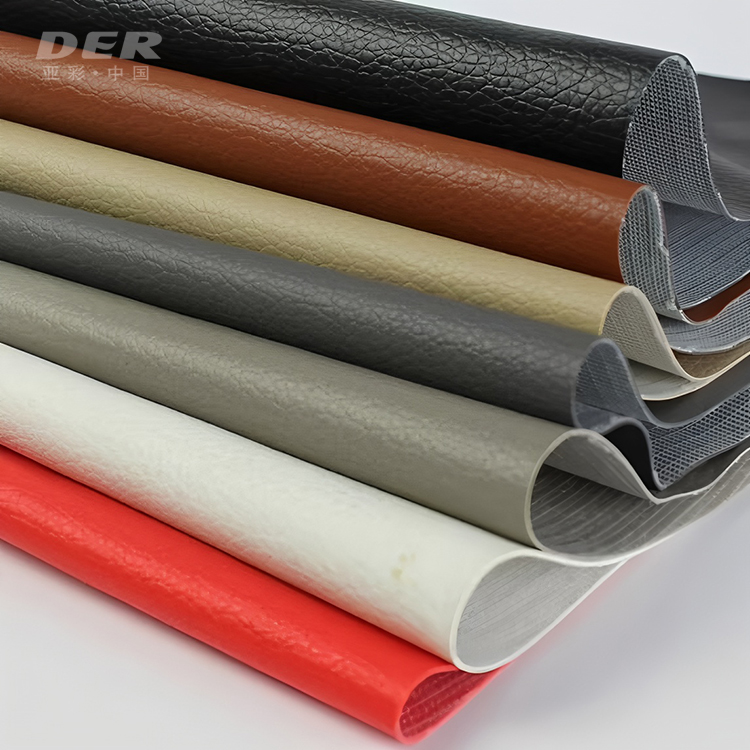
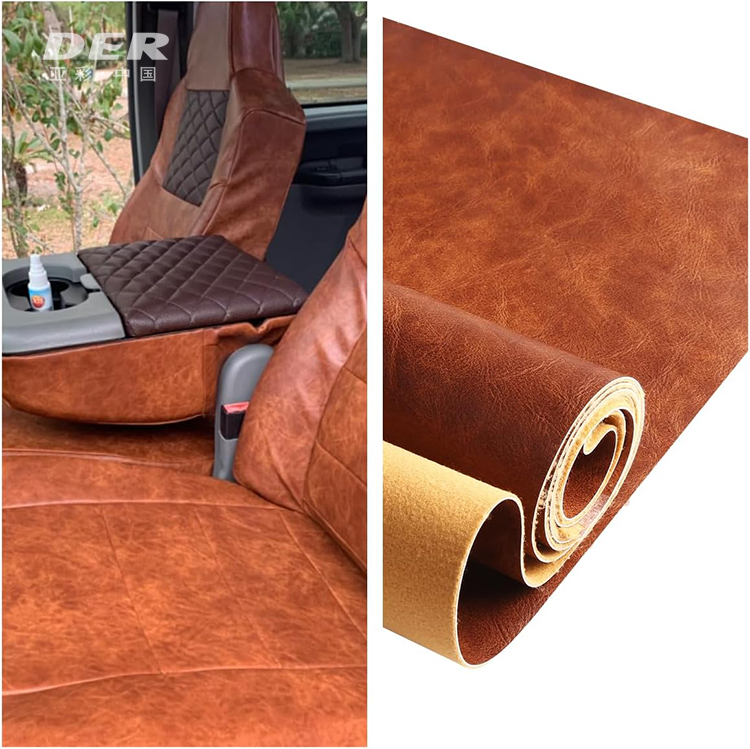
A China synthetic leather partner organized around specification, customization and repeat supply
DERFLEX combines coated-material experience with application-based recommendation and export-oriented order coordination. The commercial focus is to help buyers move from a broad material request to a controlled purchasing program.
Application-first recommendation
The conversation begins with what you manufacture, where the material sits in the product and how it will be processed.
Multi-variable OEM development
Color, grain, gloss, backing, hand feel, thickness direction, usable width, roll format and packaging can be discussed as one specification.
Golden-sample discipline
Physical approval and written variables provide a stronger basis for bulk production and future replenishment than descriptive marketing terms.
Performance planning
When a project requires abrasion, hydrolysis, cleanability, UV, flame or other properties, the discussion can be tied to a named test route and acceptance target.
B2B roll-supply mindset
The workflow is intended for manufacturers, importers, wholesalers, converters, project suppliers and private-label programs rather than one-off retail buying.
Export coordination
Roll identification, packing, shipment information and buyer documentation can be clarified together with the material specification.
What to send a synthetic leather manufacturer in China for a more useful quotation
Clear input usually produces a faster and more relevant sampling path. If you already use a material, a physical swatch can be more valuable than a long description—but it should be sent together with the real application and processing details.
- Finished product and exact component
- Current swatch, photo or target visual reference
- Preferred material family, if already decided
- Color, grain, gloss and hand-feel direction
- Backing, stretch and body requirement
- Thickness and usable-width direction
- Cutting, sewing, wrapping, quilting, lamination or bonding process
- Required test methods or destination-market documentation
- Order quantity, forecast and replenishment frequency
- Roll labels, packaging and private-label requirements
- Destination country and target delivery window
Continue from supplier screening into material and application selection
These six related pages deepen the same sourcing decision without forcing all leather keywords onto one page.
Frequently Asked Questions About Sourcing Synthetic Leather from China
What should I look for in a synthetic leather manufacturer in China?
Look beyond the first sample and headline price. A useful supplier should ask about the finished product, processing route, backing, thickness, grain, color, hand feel, usable width, test requirements, packing and repeat-order plan. The ability to convert those inputs into a clear specification is more important than a large list of generic styles.
Does DERFLEX supply both PU and PVC synthetic leather?
DERFLEX supports PU synthetic leather, PVC synthetic leather and application-oriented faux leather directions for B2B sourcing. The suitable material family depends on the product, processing method, target feel, maintenance requirement, commercial level and any project-specific tests.
Can synthetic leather be customized to match my current sample?
Sample matching can be discussed for color, grain, gloss, hand feel, backing and thickness direction. A visual match should not be the only approval criterion; the final application and processing behavior should also be reviewed because two similar-looking materials can perform differently in sewing, wrapping, flexing or cleaning.
How should I compare wholesale synthetic leather prices from different factories?
Normalize the construction, usable width, thickness, backing, roll length, finish, testing requirement, packing, MOQ, Incoterm and freight basis. Also consider usable yield, cutting waste, rework risk, color variation and replenishment consistency. A lower price per meter is not necessarily a lower total material cost.
Is synthetic leather the same as vegan leather?
“Synthetic leather” describes a broad engineered material category and does not automatically prove a specific vegan or animal-free supply-chain claim. If animal-free composition or a particular certification is important to your brand or market, include that requirement in the RFQ and confirm it against the selected material and documentation.
Which tests should I request for synthetic leather?
The test plan depends on the application. Common discussions can include abrasion, flexing, coating adhesion, tear or tensile behavior, hydrolysis ageing for relevant PU constructions, colorfastness, cleaner compatibility, UV or weathering direction, mildew resistance, restricted substances or a named flame test. Agree the test method, condition and pass requirement instead of relying on broad marketing labels.
What information should I send DERFLEX to start an OEM synthetic leather project?
Send the finished application, reference sample or image, preferred material direction, color, grain, backing, thickness, usable width, processing method, estimated quantity, destination, test requirements, packing needs and target delivery window. DERFLEX can then review a practical sample and quotation path.
Request a Synthetic Leather Quote Based on Your Real Product
Tell DERFLEX what you manufacture, the surface you want, backing and thickness direction, quantity, destination and any test requirements. The team can narrow the material family, discuss sampling and prepare a more useful B2B quotation.
Product descriptions, material-family comparisons and specification examples are provided for sourcing discussion. Final composition, dimensions, tolerances, test results, compliance documentation, MOQ, lead time and finished-product suitability should be confirmed for the approved material, written order specification, destination market and processing conditions.