


 Factory-direct technical textile for flexible door systems
TPU Coated Fabric for Flexible Doors
DERFLEX supplies TPU coated fabric and TPU laminated textile solutions for flexible doors, high-speed door curtains, roll-up door panels, cold-room barriers, industrial partitions and OEM door curtain fabrication. The material is engineered for repeated bending, waterproof protection, abrasion resistance, welding compatibility and long-term industrial use.
- TPU coated polyester / nylon base fabric options
- High flexibility for rolling, folding and impact movement
- Waterproof, airtight and heat-sealable material platform
- Custom color, width, GSM, hardness and surface finish
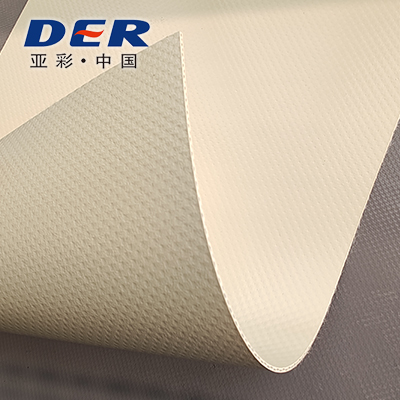
DERFLEX TPU Coated Door Fabric
Designed for OEM buyers who need a more flexible, cleaner, recyclable and cold-resistant coated textile direction than conventional PVC door curtain material.
What Is TPU Coated Fabric for Flexible Doors?
TPU coated fabric for flexible doors is a composite technical textile made by bonding thermoplastic polyurethane to a woven polyester or nylon base fabric. For door curtain systems, this material is used as the moving, hanging or pass-through curtain layer where flexibility, toughness, cleanability and seam reliability are critical.
Unlike a general tarp material, flexible door fabric must roll and unroll smoothly, bend repeatedly, resist abrasion from traffic contact, support side reinforcement and bottom pockets, and maintain stable appearance after welding, cutting or panel fabrication. TPU adds elastic recovery, low-temperature softness and excellent waterproof performance, making it suitable for premium flexible door and industrial barrier projects.

Flexible Door Materials Must Survive Motion, Impact and Environment
Buyers are not only purchasing a coated roll. They are selecting a material that affects door speed, sealing, service life, fabrication efficiency, safety visibility and replacement cost.
Repeated Bending Stability
Door curtains move frequently. TPU coated fabric maintains flexibility during rolling, folding and repeated operation, especially where softer behavior is required.
Waterproof & Airtight Seams
TPU can be hot-air welded, heat sealed or HF welded to help create strong seams for curtain panels, bottom pockets and reinforced edge structures.
Abrasion & Scratch Resistance
For forklift zones, logistics doors and industrial partitions, abrasion resistance helps reduce surface damage from traffic contact and cleaning cycles.
Cold-Room Flexibility
TPU material direction can stay flexible under low-temperature conditions, supporting cooler doors, freezer barriers and cold-chain access systems.
Clean Surface & Hygiene Direction
Smooth TPU surfaces support cleanability for food processing, pharmaceutical, cleanroom and production environments where hygiene matters.
Eco-Oriented Upgrade
TPU is often selected as a premium recyclable, non-toxic and odor-reduced alternative direction for buyers upgrading from conventional PVC.
DERFLEX TPU Coated Fabric Specification Range
Final specification should be selected according to door type, daily cycle frequency, traffic level, temperature range, wind pressure, welding method and OEM fabrication design.
| Product Name | TPU Coated Fabric for Flexible Doors / TPU Door Curtain Fabric / TPU Laminated Flexible Door Material |
|---|---|
| Material Structure | TPU coating or TPU film lamination + polyester / nylon woven base fabric; one-side or two-side TPU direction available according to door design. |
| Base Fabric | Polyester or nylon; 210D, 420D, 600D, 840D, 1000D, 1680D or project-specific construction. |
| Total Weight | 150–1500 gsm customized direction. Lighter grades for soft curtains; heavier grades for industrial door panels and reinforced partitions. |
| TPU Thickness | 0.03–1.0 mm direction, adjusted by abrasion, flexibility, air/water barrier and welding requirements. |
| Width | 1.0–3.2 m common production direction; special width can be discussed for OEM roll supply. |
| Surface Finish | Matte, glossy, smooth, embossed, low-friction, anti-scratch or custom texture. |
| Color Options | Blue, yellow, red, orange, black, grey, white, translucent, semi-transparent or customized Pantone color. |
| Functional Options | FR direction, anti-UV, anti-cold, hydrolysis resistance, anti-microbial, anti-static, oil resistance, chemical resistance and printable surface direction. |
| Processing | Hot-air welding, HF welding, heat sealing, sewing, cutting, punching, hemming, side reinforcement, bottom pocket fabrication and vision-panel integration. |
| Applications | Flexible doors, high-speed fabric doors, rapid roll-up doors, industrial partitions, cold-room barriers, cleanroom curtains, warehouse traffic doors and OEM curtain systems. |
- TPU coated polyester fabric
- TPU coated nylon fabric
- Double-side TPU coating
- Polyether TPU for humidity resistance
- Cold-resistant TPU direction
- Welding-ready roll goods
- Custom OEM door curtain fabric
TPU vs PVC vs PU for Flexible Door Applications
The best flexible door fabric depends on the application. DERFLEX helps buyers choose between TPU, PVC and PU coated material platforms before sampling.
TPU Coated Fabric
- Premium flexibility and elastic recovery
- Excellent low-temperature performance direction
- Waterproof, airtight and weldable seams
- Good abrasion and puncture resistance
- Recyclable, odor-reduced and eco-oriented positioning
- Best for high-end OEM flexible door projects
PVC Coated Polyester
- Strong standard material for fast industrial doors
- Competitive cost and mature supply chain
- Good waterproofing, welding and color options
- Suitable for high-speed roll-up doors and warehouses
- FR, UV, anti-cold and blockout options available
- Best for large-volume mainstream door curtain supply
PU Coated Fabric
- Soft hand feel and lightweight direction
- Useful for selected textile coating applications
- Usually less suitable for heavy industrial door panels
- Seam method and durability need careful verification
- Performance depends heavily on formulation
- Best for lighter-duty coated fabric projects
Where TPU Coated Fabric for Flexible Doors Is Used
TPU coated door fabric is suitable for buyers who need flexible separation, frequent access, cleaner material positioning and reliable fabrication performance.
Flexible Door Curtains
Soft industrial door curtains for people, cart, pallet and equipment traffic where the material must bend and return during use.
High-Speed Fabric Doors
Premium roll-up door curtains for fast-moving doors where repeated rolling, seam strength and surface stability matter.
Cold Storage Barriers
Low-temperature material direction for cold rooms, refrigerated warehouses and freezer access areas requiring flexible performance.
Warehouse Partitions
Flexible industrial curtain and partition fabric for logistics zones, loading docks, dust separation and airflow control.
Cleanroom & Food Processing Doors
Smooth and cleanable TPU surface direction for controlled environments where hygiene, cleaning and low odor are important.
OEM Door Curtain Fabrication
Custom roll goods for door manufacturers and fabricators who need stable color, width, welding behavior and repeat supply.
How to Choose TPU Door Curtain Fabric
Use this checklist before sample development to avoid under-specifying the door fabric and causing rolling, welding or service-life problems later.
Door Type
Confirm strip door, swing door, rapid roll-up door, partition curtain, cold-room door or OEM replacement panel.
Traffic Level
Define people, carts, forklifts, pallets, washdown frequency, contact risk and daily opening cycles.
Environment
Check indoor/outdoor exposure, temperature, humidity, chemicals, UV, wind pressure and cleaning conditions.
Fabrication
Confirm cutting, welding, sewing, bottom pockets, edge reinforcement, transparent windows and hanging hardware.
Compliance
Discuss FR direction, REACH/RoHS, food-area cleaning expectations, anti-static needs or project-based testing.
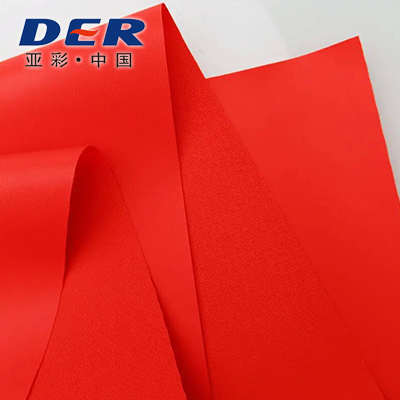
More Than a Roll Supplier — Material-Level Engineering Support
DERFLEX supports door manufacturers, curtain fabricators, distributors and project suppliers with technical textile selection, OEM development and export-ready roll supply. Instead of only selling standard stock, we help match the coated fabric platform to the door structure and the working environment.
- 20+ years of coated fabric and industrial textile manufacturing experience.
- TPU, PVC, TPO and laminated technical textile supply capability.
- Custom width, color, finish, fabric density, coating thickness and functional additives.
- Support for hot-air welding, HF welding, heat sealing and OEM panel fabrication tests.
- Roll consistency, packaging, documentation and long-term repeat supply for global buyers.
- Request-based support for REACH, RoHS, SGS, FR and environmental material verification.

OEM Flexible Door Fabric for a Cold-Chain Warehouse Project
A door curtain fabricator needed a premium material direction for flexible doors used between a chilled storage zone and a loading area. The buyer wanted better low-temperature flexibility than standard material, clean appearance, custom color, weldable edge reinforcement and stable roll supply for repeated panel production.
DERFLEX recommended a TPU coated polyester fabric direction with selected fabric density, cold-flexible TPU formulation, smooth surface finish and welding test support. After sample evaluation, the buyer could confirm the right balance of flexibility, thickness, seam behavior and panel appearance before bulk production.
- Material goal: cold flexibility, cleanability and seam reliability.
- Fabrication goal: stable cutting, welding and edge reinforcement.
- Commercial goal: repeat supply for OEM door curtain production.
Internal Links for Door, TPU and Industrial Curtain Buyers
These related pages help buyers compare TPU, PVC, flexible door curtain material and fast door fabric options inside the DERFLEX material system.
TPU Coated Fabric for Flexible Doors FAQs
Answers for OEM buyers, door manufacturers, industrial curtain fabricators and project procurement teams.
What is TPU coated fabric for flexible doors?
It is a polyester or nylon base fabric coated or laminated with thermoplastic polyurethane. It is used for flexible door curtains, roll-up door panels, industrial partitions, cold-room barriers and OEM door curtain systems where flexibility, waterproofing and weldability are important.
Is TPU coated fabric better than PVC for flexible doors?
TPU is a premium material direction when a project needs better low-temperature flexibility, elastic recovery, abrasion resistance, low odor or recyclable positioning. PVC coated polyester is still widely used for mainstream high-speed doors because it is cost-effective and mature. DERFLEX can help choose the right platform.
Can TPU coated door fabric be welded?
Yes. TPU coated fabric can normally support hot-air welding, heat sealing and HF welding, depending on the fabric construction, coating thickness and formulation. Sampling and welding tests are recommended before bulk production.
What information should I provide for a quote?
Please provide door type, opening size, fabric weight or thickness target, width, color, surface finish, temperature range, indoor or outdoor use, traffic level, welding method, functional requirements and estimated order quantity.
Can DERFLEX customize TPU fabric for OEM door manufacturers?
Yes. DERFLEX can customize base fabric, TPU thickness, total weight, width, color, surface texture, hardness, functional additives, roll length and packaging for OEM door curtain projects.
Is TPU coated fabric suitable for cold storage doors?
TPU can be a strong direction for cold storage and chilled warehouse flexible doors because of its low-temperature flexibility. The exact grade should be selected based on temperature, traffic frequency and door structure.
Do you supply finished door curtains or roll goods?
DERFLEX focuses on material-level manufacturing and can support roll goods, bulk rolls and customized material direction for fabricators and OEM door brands. Finished panel support can be discussed according to project details.
Need TPU Coated Fabric for Flexible Door Production?
Send DERFLEX your door type, fabric target, environment, color, width, thickness, welding method and expected quantity. Our team will recommend a practical material direction for sample testing and bulk quotation.