


 TPU film, coated fabric and OEM flexible material supply
TPU Hot Melt Adhesive Film for Flexible Material Lamination
DERFLEX supplies TPU hot melt adhesive film for textile lamination, footwear materials, foam bonding, TPU and PVC film bonding, outdoor gear, automotive interiors and customized OEM roll programs.
For buyers, the value is not only a roll of adhesive film. The correct film must match your substrate, activation temperature, press condition, stretch requirement, washing or cleaning environment, release carrier and production speed.
What Is TPU Hot Melt Adhesive Film?
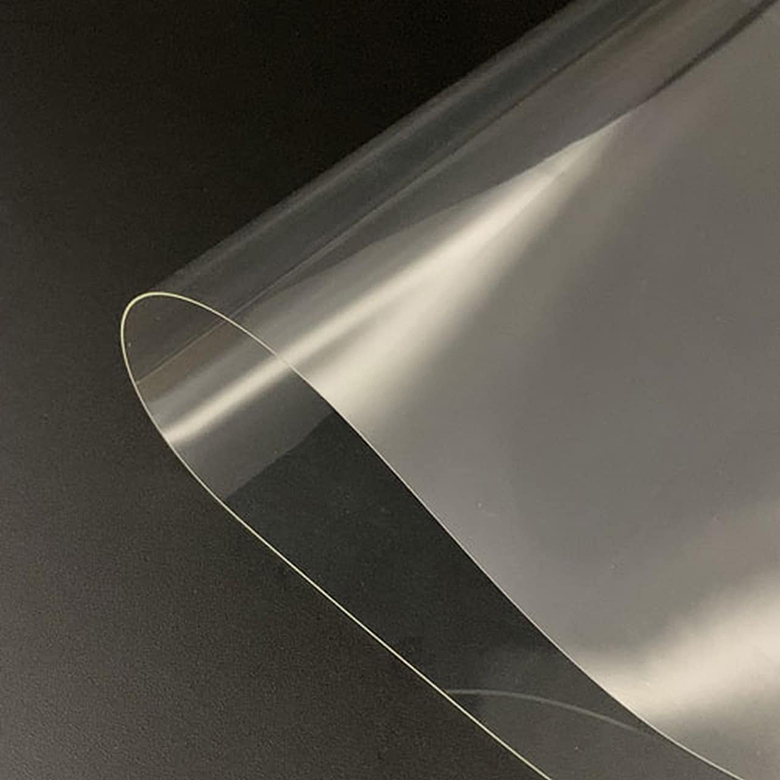
A TPU hot melt film is a heat-activated polyurethane adhesive layer supplied in roll form. It is placed between two materials, activated by heat and pressure, and then cools to form a flexible bond.
Built for Flexible Bonding
TPU adhesive film is chosen when a bonded structure must remain soft, elastic and clean in appearance. It is widely considered for fabric-to-film, fabric-to-foam, film-to-film and textile component bonding where glue spreading, powder application or solvent-based adhesive handling is not the preferred production direction.
Compared with general adhesive layers, TPU hot melt adhesive film can support a more controlled bonding area and a cleaner converting workflow when the grade and process are correctly matched.
Why Buyers Need Grade Matching
Different projects need different adhesive behavior. A sportswear seam, waterproof bag laminate, foam insert, footwear component and automotive interior part may all need TPU hot melt film, but not necessarily the same grade.
- Low-temperature bonding for heat-sensitive substrates
- Higher-temperature direction for stronger washing or cleaning resistance
- Transparent appearance for visible bonding areas
- Elastic hand feel for stretch fabrics and soft goods
- Release paper, release film or carrier-free discussion according to process
TPU Adhesive Film Options for Different Production Needs
DERFLEX helps buyers review the real application first, then prepare a suitable adhesive film direction for sample testing.
Typical TPU Hot Melt Film Parameters Buyers Should Confirm
The following table is a purchasing guide. Final values should be confirmed by application, substrate, machine condition and DERFLEX sample testing.
| Item | Common Purchasing Direction | Why It Matters |
|---|---|---|
| Material | TPU / thermoplastic polyurethane adhesive film | Supports flexible bonding, elastic hand feel and clean lamination for soft-goods and industrial applications. |
| Thickness | Custom thickness discussion by bonding strength, hand feel and substrate texture | Too thin may not fill fabric texture; too thick may affect softness, cost and product weight. |
| Width | Full-width roll or slit roll according to lamination machine and product size | Correct width reduces trimming loss, handling difficulty and roll change frequency. |
| Carrier | Release paper, release film or carrier-free structure depending on grade | Carrier choice affects positioning, peeling, storage, lamination workflow and surface cleanliness. |
| Activation Direction | Low, medium or higher activation temperature direction after substrate test | Heat must activate the adhesive without damaging fabric, foam, film or printed surfaces. |
| Performance Focus | Elasticity, softness, transparency, washing resistance, peel strength or cold flexibility | Different end products require different priorities; one grade cannot fit every process. |
| Packing | Roll length, core size, carton, pallet and export marks by order requirement | Stable packing protects the adhesive surface and supports repeat purchasing. |
Where TPU Hot Melt Adhesive Film Is Commonly Used
TPU adhesive films are practical for products that need a clean bond, flexible movement and consistent lamination quality.
Textile & Apparel Lamination
Seamless garment components, elastic fabrics, labels, reinforcement pieces, sportswear, underwear and functional textile layers.
Footwear & Bags
Upper materials, foam layers, lining materials, waterproof bags, outdoor packs and flexible product assemblies requiring cleaner bonding than liquid adhesive.
Outdoor & Waterproof Gear
Fabric-to-film lamination for waterproof products, protective layers, inflatable accessories and TPU material assemblies.
Automotive Interior Materials
Interior trim, foam, soft-touch components, composite layers and decorative flexible materials where process consistency is important.
Medical & Protective Products
Selected protective components, soft laminates, cushioning materials and healthcare-related flexible structures after compliance and cleaning-condition review.
Industrial Converting
Customized bonding layers for TPU, PVC, polyester, nylon, sponge, leather-like surfaces and specialty flexible material programs.
How to Choose the Right TPU Hot Melt Film
Many bonding problems come from choosing by price, thickness or photo only. A better purchasing decision starts with process matching.
Confirm Substrates
List both materials to be bonded, such as textile + TPU film, fabric + foam, leather-like material + fabric, or PVC film + textile.
Confirm Heat Window
Share heat press, roller lamination, hot air, ultrasonic, high-frequency or other equipment details so the activation direction can be discussed.
Define Performance
Clarify softness, peel strength, transparency, stretch recovery, washing resistance, cold flexibility and surface feel priorities.
Run Sample Trial
Test actual substrates before bulk ordering. Trial results help adjust thickness, carrier, temperature, time and pressure.
TPU vs Other Hot Melt Adhesive Film Choices
TPU is often selected when flexibility, elasticity and soft bonding are important. Other adhesive film families may be more suitable for stiff hand feel, certain high-temperature requirements or lower-cost applications. DERFLEX helps buyers make a practical selection rather than forcing one material direction.
Final choice should be based on bonding tests with your real substrates and production process.
| Film Type | General Direction | Typical Buyer Focus |
|---|---|---|
| TPU | Elastic, soft, transparent or translucent direction | Stretch fabrics, foam, TPU/PVC film, footwear, apparel, flexible goods |
| PES | Stiffer bonding direction | Polyester fabric, labels, PET film, higher shape stability |
| EVA | Lower activation and economical direction | EVA foam, mats, simple soft bonding applications |
| PO | Economical and washable direction in selected uses | Cloth, sponge and selected industrial components |
| PA | Higher temperature and chemical stability direction | Special textile, sponge, PI or PET film bonding where required |
Why Work with DERFLEX for TPU Adhesive Film Projects?
DERFLEX combines TPU film understanding, coated textile experience and export-oriented OEM support for buyers who need repeatable material supply.
TPU Material Platform
DERFLEX works with TPU film, TPU coated fabric, TPU laminated fabric and custom flexible material directions, helping buyers consider the whole product structure instead of one adhesive layer only.
Application-Based Recommendation
The team reviews substrate, product use, production equipment and required performance before recommending a sampling direction for adhesive film trials.
OEM Roll Supply Records
Thickness, width, carrier, roll length, packing and labeling records can be kept for repeat purchasing, reducing variation in later production batches.
Converter-Friendly Communication
DERFLEX supports factories, laminators, footwear suppliers, textile converters and OEM brands with practical material discussions and export documentation.
Sample Trial Direction
For new bonding structures, small sample confirmation helps reduce misunderstanding before bulk production and supports more stable procurement decisions.
Linked TPU Supply Chain
Buyers can also review TPU film, clear TPU film, TPU laminated fabric and TPU coated fabric options for a more complete material solution.
Explore Related TPU Materials and Applications
These internal links help buyers move from adhesive film selection to full TPU material structure planning.
What to Send Before Asking for a Quotation
A clear request helps DERFLEX avoid vague recommendations and prepare a more accurate TPU hot melt adhesive film proposal.
Tip: If the exact adhesive grade is not confirmed yet, send the finished product use and real substrate information first. DERFLEX will suggest a practical trial direction instead of quoting only by thickness.
- Two substrate materials to be bonded
- Finished product application
- Target thickness or hand feel
- Required roll width and length
- Release paper / film preference
- Lamination or heat-press equipment
- Temperature, time and pressure range
- Stretch, peel or wash test requirement
- Color, transparency or surface need
- Trial quantity and bulk order estimate
- Packing and labeling requirement
- Photos, drawings or sample material if available
TPU Hot Melt Adhesive Film Questions
Practical answers for factories, converters, purchasing teams and OEM material developers.
What is TPU hot melt adhesive film?
TPU hot melt adhesive film is a thermoplastic polyurethane bonding film that is normally non-sticky at room temperature and becomes adhesive when activated by heat and pressure. It is used between two substrates for lamination, textile bonding, foam bonding, footwear materials and flexible product assembly.
What materials can TPU hot melt film bond?
TPU hot melt film is commonly considered for elastic fabrics, polyester or nylon textiles, TPU film, PVC film, PU foam, leather-like materials, footwear components, outdoor fabric laminates and selected industrial substrates. Final suitability should be confirmed by sample testing.
Is TPU hot melt film the same as TPU film?
No. TPU film can be used as a functional layer for waterproofing, protection or lamination, while TPU hot melt adhesive film is designed as a bonding layer. Some projects use both: a TPU functional film plus a TPU adhesive film.
Can DERFLEX customize TPU adhesive film thickness and roll width?
Yes. DERFLEX can discuss custom thickness, width, carrier, release paper or film, roll length, softness, transparency, slit width and packing direction according to the buyer's processing equipment and finished product requirement.
Is TPU hot melt adhesive film suitable for washable textile products?
TPU hot melt film is often selected for textile bonding when elasticity, softness and washing resistance are required. The actual grade, activation temperature, press condition and substrate combination should be validated before bulk production.
Can TPU adhesive film be used for foam bonding?
Yes, TPU hot melt adhesive film may be used for PU foam, sponge, footwear cushioning and soft laminate structures. The foam density, surface texture and heat tolerance should be tested before confirming a bulk material.
Which is better, TPU or EVA hot melt adhesive film?
Neither is automatically better for every project. TPU is usually considered when elasticity, softness and flexible bonding are important. EVA may be selected for certain lower-temperature or economical bonding structures. The correct choice depends on material pair, process and performance target.
How should I request a quotation from DERFLEX?
Send your substrate materials, target thickness, required width, roll length, activation equipment, bonding temperature window, finished product use, test requirements and estimated quantity. DERFLEX can then recommend a practical sampling and quotation direction.
Need TPU Hot Melt Adhesive Film for Your Lamination Project?
Share your substrate, processing method, target bonding performance and order plan. DERFLEX will help review a suitable TPU adhesive film direction for sampling, testing and OEM roll supply.