


 Polyethylene tarp guide for practical buyers
What Is a Poly Tarp? Pros, Cons and Best Applications
A poly tarp is a lightweight polyethylene cover used for waterproof protection, temporary storage, construction cleanup, agricultural covering, transport protection and outdoor shelter. This DERFLEX guide explains where poly tarps perform well, where they have limits, and when a heavier PVC vinyl tarp may be a more suitable long-term choice.
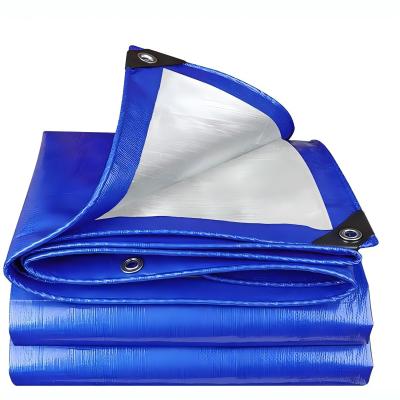
What Is a Poly Tarp?
A poly tarp, also called a polyethylene tarp or PE tarpaulin, is a flexible protective sheet made from woven polyethylene strips that are bonded with a polyethylene film or coating. The woven inner structure provides basic tear support, while the laminated surface helps block rain, dust, snow, dirt and moisture.
Most buyers choose poly tarps because they are easy to handle, fold, store and deploy. They are commonly used when a project needs practical coverage without the weight and cost of heavier industrial tarp materials.
How a Poly Tarp Is Built
Woven PE Base
Cross-woven polyethylene strips create the core layer and help control basic strength and dimensional stability.
Laminated Surface
PE film or laminated coating provides water-blocking coverage and helps resist dust, moisture and surface staining.
Finished Edges
Hems, grommets, reinforced corners, rope edges and packaging can be specified for the finished application.
Pros of Poly Tarps for Outdoor and Commercial Use
Poly tarps are popular because they solve many everyday coverage problems quickly. For distributors, contractors and seasonal users, the value is often found in low handling difficulty, flexible size options and practical weather protection.
Lightweight Handling
Polyethylene tarps are easier to move, lift, fold and install than many heavier tarp structures. This is useful for seasonal covers, temporary shelters and mobile crews.
Easy deploymentEconomical Coverage
For short-term protection or high-volume distribution, poly tarps help control purchasing cost while still offering practical waterproof coverage.
Budget-sensitive projectsWaterproof Protection
When the surface, seams and grommet areas are properly specified, poly tarps can help protect equipment, materials and storage piles from rain and moisture.
Temporary weather coverWide Size and Color Options
Poly tarps can be supplied in common sizes, custom dimensions and multiple colors for distribution, project identification or retail packaging programs.
Custom supplyUseful for Temporary Projects
Roof leak protection, site cleanup, ground sheets, landscaping, camping, storage and debris covers are typical situations where poly tarps fit well.
Short-term useOEM Packaging Possibility
For importers and distributors, DERFLEX can support repeated product specifications, packaging details and shipment planning for bulk orders.
B2B programsCons of Poly Tarps Buyers Should Consider
A poly tarp is not automatically the right answer for every outdoor job. Buyers should evaluate wind, abrasion, repeated handling, UV exposure, tie-down pressure and the replacement cost over time.
Not Ideal for Heavy Abrasion
Sharp cargo corners, rough concrete, metal edges and repeated dragging can damage lighter poly tarp grades faster than heavy PVC vinyl tarps.
Wind Whip Can Shorten Life
If the tarp is loose, wind movement can stress grommets, hems and corners. Reinforcement and correct tie-down practice matter.
UV Exposure Matters
Outdoor life depends on UV additives, coating quality, color, location and usage intensity. Temporary covers and permanent covers need different specifications.
Limited Breathability
Because the surface is designed to block water, moisture condensation can build under the tarp if airflow is poor.
Grommet Pull-Out Risk
When a tarp is oversized, poorly tied or exposed to strong movement, grommet areas may carry excessive load unless reinforcement is specified.
Not Always the Lowest Total Cost
For long-term industrial use, a lower initial price can be offset by more frequent replacement. PVC tarp material may be more suitable in demanding conditions.
Best Applications for Poly Tarps
Poly tarps are most useful where the buyer needs fast waterproof coverage, light-to-medium handling and economical protection. The following applications are practical directions for procurement and specification planning.
Construction Site Cover
Cover building materials, tools, scaffolding areas, dust-sensitive goods and temporary roof leak points.
Typical focus: waterproofing, easy tie-down, replacement controlAgriculture and Farm Storage
Use for hay, feed, firewood, crop protection, garden supplies and seasonal machinery coverage.
Typical focus: size, UV option, reinforced edgesOutdoor Storage
Protect equipment, furniture, pallets, packaged goods and yard storage from dust, rain and dirt.
Typical focus: moisture control and correct ventilationTransport and Temporary Cargo Cover
Cover light cargo, short-distance goods, small trailers and temporary vehicle loads where heavy abrasion is not expected.
Typical focus: tie-down safety and wind controlCamping and Outdoor Shelter
Use as rain fly, ground sheet, shade cover, equipment sheet or simple emergency shelter.
Typical focus: light weight and packabilityEmergency Weather Protection
Useful for temporary roof repair, disaster response, quick site coverage and short-term storage protection.
Typical focus: fast deployment and stock availabilityRetail and Distributor Programs
Suitable for importers and wholesalers selling common tarp sizes with custom packaging and repeat specifications.
Typical focus: packaging, labels and repeat ordersLight Industrial Protection
Use for temporary dust covers, maintenance work zones, warehouse goods and non-abrasive equipment protection.
Typical focus: grade matching and risk reviewWhen a Poly Tarp Is Not Enough
DERFLEX helps buyers avoid the common mistake of selecting a tarp by price, color or photo alone. The better route is to match the tarp material to service life, exposure, handling and fastening method.
Choose Poly Tarp When...
- The project is temporary or seasonal.
- Light weight and easy handling matter.
- The tarp may be replaced after limited use.
- The application has moderate wind and abrasion.
- The buyer needs economical bulk supply.
Consider PVC Vinyl Tarp When...
- The tarp will be used repeatedly outdoors.
- Truck, trailer or industrial handling is involved.
- Higher tear, abrasion and weldability are needed.
- Edge reinforcement and hardware design are important.
- The buyer wants stronger long-term consistency.
Ask DERFLEX to Compare
Send the application, size, expected lifespan, weather exposure, fastening method, color, quantity and packaging request. DERFLEX can recommend a poly tarp, PVC tarpaulin or other coated fabric route according to your project conditions.
Poly Tarp vs PVC Vinyl, Canvas and Mesh Tarps
This comparison helps buyers select a practical tarp material direction before requesting samples or quotation.
| Material Type | General Strength Direction | Main Advantages | Limitations | Suitable Buyer Direction |
|---|---|---|---|---|
| Poly Tarp / PE Tarp | Light to medium-duty, depending on grade | Lightweight, economical, waterproof coverage, easy to fold and distribute | Less suitable for heavy abrasion, repeated dragging, strong wind whip or long-term industrial exposure | Temporary covers, agriculture storage, construction cover, retail packs, seasonal use |
| PVC Vinyl Tarp | Medium to heavy-duty industrial direction | Waterproof, weldable, stronger abrasion direction, custom finishing and repeated handling support | Heavier and higher initial cost than many poly tarp options | Truck covers, industrial tarps, trailer tarps, construction protection, OEM covers |
| Canvas Tarp | Strong fabric direction with breathable behavior | Breathability, lower condensation risk, traditional rugged textile feel | May require treatment for water resistance and can be heavier | Firewood, breathable equipment covers, storage requiring airflow |
| Mesh Tarp | Open mesh structure for shade and airflow | Wind reduction, shade, ventilation, lower wind load than solid tarps | Not designed for full rain blocking | Shade screens, dump truck mesh covers, privacy screens, wind-permeable protection |
Custom Poly Tarp Supply for B2B Buyers
DERFLEX supports buyers who need more than off-the-shelf tarp sizes. We can help importers, contractors, distributors and OEM programs review the structure, finish and packaging details before bulk supply.
- Custom size, color and roll or finished tarp supply direction
- Grommet spacing, reinforced corners and edge design options
- Packaging support for distributor and private-label programs
- Material comparison between PE tarpaulin and PVC coated tarpaulin
- Export-ready communication and repeat order specification records
What to Confirm Before Quotation
A clear request helps DERFLEX avoid vague material recommendations and prepare a practical proposal.
- Finished tarp size or roll width and length
- Target use: construction, farm, transport, camping, storage or retail
- Expected use period and outdoor exposure level
- Color, thickness, GSM, weave density or reference sample
- Grommet material, spacing, reinforced edge and corner requirement
- Packaging, label, carton, pallet and shipment requirement
For Distributors
Send common size ranges, target market, package style and annual quantity. DERFLEX can help keep the product line stable for repeat purchasing.
For Projects and Contractors
Send project environment, fastening method, exposure time and application risk. DERFLEX can advise whether poly tarp or PVC vinyl tarp is more suitable.
How DERFLEX Helps Buyers Choose the Right Tarp
Material selection should be based on real use conditions, not only a product photo or nominal thickness.
Application Review
Confirm the finished product, exposure time, weather, cargo type, site condition and service expectation.
Material Direction
Compare poly tarp, PVC vinyl tarp, canvas tarp, mesh tarp or other coated fabric options.
Specification Matching
Review GSM, thickness, color, weave, UV direction, edge reinforcement and grommet detail.
Sample and Packing
Support sample review, packaging design, label requirements and shipping preparation.
Bulk Supply
Keep repeat-order specifications organized for distributors, importers and OEM programs.
Helpful Internal Links for Tarp Buyers
Use these related DERFLEX pages to compare tarp material choices, applications and manufacturing support.
Explore DERFLEX custom tarp material and finished tarp supply for B2B applications.
Review PVC coated tarpaulin options for waterproof heavy-duty covers and industrial use.
Compare heavy-duty PVC vinyl tarps for truck, industrial and outdoor protection applications.
Choose mesh tarp materials when airflow, shade and wind reduction are important.
Learn when breathable canvas tarp structures are suitable for storage and equipment protection.
Understand DERFLEX factory supply support for PE, PVC and custom industrial tarp programs.
Poly Tarp Questions Buyers Often Ask
These answers help buyers make a clearer material decision before sample request or quotation.
What is a poly tarp made of?
A poly tarp is usually made from woven polyethylene strips with a laminated or coated polyethylene surface. This structure gives the tarp light weight, practical waterproof coverage and easy handling.
Is a poly tarp waterproof or just water resistant?
, Most poly tarps are designed for waterproof coverage, but actual performance depends on material grade, lamination, seams, grommet areas and use conditions. Poor fastening or damaged surfaces can reduce protection.
How long does a poly tarp last outdoors?
Outdoor life depends on thickness, UV option, weather, wind movement, abrasion, tie-down method and storage. For longer-term industrial exposure, buyers often compare poly tarps with PVC vinyl tarps before deciding.
What is the difference between poly tarp and PVC vinyl tarp?
Poly tarp is generally lighter and more economical for temporary or light-to-medium use. PVC vinyl tarp is usually heavier, more suitable for repeated handling, and often chosen for truck covers, industrial tarps and custom fabricated covers.
Are poly tarps suitable for truck covers?
Poly tarps can be used for temporary or light-duty cargo coverage when properly tied down. For repeated truck, trailer or high-wind applications, PVC vinyl tarp material is often a more suitable direction.
Can DERFLEX supply custom poly tarps?
Yes. DERFLEX can support custom size, color, edge reinforcement, grommet spacing, packaging and bulk supply. Buyers can also ask DERFLEX to compare poly tarp with PVC tarpaulin options for their target market.
What should I send before requesting a quotation?
Send application, size, quantity, color, thickness or sample reference, expected use period, packaging request, grommet detail and shipping destination. This helps DERFLEX prepare a more accurate proposal.
Which applications are most suitable for poly tarps?
Poly tarps are commonly suitable for construction cover, agricultural storage, outdoor storage, temporary cargo cover, camping, emergency weather protection, retail programs and short-term site protection.
Need Poly Tarps or a More Durable Tarp Material?
Tell DERFLEX your application, size, quantity, packaging and outdoor exposure requirements. Our team can help you compare poly tarp, PVC tarpaulin, vinyl tarp, canvas tarp and mesh tarp directions before quotation.