
1
Reinforcement
Polyester scrim, woven PE tape, cotton canvas or nylon determines tensile stability, flexibility and much of the tear behavior.



A tarp can be made from polyethylene, PVC-coated polyester, canvas, mesh, nylon or other coated textiles. The useful answer is not simply the polymer name—it is the complete material system: reinforcement, coating, surface treatment, seams and edge construction.
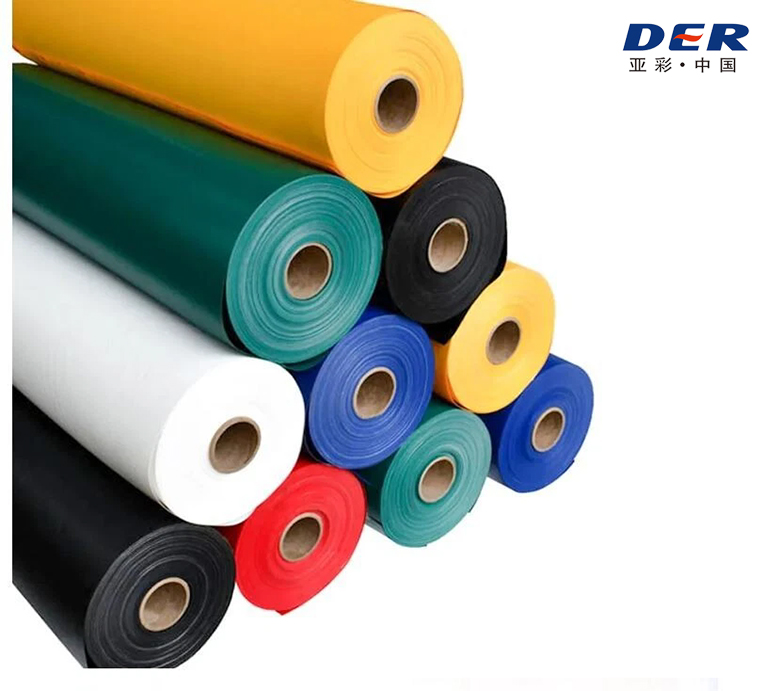
The word tarp describes the job of a flexible protective sheet. It does not identify one universal fabric. A blue household cover, a truck side curtain, a breathable equipment cover and a dump-truck mesh can all be called tarps while using very different constructions.
Modern tarps usually use either a woven reinforcement with a coating or lamination, or a tightly woven textile that may receive a protective treatment. This construction matters because each layer contributes a different function.
For example, in a PVC-coated polyester tarp, the polyester scrim carries much of the tensile load and helps control tear propagation, while the PVC surface contributes water protection, color, cleanability, weldability and weathering options. In a PE tarp, woven polyethylene tape is commonly laminated with PE film. Canvas relies more heavily on the woven cloth itself and may be treated for water resistance.
Two tarps sold under the same material name can behave differently in use. Professional comparison starts by separating the load-bearing textile, protective layer, functional package and finished construction.
Polyester scrim, woven PE tape, cotton canvas or nylon determines tensile stability, flexibility and much of the tear behavior.
PVC, PE, PU or another polymer layer changes water protection, surface feel, abrasion behavior and fabrication method.
UV stabilization, lacquer, anti-mildew direction, cold-flex formulation, flame-retardant options or print surfaces are selected for a defined project.
Welds, stitching, hems, webbing, rope, grommets, D-rings and patches distribute load and can change real-world water protection.
There is no single “best” tarp material for every use. The correct choice is the one that meets the exposure, handling, airflow, fabrication and cost requirements without unnecessary weight or under-specification.
A woven polyester reinforcement coated or laminated with polyvinyl chloride. It is common in transport and industrial fabrication because the structure can be adjusted by yarn, GSM, coating, lacquer and functional treatment.
Usually made from woven polyethylene tape with laminated PE surfaces. It is familiar in household, site and agricultural coverage because it is light, easy to move and available at cost-sensitive specifications.
Canvas is a tightly woven cotton or blended fabric. Its main advantage is vapor movement. It can be useful when the covered item benefits from airflow and when a softer textile surface is preferred.
Mesh uses an open structure rather than a sealed sheet. It is selected to allow airflow, reduce wind pressure, provide shade or help contain debris. It should not be specified where full rain protection is required.
Light polyester or nylon may be treated with polyurethane to provide rain resistance at a low packed weight. This family is more common in camping flysheets, compact shelters and outdoor equipment than in heavy cargo tension applications.
Clear PVC, flame-retardant coated textiles, cold-flex grades, anti-static constructions and other technical fabrics can be developed around a specified operating condition or test requirement.
Use this table as a screening tool, not as a substitute for a confirmed specification. Grade, thickness, yarn, coating formulation, seam design and installation can materially change the result.
| Material | Water Protection | Airflow | Handling Weight | Fabrication | Typical Fit | Main Buying Caution |
|---|---|---|---|---|---|---|
| PVC-coated polyester | High | Low in solid grades | Medium to heavy | Hot-air / HF welding, sewing, webbing, hardware | Truck covers, industrial equipment, curtains, tents, OEM tarps | Specify UV, temperature, surface and seam requirements rather than assuming all PVC grades are equal. |
| PE / poly | High as an intact sheet | Low | Low | Heat sealing and sewn reinforcement | Temporary roofing, garden, seasonal storage, light site covers | Quality varies; check weave, film thickness, UV formulation and grommet reinforcement. |
| Canvas | Water-resistant when appropriately treated | High | Medium; heavier when wet | Sewing, hems, patches, grommets | Breathable machinery covers, drop cloths, moisture-sensitive storage | Do not assume complete waterproofing; drying and storage practices matter. |
| Mesh | Not intended for full rain sealing | Very high | Low to medium | Sewn or welded coated mesh, reinforced perimeter | Shade, debris containment, dump trucks, fencing and privacy screens | Define openness or shade factor and perimeter load before ordering. |
| PU-coated nylon / polyester | Moderate to high depending on grade and seams | Low to medium | Very low | Sewing and seam tape | Camping shelters, rain flys, lightweight outdoor systems | Usually not the first choice for repeated dragging, cargo tension or industrial abrasion. |
Directional comparison only. Final performance depends on the confirmed material construction, test method, fabrication, installation, exposure and maintenance.
A material name is useful only after the operating conditions are clear. Start with the dominant failure risk: water ingress, wind load, abrasion, condensation, handling weight, UV exposure or seam stress.
PE is often efficient when low weight, fast deployment and controlled initial cost matter more than repeated industrial handling.
PVC-coated polyester is commonly considered because it supports welded panels, reinforced edges, custom hardware and repeated road-use specifications.
Canvas can be appropriate when vapor movement matters more than sealing the load beneath a non-breathable sheet.
Mesh reduces wind pressure compared with a solid tarp while providing controlled shade, privacy or load containment.
PU-coated polyester or nylon can reduce packed weight where the main load is suspension rather than abrasion or cargo tie-down stress.
Specify reinforcement, coating, total weight, surface, seams, edge design and test requirements as a complete system instead of buying by color alone.
The lightest tarp is not always the least expensive to use, and the heaviest tarp is not automatically the most efficient. For repeat commercial programs, consider replacement, labor, downtime, shipping weight and batch consistency together.
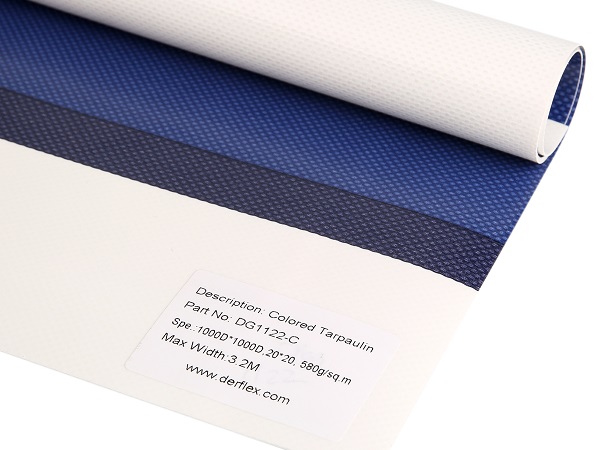
PVC-coated polyester is not required for every tarp. It becomes especially relevant when a buyer needs a reusable waterproof sheet that also has to be fabricated into large panels, welded, reinforced, printed or produced repeatedly to a defined specification.
Typical applications include truck and trailer covers, industrial equipment covers, construction enclosures, warehouse curtains, agricultural covers, tents and repeat OEM product lines. The correct grade should be selected from exposure, fastening and handling conditions rather than from the word “heavy duty” alone.
If you are a distributor, fabricator, fleet buyer or OEM brand, a complete inquiry reduces sampling risk and makes quotations easier to compare.
Truck, equipment, construction, agriculture, tent, shade or another use; include rain, UV, wind, cold, heat, abrasion or chemical exposure.
Base fabric or scrim, coating or lamination type, yarn denier / weave, target GSM or thickness and any reference sample.
Panel drawing, cut dimensions, roll width, roll length, usable finished size and tolerance expectations.
Color, matte or gloss, lacquer, embossing, printing, logo position, visibility or anti-fouling direction.
Welded or sewn seams, webbing, rope hem, folded edge, corner patches and reinforcement around high-load zones.
Grommet diameter and spacing, D-rings, straps, buckles, hooks or other fixing points based on the installation method.
Name the required test standard or market requirement. Avoid relying on generic terms such as “FR,” “UV proof” or “industrial grade” without a defined method.
Roll goods, cut panels or finished tarps; sample need, quantity, labels, cartons, private label and destination market.
DERFLEX focuses on coated flexible materials and tarp programs for converters, distributors, transport buyers, contractors and OEM customers. The emphasis is specification matching rather than presenting one tarp construction as suitable for every job.
Material direction can be discussed around exposure, service period, fastening, handling and fabrication.
Weight, yarn, width, color, surface and functional options can be reviewed before sampling.
Roll goods, cut panels and finished tarp details such as welding, hems, webbing and hardware can be coordinated.
Labels, packing, color control and repeat specification confirmation can be aligned for long-term product lines.
These six pages connect this material guide with tarp categories, coated fabrics, waterproof PVC tarpaulin and outdoor transport applications.
Explore transport, industrial, agriculture, outdoor and OEM tarp categories.
02 · Roll materialTarp Fabric ManufacturerReview PVC tarp fabric rolls, common weights, yarn directions and converter supply.
03 · Base materialPVC Coated FabricUnderstand coated polyester construction used across tarpaulin and flexible industrial products.
04 · Waterproof tarpPVC TarpaulinExplore waterproof PVC coated fabric and heavy-duty tarpaulin applications.
05 · Transport useTruck & Trailer TarpsSee material, reinforcement and fabrication considerations for transport covers.
06 · Outdoor exposureUV-Resistant TarpaulinReview UV-stabilized tarp material directions for prolonged outdoor exposure.
Common tarp materials include PVC- or vinyl-coated polyester, woven polyethylene, canvas, mesh and lightweight PU-coated polyester or nylon. The right material depends on whether the tarp needs waterproofing, breathability, low weight, airflow, abrasion resistance, weldability or repeated industrial use.
It can be either, and many modern tarps are a combination. A PVC tarp commonly uses a woven polyester fabric as reinforcement with PVC coating on the surfaces. A PE tarp usually combines woven polyethylene tape with laminated PE film. Canvas is primarily a woven textile, while mesh may use polymer-coated yarns in an open structure.
In tarp sourcing, “vinyl tarp” commonly refers to a PVC-coated or PVC-laminated polyester tarp. Because suppliers may use these terms differently, confirm the base fabric, coating method, total weight, thickness and seam method before purchasing.
PVC-coated polyester and laminated PE can provide waterproof sheet surfaces when intact. Finished waterproof performance also depends on seams, stitching holes, welded joints, edge construction, hardware and installation. Canvas is commonly treated for water resistance rather than specified as a sealed waterproof sheet, and mesh is not intended to block rain completely.
PVC-coated polyester is frequently specified for truck, trailer and industrial tarp applications because it can combine a reinforced textile core, waterproof surface, weldable fabrication and custom edge construction. The grade still needs to be matched to UV exposure, temperature, abrasion, tie-down loads and handling frequency.
No. GSM describes mass per square meter, not the complete strength profile. Yarn denier, weave, coating adhesion, tear behavior, tensile performance, reinforcement placement and seam construction can all matter. Compare test data and finished construction rather than GSM alone.
Send the application, size or roll format, expected service period, exposure conditions, preferred material or target weight, color, surface, seam and edge details, grommet or hardware layout, quantity, packing and any named test requirement. This helps narrow the material before sampling.