News
Company News

PU Leather vs PVC Leather: Differences, Durability & Buyer Guide | DERFLEX

Update:2026/8/31 19:20:52 Views:
Synthetic Leather Material Comparison

PU Leather vs PVC Leather

PU leather is usually chosen for a softer, more flexible and refined leather-like feel. PVC leather is often chosen for practical water resistance, easy cleaning, firmer structure and cost control. The better material depends on the grade, backing, use environment and performance requirements—not the polymer name alone.

This guide compares polyurethane leather and vinyl/PVC leather for furniture, contract seating, bags, automotive interiors and OEM manufacturing, with a buyer-focused selection matrix, specification checklist and sample validation process.

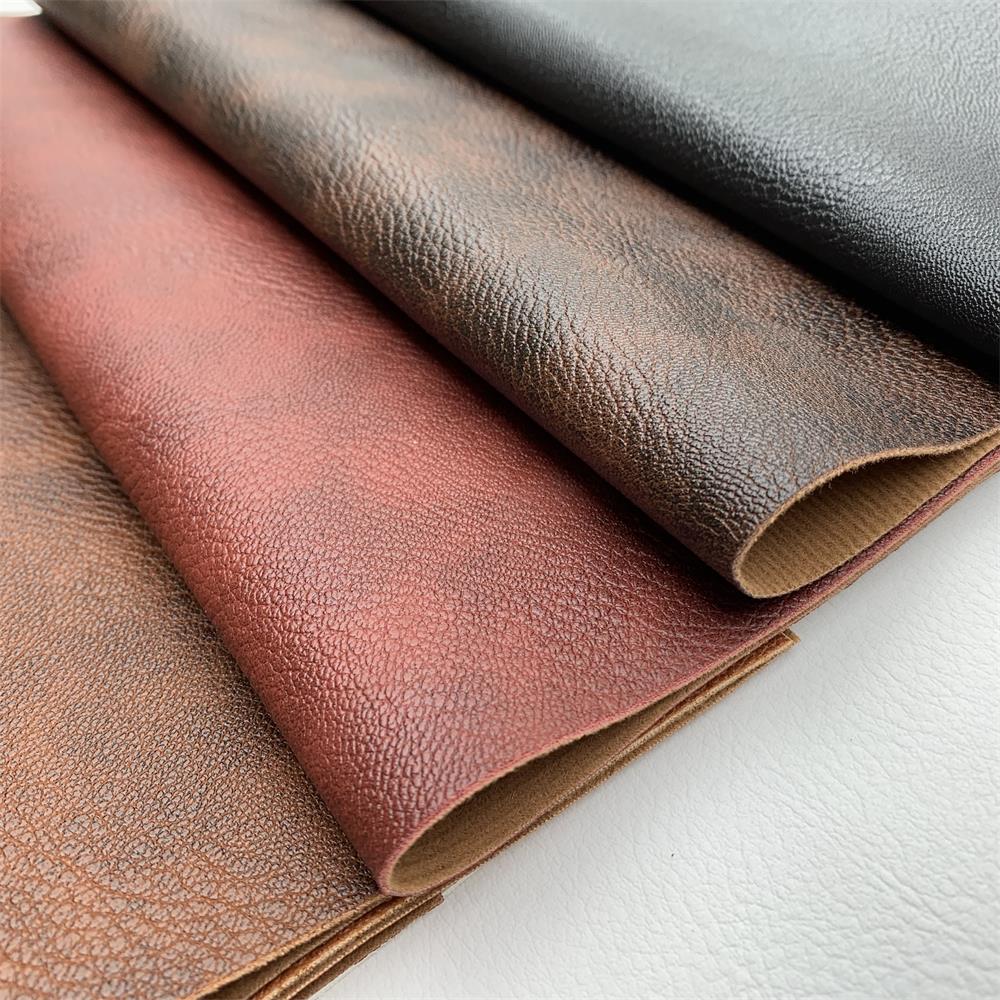
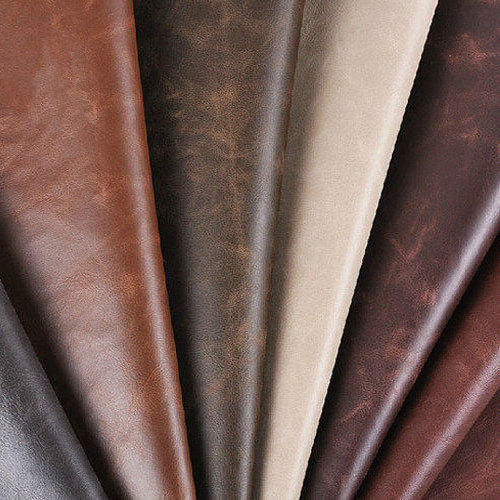
PU leather and PVC leather synthetic leather rolls with embossed grain textures

One Look, Different Material Systems

Similar leather grain can hide very different coating chemistry, backing construction, flexibility, aging behavior and cleaning performance. Always compare the exact grade.

Quick Answer: Which Is Better, PU or PVC Leather?

Neither is universally better. Choose PU leather when hand feel, flexibility, drape and a more refined upholstery appearance are the priority. Choose PVC leather when moisture resistance, easy wipe-down, stable structure and cost-sensitive commercial use are more important. For long-term performance, compare the actual formulation, backing, topcoat and test results rather than assuming every PU or PVC grade behaves the same way.

Buyer rule of thumb

Touch-led product → start with PU.
Easy-clean / utility-led product → start with PVC.
Critical project → test both exact grades.

Material Fundamentals

What Is the Real Difference Between PU Leather and PVC Leather?

Both are synthetic leather materials built to create a leather-like surface over a supporting substrate. The key difference is the surface polymer system: polyurethane for PU leather and polyvinyl chloride for PVC leather. That difference influences feel, flexibility, moisture behavior, aging routes and the way each grade is formulated for end use.

PU Leather Structure

PU leather generally uses a polyurethane-based surface layer applied to a textile, nonwoven, microfiber or other backing. The formulation and coating method can be adjusted to create soft, matte, smooth, embossed or more structured material directions.

Buyers often start with custom PU leather when comfort, drape, grain refinement and touch are central to the finished product.

PU Surface / Topcoat — grain, color, gloss, touch PU Coating System — flexibility and body Backing — knitted, woven, nonwoven, microfiber or project-specific

PVC Leather Structure

PVC leather uses a PVC-based surface system, commonly plasticized to achieve the required flexibility, over a supporting backing. Depending on construction, it can be developed for firmer body, easy-clean surfaces, embossed texture and practical moisture resistance.

Commercial buyers often consider PVC leather material for contract furniture, utility goods and programs where cleanability and cost control are important.

PVC Surface / Protective Finish — grain, color, cleanability PVC Layer — body, moisture resistance and structure Backing — knitted, woven, nonwoven or application-specific textile
Important terminology: “PU leather” can be used inconsistently in the market. A 100% synthetic PU construction is different from bicast or split leather that uses genuine leather underneath a PU finish. If animal-free content matters, specify the complete construction rather than relying on the words “PU leather” alone.
Side-by-Side Decision Guide

PU Leather vs PVC Leather Comparison Table

Use this table as a starting point, not as a substitute for an approved sample and application-specific testing. Performance can shift significantly with coating formulation, thickness, backing, topcoat and manufacturing quality.

Selection Factor PU Leather PVC Leather What the Buyer Should Check
Surface polymer Polyurethane-based Polyvinyl chloride-based Confirm exact material system and whether the backing is fully synthetic.
Hand feel Often softer, warmer and more supple. Often firmer or more structured, although soft grades are possible. Approve a physical sample for softness, tack, grain depth and gloss.
Flexibility & drape Commonly selected where wrapping, folding and comfort are important. Can provide stronger body and shape retention depending on grade. Test on the real curve radius, seam and production process.
Breathability Generally better than conventional PVC leather, but still depends on construction. Generally lower because the surface system is more closed. For seating or apparel, validate comfort with the actual finished construction.
Water / spill resistance Can be good, but seams, perforation and backing can change total product performance. Often selected for strong practical moisture resistance and wipeability. Do not call the finished article “waterproof” unless seams and assembly are also designed for it.
Cleaning Easy-clean finishes are available; harsh cleaners can damage some PU surfaces. Often practical for wipe-clean commercial use. Test the exact disinfectant, soap, alcohol concentration or cleaner used by the customer.
Humidity aging Hydrolysis resistance can be a critical grade variable in warm/humid use. Not a PU-hydrolysis system, but other aging routes still need evaluation. Request the relevant aging or hydrolysis test method for the end market.
Cold / long-term flexibility Often maintains a softer flexible feel, depending on chemistry and topcoat. Plasticizer system and cold-flex design are important for low-temperature use. For winter, outdoor or transport use, specify cold-flex/aging requirements before quotation.
Appearance Well suited to soft-touch, low-gloss and refined leather-look collections. Strong embossing and consistent decorative surfaces are widely available. Approve grain, gloss, color and sample-to-bulk tolerance.
Cost direction Often higher for comparable premium-touch constructions. Often attractive for volume and cost-controlled programs. Compare finished-product yield, conversion loss and failure risk—not only price per meter.
Typical positioning Comfort-led furniture, fashion bags, decorative interiors, selected automotive trim. Commercial seating, utility goods, easy-clean upholstery, cost-sensitive programs. Use application, brand level and test requirements to decide.

Comparison is directional. Exact performance must be confirmed against the supplied material specification and test method.

Application Selection Matrix

Which Material Fits Your Product?

Search results often try to name one universal winner. Professional sourcing works better when the material is selected around how the product is sold, cleaned, processed and used.

Residential Sofas & Lounge Seating

Start with: PU leather. Softer hand feel and flexible wrapping often suit comfort-led furniture. Review hydrolysis, abrasion, backing and cleaner compatibility.

Restaurant & Contract Seating

Start with: PVC or a commercial-grade PU. Cleaning frequency, stain exposure, flame-retardant pathway and abrasion requirements should drive the final decision.

Handbags & Fashion Accessories

Start with: PU leather for softer touch and fashion-oriented surface effects. PVC can fit firmer, cost-controlled or travel-goods constructions.

Automotive Interiors

Start with: an automotive-grade PU, microfiber PU or purpose-developed PVC according to OEM specification. Generic furniture leather is not a substitute for automotive validation.

Outdoor & Marine-Adjacent Seating

Start with: a purpose-designed weather-resistant synthetic leather. UV, mildew, humidity, cold-flex and cleaner resistance matter more than the PU/PVC label alone.

Budget & Utility Programs

Start with: PVC where practical surface protection and cost control are more important than premium hand feel. Confirm flexibility and aging for the real climate.

For sofa sourcing, the material decision is more specific than “PU vs PVC.”

DERFLEX's sofa PU leather material guide explains why backing, hydrolysis direction, coating adhesion, cleanability and product positioning should be reviewed together.

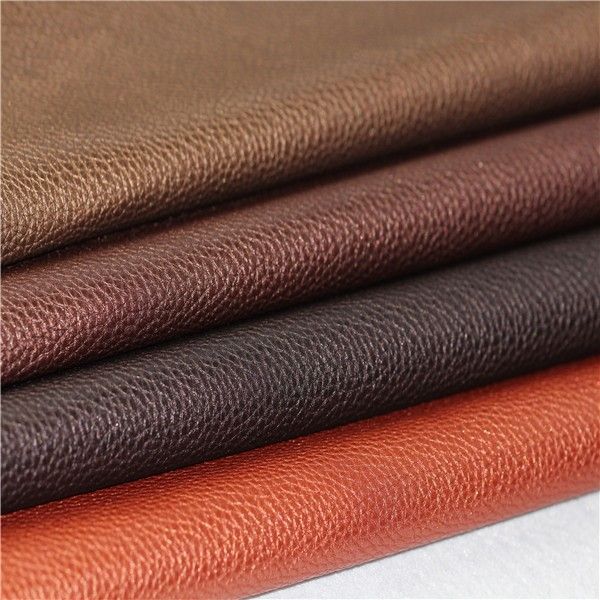
Embossed synthetic leather texture samples for PU and PVC material evaluation
Surface appearance alone cannot predict service life. Ask how the coating, backing and topcoat are designed for the intended climate and use.
Durability Explained

Which Lasts Longer: PU Leather or PVC Leather?

A useful sourcing answer is: service life is grade- and application-dependent. PVC is often selected for moisture resistance and heavy commercial wipe-down, while PU is often selected for flexibility and comfort. Poorly specified versions of either material can fail early.

For PU, buyers should pay particular attention to humidity and hydrolysis resistance where the product will operate in warm, damp climates. For PVC, buyers should review plasticizer stability, long-term flexibility and cold behavior when the product is exposed to temperature cycles or repeated flexing.

A meaningful durability comparison therefore needs a specific test route, not a generic statement such as “PVC always lasts longer” or “PU is always better quality.”

PU Leather: What Can Go Wrong?

  • Hydrolysis or surface breakdown in unsuitable humid-use grades
  • Peeling or delamination if coating adhesion is weak
  • Premature wear if abrasion level is under-specified
  • Cleaner damage if chemical compatibility is not validated
  • Stretch or seam issues if backing is wrong for the conversion process

PVC Leather: What Can Go Wrong?

  • Hardening or loss of flexibility with unsuitable formulation/aging
  • Cold cracking if the grade is not designed for low temperatures
  • Surface gloss or tack changing under heat and chemical exposure
  • Cleaner discoloration or topcoat damage
  • Excessive stiffness for tight wrapping or comfort-focused products
Avoid destructive “burn tests” or flame tests to identify synthetic leather. For procurement, use the supplier specification, construction declaration and, when necessary, laboratory polymer identification. This is safer and more reliable than judging by smell or flame color.
Before Bulk Ordering

A 7-Step Sample Validation Process for PU vs PVC Leather

The fastest way to reduce sourcing risk is to compare exact production-grade samples under the same conditions. This is especially important for furniture factories, automotive converters, bag manufacturers and contract projects.

1
Confirm the construction.Record surface polymer, backing type, thickness, finish, color and grain. Do not compare an entry-grade PU with a premium PVC and treat the result as a polymer comparison.
2
Run the real conversion process.Cut, sew, wrap, laminate, quilt, perforate or bond the sample exactly as the production line will.
3
Check bend and corner behavior.Evaluate whitening, wrinkling, stretch recovery, edge appearance and seam bulk on the real radius.
4
Use the actual cleaning route.Test the cleaner or disinfectant that the finished product will encounter, not a generic household wipe.
5
Match aging tests to climate.For PU, review hydrolysis/humidity aging where relevant. For PVC, review cold-flex and long-term flexibility where relevant.
6
Check color and grain against approval standards.Define how bulk rolls will be judged against the master sample, especially for repeat OEM programs.
7
Approve the exact grade before scale-up.Keep a signed or controlled reference sample so replenishment orders can be compared to the same standard.
Sustainability & Compliance

Is PU Leather More Eco-Friendly Than PVC Leather?

A material name alone is not enough to make a reliable environmental claim. PU and PVC are both polymer-based synthetic materials, and their impacts depend on formulation, manufacturing route, solvents or plasticizers, energy use, lifetime, restricted-substance controls and end-of-life options.

For PU Programs

Buyers may ask whether a water-based, solvent-free or other lower-solvent PU route is available for the target application. They should also confirm required chemical declarations and performance trade-offs rather than assuming “PU” automatically means sustainable.

For PVC Programs

Buyers may need to define plasticizer restrictions, restricted-substance requirements, recycled-content targets or market-specific chemical compliance. The correct documentation depends on destination market and product category.

For a broader material family view, see DERFLEX synthetic leather fabric options, where PU, PVC, silicone and other leather-look systems can be evaluated around the same end-use brief.

Procurement Specification

What Should You Specify Before Asking for a Quote?

A precise inquiry lets the supplier compare PU and PVC on the same basis and reduces unnecessary sample rounds. For custom programs, define the final product first, then the material.

Information to Send Why It Matters
Final application Sofa, chair, bag, automotive trim, wall panel, marine-adjacent seating and medical/contract products require different priorities.
Target market & product position Budget, mid-market, premium, hospitality or OEM programs may justify different coating and backing structures.
Color, grain & gloss reference Helps match the visual identity rather than selecting by generic material name.
Backing & thickness direction Influences sewing, wrapping, stretch, seam bulk, bonding and dimensional behavior.
Width, roll format & quantity Required for production planning, yield, packing and commercial quotation.
Performance requirements State abrasion, hydrolysis, UV, cold-flex, flame-retardant, cleaner compatibility or other test needs using the required method when known.
Processing method Sewing, quilting, perforation, lamination, wrapping, gluing and foam bonding can change the preferred construction.
Destination & compliance needs Allows the supplier to confirm which declarations, restricted-substance requirements or market-specific tests are relevant.
Common procurement mistake: comparing only the price per meter.

A cheaper leather can become more expensive after cutting loss, sewing difficulty, rework, color mismatch, cleaner damage, early surface failure or rejected repeat orders. Compare the total conversion and service risk.

DERFLEX Material Image Pack

Synthetic Leather Texture & Color References

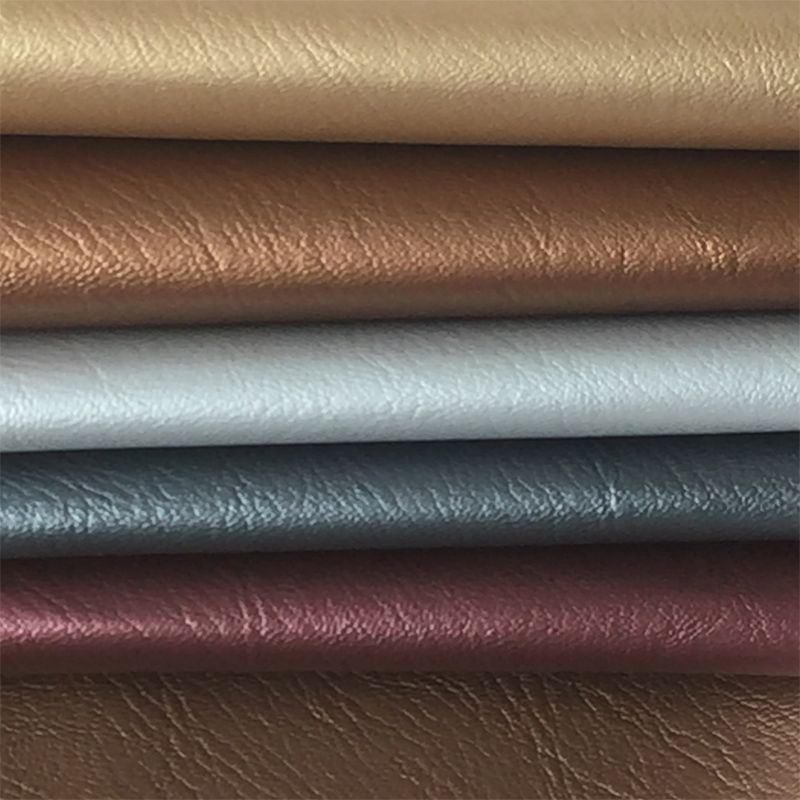
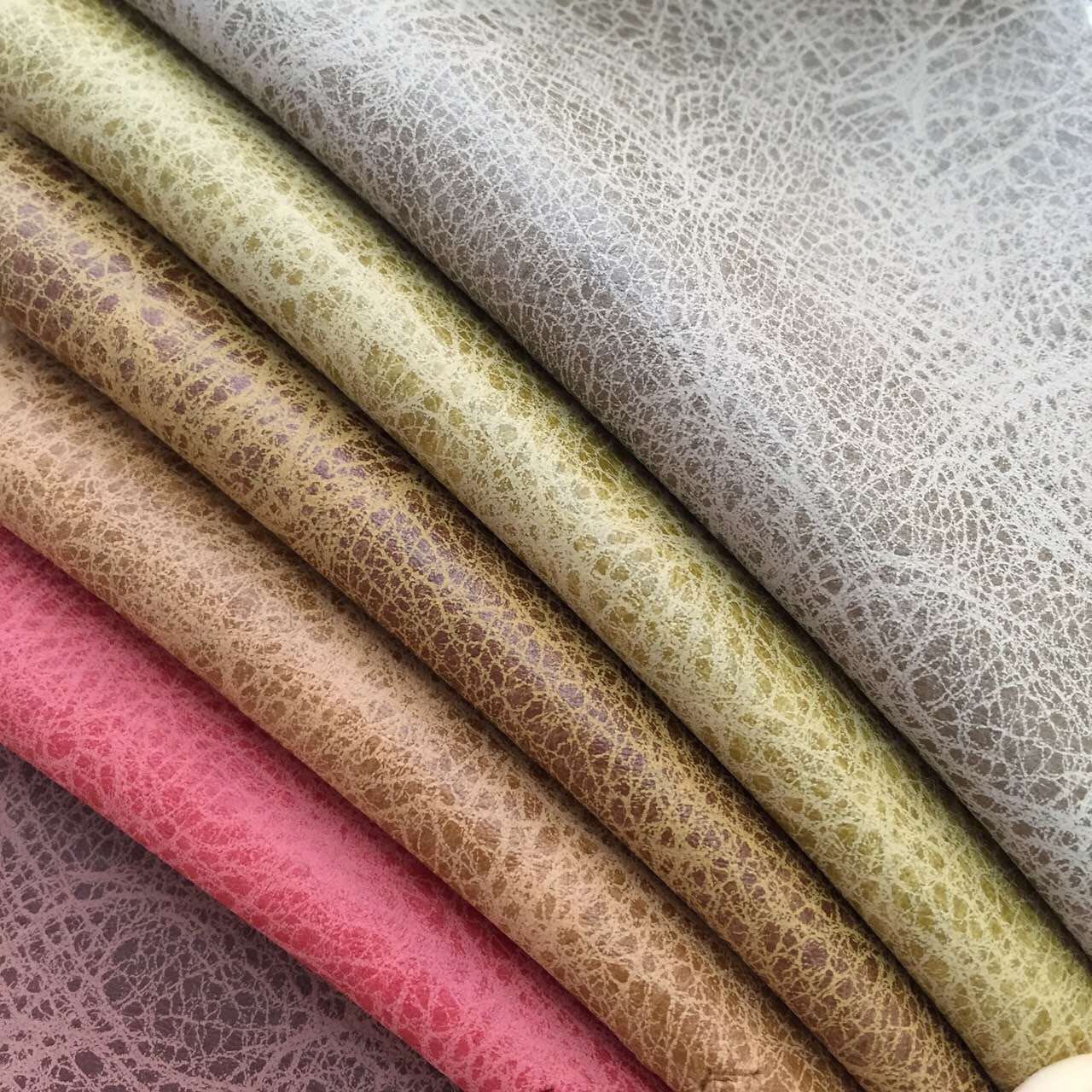
The images below are existing DERFLEX-hosted synthetic leather visuals. Their purpose is to support material context, Google Images indexing and buyer understanding. Final product selection should always use current physical samples.

Related DERFLEX Resources

Continue Your Synthetic Leather Selection

These related pages cover the material families and application-specific decisions that buyers commonly review after comparing PU and PVC leather.

,
Related Questions

PU Leather vs PVC Leather FAQ

Short, direct answers to the questions buyers most often ask before requesting samples or selecting a synthetic leather grade.

Is PU leather better than PVC leather?

PU leather is often better when softness, flexibility, drape and a refined leather-like feel are priorities. PVC leather is often better when easy cleaning, practical moisture resistance, stable structure and cost control are priorities. The final decision should be based on the exact grade and application.

Which is more durable, PU leather or PVC leather?

There is no universal answer. PVC grades can perform well in moisture-heavy and high-use commercial environments, while well-specified PU grades can perform strongly in flexible upholstery and interior applications. Durability depends on coating, backing, topcoat, climate, cleaning and test requirements.

Does PU leather peel or crack?

Poorly formulated or incorrectly specified PU can peel, crack or delaminate, especially when hydrolysis resistance, coating adhesion or abrasion performance is insufficient for the use environment. The solution is to select and test the correct grade, not to assume all PU behaves the same.

Is PVC leather waterproof?

PVC leather is commonly selected for strong practical water resistance and easy-clean surfaces. However, a finished product is only as water-resistant as its seams, perforations, backing, edges and assembly. Do not call the complete item waterproof unless the complete construction has been designed and validated for that purpose.

Which is better for sofas, PU or PVC leather?

PU is often preferred for residential sofas and comfort-led lounge seating because of its softer hand and upholstery feel. PVC can be a practical option for commercial seating where frequent cleaning and cost control are more important. Contract specifications may require performance grades beyond a simple PU/PVC choice.

Which is better for handbags, PU or PVC?

PU is commonly selected for fashion handbags that need softer touch, folding flexibility and refined grain. PVC can work well for firmer, easy-clean, cost-controlled travel goods and utility bags. Bag construction and price position should guide the choice.

Is PU leather more expensive than PVC leather?

PU is often priced above comparable cost-focused PVC grades, but there is significant overlap. A premium PVC can cost more than a basic PU. Compare exact construction, performance, yield and conversion risk instead of assuming the polymer alone determines price.

Are PU leather and PVC leather vegan?

Fully synthetic PU and PVC leather constructions can be animal-free. However, market terminology is inconsistent: some PU-coated products use split or genuine leather underneath. If animal-free content matters, require a complete construction declaration from the supplier.

How can I tell PU leather from PVC leather?

The most reliable method is the supplier specification or laboratory identification when required. Feel, smell and appearance can provide clues but are not definitive. Avoid DIY burn tests because they are unsafe and unnecessary for professional sourcing.

Need Help Choosing PU or PVC for Your Product?

Send DERFLEX the application, color/grain reference, backing direction, thickness or sample, required width, quantity, processing method, performance tests and destination market. The team can review a more suitable synthetic leather direction for sampling and B2B production.

  • Application and use environment
  • PU / PVC / open material direction
  • Color, grain and gloss reference
  • Backing, thickness and width
  • Required test methods or compliance
  • Quantity, packing and destination
Consulting Services
+86-021-54361792 / 54361798
Email
sales@derflex.com