News
Company News

Can a Tarp Protect Against Hail? Limits & Padded Options | DERFLEX

Update:2026/10/4 21:08:57 Views:
Skip to guide

Material & cover engineering

Can a Tarp Protect Against Hail?Cover Limits and Padded Options

An ordinary tarp is not reliable protection against hail dents. It can shield an asset from rain and debris, but it offers little impact cushioning. A dent can form beneath an intact cover. Padded or inflatable hail covers may reduce damage when their complete construction has been tested for the intended conditions.

For fleet buyers, equipment owners and cover fabricators, this guide separates the weather shell from the impact layer. DERFLEX can discuss PVC outer materials, custom dimensions and reinforced fastening details; any padded assembly or hail rating needs separate confirmation.

By DERFLEX · Technical buying guide ·

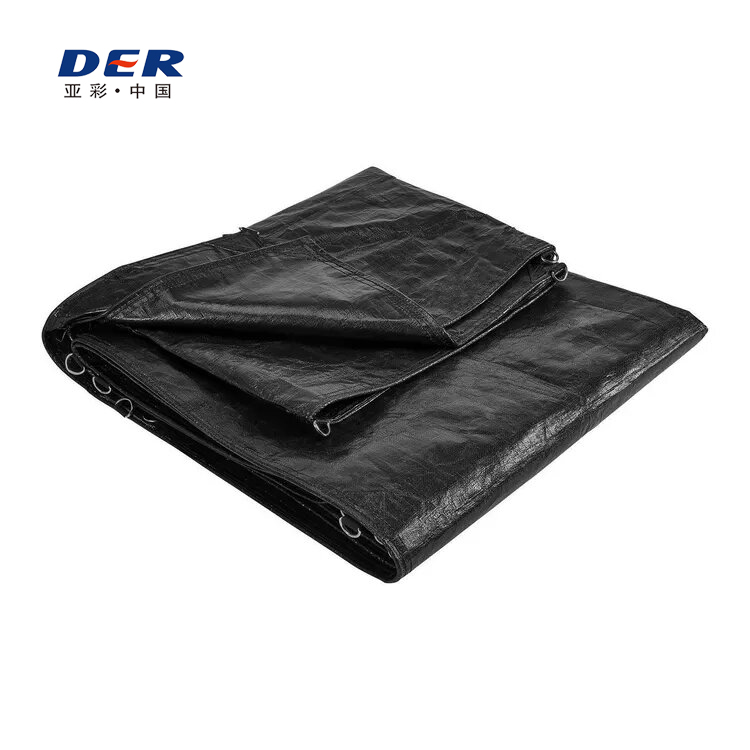
Outer-cover material Folded black DERFLEX PVC tarp with reinforced edges and D-rings for outer-cover fabrication
Actual DERFLEX tarp photo. Reinforcement supports cover fastening; this image does not demonstrate padding or tested hail protection.
Weather barrier

A waterproof shell addresses rain. It does not establish impact protection.

Cushioning system

Padding or a maintained air cushion needs enough space to manage the impact.

Verified limits

Assess the installed cover, protected panel, coverage and fastening together.

01 / Understand the limit

Waterproofing and hail protection solve different problems.

A cover may keep rain out and still transmit an impact into a metal panel, glazing or a fragile component. Treat fabric durability and asset damage as separate acceptance criteria.

The cover can survive while the asset dents.

Tensile and tear strength describe fabric behaviour under particular loads. An unpadded sheet resting on a panel has little cushioning travel. An intact tarp after a storm is not evidence that the surface underneath escaped damage.

GSM is not a hail rating.

GSM measures fabric mass per unit area. Greater weight can change handling and durability, but it does not specify impact energy absorption. Neither a heavy duty tarp nor multiple thin tarp layers establish a safe hailstone diameter.

The installation changes the result.

Exposed side windows, shifted padding, hard seams and a cover pulled tight over a sharp feature can create vulnerable zones. Wind, water accumulation and repeat impacts also belong in the system review.

02 / Compare the architecture

Which cover option fits a hail-exposed asset?

Compare the protection mechanism and the conditions it depends on. The following directions are for selection; they are not impact ratings or assurances of damage prevention.

On a small screen, swipe horizontally to read every column. No hailstone-size limit is assigned without representative test evidence.
OptionWhat it contributesMain limitationBuyer decision
Ordinary PE or PVC tarpWeather shell, debris cover and a surface that can be fabricated to size.Little cushioning when in contact with the asset; tear resistance is not dent resistance.Use for weather protection or as an outer layer in a separately assessed system.
Tarp over moving blanketsAn improvised layer with some available compression.No automatic impact rating; uneven loft, shifting, grit and retained moisture.Consider only as an unverified temporary measure before the storm, with a clean, compatible interface.
Purpose-built padded coverRetained foam or another specified cushion, a weather shell and a contact lining.Padding can compress fully; joints, thin side sections and exposed zones can remain vulnerable.Request the complete impact report and a coverage drawing for the actual asset.
Inflatable hail coverA maintained air cushion separates the strike surface from the vehicle.Depends on inflation, power, anchoring, clearance and system integrity.Check deployment instructions, operating limits and backup arrangements from its manufacturer.
Engineered stand-off shelterA supported interception surface with clearance above the asset.A loose overhead tarp can deflect into the asset or overload its fixings.Require structural review for wind, drainage, accumulated ice and maximum deflection.
Suitable garage or substantial covered storageA separate roof shields the parked asset from direct overhead impacts.Open sides, damaged roofs and unsuitable structures can leave exposure.Prefer this option when available before the storm; assess the structure and parking position.

03 / Specify the layers

A padded tarp is a system, not a thicker sheet.

The outer material, cushion and surface-contact layer each have a separate job. A soft liner protects the finish from rubbing; it does not necessarily absorb enough energy to prevent a hail dent.

Choose cushioning by behaviour.

EVA and cross-linked polyethylene foam are examples used in padded cover designs. Grade, density, compression response and recovery matter alongside thickness. “Closed cell” identifies a foam structure; it is not a hail-resistance class. Ask a foam supplier for data relevant to the intended impact and temperature.

Allow useful compression travel.

A cushion needs space to deform. If it compresses fully, or is already crushed by tight straps, a hard feature can receive much of the impact. This is an engineering reason to test the assembled cover under its installed tension, rather than approve a loose foam swatch.

Keep coverage continuous.

Map the hood, roof, trunk, mirrors, glazing and sides—or the equivalent vulnerable areas on machinery. Plan pad joints, overlap and retention so normal fitting does not open gaps. Strong seams and extra reinforcement do not automatically restore cushioning at those locations.

Made-to-measure tarp options can support the shell geometry and fixing layout. Confirm padded construction feasibility before treating it as a supply commitment.

04 / Require useful evidence

What should a hail-cover impact report actually show?

A “hail resistant” label, a layer count or a demonstration video is not enough to define a procurement limit. Agree a representative test plan with the system supplier and a competent laboratory before bulk approval.

01 / The projectile

Diameter is only one variable.

Record ice-ball diameter and mass, condition, measured impact speed and angle. Explain any substitute projectile and its limitations. A steel-ball drop is not automatically equivalent to natural hail.

02 / The installed assembly

Test the shell, pads and target together.

Identify fabric and foam grades, thicknesses, lining, seams, strap tension and clearance. Document the underlying panel material, thickness, curvature and support—not just a rigid test bench.

03 / The vulnerable locations

Include seams, edges and repeat strikes.

Test representative pad centres, joints, fasteners and thin sections. Specify strike count and spacing, wet or dry state, temperature and any ageing that represents the intended service.

Agree the pass criteria first: permitted dent depth or appearance change, glass damage, panel function, fabric penetration, seam opening and pad movement. Passing a defined test supports only the documented conditions. A claim for a larger hailstone, different asset or different fit needs evidence of its own. These are proposed procurement checks, not a statement of DERFLEX certification or completed testing.

05 / Turn the concept into a specification

Specify the weather shell and the impact system separately.

DERFLEX’s confirmed offer includes PVC coated tarp materials and custom tarp solutions. Use the schedule below to define a project for review without assuming an off-the-shelf padded cover or a universal hail rating.

All final values, construction availability and acceptance requirements should be agreed before production.
Specification itemInformation to agreeWhy it matters
Outer materialPVC coated polyester construction; target GSM, thickness, colour, surface and roll width. Confirm the grade with DERFLEX.Controls weather-shell durability, weight, handling and fabrication.
Impact cushionExact material and grade, density, thickness, compression response, recovery, coverage and pad retention. Availability subject to project review.Defines cushioning behaviour and the risk of full compression.
Finish-contact layerLiner material, cleanliness, coating compatibility, seam orientation and hardware isolation.Reduces rubbing and marking risk independently of dent protection.
Geometry and accessAsset envelope, top and side coverage, protrusions, openings, installation clearance and orientation labels.Prevents exposed zones and fitting errors.
Seams and fasteningWeld or seam plan, reinforcement, strap routes, permitted anchors and fixing coordinates.Maintains coverage without crushing pads or concentrating contact pressure.
Outdoor exposureTemperature, UV exposure, rain duration, drainage, drying and storage method; any regulatory requirements.Sets the service conditions for material selection and verification.
Impact acceptanceProjectile, velocity, target panel, installation, vulnerable test positions, ageing and pass criteria.Replaces a vague hail claim with a defined, reviewable scope.
Commercial scopeRoll goods, cut panels or finished shell; requested assembly, order quantity, sample approval, packaging and destination.Clarifies who supplies each component and who validates the final system.

Fabrication notes for padded designs

  • Trial the selected PVC material and seam method before production. Heat sealing the shell does not verify the foam or liner assembly.
  • Keep welding heat and incompatible adhesives away from cushioning unless the complete process has been validated.
  • Consider replaceable pads where inspection and drying are important. Check that pockets do not collect water or permit pad migration.
  • Specify fixing positions from the cover geometry and load path. There is no universal grommet spacing for every storm cover.

Match the protected asset

  • Vehicles and fleets: map body panels and glazing; review routine deployment and size identification.
  • Parked machinery: protect protrusions, vents and painted panels. Cover only when the equipment is stopped and cool.
  • Fragile glazing or solar modules: obtain equipment-manufacturer approval; direct loading and covering may be unsuitable.
  • Overhead structures: assess anchors, drainage, deflection and ice accumulation with the structural designer.

06 / Deployment and care

Keep the cover in place. Keep the contact surface clean.

Even a well-designed cushion loses value if it moves away from the protected zone. Prepare and trial the installation in calm weather.

  1. Inspect and clean before fitting.

    Remove grit from the asset and liner. Check for pad damage, trapped debris, sharp fittings and any moisture from the previous use.

  2. Fit the full coverage envelope.

    Check top and side protection, mirrors, windows and protrusions. Keep pad joints aligned and preserve any designed stand-off clearance.

  3. Secure through approved load paths.

    Use manufacturer-approved anchors and fastening methods. Avoid hard fittings on paint and excessive strap pressure on cushions; secure loose ends.

  4. Inspect and dry after the event.

    Wait until conditions are safe. Lift the cover rather than drag it, examine the asset and padding, and dry all layers before storage.

07 / Common questions

Tarp and hail-cover questions, answered.

Can a tarp protect a car from hail?

An ordinary tarp is not a reliable dent-prevention system. It provides a weather barrier but little cushioning. A purpose-built padded or inflatable cover may reduce damage within its verified limits; a suitable garage is preferable when available before the storm.

Will a heavy duty PVC tarp stop hail damage?

Higher fabric weight can support outer-cover durability, but GSM, thickness and tear strength do not establish hail impact protection. Check the complete cover, padding, fit and fastening system against an agreed impact test.

Can I put moving blankets or foam under a tarp?

They may add cushioning, but improvised padding has no automatic hail rating. Check cleanliness, surface compatibility, coverage, retention and moisture. Foam needs appropriate compression behaviour; blankets can flatten or retain water. Install only before hazardous weather arrives.

What foam thickness is needed for hail protection?

There is no universal thickness that guarantees protection. Foam grade, density, compression response, available travel, temperature, repeated impacts and the protected panel all matter. Select a construction through representative system testing rather than a thickness-only rule.

Are inflatable hail covers better than padded covers?

They use a different mechanism: a maintained air cushion separates the outer surface from the vehicle. Their suitability depends on inflation, power, anchoring, clearance and demonstrated impact performance. Padded covers avoid a powered blower but need adequate cushioning and coverage. Compare verified systems for the same conditions.

Can a tarp protect solar panels or a roof from hail?

Do not assume a tarp is suitable for either application. Solar modules need manufacturer-approved protection that accounts for glass loading, mounting and electrical operation. A roof tarp is normally temporary water protection after damage; it does not establish an impact-resistant roof system.

Can DERFLEX supply a custom hail-protection cover?

DERFLEX supplies PVC coated tarp materials and custom tarp solutions. Ask for review of outer fabric, dimensions, reinforcement and fastening details. Padded assemblies, inflatable systems, impact-test arrangements and any hail-protection claim require separate feasibility and performance confirmation. MOQ, samples and lead time depend on the agreed project.

08 / Start with the asset

Send the dimensions. Define what needs protection.

Ask DERFLEX to review a PVC weather shell, finished outer tarp or material supply for your cover programme. Include the proposed padding and impact evidence if the project carries a hail-protection requirement.

  • Asset drawings, photos, length, width and height
  • Vulnerable panels, glazing, contact zones and anchors
  • Proposed cushioning, coverage and test conditions
  • Supply format, quantity, destination and timing

Confirm before ordering: padded assemb, ly availability, impact testing, MOQ, sample arrangements, lead time and price. A standard tarp quotation does not include a hail-performance guarantee.

Build a sourcing brief

Optional fields. Prepare and copy your brief, then paste it into the DERFLEX quote enquiry. This form does not submit or send your data.

Further reading

Primary references for cover limits, foam behaviour and storm safety.

The layer layout and procurement schedules are design guidance. They do not report a completed DERFLEX hail-impact test.