Moisture Entry
Rainwater, snowmelt and runoff can reach seams, low points and the perimeter. Weld design and edge sealing need to follow the expected water path.



 Agricultural Storage Cover Engineering
Custom waterproof covers for flat grain pads, conical stockpiles, bunker storage and seasonal overflow capacity.
DERFLEX supplies grain tarp materials and project-based finished covers for farms, grain elevators, storage contractors, agricultural distributors and OEM programs. Material weight, panel layout, seam route, edge reinforcement and anchoring details are matched to the actual storage geometry rather than selected from a generic size chart alone.
A grain tarp separates stored corn, wheat, soybeans, rice, sorghum, milo or other dry commodities from rain, snow, airborne dust and direct sunlight. In temporary outdoor storage, the cover must also tolerate wind uplift, repeated handling, movement over uneven surfaces and concentrated load around seams and fixing points.
For that reason, professional buyers normally evaluate the complete cover system: fabric structure, UV package, panel direction, welded or sewn seams, reinforced perimeter, field connection method, ballast or anchoring plan, installation crew and storage duration. A heavier tarp can still fail early when the geometry or fastening design is wrong.
Specify the pile and installation method first. Then select the material, thickness and reinforcement level that can be produced consistently and handled safely by the intended crew.
These conditions influence material selection, panel size, seam orientation, edge construction and the recommended installation approach.
Rainwater, snowmelt and runoff can reach seams, low points and the perimeter. Weld design and edge sealing need to follow the expected water path.
Large covers create broad wind-catching surfaces. Spacing of straps, eyelets, ballast points and sectional connections should reflect site exposure.
Dragging, folding, loader contact and installation over rough ground can concentrate abrasion and puncture risk at corners and panel joints.
A short harvest overflow project and a reusable multi-season cover do not require the same UV package, weight, finish or maintenance plan.
DERFLEX commonly develops heavy duty grain tarp directions around coated or laminated reinforced fabrics. PVC coated polyester is suited to projects that prioritize weldability, abrasion resistance, repeated handling and reusable service. Reinforced polyethylene constructions can be discussed for very large seasonal covers where lower handling weight is a priority.
The final construction should be confirmed against the requested size, seam method, storage duration, local climate, anchoring method and target budget. Direct food contact should only be considered when a specifically approved material and applicable documentation have been agreed in writing.
The same commercial intent can be served without creating separate thin pages for every tarp synonym or pile shape.

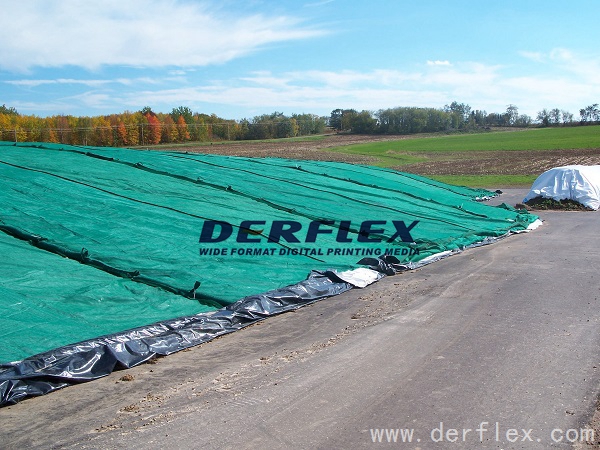
Large-area layouts for temporary storage pads, with panel planning that supports handling, overlap and perimeter securing.
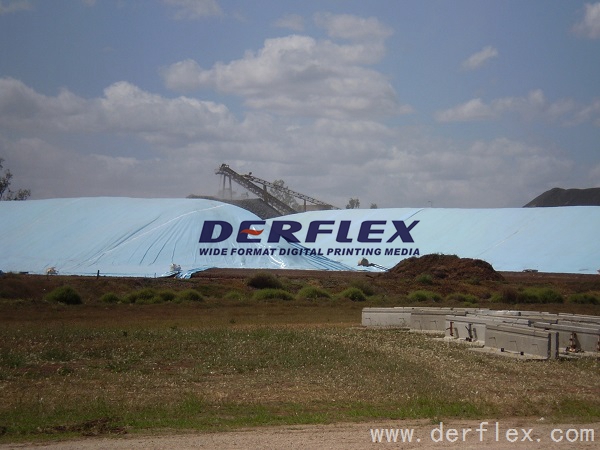
Shaped panels and seam routes can reduce excess folds around the peak and improve the path for rainwater runoff.
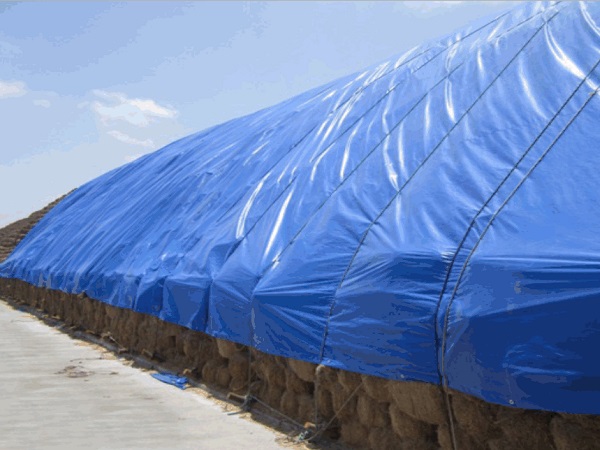
Long rectangular covers for walled areas, ring systems and commodity bunkers, with edge details aligned to the fixing structure.
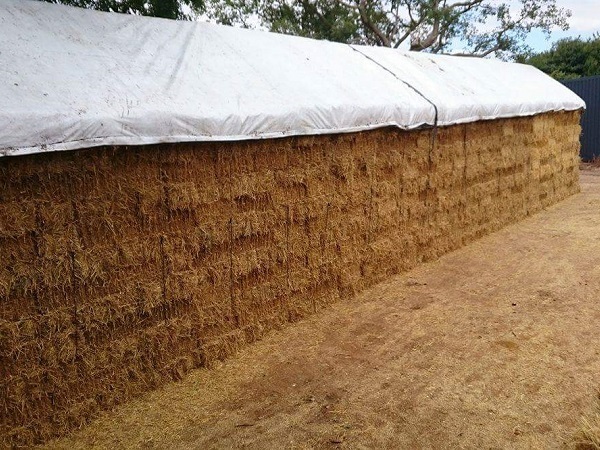
Project-based covers for temporary capacity when permanent bins or buildings cannot accommodate peak-season volume.
The table is a sourcing framework, not a fixed promise. Final values, tolerances and test methods should be written into the approved order specification.
| Product | Grain tarps, grain pile covers, grain bunker covers, custom grain storage tarpaulins |
|---|---|
| Primary Material Route | PVC coated or laminated polyester fabric; reinforced polyethylene direction can be discussed for selected projects |
| Common PVC Weight Direction | Approximately 340gsm, 440gsm, 610gsm and project-specific heavier constructions |
| Reinforced Sheet Direction | Common market references include 6, 8 and 10 mil; actual construction and tolerance confirmed by material data sheet |
| Base Fabric | 200D × 300D, 300D × 500D, 500D × 500D, 1000D × 1000D or custom yarn and density |
| Supply Format | Roll goods, cut panels, one-piece finished covers or multi-panel sectional systems |
| Seam Direction | Hot-air or high-frequency welded seams, sewn construction or project-specific field connection method |
| Edge Options | Hemmed edge, webbing reinforcement, rope-in-hem, eyelets, sleeves, pockets, corner patches and lifting or fixing tabs |
| Performance Options | Waterproof, UV-resistant, anti-mildew, cold-flex, abrasion-resistant and flame-retardant directions subject to agreed grade |
| Color | Green, white, blue, grey, black or custom production color subject to minimum quantity and color confirmation |
| Branding & Packing | Printed mark, labels, folding method, repair kit, carton, bale or pallet packing according to order plan |
| Recommended Inputs | Pile drawing, size, peak height, wind exposure, storage period, installation method, annual order quantity and destination |
Product performance depends on material grade, fabrication, anchoring, installation, weather, maintenance and storage conditions. Request a written technical data sheet for the selected construction.
Custom grain tarps should be defined as a controlled specification that can be repeated across seasons and shipments.
Confirm grain type, pile geometry, expected duration, climate and installation practice.
Select the fabric route, weight, finish and optional performance treatments.
Plan seam direction, panel width, overlaps, connection flaps and edge reinforcement.
Approve color, hand feel, welding behavior, label, packing and critical construction details.
Record the agreed specification for bulk production and future reorder comparison.
Applications range from seasonal farm use to commercial grain handling and distributor programs.
Temporary cover systems for corn, wheat, soybeans, rice, sorghum and similar dry commodities.
Additional outdoor capacity during harvest peaks when permanent storage is occupied.
Long-span covers for ring, wall and bunker layouts with project-specific edge and connection details.
Custom size, color, label and packing programs for farm supply channels and private-label customers.
Check construction, weight, width, surface, color and relevant material properties against the approved specification.
Confirm welding parameters, overlap width, continuity and appearance on representative production samples.
Measure critical dimensions and verify panel numbering, orientation marks and sectional layout.
Review hems, webbing, eyelets, patches, loops, sleeves and other stress-bearing details.
Confirm folding, labels, count and packing method while retaining the approved specification for repeat orders.
The practical choice depends on handling, reuse, fabrication, size and project economics.
| Decision Factor | PVC Coated Polyester Direction | Reinforced PE Direction |
|---|---|---|
| Typical Buyer Priority | Reusable service, weldability, abrasion resistance and stronger finished-cover construction | Lower handling weight, very large seasonal coverage and economical temporary storage |
| Fabrication | Well suited to heat-welded seams, reinforced hems, patches, straps and custom hardware | Often supplied as string-reinforced sheets or large fabricated covers with project-specific seams |
| Handling | Higher weight can improve robustness but must be considered in crew and lifting plans | Lower weight can make very large covers easier to deploy, though puncture and abrasion needs still matter |
| Best Fit | Repeated use, demanding handling, distributor programs and projects needing detailed customization | Seasonal overflow, broad temporary covers and projects prioritizing lightness and coverage area |
| Purchase Advice | Do not select by material name alone. Compare the actual reinforcement, UV package, seam design, edge construction, warranty scope and written test data. | |
Send the pile drawing, dimensions, material preference, exposure period, fixing method, quantity and destination. DERFLEX will review a suitable material and fabrication direction for quotation.
Practical answers for custom sizing, materials, seams, installation and bulk purchasing.
Grain tarps cover outdoor or temporary storage piles, , bunkers and overflow areas to reduce exposure to rain, snow, sunlight, windblown dirt and other environmental conditions. They are commonly used for corn, wheat, soybeans, rice, sorghum, milo and similar dry commodities.
Yes. A conical or irregular pile can be reviewed using diameter, peak height, slope and installation details. The cover may be designed as shaped panels, a one-piece cover or a sectional system depending on size, material, handling weight and field assembly requirements.
DERFLEX can specify waterproof coated or laminated structures and welded seam directions. Final waterproof performance depends on the selected material, seam construction, penetrations, edge treatment, installation and anchoring. The agreed requirement should appear in the technical specification.
PVC coated polyester is commonly selected for reusable heavy duty covers, detailed fabrication and abrasion resistance. Reinforced polyethylene can suit very large temporary covers where lower handling weight is important. The better option depends on storage duration, pile size, crew method, climate, reuse plan and budget.
Do not use only the ground footprint. Include the surface distance over the pile, peak or wall geometry, required ground overlap, seam allowance, anchoring zone and installation tolerance. Send a top-view and side-view drawing so the panel plan can be reviewed before production.
DERFLEX supports bulk roll supply, cut panels and finished cover programs with custom size, color, labels, printed marks and packing. Minimum quantity, sampling, lead time and packaging are confirmed according to material and customization requirements.
Review the weather window, crew and lifting plan, surface hazards, panel orientation, seam or overlap sequence, edge protection, anchor spacing and emergency wind procedure. Large covers should be installed according to a site-specific safety and anchoring plan prepared by responsible project personnel.