News
Industry News

Heavy Duty Tarps for Hot Materials | Temperature Limits & Material Selection

Update:2026/10/1 19:33:14 Views:
Hot Loads · Direct Contact · Radiant Heat · Industrial Covers

Heavy Duty Tarps for Hot Materials: Temperature Limits & Material Selection

The correct tarp for a hot load is selected by the temperature at the tarp surface, heat-transfer mode, exposure duration and finished assembly—not by GSM or “heavy duty” labeling alone.

DERFLEX supplies PVC coated tarpaulin and technical coated fabrics for industrial covers. Standard PVC weather tarps and high-temperature textiles belong to different operating envelopes, so hot asphalt, hot metal, welding, process equipment and radiant-heat applications should be specified separately.

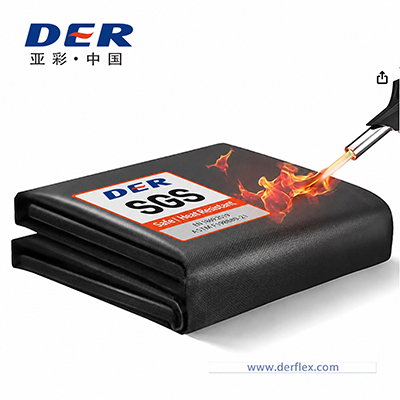
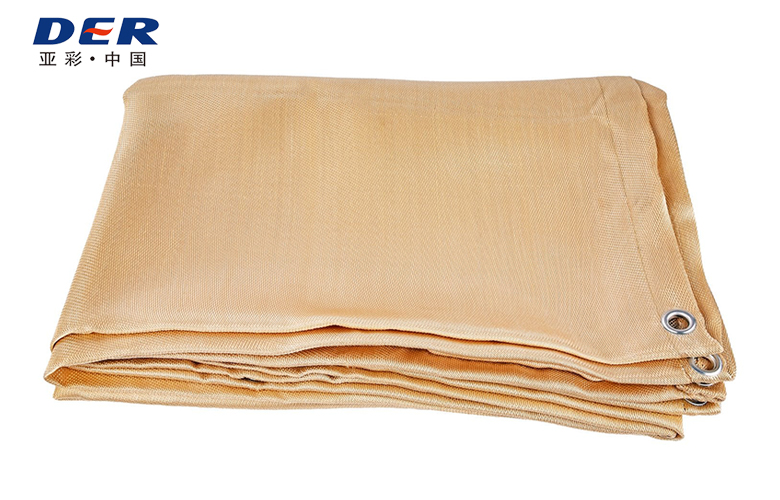
DERFLEX FR silicone coated fiberglass fabric for high temperature tarp and heat protection applications
230–287°C Selected DERFLEX silicone-coated fiberglass constructions are currently discussed around this continuous silicone-surface range. Exact grade confirmation is required.
Standard PVCTypical DERFLEX outdoor direction: about -30°C to +70°C
Hot AsphaltUse a purpose-selected asphalt tarp if direct hot-load contact can occur
Silicone FiberglassSelected DERFLEX grades: about 230–287°C continuous at silicone surface
Extreme HeatEvaluate specialty hot-face fiberglass, mineral-coated or silica textile systems by exact grade
Quick Answer

What tarp should be used over hot materials?

For ordinary outdoor weather exposure, heavy duty PVC-coated polyester can be practical when the actual tarp temperature remains within the approved grade range. DERFLEX currently publishes roughly -30°C to +70°C (-22°F to 158°F) as a common outdoor direction for many PVC tarpaulin grades.

If the tarp can touch hot asphalt, hot steel, heated equipment, slag, sparks or another high-temperature surface, do not extend the standard PVC rating. Move to an application-specific heat-capable tarp or technical textile, and specify maximum direct-contact temperature, continuous versus peak exposure and contact duration.

For higher-temperature flexible covers, selected DERFLEX silicone-coated fiberglass constructions are discussed around 230–287°C (446–549°F) continuous exposure at the silicone surface. Hotter zones may require a different hot-face textile or multi-layer thermal system rather than a single coated sheet.

Temperature Ladder

Start with the real tarp temperature—not the process name

The same “hot material” label can describe a sun-heated outdoor load, hot mix asphalt, a 250°C process surface or welding slag. Those are not interchangeable thermal duties.

≤ 70°C / 158°F

Normal hot-weather / industrial outdoor duty

Heavy duty PVC-coated polyester may be suitable when the exact grade is approved for the actual exposure and there is no uncontrolled direct contact with a hotter process surface.

Confirm UV, surface temperature, ventilation, dark-color heat gain and thermal cycling.
Above typical PVC range

Purpose-selected hot-load tarp

Hot asphalt and similar loads require an application-specific tarp where direct-contact heat capability is verified for the load temperature and haul/contact duration.

Do not approve by “18 oz vinyl” or GSM alone.
230–287°C / 446–549°F

Selected silicone-coated fiberglass grades

DERFLEX currently discusses selected silicone-glass constructions around this continuous silicone-surface range. The fiberglass substrate can tolerate more than the coating, so use the composite rating.

Peak temperature, hot-face direction, chemical exposure, seams and thread remain grade-specific.
Higher / severe hot face

Specialty high-temperature textile system

Evaluate purpose-built fiberglass, mineral-coated fiberglass, silica or multi-layer insulation systems where the hot face exceeds the approved coated-fabric envelope.

Exact material data and finished-system validation are required; do not use a generic internet temperature.
Material Selection Matrix

PVC vs hot-asphalt tarp vs silicone fiberglass vs high-temperature textiles

This matrix is a purchasing framework. The exact continuous and peak temperature of the ordered grade and the completed tarp must be confirmed before use.

Material direction Temperature guidance Where it works well Main advantages Do not assume
Heavy duty PVC-coated polyester Many DERFLEX grades: about -30°C to +70°C outdoor direction Weather covers, truck cargo, equipment, construction, storage, hot climates within grade envelope Waterproof, weldable, reinforced, UV options, easy custom fabrication Not a direct-contact hot-material tarp by default
Application-specific asphalt tarp Project-specific; verify maximum contact temperature and duration Hot mix asphalt transport, paving fleets, dump truck / trailer systems Designed around heat exposure, system geometry, repeated deployment and load coverage A general vinyl dump tarp is not automatically asphalt-contact capable
Silicone-coated fiberglass Selected DERFLEX constructions: approx. 230–287°C continuous at silicone surface Industrial thermal covers, hot-work shields, removable insulation outer shells, selected blankets Flexible glass reinforcement plus moisture/oil/abrasion support from silicone coating Do not copy the higher bare-fiberglass rating onto the coated composite
Uncoated / treated fiberglass Exact grade and treatment required Hot-face layers, welding barriers, insulation systems, spark protection Higher-temperature textile direction without a low-temperature polymer coating on the hot face Not automatically waterproof, abrasion-proof or suitable for molten metal
High-silica / mineral-coated high-temperature textile Exact product data required; used for hotter zones than ordinary coated tarps Heavy welding, heat treatment, foundry / furnace shielding, severe radiant heat Higher thermal capability and hot-particle resistance in purpose-designed grades Headline fiber temperature is not the rating of every finished tarp assembly
Multi-layer thermal cover System rating depends on hot face + insulation + outer shell + seams + fasteners Hot valves, pipes, exhausts, turbines, machinery and process equipment Separates hot-face protection from insulation and weather/handling functions Outer-shell fabric rating alone does not define the whole cover
Engineering boundary: These temperatures are material-selection directions, not universal guarantees. Final suitability depends on the exact material grade, heat source, contact pressure, exposure duration, chemical environment, fabrication and complete finished assembly.
Heat Transfer

Four heat modes create four different tarp problems

A buyer who only states “200°C” has not yet provided enough information. The way heat reaches the cover can change the material decision even at the same nominal temperature.

R

Radiant Heat

Heat travels from a furnace, hot metal, exhaust or other source without direct contact. Distance, view angle, reflectivity and airflow change the tarp surface temperature.

C

Conductive Contact

The tarp touches hot asphalt, steel, pipe or equipment. Contact pressure, dwell time and local hot spots make this more demanding than ambient air exposure.

A

Hot Air / Convection

Heated air, process gas or steam moves around the cover. Airflow can raise the entire fabric temperature and accelerate coating aging or heat leakage through seams.

S

Sparks / Slag / Droplets

Welding sparks and molten particles create localized impact temperatures and burn-through risk. Continuous temperature alone does not describe this hazard.

Interactive Pre-Screen

Pre-screen a hot-material tarp requirement

This tool does not approve a final material. It helps procurement teams decide which material family should be investigated before requesting samples or technical data.

Always send the exact temperature, duration, direct-contact possibility, chemical exposure, required test route and finished dimensions to DERFLEX for project confirmation.

Starting direction: specialist heat-capable material review

At 120°C, a standard PVC tarp should not be automatically extended beyond its published normal outdoor range. Review a project-specific hot-load material.

  • Confirm direct-contact versus radiant exposure.
  • State continuous and peak temperature separately.
  • Check seams, thread, webbing, grommets and edge construction.
System Design

The finished tarp is limited by its weakest hot component

High-temperature fabric is only one part of the assembly. A tarp can fail at thread, seam transitions, edge binding, webbing, adhesive, hook-and-loop, grommets or reinforced pockets before the center fabric reaches its advertised textile limit.

Heat Source
Hot asphalt, steel, pipe, exhaust, furnace radiation, welding sparks, slag or heated process gas.
Hot-Face Layer
The layer that sees the highest local temperature. This may require a different textile from the outer weather shell.
Insulation / Air Gap
Optional thermal layer or spacing used when the goal is to reduce heat transfer, not merely survive temperature.
Outer Shell
Chosen for handling, abrasion, oil/moisture exposure, weather and repeated installation/removal.
Seams & Hardware
Thread, binding, closures, webbing, D-rings, grommets and pockets must survive their own thermal zone and mechanical cycle.

Why “fire-retardant tarp” is not enough

Flame retardancy describes behavior in a defined ignition/flame test. Heat resistance describes useful material performance while exposed to elevated temperature. Welding-spatter resistance adds another localized burn-through requirement.

A tarp can pass an FR test and still be unsuitable for continuous contact with a hot process surface. Conversely, a high-temperature textile can still transmit enough heat to damage what it is covering if insulation is not part of the system.

Real DERFLEX Image Pack

Materials, finished tarps and hot-work context

These images are currently hosted on DERFLEX.com and are used to give buyers clear material and application context. Final project material must still be confirmed for the actual heat requirement.

Application Decision Table

Match hot-load applications to the failure mode first

Hot-material tarp procurement is more reliable when the application is translated into heat mode, contact risk, handling cycle and cover geometry.

Hot Mix Asphalt

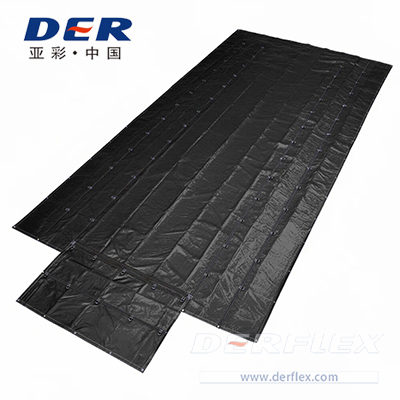
Priority: verified heat capability, direct-contact risk, heat retention, tarp-system pockets and daily roll cycles. A standard vinyl truck tarp should not be assumed suitable.

Hot Steel / Metal Products

Priority: actual metal surface temperature, sharp edges, contact dwell time, oil/scale contamination and abrasion. Use standoff or a heat-capable hot-face textile when required.

Foundry & Furnace Maintenance

Priority: radiant heat, sparks, slag and localized extreme hot spots. Specialty fiberglass / mineral-coated / silica directions may be more appropriate than polymer-coated weather tarps.

Welding & Cutting

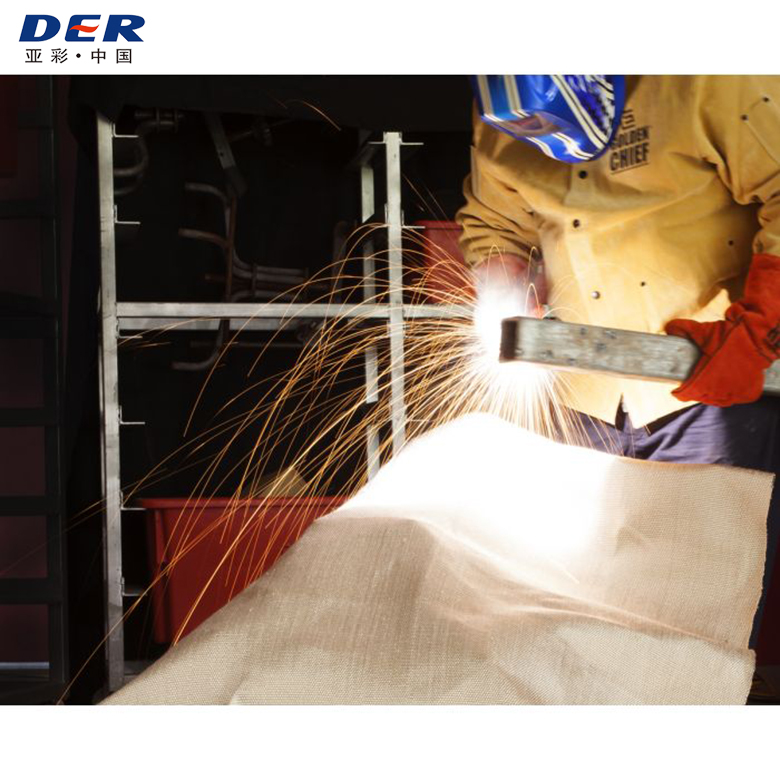
Priority: sparks, molten spatter, orientation and burn-through resistance. Welding blankets and curtains should be selected to the exact hot-work hazard and relevant test route.

Hot Pipes & Process Equipment

Priority: direct surface temperature, required heat-loss control, maintenance access, oil/steam exposure and whether a multi-layer removable thermal cover is needed.

Hot Outdoor Equipment

Priority: distinguish solar/ambient heat from process heat. PVC may remain suitable within the grade envelope, but direct contact with a hotter machine surface changes the material class.

Common Procurement Mistakes

Six specification errors that cause heat-related tarp failure

Most costly failures begin before production—with the wrong temperature definition or an incomplete RFQ.

Buying by GSM only

Weight can improve durability, but GSM does not establish temperature resistance. A heavier PVC sheet is still a PVC sheet unless the heat capability is separately verified.

Using process temperature as fabric temperature

A furnace, pipe or asphalt mix can be much hotter than a suspended tarp layer—or exactly as hot when direct contact occurs. State both values when known.

Confusing FR with high temperature

Flame-spread performance does not automatically qualify a tarp for prolonged hot-surface contact, welding slag or molten-metal splash.

Using a peak rating as continuous service

A short excursion number should never be treated as an all-day working temperature unless the exact technical data says so.

Ignoring seams and closures

Thread, binding, webbing, adhesives and hardware can become the lowest-temperature component even when the center fabric survives.

Skipping direct-contact analysis

A tarp held 150 mm above a hot load is not experiencing the same duty as a tarp sagging onto the material. Specify worst credible geometry.

B2B Procurement Guide

What DERFLEX needs before recommending a hot-material , tarp

A useful quotation starts with the thermal duty and the finished cover design, not only the requested size.

Send these RFQ inputs

  • Material or equipment being covered
  • Maximum temperature at the actual tarp / cover layer
  • Normal continuous temperature and short peak temperature
  • Peak duration and cycle frequency
  • Direct contact, radiant heat, hot air, sparks or mixed exposure
  • Indoor / outdoor use, wind, rain and UV exposure
  • Oil, steam, solvent, chemical or cleaning exposure
  • Finished width, length, shape, drawing or photos
  • Required hems, webbing, pockets, grommets, D-rings, straps or closures
  • Required test method or customer specification, if applicable
  • Quantity, packaging and destination market

Why work from a specification

  • DERFLEX can compare standard PVC tarpaulin with specialty coated-fiberglass directions instead of forcing every hot application into one material family.
  • Material form can be discussed together with fabrication: roll goods, cut panels, blankets, reinforced tarp covers or project-specific converted components.
  • Heat, abrasion, waterproofing, UV, oil exposure and mechanical reinforcement can be reviewed as one operating system.
  • Where a numeric temperature, certification, MOQ or lead time cannot be verified for the exact grade, it should remain project-specific rather than being invented.
Buyer Questions

Frequently asked questions about tarps for hot materials

Direct answers for procurement managers, fleet buyers, fabricators, plant maintenance teams and industrial distributors.

Can a standard heavy duty PVC tarp cover hot material?

Only when the actual tarp temperature stays within the approved grade range and the application does not introduce unverified direct hot-surface contact. DERFLEX commonly publishes about -30°C to +70°C as a typical outdoor direction for many PVC tarpaulin grades. For hotter loads or direct contact, use a purpose-selected heat-capable material.

What is the best tarp material for hot asphalt?

Use an application-specific asphalt truck tarp selected for the maximum expected contact temperature, direct-contact probability, haul time, tarp-system geometry and repeated deployment cycle. Do not assume that an ordinary solid vinyl or PVC dump tarp is safe for direct hot-mix contact.

What temperature can silicone-coated fiberglass fabric withstand?

There is no universal number for every grade. DERFLEX currently discusses selected silicone-coated fiberglass constructions around approximately 230–287°C (446–549°F) for continuous exposure at the silicone surface. Peak temperature and finished-cover suitability must be confirmed separately.

Is a flame-retardant tarp the same as a heat-resistant tarp?

No. Flame retardancy describes behavior in a defined flame or ignition test. Heat resistance describes performance while exposed to elevated temperature. A flame-retardant tarp can still be unsuitable for prolonged direct contact with hot metal, asphalt or process equipment.

Does a heavier GSM tarp withstand more heat?

Not necessarily. GSM measures mass per area and can influence handling, abrasion resistance and durability, but temperature capability is controlled by material chemistry, coating, substrate, treatment, exposure time and the complete assembly. Never use GSM as a substitute for a temperature rating.

Can a tarp touch a hot pipe or hot machine?

Only when the exact finished cover and all exposed components are approved for the direct-contact temperature. For high-temperature equipment, a multi-layer removable thermal cover may be more appropriate than a single tarp sheet.

What temperature should I send in a tarp RFQ?

Provide the normal continuous temperature at the tarp layer, the maximum short peak temperature, peak duration, frequency, direct-contact possibility and the temperature of the covered process or load if different. Also include sparks, slag, chemicals, oil, steam, weather and required test standards.

Can one tarp handle weather, oil and high heat at the same time?

Sometimes, but the specification must be built around all three requirements. Silicone-coated fiberglass can provide useful heat, oil and moisture resistance within the approved grade envelope, while more severe hot-face conditions may require a layered design that separates the high-temperature inner layer from the weather-resistant outer shell.

Send the temperature before you send the tarp size

For hot-material projects, DERFLEX should first understand the thermal duty, contact condition and operating cycle. Then the material family, finished construction and reinforcement can be discussed around the real application.

  • Continuous + peak temperature
  • Direct contact vs radiant heat
  • Hot material / equipment type
  • Finished dimensions or drawing
  • Reinforcement / hardware layout
  • Quantity, test requirement & destination
Consulting Services
+86-021-54361792 / 54361798
Email
sales@derflex.com