1
Finished Weight
Evaluate the mass of each finished tarp section, not only oz/GSM. Size and drop depth can add more handling burden than a small change in material weight.



Custom hotshot tarps for gooseneck and flatbed hauling, developed around cargo profile, driver handling weight, side drop, tie-down layout and repeat-use durability.
Quick answer: a hot shot truck tarp is a flatbed cargo cover sized and configured for hotshot or gooseneck hauling. The best design balances waterproof protection and reinforcement with a manageable tarp weight, using the correct drop depth, D-ring rows, edge protection and modular coverage for the loads you actually carry.
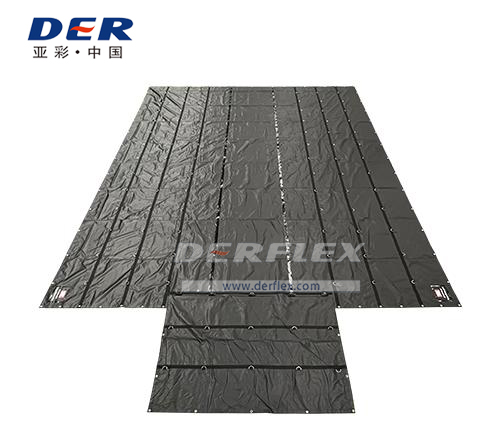
A good hot shot tarp protects open-deck freight without forcing the driver to handle more material than the load requires. It should match the cargo height and trailer width, use a material duty level appropriate to route exposure, place D-rings or grommets where tension is actually needed, and reinforce the contact zones that see repeated abrasion.
For B2B programs, repeatability matters as much as the first tarp: finished dimensions, hardware map, fabric construction, color, labels and packaging should be documented so replacement sets match the approved specification.
Hot shot truck tarps are protective flatbed tarps used on hotshot, gooseneck and other open-deck hauling setups where cargo is exposed to rain, road spray, sun, dust and wind-driven debris. They may be steel-style short-drop tarps, lumber-style deeper-drop tarps, machinery covers or modular multi-piece sets.
The defining procurement problem is not the word “hotshot.” It is the need to cover variable freight while keeping deployment, folding and storage practical for the driver. That is why a hotshot tarp program often needs more attention to finished weight, section size, side drop and hardware spacing than a generic rectangular cover.
For broader vehicle and cargo configurations, see DERFLEX flatbed tarps and the main truck tarps manufacturer page.
Do not choose the tarp by trailer length alone. Send the loaded cargo width, length and height, the required side drop, where the tarp must overlap, and the tie-down points the driver will actually use.
That information allows DERFLEX to review whether the job needs one compact tarp, a front/rear pair, a modular set, or different tarp types for different freight profiles.
The selection logic below is designed for procurement discussions. Final material, size and reinforcement should be confirmed against the actual route, cargo and operating method.
| Hotshot Load Type | Recommended Tarp Direction | Handling Priority | Key Design Checks |
|---|---|---|---|
| Low-profile steel, plate, coils or compact freight | Short-drop steel-style tarp; lighter or heavy-duty PVC construction depending on abrasion | Keep excess material low | Sharp edges, corner pads, short drops, perimeter D-rings, windward reinforcement |
| Lumber, wallboard, pallets or taller rectangular loads | Lumber-style tarp with deeper drop and end / tail flap | Balance full coverage with lifting weight | Drop depth, flap geometry, multiple D-ring rows, top-panel abrasion |
| Machinery or irregular industrial equipment | Custom machinery tarp or modular cover sections | Avoid oversized loose panels | Protrusions, wear patches, shaped corners, tie-down access, drainage paths |
| Mixed freight with frequent load changes | Modular hotshot tarp set using complementary short- and medium-drop covers | Flexible daily handling | Overlap strategy, labeled pieces, repeatable hardware rows, storage footprint |
| Long-haul / high-frequency outdoor work | Heavier-duty PVC coated polyester with reinforced edge and wear zones | Service durability over minimum weight | UV exposure, cold flexibility, seam method, abrasion zones, repeat tie-down cycles |
| Driver-handling priority / lower lifting burden | Weight-reduced body or multi-piece configuration, subject to performance review | Lower per-piece handling mass | Do not remove reinforcement from stress zones simply to save weight |
For deeper-drop construction and tall materials, compare DERFLEX lumber tarps. For compact steel and low-profile industrial loads, compare steel tarps.
A hotshot tarp can be easier to deploy and still be engineered for serious road use. The key is to remove unnecessary material or divide coverage intelligently, not simply make every part of the tarp thinner.
A tarp with an 8 ft drop on a load that only needs 4 ft creates extra fabric to lift, fold and tension. Match the finished drop to the real cargo envelope.
Two smaller tarps can be easier to handle than one oversized cover. A modular set also lets drivers use only the pieces needed for a particular load.
Maintain stronger webbing, D-ring backing, perimeter hems and wear patches where forces concentrate, even when the body construction is selected for lower handling weight.
Use this table as an RFQ framework. It is intentionally flexible because the final tarp should match the trailer, cargo and working cycle rather than a single stock SKU.
| Specification Area | Available / Typical Direction | What the Buyer Should Confirm |
|---|---|---|
| Product type | Hotshot steel tarp, hotshot lumber tarp, machinery tarp, general flatbed tarp, modular tarp set | Primary freight profile and whether one tarp must serve multiple load types |
| Material | PVC coated polyester / vinyl coated polyester; selected weight-reduced structures can be reviewed | Waterproofing, abrasion, outdoor exposure, folding frequency and target handling weight |
| Weight | Approx. 14 oz, 16 oz, 18 oz, 22 oz or custom GSM/oz structure; DERFLEX truck programs also use custom GSM ranges | Compare material weight with base fabric, coating, reinforcement and the finished tarp size |
| Finished dimensions | Custom length, width, side drop, flap, overlap and section plan | State finished size, not only cut size; provide a load sketch when possible |
| Seam method | Hot-air / hot-wedge / HF welding, sewing or combined fabrication according to structure | Required water protection, seam load direction and repair expectations |
| Edge reinforcement | Webbing hem, double-layer edge, rope hem, corner patch, wear strip | Windward edges, cargo contact points and repeated tie-down zones |
| Hardware | D-rings, grommets, loops, straps, rope or project-specific attachments | Number of rows, spacing, orientation and the real anchor system used by the driver |
| Performance options | Waterproof, UV-resistant, cold-flexible, anti-mildew, flame-retardant or project-defined options | State test requirements before sampling when compliance is required |
| Branding & packing | Custom color, printed logo, part number, orientation mark, label and private-label packing | Artwork, color standard, package count and replacement-set identification |
| Supply format | Coated fabric rolls, conversion-ready panels, semi-finished parts or finished hotshot tarps | Choose the format that matches your local conversion, distribution or fleet model |
These points are especially important when the buyer wants a lightweight heavy duty flatbed tarp rather than simply the thickest available vinyl sheet.
Evaluate the mass of each finished tarp section, not only oz/GSM. Size and drop depth can add more handling burden than a small change in material weight.
The front-facing edge sees repeated aerodynamic loading. Reinforce the perimeter and avoid loose material that can flap excessively at highway speed.
D-rings are useful only when the ring, webbing, backing patch and surrounding fabric transfer tension as one reinforced system. See DERFLEX tarp with D-rings guidance for fastening design.
Steel corners, machinery brackets and rough building materials can damage even heavy vinyl. Mark contact zones before cutting and add wear patches or use separate edge protectors.
Waterproof fabric alone does not guarantee a dry load. Seam direction, overlap, flap design, tension and drainage determine whether water can enter or pool.
For distributors and fleets, freeze approved finished dimensions, D-ring spacing, flap orientation, material code, color and labels so future replacement tarps are consistent.
These are practical specification directions, not fixed retail SKUs.
Priority: compact coverage, abrasion resistance and reinforced contact points.
Direction: short-drop steel tarp or shaped coil cover where appropriate.
Priority: deeper side protection and front/rear coverage.
Direction: lumber tarp with planned drop, flap and multiple attachment rows.
Priority: irregular geometry, protrusions and wear mapping.
Direction: custom or modular tarp with localized reinforcement.
Priority: adaptability and driver handling.
Direction: complementary tarp set rather than one oversized universal cover.
When a standard tarp cannot match the trailer, load or hardware pattern, DERFLEX can develop custom truck tarps from a drawing, approved sample or finished-size specification.
Ready-stock tarps are useful when a driver needs an immediate replacement. Manufacturer-oriented sourcing is more useful when a distributor, fleet, tarp converter or OEM brand needs the same dimensions, attachment map and material construction across repeat orders.
DERFLEX can discuss roll goods, conversion-ready panels, semi-finished components or finished flatbed truck tarps. This allows buyers to match the supply format to their own production and distribution model rather than purchasing only a retail SKU.
These are real images hosted on DERFLEX. They show the related flatbed / truck tarp construction and manufacturing context without claiming a fabricated hotshot project.
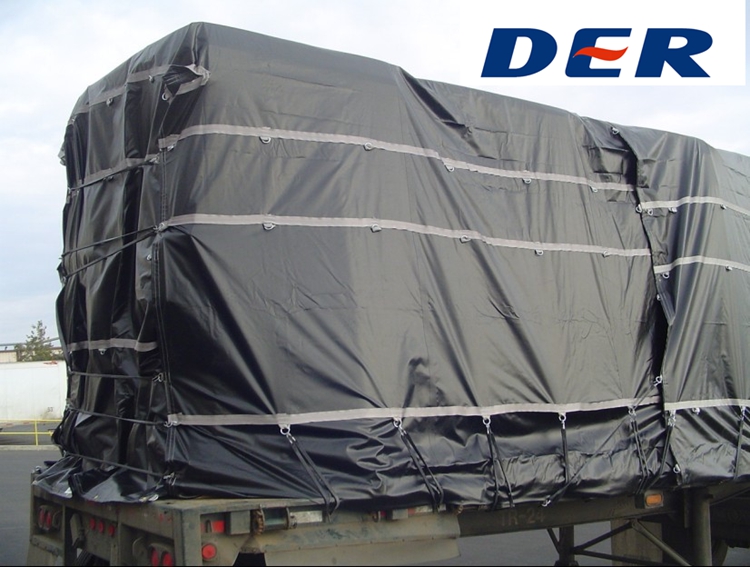
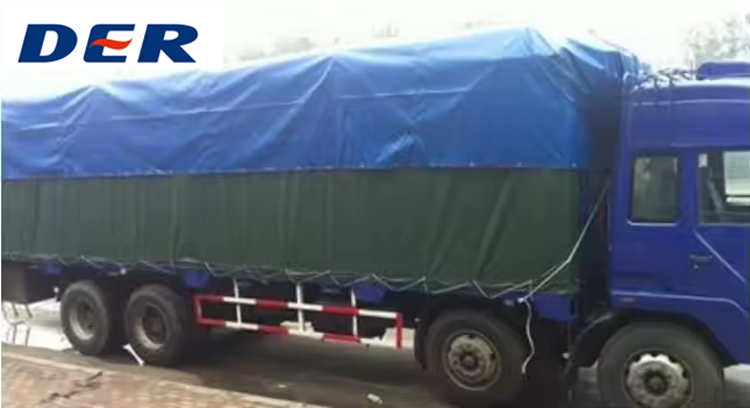
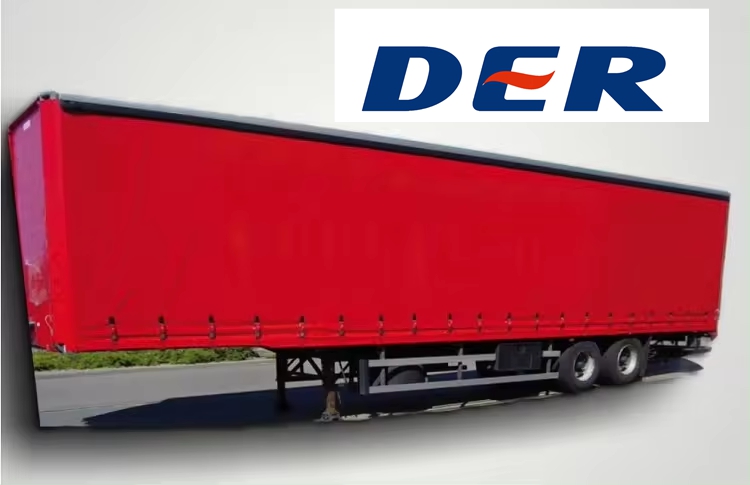
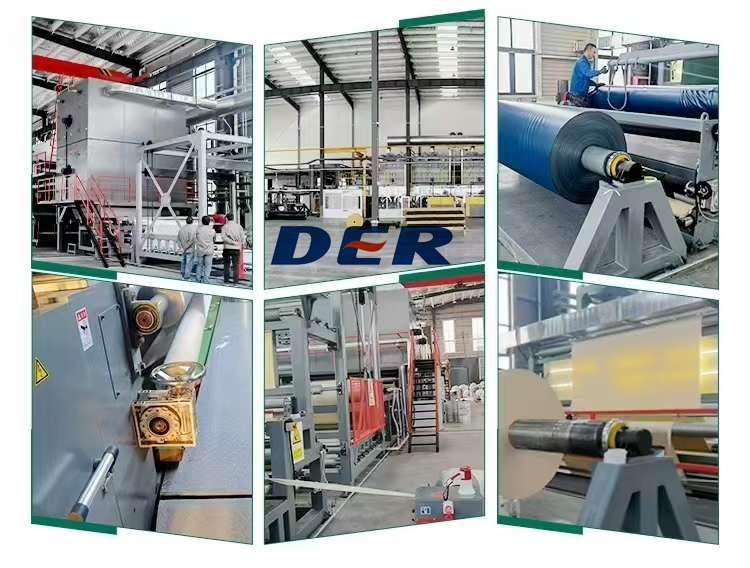
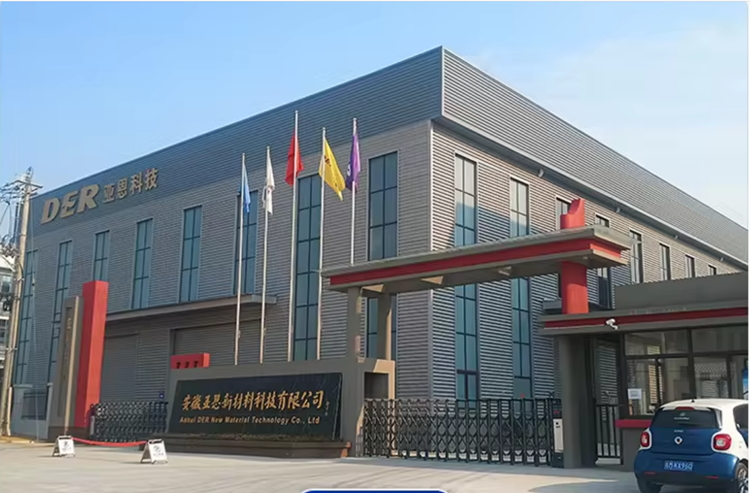
A useful RFQ gives the manufacturer enough information to control coverage, handling and repeatability.
Compare the complete construction: base fabric, coating, reinforcement, seam method and finished tarp mass.
Excess fabric adds handling burden, increases loose folds and can make tensioning less consistent.
Attachment rows should match actual cargo height and the bungee / strap reach used by the driver.
Heavy vinyl can still abrade or puncture. Reinforcement and edge protection should be planned before production.
Seams, overlaps, flaps, tension and drainage determine whether water is directed away from the load.
Record finished dimensions, hardware layout, material, labels and packaging so replacement tarps remain consistent.
Use these verified DERFLEX pages to compare adjacent tarp types and custom manufacturing routes.
Direct answers for Featured Snippet, People Also Ask and AI search understanding.
The best tarp depends on the load profile. Low steel and machinery loads usually need a shorter-drop flatbed tarp; lumber, wallboard and taller loads need deeper drops and flaps. For mixed freight, a modular set can be more practical than one oversized tarp. Material weight should be balanced against abrasion, weather exposure and driver handling.
They can be, if weight is reduced intelligently. A durable lightweight design keeps reinforcement at D-rings, hems, corners and wear zones while controlling unnecessary drop depth, panel size and excess fabric. The finished construction matters more than a single ounce rating.
A hotshot tarp is still a flatbed cargo tarp, but the design is typically selected around smaller or more variable open-deck loads and driver handling. Hotshot operators may benefit from shorter sections, modular tarp sets and load-specific drops instead of full-size covers intended for larger trailer programs.
Use lumber-style tarps when the load is taller and needs deeper side coverage or an end flap. Use steel-style tarps for lower-profile cargo where a shorter drop reduces excess material. Many hotshot programs use more than one tarp type because freight changes from load to load.
Measure the actual coverage path over the loaded cargo, then define the required side drop, front/rear flap, overlap and tie-down positions. State the finished tarp size and provide a side/rear sketch when the cargo is irregular. Do not rely only on the trailer's nominal length.
There is no universal best weight. DERFLEX flatbed programs can be discussed across multiple oz/GSM directions, with heavier structures favored for severe abrasion and long-term outdoor use and lighter structures considered when driver handling is a priority. Final selection should compare base fabric, coating, reinforcement and finished tarp mass.
D-ring rows and spacing should match cargo height, the driver's bungee or strap reach and the real anchor locations on the trailer. Deep-drop tarps may need multiple working rows. The D-ring should be tied into reinforced webbing or backing so the pull is distributed into the tarp.
DERFLEX can discuss custom size, material direction, color, logo, labels, D-ring layout, grommets, reinforcement and packing for B2B tarp programs. MOQ, sampling, lead time and any test requirements should be confirmed for the actual specification rather than assumed from a generic product page.
Send DERFLEX the trailer type, loaded cargo dimensions, required side drop, material direction, target handling weight, D-ring / grommet layout, reinforcement zones, color, quantity and destination. The team can review a practical lightweight or heavy-duty hot shot truck tarp direction for sampling or B2B production.