1
Identify the Cargo Profile
Record what is normally hauled, the maximum loaded length, width and height, and whether the shape is tall and rectangular, low and dense, or irregular. The load profile determines the tarp family.



The best tarp for a flatbed trailer is the one that fits the loaded cargo profile, gives the required weather coverage, survives the real abrasion and wind zones, and remains practical for the driver to handle. Lumber, steel, machinery and general freight should not automatically use the same tarp geometry.
Use this guide to compare tarp type, side drop, PVC/vinyl construction, finished weight, D-ring layout, reinforcement, route climate and OEM purchasing requirements before requesting a quotation.
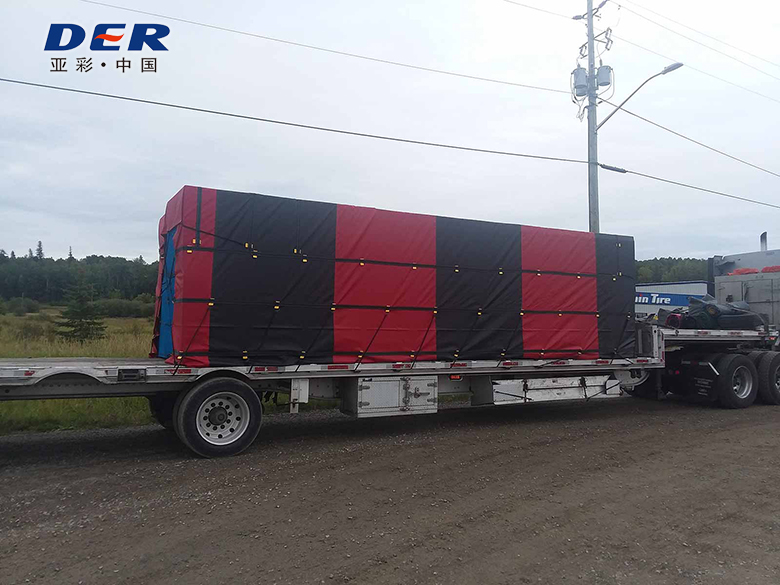
Tall freight needs deeper side coverage; lower steel or machinery loads often benefit from a shorter, tighter tarp with targeted wear protection.
For weather-sensitive flatbed freight, a solid PVC/vinyl coated polyester tarp is a practical general direction because it can provide a durable weather barrier, reinforced fabrication and repeat-use handling. The tarp style should then be matched to the cargo geometry.
Choose a lumber tarp for taller rectangular loads that need deep side drops and often a rear flap; a steel tarp for lower, denser loads where excess material adds weight; a machinery or custom tarp for irregular equipment; and a lightweight or mixed-material construction when driver handling is a major operating constraint and the service condition allows it.
The final decision should compare six variables together: cargo shape, required drop, waterproofing, abrasion risk, finished tarp weight and tie-down / reinforcement layout. Do not buy on “18 oz” or GSM alone.
Use cargo height and shape first. Material weight and accessories come after the load profile, not before it.
| Cargo / Operating Condition | Good Starting Tarp Type | Coverage Priority | Construction Priority | Procurement Note |
|---|---|---|---|---|
| Lumber, plywood, wallboard, tall palletized freight | Lumber tarp | Deep side drops, top coverage, rear closure | Multiple D-ring rows, strong hems, wear patches | Confirm loaded height and flap geometry before selecting a standard size. |
| Steel plate, coils, pipe, rebar, cable | Steel tarp / short-drop flatbed tarp | Compact coverage without unnecessary hanging material | Abrasion control, edge protection, reinforced contact zones | Sharp edges can destroy a heavy tarp if contact points are not protected. |
| Machinery, fabricated equipment, irregular shapes | Custom machinery tarp | Fit around high points, protrusions and uneven geometry | Localized patches, webbing, planned tie-down access | A sketch or load photos often produce a better specification than a generic stock size. |
| Mixed freight across changing routes | Modular flatbed tarp set | Flexible overlap and reusable combinations | Repeatable hardware rows, manageable panel weight | Standardize a small family of approved tarp sizes instead of one oversized cover. |
| Frequent manual deployment | Lightweight / mixed-weight construction | Enough protection without excessive lifting mass | Keep heavier reinforcement in wear zones | Finished tarp weight matters more than nominal fabric weight alone. |
| Long-haul rain, road spray and UV exposure | Solid PVC/vinyl coated polyester | Continuous weather barrier and secure overlap | Coating durability, seam quality, UV/cold suitability as required | Discuss route climate and service frequency before approving the material. |
| Sliding / retractable flatbed cover | System-matched sliding tarp | Movement with the frame and controlled closure | Repeated flexing, pull zones, pockets, weldability | Use the system drawing or an approved replacement cover as the dimensional reference. |
This sequence is designed for drivers, fleet buyers, distributors, tarp converters and OEM procurement teams.
Record what is normally hauled, the maximum loaded length, width and height, and whether the shape is tall and rectangular, low and dense, or irregular. The load profile determines the tarp family.
If the cargo must stay dry, start with a solid waterproof-cover direction rather than mesh. If airflow or loose-load containment is the primary need, a different tarp system may be more appropriate.
Measure from the top of the loaded cargo down to the coverage point on both sides. Extra drop adds weight and wind-exposed material; too little drop leaves freight exposed.
Heavy-duty PVC/vinyl is common for repeated flatbed use, but a heavier fabric is not automatically the better purchase. Compare abrasion, route conditions, service frequency and the driver’s lifting / folding cycle.
Mark steel edges, cargo corners, top ridges, fold lines, front windward areas and repeated rub points. Use edge protection and targeted reinforcement where the tarp actually fails.
Hardware is part of the structure. Tie-down rows should work across real load heights, and reinforcement beneath D-rings or high-tension areas should distribute force into the tarp body.
For fleet, distributor or private-label purchasing, document finished dimensions, material code, reinforcement zones, hardware spacing, color, label and packing after sample approval so replacements can be reordered consistently.
Stock retail tarps are practical for immediate standard replacements. Manufacturer-direct supply is more suitable when dimensions, hardware, material, branding or repeat procurement need to be controlled.
The names describe common hauling patterns, but the real difference is coverage geometry and working stress.
Best starting point for taller, box-shaped loads that need deeper side coverage and often a rear flap.
Check: side drop, flap dimensions, D-ring rows, finished weight, corner wear and overlap between tarp sections.
Explore DERFLEX lumber tarps →Best starting point for lower-profile metal and industrial freight where extra drop is not needed and abrasion risk is high.
Check: edge protection, contact-zone reinforcement, short-drop fit, D-ring layout and compact handling.
Compare DERFLEX steel tarps →Useful for equipment and irregular freight where high points, protrusions or access requirements make a standard rectangular tarp inefficient.
Check: load sketch, high points, removable sections, wear patches, tie-down access and approved replacement geometry.
Review custom flatbed tarp options →18 oz PVC/vinyl coated polyester is a common heavy-duty market direction, but it should be evaluated against the full finished tarp—not treated as a universal answer.
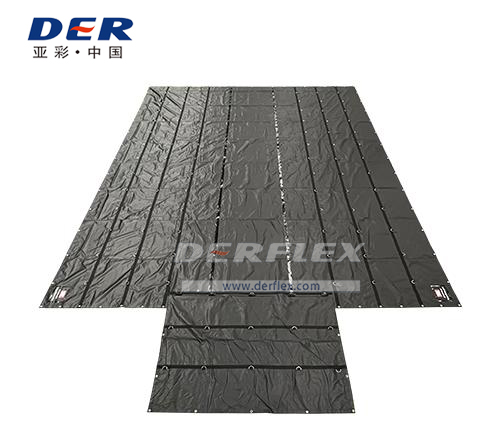
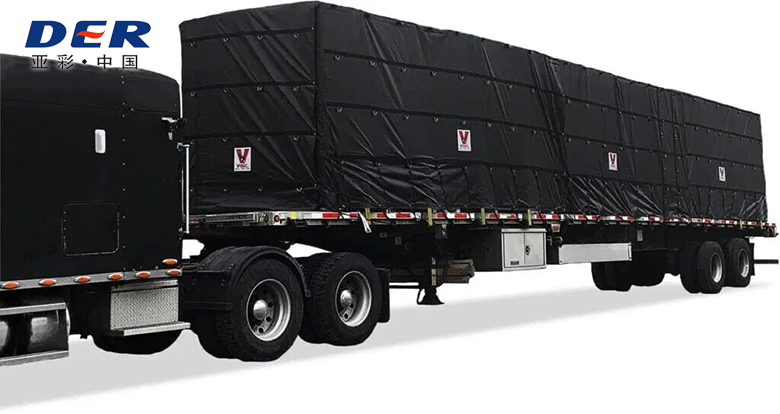
Measure the loaded cargo envelope, then add only the side coverage, end coverage and overlap your covering method actually needs.
Tarp width ≈ loaded cargo width + (2 × desired side drop) + any required handling / overlap allowance
For irregular loads, measure the highest and widest working profile rather than using the nominal trailer deck dimensions.
For a dedicated product-size and custom fabrication discussion, see DERFLEX flatbed tarps and the broader truck tarp product hub.
Most early failures start with a mismatch between the working condition and the finished specification.
Weight does not describe yarn structure, coating balance, seam construction, wear patches or hardware reinforcement.
The deck size does not tell you the real side drop, rear closure, high points or overlap needed after loading.
Extra drop on low steel loads increases finished weight, loose material and handling effort without improving protection.
A heavy tarp can still fail quickly when steel corners, pipe ends or machinery protrusions create concentrated abrasion.
D-rings and grommets create concentrated load paths. Their placement and reinforcement should be engineered with the tarp layout.
Cold weather, UV exposure and repeated folding can change material behavior. State the route climate during specification review.
A tarp is primarily a protective cover. Cargo still needs the tiedowns, blocking, bracing or other securement required for the vehicle and commodity.
For repeat buying, document the final dimensions, reinforcement map, material, hardware spacing, label and packing after the first approved sample.
A flatbed tarp rarely wears evenly. Durability improves when reinforcement follows the real stress map instead of simply adding more fabric everywhere.
Do not use tarp coverage as a substitute for a proper cargo-securement system. For U.S. interstate commercial vehicle operations, FMCSA cargo securement rules require cargo to be contained, immobilized or secured with appropriate systems.
Flatbed tarp selection should therefore be treated as a cargo-protection decision coordinated with—not replacing—the required tiedowns, blocking, bracing, edge protection and commodity-specific securement practices.
Real DERFLEX website images are used to show full-coverage, compact-load and manufacturing contexts without repeating the hero image.
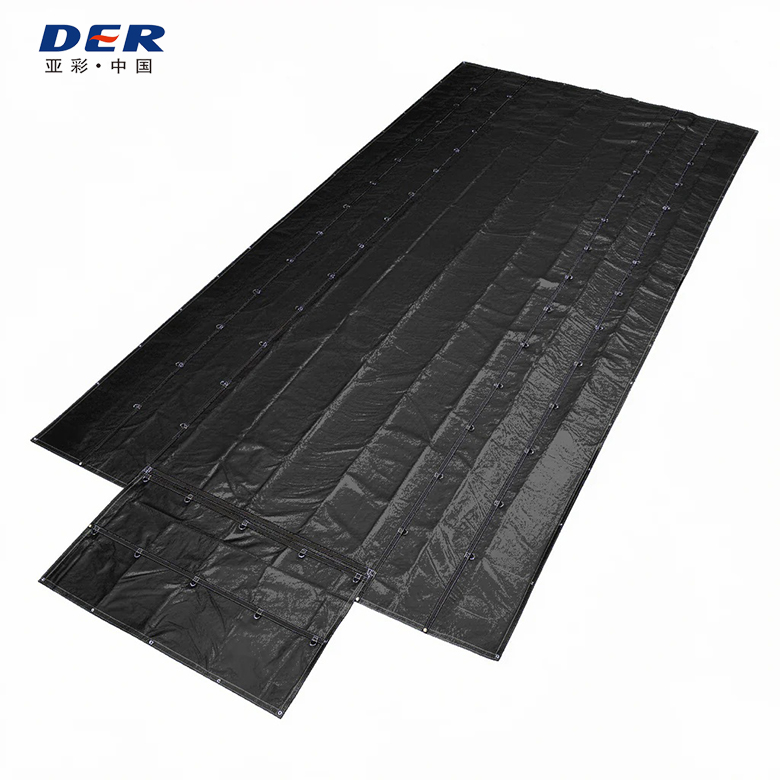
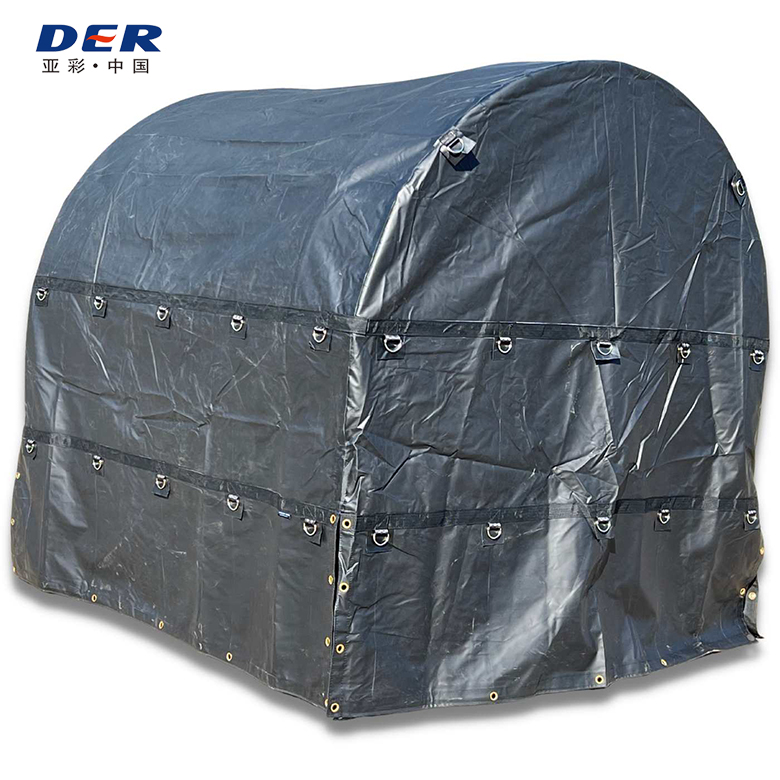
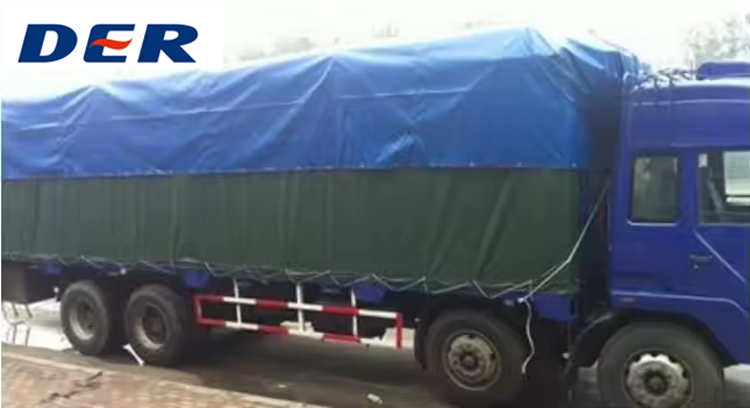
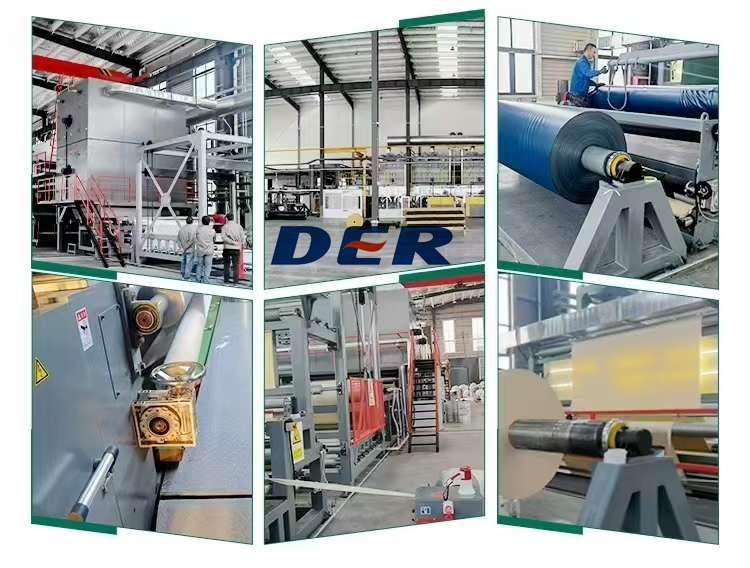
A strong roll material can still underperform when the finished tarp uses the wrong drop, reinforcement map, seam placement or hardware layout. For OEM and distributor programs, the approved material code should therefore be linked to the finished drawing or sample.
DERFLEX can discuss PVC coated fabric rolls, cut panels, semi-finished components and finished tarp supply for buyers who need different levels of conversion.
For roll-material selection and fabrication context, review PVC tarpaulin for truck covers.
A better RFQ reduces dimension assumptions and makes supplier quotations easier to compare on the same technical basis.
Flatbed, step deck, hotshot or other trailer type; normal cargo; maximum loaded length, width and height; photos of typical loads.
Target tarp length and width, side drop, front/rear coverage, flap size, overlap between sections and any cutouts or shaped areas.
Preferred PVC/vinyl weight if known, current sample, target handling priority, climate, waterproof requirement and known abrasion problems.
D-ring rows and spacing, grommet spacing, webbing, rope hems, straps, pockets and any attachment points that must align with the trailer.
Sharp edges, corners, top ridges, windward areas, fold lines and repeated rub points that need localized reinforcement or edge protection.
Order quantity, supply format, color, logo, labels, packing, destination market and whether the order is a one-time project or repeat OEM / distributor program.
Both buying models are useful; the better route depends on how much control you need over fit, material and repeat supply.
| Buying Need | Stock Retail Tarp | Manufacturer-Direct / OEM Direction |
|---|---|---|
| One immediate replacement | Often the fastest option when a standard size already fits. | Useful when the existing cover is non-standard or must be duplicated. |
| Custom drop / flap / hardware | Limited to available configurations. | Can be developed from load dimensions, drawing or approved sample. |
| Fleet replacement program | Practical where standard catalog geometry works across the fleet. | Useful for locking one controlled geometry and reinforcement specification. |
| Distributor / private label | Useful for reselling established stock sizes. | Supports custom color, logo, labels, packaging and repeat product definitions. |
| Roll material for local fabrication | May be limited to stock material availability. | Can be discussed around converter width, welding, color and project requirements. |
DERFLEX also supplies sliding flatbed tarp system materials and broader trailer tarp solutions for applications that do not use a conventional manual flatbed cover.
Use these verified topic-cluster pages to move from guide-level selection to product, material and system details.
Direct answers for purchasing, driver usability and specification review.
There is no universal best tarp. For weather-sensitive freight, solid PVC/vinyl coated polyester is a strong general direction. Choose a lumber tarp for tall loads, a steel tarp for lower dense freight, a machinery/custom tarp for irregular cargo, and a lighter construction when handling weight is a major priority and the service conditions allow it.
Lumber tarps normally use deeper side drops and often a rear flap because they cover tall rectangular freight. Steel tarps generally use shorter drops for lower-profile loads, helping reduce excess material while placing more attention on abrasion and edge protection.
18 oz PVC/vinyl coated polyester is a common heavy-duty market construction, but it is not automatically the correct choice for every route. Compare abrasion, finished tarp size, lifting/folding frequency, reinforcement, seams and hardware together before choosing the weight.
Measure the loaded cargo length, width and height. Add the required side drop on both sides, then account for front/rear coverage and overlap between tarp sections. The loaded cargo envelope is more useful than the trailer deck size alone.
If the cargo must remain dry, start with a solid waterproof-cover direction such as PVC/vinyl coated fabric. Mesh is breathable and is better suited to selected containment or airflow applications; it is not a substitute for a solid weather barrier.
Use suitable edge protection on the cargo, add localized wear patches or double layers at repeated contact points, keep the tarp correctly tensioned and avoid unnecessary flapping. A heavier base fabric alone does not solve concentrated cutting or abrasion.
DERFLEX can discuss custom finished dimensions, side drops, flap geometry, D-ring rows, grommet spacing, webbing, reinforced hems, wear patches, color, logo, labels and packaging according to the buyer’s project requirements.
Send the trailer type, normal cargo, loaded dimensions, desired drop and flap layout, preferred material direction or current sample, hardware spacing, known wear zones, color/branding, order quantity, destination and whether you need fabric rolls, panels or finished tarps.
The guidance above is for product selection and procurement planning. Final tarp dimensions, materials and cargo-securement methods should be confirmed for the actual trailer, cargo, operating environment and applicable regulations.
Send DERFLEX the cargo dimensions, side drop, material direction, hardware layout, wear zones, order quantity and destination. The team can review a practical roll-material, panel or finished-tarp supply route for your program.