Water Path
Roof slope, seams, equipment high points and drainage direction influence whether rainfall sheds cleanly or collects in low areas.



 Industrial coated fabric & custom cover supply
Waterproof PVC coated protection for industrial machinery, generators, production equipment, construction assets and repeat OEM cover programs.
DERFLEX develops each machinery cover tarp around equipment geometry, exposure, handling frequency, access requirements and tie-down loads. Buyers can source fabric rolls, cut panels, semi-finished parts or completed custom covers.
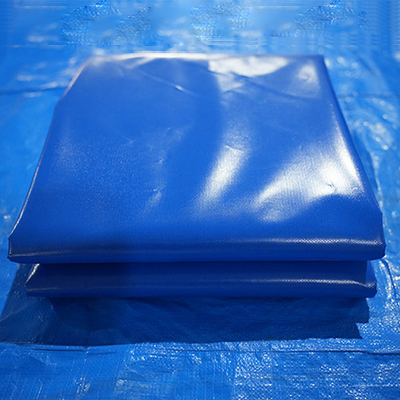
A loose rectangular tarp may block rainfall, but it can also flap, pond water, rub against painted surfaces, trap condensation or pull concentrated loads through a small number of eyelets. A professional machinery cover tarp is therefore developed as an interface between the asset, the environment and the fastening system.
The cover profile should follow high points, protrusions, access doors, exhaust zones and support frames. Reinforcement is placed where the fabric touches edges or receives tension. Openings and closures are positioned so inspection can take place without removing the entire cover.
A machinery cover tarp supplier should ask how the cover will be used, not only what size is required.
Roof slope, seams, equipment high points and drainage direction influence whether rainfall sheds cleanly or collects in low areas.
Loose fabric creates movement and local stress. Tie-down spacing, hem structure and tension direction should be planned together.
Corners, handles, guards, bolts and sharp transitions may need patches, padding, double layers or a shaped stand-off structure.
Outdoor humidity and temperature swings can require controlled vents, breathable zones or planned air gaps around sensitive equipment.
Inspection flaps, zippers, hook-and-loop closures and removable panels can reduce handling time for equipment checked regularly.
A one-season storage cover and a daily rental-fleet cover need different weights, handles, folds, reinforcement and packing methods.
The material is only one layer of the system. Finished performance also depends on geometry, reinforcement and the fastening layout.
For outdoor machinery protection, PVC coated polyester combines a waterproof surface with a dimensionally stable textile base. It can be cut, sewn, hot-air welded or high-frequency welded, which makes it suitable for both simple box covers and irregular fitted forms.
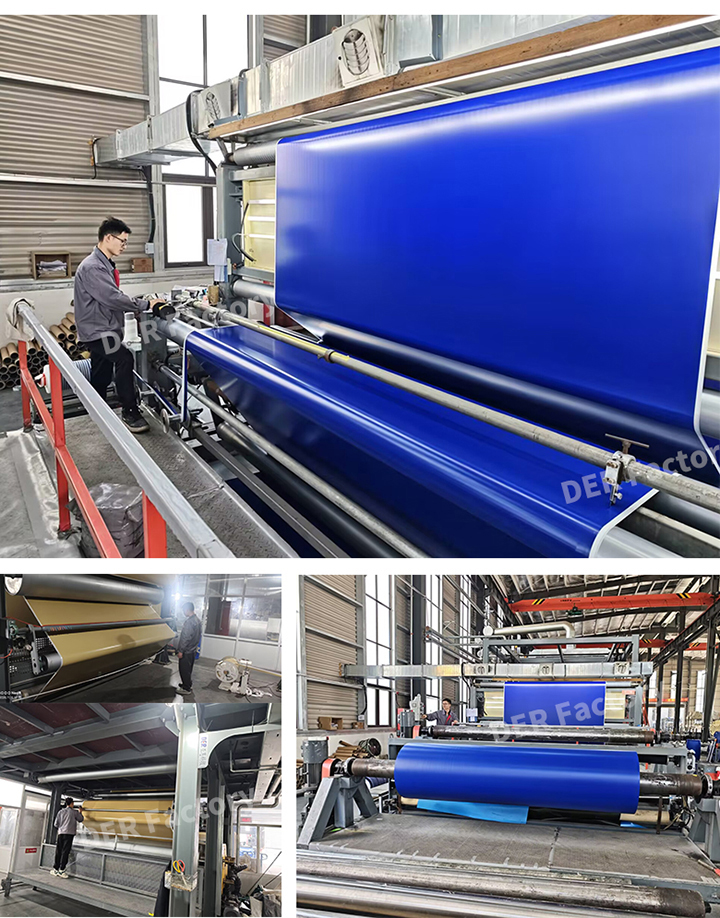
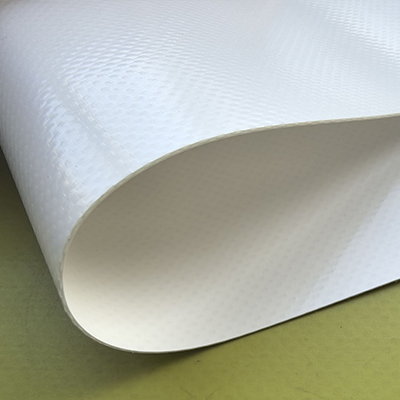
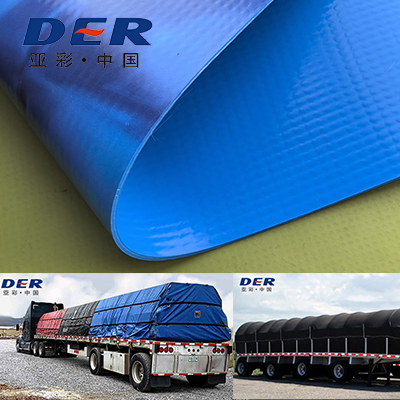
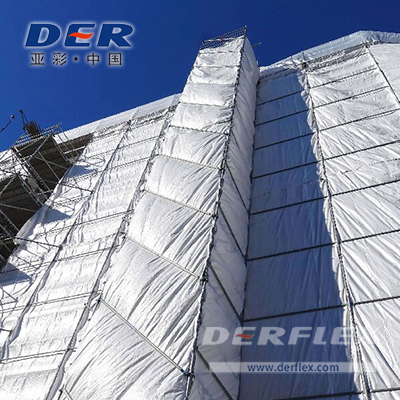
These images are hosted on the DERFLEX website and illustrate coated-fabric production and related heavy-duty tarp applications.
Use this table as a starting point for project discussion. Final values should be confirmed by the approved specification and sample.
| Item | Typical Direction | What It Changes | Information to Confirm |
|---|---|---|---|
| Product format | Flat tarp, five-sided box cover, fitted cover, multi-panel enclosure or roll material | Fit, installation time, fabrication complexity and unit cost | Drawing, photos, dimensions and required opening direction |
| Main material | PVC coated polyester, PVC laminated polyester or project-specific technical fabric | Weather resistance, handling, weldability, appearance and budget | Indoor/outdoor use, climate, expected life and cleaning method |
| Fabric weight | 450–550 gsm light/medium; 610–750 gsm industrial; 850–1100 gsm heavy-duty direction | Strength, stiffness, folded volume and handling weight | Cover dimensions, wind exposure and deployment frequency |
| Base cloth | 500D, 840D, 1000D, 1100D, 1300D or custom yarn/density | Tensile, tear and dimensional stability | Load points, span, tie-down tension and abrasion risk |
| Seam method | Hot-air welding, high-frequency welding, sewing or combined construction | Water path, flexibility, repairability and detail design | Cover geometry, fabric grade and required seam performance |
| Edge system | Folded hem, webbing hem, rope hem, corner patch or replaceable wear panel | Load distribution and edge durability | Anchor method, spacing and pulling direction |
| Accessories | Eyelets, D-rings, straps, buckles, zippers, hook-and-loop, vents, windows and labels | Installation, inspection, ventilation and brand identification | Exact location, quantity and operating sequence |
| Customization | Color, logo, barcode, serial label, packing, replacement parts and private-label program | OEM consistency and wholesale program management | Artwork, Pantone reference, packing standard and forecast quantity |
Specification ranges are indicative. Waterproofing, UV resistance, flame behavior, cold flexibility, chemical resistance and service life depend on the confirmed material, seam construction, installation and actual use conditions.
A heavier fabric is not automatically the right answer. The cover must match the exposure and handling pattern.
Focus on fit, clean handling, access openings and surface compatibility. A lighter construction may be sufficient.
Prioritize water shedding, wind restraint, seam layout, UV direction, ventilation and reinforced contact zones.
Review flapping, road grime, tie-down loads, lifting points and abrasion against protrusions or packaging frames.
Define the actual substance, temperature range, standard and test method before selecting optional treatments.
DERFLEX can work from drawings, measurement sheets, reference samples or a structured photo set.
Provide overall dimensions, protrusions, hot zones, moving parts, access doors and lifting points.
Identify rain, wind, UV, dust, oil mist, salt, cold, transport vibration and expected storage duration.
Select fabric, panel layout, seams, vents, reinforcement, closures, handles and anchoring positions.
Confirm sample fit and specification, then standardize labels, packing and reorder references for wholesale or OEM supply.
One page covers the shared procurement intent across machine covers, equipment tarps and custom industrial protection.
Downtime dust covers for machining centers, lathes, milling machines, laser systems, measuring equipment and production cells.
Outdoor or standby protection with optional vents, access flaps, exhaust clearances and reinforced pull areas.
Covers for jobsite assets, attachments, engines, compactors, tool stations and temporary equipment-yard storage.
Custom shapes for packaging machines, conveyors, production modules and plant equipment during shutdown or relocation.
Reusable covers for factory-to-port movement, container loading, flatbed transport and project equipment delivery.
Repeat cover sizes, printed branding, labels, cartons and bulk ordering for equipment manufacturers, distributors and rental fleets.
Quality control is more useful when each inspection point is tied to an agreed drawing, sample or data sheet.
A machinery cover tarp primarily manages rain, dust, UV exposure and handling. A waterproof acoustic curtain tarp is a different product architecture that may combine a coated outer skin with sound-absorbing and dense barrier layers. Where noise reduction is required, the acoustic target, installation frame and fire requirement should be specified separately.
Six relevant internal resources connect finished-cover design, material selection and adjacent industrial protection needs.
Answers for equipment manufacturers, industrial buyers, cover fabricators, distributors and wholesale programs.
A machinery cover tarp is a flexible protective cover used over industrial machines, generators, construction equipment, production assets or transport modules. It may be a flat tarp, a five-sided box cover or a fitted multi-panel enclosure designed around the equipment shape.
PVC coated polyester is commonly selected because it combines a waterproof surface, textile reinforcement, weldability and practical finishing options. The correct fabric weight and treatment depend on cover size, UV exposure, wind, handling cycle and the required service conditions.
Yes. A project can be developed from dimensioned drawings, measurement sheets, reference samples or a structured set of equipment photos. Critical openings, contact points, vents, reinforcement and fastening positions should be marked during design review.
DERFLEX can support B2B supply in fabric rolls, cut panels, semi-finished components or completed covers. Wholesale and OEM programs can include repeat sizes, color control, printed logos, labels, cartons and packing references.
The fastening plan should distribute load through reinforced hems, webbing, straps, D-rings or eyelets rather than concentrating force at isolated points. Tie-down direction, spacing, cover fit and water drainage should be reviewed together.
Send equipment dimensions or drawings, photos, indoor or outdoor use, climate, storage or transport conditions, expected handling frequency, material preference, accessories, color, logo, order quantity, packing requirement and destination.
Share the drawing, equipment photos, exposure, fastening method and order plan. DERFLEX can help define a suitable material and construction direction for your machinery cover tarp project.