PVC Coated Polyester
Common choice for a waterproof patio cover tarp, pergola top and replacement canopy where weldability, outdoor appearance, cleaning and reinforced fabrication matter.



DERFLEX manufactures custom patio cover tarp solutions for pergolas, covered patios, garden shelters, outdoor seating structures, replacement canopy programs and distributor product lines. Instead of treating a patio tarp as a generic sheet, we match material weight, panel size, drainage direction, edge reinforcement, grommet spacing and surface finish to the way the cover will actually be installed and used.
A patio cover tarp is a flexible outdoor cover used over or around a patio structure to provide shade, rain protection, wind screening or seasonal enclosure. It may be installed as a pergola top, replacement canopy roof, side curtain, awning-style panel or protective cover over an outdoor living area.
The correct construction depends on the job. A solid waterproof patio cover tarp needs slope and drainage. A shade-focused cover may need airflow. A sidewall may prioritize visibility and wind control. For custom and wholesale buyers, fit, fastening layout and reinforcement are just as important as the fabric itself.
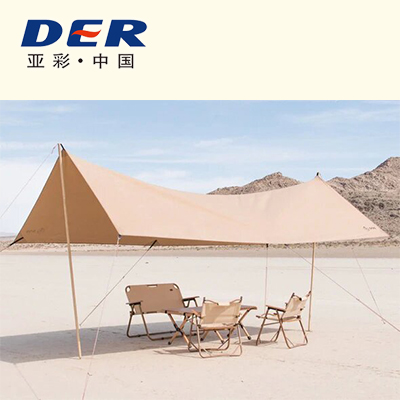
Outdoor covers usually fail first where the material is concentrated under stress: grommets, corners, welded seams, pockets and edges. A heavier fabric may improve durability, but weight alone does not solve poor drainage, loose attachment spacing or unsupported wind loading.
Roof panels should be installed with sufficient slope so rain can drain instead of forming water pockets that add unwanted load.
Reinforced hems, webbing and correctly spaced fixing points help distribute edge loads more evenly when the cover moves in wind.
Large frames and semi-permanent installations may need a different material weight and reinforcement strategy than seasonal backyard covers.
For wholesale and replacement programs, confirmed drawings and stored specifications help keep size, color and finishing consistent across repeat orders.
Patio applications can mean roof coverage, solar shading or weather enclosure. Those jobs are different. DERFLEX can help buyers select a practical material direction based on waterproofing, airflow, visibility, handling frequency, appearance and target durability.
Common choice for a waterproof patio cover tarp, pergola top and replacement canopy where weldability, outdoor appearance, cleaning and reinforced fabrication matter.
Better suited when the primary objective is solar shading with ventilation rather than creating a fully waterproof roof. Shade rate and edge design should be matched to the project.
Useful for selected patio, porch or pergola side panels where wind screening and outward visibility are more important than an opaque surface. Final construction should be confirmed separately.
The table below is a practical specification framework for quoting. Final values should be confirmed according to frame geometry, climate, installation method, quantity and any local code or test requirement.
| Specification | DERFLEX Direction | What Buyers Should Confirm |
|---|---|---|
| Product Type | Patio cover tarp, pergola tarp top, replacement canopy cover, outdoor shelter panel, side curtain | Top cover, sidewall or complete cover set |
| Core Material | PVC coated polyester; selected mesh or clear PVC directions for specific applications | Waterproofing, airflow, visibility and handling expectations |
| Common Weight | Approx. 450–900gsm+ for PVC canopy / patio cover programs; custom grades can be discussed | Frame strength, exposure, service target and folding frequency |
| Finished Size | Custom rectangle, square, sloped panel or drawing-based shape | Finished dimensions, allowances, seam direction and attachment points |
| Surface | Matte, semi-matte, glossy, embossed, lacquered or project-specific finish | Appearance, cleaning, print compatibility and outdoor exposure |
| Edge Finishing | Welded hems, double layers, webbing reinforcement, rope edge or pocket construction | Wind exposure, fixing method and whether the cover is removable |
| Hardware | Grommets / eyelets, D-rings, straps, buckles or customized fixing details | Spacing, hardware material and compatible frame attachment |
| Performance Options | Waterproof, UV-resistant, anti-mildew, cold-resistant and flame-retardant directions by requirement | Required test method, market rules and end-use environment |
| Color & Branding | Standard or custom color discussion, logo printing compatibility, labels and cartons | Pantone / sample reference, artwork, private-label requirements |
| Supply Format | Roll goods, cut panels or finished patio tarp covers depending on program | Local fabrication capability, packing method and order volume |
The phrase “patio cover tarp” covers several real buying needs. A useful product page should help a buyer identify the exact installation rather than forcing every project into one standard tarp.
Custom top panels for timber or metal pergola frames where shade, rain runoff and clean perimeter tension are important.
Made-to-measure replacement fabric for outdoor frames when the structure remains usable but the original top needs renewal.
Outdoor cover programs for seasonal seating areas, subject to local fire, wind, installation and public-space requirements.
Weather covers for outdoor seating, garden workspaces, leisure structures and multipurpose backyard canopy systems.
Opaque or selected clear-panel directions for wind screening and seasonal enclosure around an existing covered structure.
Wholesale patio cover tarp and replacement-cover lines with planned sizes, colors, labels, cartons and repeat-order records.
Shade-oriented covers where surface temperature, UV exposure, aesthetics and easy cleaning are part of the specification.
Roll goods or fabricated panels for awning shops, canopy builders, outdoor structure companies and local converters.
Decide whether the priority is waterproof roof coverage, solar shade, wind screening, visual enclosure, furniture protection or a combination. The same patio may need different materials for the top and sides.
Confirm the actual cover dimensions, overlap, edge drop, pockets and any areas that must wrap around beams. For irregular frames, provide a dimensioned drawing or a marked photo.
A waterproof tarp roof should shed water. Adding material weight does not compensate for a flat installation that allows water to pool. Frame geometry and drainage direction should be considered together.
Grommet spacing, corner reinforcement, webbing, straps and pockets should be planned around the frame and expected tension. High-wind locations may need a different engineering approach than sheltered patios.
For retail and hospitality projects, color, surface sheen, seam placement and hardware visibility affect the finished look. Wholesale buyers can also discuss private labels, logo printing and packaging.
Retail tarp pages are useful for one-off standard purchases. A patio cover tarp manufacturer needs to solve a different set of problems: repeat sizes, coating consistency, edge construction, hardware layout, color control, packaging and specification records. DERFLEX supports the material and fabrication side of that process.
Material selection can be coordinated with finished-cover requirements instead of treating the tarp and fabric as separate purchases.
Size, seams, hems, webbing, grommets, D-rings, pockets and straps can be planned around the intended installation.
Color, logo compatibility, label format, carton marks and packaging can be discussed for distributor product lines.
Confirmed parameters can be recorded to help reduce variation when a buyer reorders the same cover program.
Frame, use, climate, appearance and target market.
PVC weight, finish, color and performance options.
Size, seams, reinforcement and fixing layout.
Fit, finish, color and fabrication review where required.
Production, inspection, packing and export coordination.
These related pages help buyers move from patio-cover intent to the exact material, durability level and custom manufacturing route.
PVC coated polyester is commonly selected when the project needs a waterproof surface, weldable seams, reinforced edges and durable outdoor appearance. The appropriate fabric weight depends on frame design, exposure, size and handling frequency. A proper roof slope is still necessary for drainage.
Yes. DERFLEX can discuss custom finished dimensions, panel layouts, sloped shapes, seam locations, hems, webbing, grommet spacing, D-rings, straps and pockets. A drawing, marked photo or sample cover is helpful for irregular frames.
A solid patio cover tarp is normally chosen for rain protection and shade, while a mesh shade tarp is designed primarily to reduce solar exposure while allowing more airflow. If full rain protection is required, a porous mesh is usually not the right top-cover material.
DERFLEX supports wholesale and OEM programs for distributors, fabricators and outdoor-product brands. Custom size systems, colors, labels, logo compatibility, carton marks and repeat-order packaging can be discussed after the product specification is confirmed.
Measure the required finished panel and record the position of every attachment point, pocket, strap and overlap. Also note roof slope, frame spacing and any posts or protrusions. For complex shapes, send a dimensioned drawing or clear photos with reference measurements.
UV-resistant and flame-retardant directions can be discussed for specific projects. Buyers should provide the target test method or market requirement because performance depends on the selected formulation, fabric structure and test standard rather than on a generic product label.
Send DERFLEX the application, finished size or drawing, quantity, material preference, color, fixing method and destination. We can use those details to recommend a practical specification for sampling or bulk quotation.