News
Company News

Polyester TPU Coated Fabric | Custom OEM Rolls | DERFLEX

Update:2026/10/12 20:59:46 Views:
DERFLEXTECHNICAL MATERIALS MATERIAL DEVELOPMENT / OEM ROLL SUPPLY Request A Quote
Polyester-based TPU / Ester chemistry

Polyester TPU
Coated Fabric

A textile-reinforced material with an ester-based TPU layer, evaluated for surface wear, mechanical performance and selected oil-contact environments. Specify the coating chemistry separately from the polyester or nylon base fabric.

DERFLEX supports custom roll-goods enquiries for equipment covers, technical bags, industrial sleeves and qualified flexible components. Discuss substrate, coating side, thickness, color, finish and welding method around the product you manufacture. Bring your exposure conditions and reference sample so the material can be evaluated before bulk production.

DERFLEX green and grey reinforced TPU material sample with visible textile texture and water droplets
ACTUAL DERFLEX MATERIAL REFERENCEReview texture, coating face and flexibility. Confirm polyester-based TPU chemistry on the ordered grade; the photograph does not identify the resin formulation.
Specify the polymerEster-based TPU, with grade confirmation
Engineer the textileSubstrate, coating face and surface build
Qualify the conversionExposure, welded part and roll acceptance
01 / Understand the construction

What is polyester TPU coated fabric?

Polyester TPU coated fabric is a reinforced textile carrying a polyester-based thermoplastic polyurethane layer. The TPU chemistry influences surface and exposure behavior; the textile reinforcement contributes load support, tear response and handling. Together, they form a composite that must be specified and tested as a complete material.

Two uses of “polyester.” Two separate decisions.“Polyester TPU” describes the polymer family. “TPU coated polyester” describes the textile substrate. An ester-based TPU layer may be combined with polyester or nylon reinforcement; a polyester textile may also carry a polyether TPU layer.
Composite architecture

The coating and the base do different jobs.

Conceptual structure of a textile reinforced with polyester-based TPU A polyester-based TPU layer, a woven textile reinforcement and an optional reverse TPU layer. Diagram is conceptual and not to scale. Polyester-based TPU layer Functional surface • barrier • joining face Woven textile reinforcement Polyester or nylon • weave and yarn defined separately Optional reverse TPU layer Specify the second face when the part requires it

Conceptual diagram, not to scale. Single-side and double-side structures change accessible welding faces, mass distribution and surface handling.

02 / Start with the service conditions

Where does an ester-based TPU construction make sense?

It is a candidate where mechanical wear and a flexible barrier matter. The application does not approve the grade: define rubbing, folding, contact media and temperature before selecting the substrate or coating thickness.

Application-to-validation matrix — selection guidance, not certified product performance
Finished productConstruction questionsWhat the trial must establish
Industrial covers & equipment sleevesWhich face touches the equipment? How often is the cover removed? Does the textile need dimensional control or softer drape?Surface abrasion, fold response, coating adhesion and cleaning compatibility. Evaluate sharp edges with the actual cover design.
Technical bags & tool casesIs the coated face inside or outside? Will the product be welded, sewn and sealed, or assembled by another route?Weld or seam integrity, rubbing at corners, closure folding and the required water-barrier performance.
Oil-contact protective componentsSpecify the exact oil, additive package, contact duration and operating temperature. Distinguish splash exposure from continuous contact.Changes in swelling, tack, flexibility, adhesion and seam behavior after contact. Oil resistance is not automatic fuel compatibility.
Flexible sealed componentsDefine pressure or liquid head, panel dimensions, fittings and load cycles. Identify every surface that must join.Leakage, seam load, coating-to-textile bond and repeated deployment in the finished geometry, including corners and fittings.

On mobile, swipe the table to read all columns. Continuous wet service needs a separate hydrolysis review.

03 / Define the chemistry boundary

Polyester TPU or polyether TPU?

Polyester TPU is commonly evaluated for abrasion, mechanical performance and selected oil-contact uses. Polyether TPU is commonly considered when hydrolysis and persistent moisture dominate. Individual formulations overlap; the chemistry name is a starting point for qualification.

ESTER-BASED DIRECTION

Prioritize surface and contact performance.

  • Repeated rubbing and handling during service.
  • Mechanical performance combined with flexible coating.
  • Defined oil exposure that can be tested on the composite.

Review hot, humid conditions and wash cycles explicitly. Stabilization may improve an ester grade's hydrolysis behavior, but the finished composite still needs evidence for the intended exposure.

WET-SERVICE ALTERNATIVE

Review hydrolysis before bulk approval.

  • Prolonged water contact or persistent humidity.
  • Warm wet storage and repeated cleaning.
  • Service where an aged bond or seam controls product life.

Compare polyether TPU coated fabric when moisture is the primary concern. A waterproof initial sample does not establish long-term hydrolysis resistance.

04 / Turn an enquiry into a roll specification

Polyester TPU coated fabric specifications

DERFLEX's TPU platform supports substrate, coating layout, thickness, color, finish and roll-format discussions. The table defines what to confirm for a polyester-based grade; it is not a fixed stock datasheet. No universal GSM, width or temperature rating is assumed.

Custom OEM roll specification — final combination subject to technical confirmation
Specification itemDirection to discussRecord on the approved specification
TPU polymerPolyester-based TPU; exact formulation matched to exposure and conversion.Grade or sample reference, relevant stabilization, contact medium and test conditions.
Textile reinforcementPolyester or nylon, with yarn and weave selected for the product.Fiber, denier or dtex, weave, warp/weft strength and dimensional requirements.
Coating facesSingle-side or double-side configuration, depending on construction.Face A/B identification, orientation in the finished part and usable joining surfaces.
Mass & thicknessProject-specific total GSM and coating build; confirm achievable values.Distinguish total composite thickness from layer thickness. Agree measurement method and tolerance.
Surface & colorMatte, glossy, smooth or textured direction; custom color discussion.Physical color standard, finish, friction needs and blocking behavior after storage.
Roll formatUsable width, roll length, core and winding direction by project.Edge trim, splice policy, roll labeling, packaging and handling requirements.
Joining routeSelected RF/HF, hot-air or thermal-sealing structures, verified by trials.Machine, seam geometry, cooled-joint acceptance and any fitting or reinforcement interfaces.
Commercial & compliance termsSample scope, MOQ, price, production lead time and documentation on enquiry.Quantity, destination, delivery requirement and applicable documents for the exact ordered grade.
05 / Production qualification

Can polyester TPU coated fabric be welded?

Suitable constructions can be evaluated for RF/HF welding, hot-air welding or thermal sealing. The usable process depends on the actual TPU grade, layer build, surface condition and equipment. Validate the cooled joint on your production route rather than adopting a generic temperature setting.

GATE 01 / THE SURFACE

Verify the joining faces.

Identify which TPU faces meet at the overlap. An exposed textile back is not the same joining surface as a coated face. Include reinforcements, valves and multi-layer intersections in the sample plan.

Check before running

  • Face A/B orientation and contact area.
  • Surface contamination and finish.
  • Seam overlap and equipment clearance.
GATE 02 / THE PROCESS

Develop a repeatable window.

Record energy or heat input, dwell or line speed, pressure and cooling. A visually clean seam can still have weak bonding; excessive input can damage the coating or distort the textile.

Check after cooling

  • Peel or shear under agreed conditions.
  • Scorching, pinholes and deformation.
  • Repeatability across sample joints.
GATE 03 / THE EXPOSURE

Test the assembled component.

Condition the sample in the relevant contact medium or cleaning cycle, then recheck the seam and coating bond. For sealed parts, include leakage and the real load path through corners and fittings.

Check for service effects

  • Swelling, tack and surface change.
  • Adhesion and flex after conditioning.
  • Leakage or load response of the part.
06 / Material reference gallery

Look beyond color. Inspect the composite.

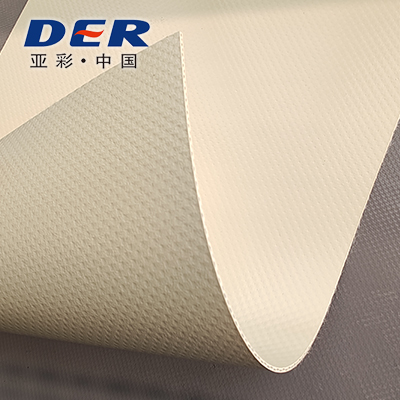
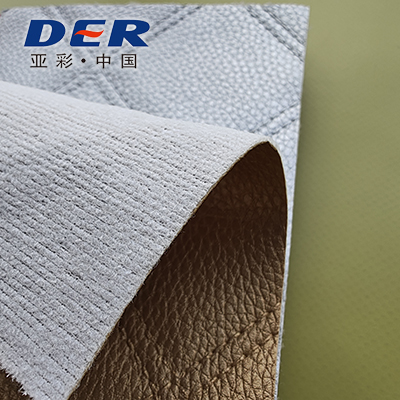
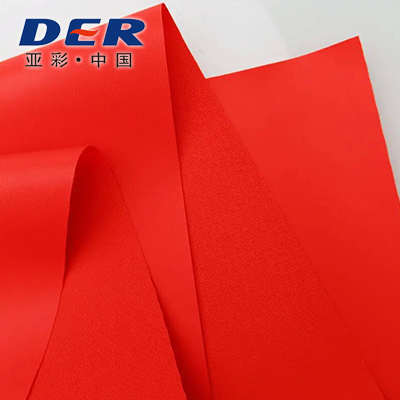
These actual DERFLEX TPU-material photographs illustrate coated surfaces, folded handling and visible textile backing. Request the selected polyester-based grade to assess the construction you will buy.

07 / Prevent incomplete approvals

What should buyers check before changing the GSM?

More mass does not resolve every failure. Identify the surface, coating interface or joint involved, then test the suspected cause. These observations guide investigation; they are not a diagnosis from appearance alone.

Observation → investigation → purchase-specification control
Observed problemWhat to investigateWhat to agree before reordering
Coating becomes tacky or soft after contactContact chemistry, temperature, duration, storage and cleaning history.A defined compatibility trial and limits for surface, mass or dimensional change.
Bond lifts after warm wet useHydrolysis risk, coating-to-textile interface and retained properties after conditioning.The exposure protocol and acceptable aged adhesion; compare another chemistry if needed.
Leakage develops near a welded cornerFace orientation, overlapping layers, local heat distribution, load concentration and fittings.A representative joint trial and leakage acceptance for the finished geometry.
Roll layers stick together in storageFinish, winding pressure, storage temperature and time before conversion.Storage guidance and a blocking/unwinding check relevant to your stock cycle.
08 / Manufacturer & supplier enquiry

Build the quotation around the part you make.

A useful polyester TPU fabric enquiry describes exposure and conversion as clearly as weight and color. For wholesale or recurring OEM rolls, also define usable width, quantities and repeat-order controls.

How DERFLEX supports the material program

DERFLEX's TPU coated-textile and film platform allows discussion of reinforcement, polymer family, coating faces, finish and roll supply. Buyers can provide a current sample, drawings or a failed component to make material matching more specific.

Align the proposed construction, trial scope and inspection requirements before bulk approval. Confirm the actual MOQ, quotation, sample arrangements and lead time for the selected grade and order quantity.

Copy into your enquiry

A practical material brief

Product / drawing / panel size: 
TPU chemistry: polyester-based (ester); grade if known: 
Substrate / coating face A-B / target GSM or thickness: 
Contact medium / temperature / duration / cleaning: 
Welding machine / joint design / required testing: 
Usable width / color / finish / roll format: 
Trial quantity / bulk quantity / destination / timing:
01 / BRIEF

Define the exposure.

Identify the part, contact media, mechanical stresses and existing process.

02 / TRIAL

Evaluate the sample.

Run the coating, weld and service checks that matter for the product.

03 / APPROVE

Record the reference.

Freeze material identity, joining faces, tolerances and acceptance criteria.

04 / REPEAT

Control receiving quality.

Check roll identity, width, surface condition and agreed repeat-order properties.

09 / Procurement questions

Polyester TPU coated fabric FAQ

Does polyester TPU coated fabric always have a polyester base?

No. Here, polyester TPU means the ester-based polymer layer. The textile base may be polyester or nylon. Specify the polymer family and textile separately so a supplier does not substitute a polyester substrate with a different TPU chemistry.

Is polyester TPU coated fabric waterproof and airtight?

A continuous TPU layer can provide a water barrier, and suitable constructions can be evaluated for air retention. Neither property follows from the chemistry name alone. Define the required test conditions and check seams, fittings and the assembled part as well as the material.

Is polyester TPU suitable for oils, fuels and cleaning chemicals?

Selected polyester TPU grades are evaluated for oil-contact uses, but oils, fuels and cleaners are different exposures. Identify the exact medium, temperature and duration, then check swelling, surface change, coating adhesion and seam behavior. A generic oil-resistance statement is not a fuel-containment approval.

When should I choose polyether TPU instead?

Review polyether TPU when prolonged water contact, warm humidity or repeated wet storage makes hydrolysis a primary concern. Stabilized polyester TPU grades may also be considered, but qualification should compare the exact composites after representative conditioning.

Can it be RF/HF welded or hot-air welded?

Suitable polyester TPU constructions can be trialed on RF/HF, hot-air or thermal-sealing equipment. The process window depends on grade, coating faces, layer build, surface and joint geometry. Approve cooled-joint strength and sealing on the intended machine before buying production rolls.

What affects the price, MOQ and lead time?

Substrate, TPU grade, coating layout, layer build, usable width, color, finish, order volume and testing scope affect the quotation. Send a reference sample and application brief where possible. Confirm price, MOQ, sample terms and production lead time with DERFLEX for the selected construction.

Your next material program

Specify polyester TPU for your real service conditions.

Send the finished product, contact environment, substrate preference, coating layout, roll requirements and joining method. Start with a material proposal that your converter can test.

Request A Quote
Request A Quote
Consulting Services
+86-021-54361792 / 54361798
Email
sales@derflex.com