News
Industry News

TPU Coated Nylon Fabric | Waterproof OEM Rolls | DERFLEX

Update:2026/10/6 19:56:01 Views:
TPU Coated Nylon Fabric | Waterproof OEM Rolls | DERFLEX
Skip to product information
TPU / Nylon · OEM Roll Goods

TPU Coated
Nylon Fabric

Waterproof fabric. A specification built around your seams.

DERFLEX supplies waterproof TPU nylon fabric for welded bags, inflatable chambers and flexible OEM components. A nylon reinforcement carries the load; the TPU surface provides the barrier and a sealable face in compatible constructions. Specify the coating side, polymer chemistry, coated weight, usable width and finish around your product geometry and processing equipment.

Send a drawing or reference sample to discuss custom roll supply and a material trial before bulk ordering.

Single / double sidePolyether / polyester TPUCustom color & roll format
DERFLEX black double-sided TPU coated nylon fabric sample with folded material detail
DERFLEX material sample · Confirm the supplied grade, face finish and coating build with your approved swatch.
Base + coatingDefine each layer separately
Seam compatibilityValidate on your equipment
Water & air retentionSpecify separate acceptance tests
OEM supplyRecord the approved roll specification
Understand the composite

What is TPU coated nylon?

TPU coated nylon is a reinforced textile made by applying thermoplastic polyurethane to a nylon base fabric. The textile supplies mechanical support, while the polymer layer controls barrier performance, surface feel and sealing behavior.

It is used by outdoor brands, bag factories and inflatable-product converters that need more than a water-repellent textile. The material must also survive cutting, joining, folding and its intended service conditions.

Explore the wider DERFLEX TPU coated fabric range when comparing nylon with other base textiles.

Three decisions inside one fabric

Exposed TPU surfaceBarrier, finish, abrasion behavior and welding response
Nylon textile coreYarn, weave, warp/weft strength and dimensional behavior
Reverse-side constructionUncoated textile or a second TPU sealing surface

Conceptual layer schematic; not a scale drawing. The reverse layer depends on the selected construction.

A bonded film is another manufacturing route. Compare TPU laminated fabric structures by adhesion and processing results, rather than by the coating label alone.

Write a usable purchasing specification

Specify the roll that your factory will actually process.

“420D TPU nylon” leaves important variables open. Confirm the finished composite, including the coating on each face, usable cutting width and the tests that determine acceptance.

Specification discussion guide — values are confirmed for the selected grade, rather than presented as universal stock data.
ItemDERFLEX enquiry directionWhat the buyer should confirm
Base textileNylon woven fabric; plain or ripstop structures can be discussed.Fiber/yarn specification, weave and cut direction.
Nylon denierDiscuss 210D, 420D, 840D, 1000D or an application-specific construction.Availability and test results for the exact construction. Denier alone is not a strength rating.
TPU chemistryPolyether or polyester TPU, subject to grade selection.Humidity, water exposure, cleaning media and aging requirements.
Coating sidesSingle-sided or double-sided.Which faces meet at every seam, baffle, patch and fitting.
Coated weight / GSMCustom target, confirmed with DERFLEX.Total composite mass per area; coating distribution if relevant.
ThicknessConfirm total thickness and relevant layer build.Measurement method and tolerance; do not substitute it for GSM.
Width & lengthRoll format available according to project requirements.Usable width after edge trim, roll length and agreed tolerance.
Color & finishCustom color; matte, glossy or other surface directions.Approved color reference, hand feel, surface and weld appearance.
Joining processCompatible grades for RF/HF, hot-air or contact heat sealing.Trial results with your machine, tooling and actual seam stack.
PerformanceWater barrier, air retention, tensile/tear, adhesion, abrasion and flex requirements.Method, conditions, units and acceptance limit for each test.
Service conditionsWet use, sunlight, temperature and chemical contact reviewed by project.Relevant exposure and retained performance after conditioning.
Packing & commercial termsOEM roll labels and packaging can be discussed.Winding direction, core, protection, MOQ, sample and lead time.

Listed deniers are enquiry starting points, not a promise that every denier, coating build and width combination is stocked. Final specifications and tolerances require written confirmation.

Coating side / polymer chemistry

Choose the surfaces before choosing the weight.

Single-sided TPU

One functional sealing face

A useful direction when compatible coated faces can meet at the seams, and the textile reverse is acceptable in the product. It may reduce coating mass compared with an otherwise similar two-sided build.

  • Map fold direction and coated-face orientation.
  • Review exposed textile, cleaning and edge protection.
  • Trial attachments on the actual fabric face.
Double-sided TPU

More freedom in assembly

Two coated faces can simplify baffles, reinforcement patches and assemblies where different sides must be sealed. Additional coating also changes total weight, hand feel and processing conditions.

  • Specify face A and face B when builds differ.
  • Test multi-layer junctions and valve flanges.
  • Check surface marking and folding behavior.
TPU chemistry

Match exposure to the grade

Polyether TPU is generally a useful starting point for prolonged moisture exposure because of hydrolysis resistance. Evaluate polyester TPU against the specific mechanical and media-contact priorities of the product.

  • Review humid storage as well as use conditions.
  • Test cleaners and contact fluids on the composite.
  • Specify outdoor aging if sunlight matters.
Two different meanings of “polyester”: polyester TPU describes the polymer chemistry. TPU coated polyester describes the base textile. Polyester TPU can be bonded to nylon. Keep these fields separate in your purchase order.

Read the TPU coating material guide to compare the coating requirements in more detail.

Application selection matrix

A dry bag and an air chamber need different evidence.

Start with the finished product. The following directions help prepare a sample request; they do not establish a pressure rating or an approved end-use specification.

Product / use conditionConstruction to evaluateWhy it mattersSample approval priority
Roll-top dry bags & waterproof packsSingle- or double-sided nylon composite with a foldable coating build.The closure and seam layout control which surfaces need to seal.Closure-fold durability, seam leakage, hand feel and abrasion at contact points.
Packraft tubes & inflatable chambersNylon/TPU structure matched to the assembly; evaluate double-sided material for baffles or patches.Joints, valves and reinforcements form a complete air-holding system.Air retention, seam failure mode, adhesion and repeated inflation/folding.
Inflatable cushions & flexible air cellsSoft composite with the required sealing faces and surface finish.Flex cycles and cleaning can be more important than a heavy fabric label.Flex-conditioned leakage, joining consistency and cleaner compatibility.
Protective bags, sleeves & OEM componentsNylon strength, coating build and finish matched to contact and handling.Edges, rubbing and attachment loads may dominate service wear.Abrasion, tear, local reinforcement and shape changes after conditioning.

For bag-specific material comparisons, see the DERFLEX dry bag material guide.

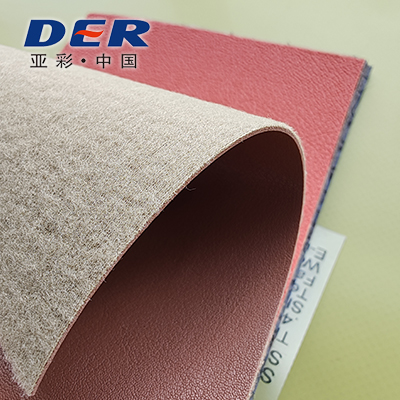
Green DERFLEX TPU laminated fabric material samples
Laminated material referenceReview surface appearance and fold behavior on the proposed nylon construction.
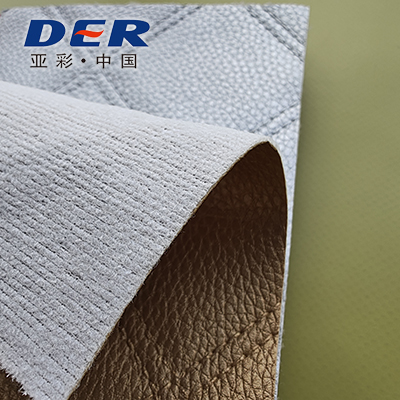
Blue DERFLEX TPU dry bag fabric swatch
Waterproof bag materialMatch the coated face to your closure, weld layout and desired finish.
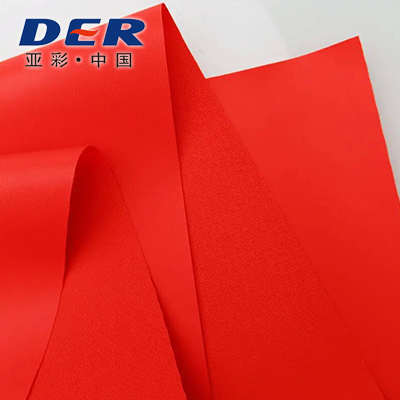
Red folded DERFLEX TPU inflatable fabric sample
Inflatable material referenceEvaluate seam integrity and air retention with the selected reinforcement.

Photos show DERFLEX material references. Gallery images do not identify a verified nylon denier, coating chemistry or performance result; approve those details on the supplied sample.

Fabrication notes

Approve the seam, then approve the roll.

Suitable TPU nylon constructions can support RF/HF welding, hot-air welding or contact heat sealing. Processing success depends on the complete material and seam stack. A sample that seals in one simple overlap may behave differently around a valve or a multi-layer corner.

01 / GEOMETRY

Mark every sealing face

Label face A and face B on the drawing. Check laps, baffles and patches for coated-to-coated contact. An uncoated nylon face should not be assumed to form the same thermoplastic seal.

02 / PROCESS

Find a usable welding window

Trial a range of relevant settings around the proposed process. Record machine, tool, pressure, time and energy or temperature settings as applicable. Include the thickest joint.

03 / VALIDATION

Check the conditioned assembly

Evaluate seam strength and leakage after the conditioning relevant to use. Inspect coating lift, exposed yarn, distortion and peel starting at seam ends.

Practical sample-trial record for the converter and material supplier.
Trial itemRecord or inspectDecision it supports
Representative jointFace orientation, overlap, layers, patch or fitting materials.Compatibility of the actual seam geometry.
Equipment settingsMachine and tool identification; relevant settings and cooling conditions.A repeatable production process rather than a single successful seal.
Seam strengthTest method, direction, specimen width and failure mode.Whether the joint separates, the coating peels or the textile breaks.
Leak or air-retention testPressure, duration, temperature and fitting/closure arrangement.Performance of the sealed assembly under defined conditions.
Conditioned performanceRelevant folding, wet aging, cleaning or temperature exposure.Whether initial seal quality is retained after expected handling.

No universal TPU welding temperature is specified here. Use a supplier-supported starting point and validate the operating window on the selected grade. Sewing punctures a barrier layer; any sewn waterproof assembly needs a compatible sealing solution and a finished-product leak check.

Performance evidence

What should a buyer test on waterproof TPU nylon fabric?

Ask for measurable results tied to the exact sample and test conditions. A useful inspection plan connects material properties to the way the product can fail.

CheckSpecify in the test requestWhat it answers
Water penetrationMethod, test face, pressure progression and endpoint; repeat after relevant conditioning.Does the barrier resist water under the agreed test?
Air retentionAssembly volume/geometry, pressure, hold time and stabilized temperature.Does the air-holding system retain pressure as specified?
Tensile & tearSeparate warp and weft results, method, specimen and conditioning.How does the composite resist pulling and an existing tear?
Coating adhesionFace, peel arrangement, specimen width and wet/aged condition if relevant.Does the coating remain attached to the nylon reinforcement?
Abrasion & repeated flexContact material, load/cycles, fold condition and retained barrier or strength.Does expected handling damage the working surface or seal?
Exposure compatibilityCleaning or contact medium, concentration, temperature and duration.Does the proposed grade retain relevant properties after exposure?
Roll consistencySampling positions, usable width, coated weight, thickness, surface and shade.Will delivered rolls remain within the agreed purchase specification?

This is a buyer test plan, not a claim that every grade has already passed every listed test. Test standards, limits, documentation and any application-specific approvals should be agreed for the order.

The waterproof TPU coated fabric guide explains the relationship between the material barrier and finished-product sealing.

Compare the manufacturing route

TPU nylon, PU nylon or TPU polyester?

Material directionWhat to evaluateDecision question
TPU coated nylonNylon reinforcement with a thermoplastic barrier; validate the sealable grade and fabric response.Does it meet the required combination of weight, flexibility, tear strength and joint performance?
Conventional PU coated nylonCheck the actual polyurethane system. Conventional coatings should not be assumed to share TPU heat-sealing behavior.Is the product sewn and seam sealed, or does it need direct thermoplastic welding?
TPU coated polyesterDifferent reinforcement under the same broad coating family; compare conditioned dimensions and mechanical results.Which base textile better fits panel stability, handling and the validated seam?

Use the broader TPU fabric application guide to review other product structures before committing to nylon.

Three mistakes that create avoidable rework

  • Buying by denier aloneCompare the coated composite and test results. A yarn label cannot describe coating adhesion or weld integrity.
  • Approving only a flat swatchInclude a prototype seam, the fitting materials and any thick multi-layer junction.
  • Comparing prices with different definitionsUse the same coated weight, usable width, finish, test plan and packing specification for every quotation.
DERFLEX supply discussion

Turn the approved sample into a repeatable order.

DERFLEX offers custom coated-textile roll supply and specification support. Discuss the nylon construction, TPU chemistry, coating sides, color, finish and roll format together so that sample approval and bulk quotation refer to the same material.

Agree these details before production

  • One written specificationIdentify the approved sample, coating faces, units, tolerances and test conditions.
  • A converter trialApprove processing behavior and representative joints on the buyer’s equipment.
  • Roll identification and packingConfirm face orientation, winding, core, label details and transit protection.
  • Commercial confirmationConfirm sample availability, MOQ, quotation basis, production timing and destination for the selected order.
Frequently asked questions

Answers before you order.

Material definitions, coating choices and the checks that help an OEM buyer specify TPU nylon.

What is TPU coated nylon fabric?

TPU coated nylon fabric combines a nylon textile with a thermoplastic polyurethane coating or bonded film. Nylon reinforces the composite; TPU provides a continuous barrier and, in suitable grades, a surface that can be heat sealed. The selected construction determines weight, flexibility, welding behavior and durability.

Is TPU coated nylon waterproof and airtight?

It can be specified for either requirement, but the two need separate checks. Waterproofing depends on the barrier and resistance to water penetration. Airtight products also need air-retention testing at an agreed pressure, duration and temperature, including seams, valves and other fittings. A waterproof fabric label does not establish a finished product pressure rating.

Should I choose single-sided or double-sided TPU nylon?

Choose single-sided material when the seam layout can join compatible coated faces and the uncoated textile face is acceptable. Consider double-sided material when baffles, patches, valve flanges or seam layouts require a sealing surface on both faces. Check the actual assembly drawing and sample welds before ordering.

What is the difference between polyether TPU and polyester TPU?

Polyether TPU is generally a useful starting point for prolonged moisture exposure because of its hydrolysis resistance. Polyester TPU may suit other mechanical or media-contact priorities, depending on the grade. Both are coating chemistries: polyester TPU can be applied to nylon, and does not mean the base fabric is polyester.

Can TPU coated nylon be RF welded or heat sealed?

Suitable constructions can be joined by RF/HF welding, hot-air welding or contact heat sealing. Ultrasonic processing is also grade and equipment dependent. Confirm coated-face contact, seam geometry and the operating window on your own equipment; there is no universal welding temperature for all TPU nylon fabrics.

Is 840D nylon always stronger than 420D nylon?

No. Denier describes yarn linear density, rather than the finished fabric strength. Yarn quality, weave density, coating, conditioning, cut direction and the test method also matter. Compare tensile and tear results in both warp and weft, alongside coated weight and seam performance.

Is waterproof TPU nylon breathable?

Breathability is a separate property and should not be assumed from the TPU name. Air-holding or liquid-containment constructions are specified for barrier performance. If moisture-vapor transmission is required, request a construction and test result for that purpose.

How do I request samples, MOQ, lead time and a bulk price?

Send the application, base fabric or reference sample, coating side, target coated weight or thickness, usable width, color, quantity, destination and required tests. Include your welding method and service conditions. DERFLEX should confirm sample availability, minimum order quantity, production timing and price for the agreed specification.

Prepare your enquiry

Tell us what the fabric must do.

Send an application brief, drawing or reference sample. Include the conditions your product will experience and how your factory will join the material.

  • Product & service conditionsWater or air requirement, pressure if applicable, temperature, sunlight, cleaning and folding.
  • Proposed material & roll formatBase textile, denier, coating side, chemistry, coated GSM/thickness, usable width and color.
  • Production & purchasing detailsWelding method, quantity, required tests, sample request, packing and destination.

Email: sales@derflex.com
Prefer a reference sample? Describe the current material and the improvement you need.

Build a fabric enquiry draft

The fields below prepare text locally. Copy the draft into your enquiry, or open it in your email app.

Consulting Services
+86-021-54361792 / 54361798
Email
sales@derflex.com