



PTFE Architectural Membrane Supplier for Permanent Tensile Structures
DERFLEX supplies PTFE architectural membrane materials for stadium roofs, transportation hubs, landmark canopies, public shade structures, façades and long-life tensile building envelopes.
For fabricators, contractors, distributors and project material buyers, the right PTFE membrane supplier should provide more than roll goods. DERFLEX supports material matching, sample review, performance discussion, batch control, roll packing and export-ready supply for architectural membrane projects.
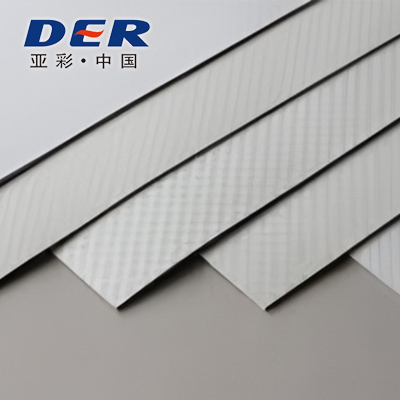
PTFE Fiberglass Membrane Roll
Woven fiberglass reinforcement combined with PTFE coating for demanding architectural membrane structures where fire safety, dimensional stability, clean appearance and long-term outdoor performance are important.
What Is a PTFE Architectural Membrane?
A PTFE architectural membrane is a coated fiberglass textile used as a tensioned structural skin for roofs, canopies, façades and shade structures. The fiberglass base fabric provides dimensional stability and mechanical strength, while the PTFE coating helps the surface resist weathering, UV exposure, pollution and long-term outdoor aging.
Compared with many short-cycle covering materials, PTFE coated fiberglass membrane is normally selected for permanent or premium architectural projects where the owner expects a clean visual surface, reliable load transfer, fire-safety performance and reduced maintenance over time.
DERFLEX positions this page for buyer intent: architects and engineers may specify the material, but contractors, membrane fabricators, importers and project procurement teams need a supplier that can convert drawings and performance targets into a practical material proposal.
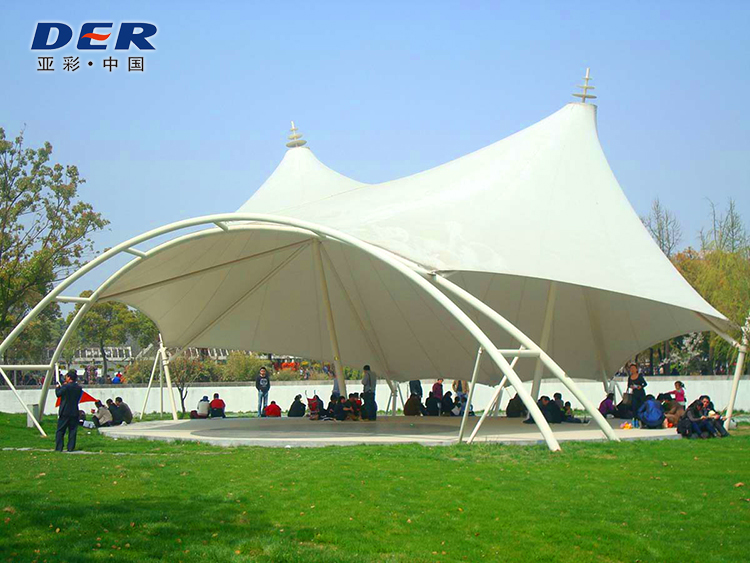
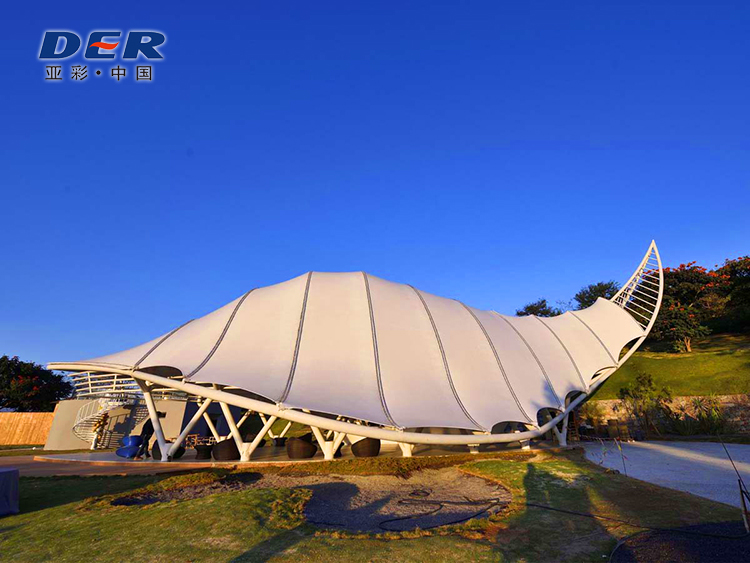
Why Project Buyers Specify PTFE Coated Fiberglass Membrane
For long-life tensile architecture, the purchasing decision is usually based on a combination of structural performance, appearance stability, fire behavior, daylight quality and supplier reliability.
Dimensional Stability for Tensioned Forms
The fiberglass reinforcement helps the membrane maintain shape under tension, making it suitable for curved roof forms, tensile façades, large-span structures and precise panel fabrication.
Clean Appearance Over Time
The PTFE surface has low dirt adhesion characteristics. In many outdoor structures, rain can help remove surface dust and support a cleaner long-term visual impression.
Fire-Safety Direction for Public Buildings
PTFE fiberglass membranes are commonly selected for public and high-occupancy structures because the inorganic fiberglass substrate supports stronger fire-safety positioning than many organic fabric routes.
Comfortable Daylight Diffusion
Controlled translucency can help bring natural daylight into the covered space while reducing harsh glare, creating a softer environment for stadiums, transit hubs, plazas and atriums.
Weather and UV Resistance
PTFE coated fiberglass membrane is chosen for exterior exposure where sunlight, rain, temperature changes and pollution are part of the daily operating environment.
Suitable for Iconic Architecture
Lightweight membrane surfaces allow architects to create flowing forms, long spans and distinctive roof silhouettes without relying only on heavy rigid materials.
PTFE Architectural Membrane Specification Reference
Final values should be confirmed according to the project location, structural design, code requirements, fabrication method and testing standard.
| Product Direction | PTFE coated fiberglass architectural membrane for tensile roofs, façades, canopies and permanent lightweight structures. |
|---|---|
| Base Fabric | Woven fiberglass fabric selected for tensile performance, dimensional stability and project-grade membrane construction. |
| Coating Material | PTFE fluoropolymer coating, designed for outdoor weathering, chemical resistance, clean surface behavior and long-term appearance retention. |
| Typical Weight Range | Approx. 800–1500 GSM, with project-specific recommendations available after reviewing drawings and performance targets. |
| Tensile Strength Direction | Can be developed for high-load architectural use; specific warp and weft values should be confirmed by data sheet and test report. |
| Light Transmission | Common project ranges can be adjusted according to daylight, shading and privacy requirements. |
| Surface Options | Solid membrane or mesh direction can be discussed depending on airflow, façade shading, visual design and structural requirement. |
| Fire Performance | Fire-performance direction should be matched with the target market and requested testing standards before bulk confirmation. |
| Project Support | Material proposal, sample review, roll supply, batch identification, packing coordination and export documentation support. |
Where DERFLEX PTFE Architectural Membranes Are Used
The material is suited to projects that need lightweight coverage, long service planning, daylight control and strong architectural identity.
Stadium & Arena Roofs
For sports venues and spectator areas where long spans, durability and visual consistency are important.
Canopies & Public Shade
For entrance structures, plazas, park shelters, amphitheaters and civic shade projects.
Transportation Hubs
For airport, station, walkway and transit-cover projects requiring durable membrane envelopes.
Commercial Buildings
For shopping centers, hotels, exhibition halls and business complexes with distinctive roof forms.
Façades & Shading
For vertical fabric skins, rooftop shade structures and breathable architectural screening systems.
Landmark Architecture
For long-term projects where aesthetics, lightweight form and material stability are part of the design value.
How to Choose a PTFE Architectural Membrane Supplier
A serious membrane project needs a supplier that understands procurement risk, not only a seller that can quote a square-meter price.
Define the Project Type
Roof, façade, canopy, walkway, parking shade or public structure.
Review Climate Exposure
UV intensity, wind, rain, snow, pollution, temperature and coastal conditions.
Confirm Safety Target
Fire rating, local building code and documentation needed by the project.
Match Fabrication Method
Panel cutting, edge detailing, clamping, tensioning and seam planning.
Control Batch Supply
Roll width, packing, labels, color consistency and repeat purchasing record.
Why Buyers Work with DERFLEX for PTFE Membrane Projects
DERFLEX combines coated fabric manufacturing experience, technical textile knowledge, project communication and export supply support for architectural membrane buyers.
DERFLEX Project Supply Approach
- Material route discussion based on drawings, use environment and project target.
- Support for PTFE, PVC/PVDF and other membrane material comparison when buyers are still selecting.
- Sample and specification review before bulk ordering.
- Roll packing and batch identification for international project logistics.
- Technical communication for contractors, fabricators and distributor teams.
- Long-term supply planning for repeat architectural material purchases.
Common Procurement Risks to Avoid
- Choosing only by price without verifying base fabric, coating and testing direction.
- Ignoring light transmission, surface appearance and color consistency before approval.
- Using a general covering fabric for a permanent public structure.
- Confirming a roll width before the fabricator checks panel layout and cutting loss.
- Missing fire-performance documentation needed for local project approval.
- No batch record for replacement rolls or future expansion phases.
Explore Related Architectural Membrane Pages
These internal resources help buyers compare membrane routes and build a complete material specification for different project budgets and design expectations.
What to Send Before Asking for a Quotation
A complete request helps DERFLEX avoid vague recommendations and prepare a more accurate PTFE architectural membrane proposal.
Project Drawing or Layout
Send structure type, panel layout if available, target span, curve form, installation location and the role of the membrane in the building envelope.
Performance Requirement
Share expected lifespan, fire rating direction, light transmission target, color preference, climate exposure and local approval requirements.
Purchasing Details
Confirm roll width preference, quantity estimate, delivery country, packing requirement, sample needs, inspection documents and target delivery schedule.
PTFE Architectural Membrane Supplier FAQ
Answers for fabricators, contractors, distributors and project procurement teams evaluating PTFE coated fiberglass membrane materials.
What is the main use of PTFE architectural membrane?
PTFE architectural membrane is mainly used for tensile roofs, stadium covers, airport terminals, canopies, walkways, façades, shade structures and landmark public buildings where long-term outdoor performance is required.
Is PTFE architectural membrane different from PVC/PVDF membrane?
Yes. PTFE membrane normally uses fiberglass reinforcement and a PTFE coating, while PVC/PVDF membrane usually uses polyester base fabric with PVC coating and optional PVDF top treatment. PTFE is generally selected for more permanent, premium or fire-safety-driven structures, while PVC/PVDF can be suitable for many cost-sensitive tensile projects.
Can DERFLEX provide solid and mesh PTFE membrane directions?
DERFLEX can discuss the suitable material route according to project use. Solid membrane may be preferred for weather protection and controlled daylight, while mesh directions may be considered for shading, airflow and façade applications.
What information is needed for a PTFE architectural membrane quotation?
Useful details include project type, drawings, target span, location climate, fire rating requirement, color, light transmission target, roll width, quantity, packing, delivery country and whether samples or test documents are required.
Does DERFLEX support contractors and membrane fabricators?
Yes. DERFLEX supports contractors, fabricators, distributors and OEM buyers with material recommendation, sample review, specification communication, roll supply and export documentation coordination.
Can PTFE membrane be used for public buildings?
PTFE coated fiberglass membrane is widely considered for public and high-occupancy building projects because of its long-term outdoor durability, dimensional stability, light diffusion and fire-performance direction. Final suitability should be confirmed according to local standards and project testing requirements.
Source PTFE Architectural Membrane from DERFLEX
Send your project drawing, application, climate exposure, fire-performance target, quantity and delivery market. DERFLEX will review the request and prepare a suitable membrane material direction for quotation.