Does the leather work in the finished product?
Grain, gloss, hand feel, backing, thickness, stretch, sewability, wrapping behavior and cleaning expectations should be connected to the real component—not selected from appearance alone.



 Custom synthetic leather for international B2B supply
DERFLEX supports importers, distributors, furniture manufacturers, automotive suppliers, bag factories and private-label programs that need more than a sample card. We coordinate the PU leather specification, sample approval, roll format, packing details and repeat-order reference so international sourcing is easier to control from inquiry to shipment.
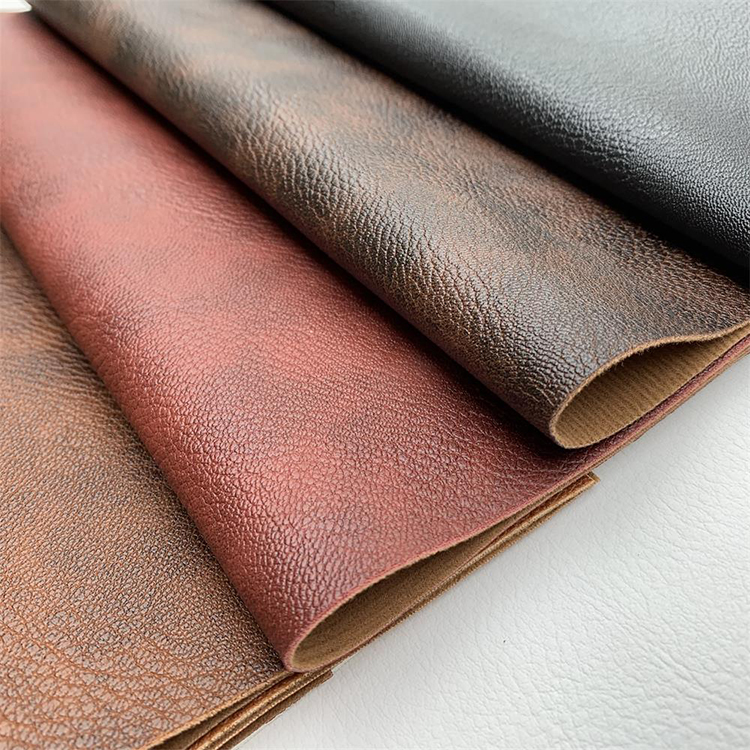
PU leather exporter is a purchasing-intent search. Buyers using this phrase are usually not asking for a basic definition of polyurethane leather. They are trying to identify a supplier that can deliver bulk material across borders with a specification that survives both manufacturing and replenishment.
That changes the sourcing conversation. The buyer must know which surface and backing will work in the final product, how the color and embossing will be approved, what roll width and packing format fit the factory and warehouse, which performance requirements need a named test, and what information is required before goods leave the production site.
DERFLEX approaches export supply as a controlled chain: product brief → material direction → sample approval → production reference → inspection points → packing → shipment coordination → repeat-order record. The purpose is not to make broad promises. It is to reduce avoidable ambiguity before money, production time and ocean or air freight are committed.
International PU leather procurement usually succeeds when product fit, commercial fit and export execution are evaluated together.
Grain, gloss, hand feel, backing, thickness, stretch, sewability, wrapping behavior and cleaning expectations should be connected to the real component—not selected from appearance alone.
MOQ, color continuity, roll format, replenishment frequency, private-label packing and sample-to-bulk consistency influence the economics of a distributor or OEM program.
Destination, packing marks, roll labels, freight basis, shipment timing and buyer-requested documentation should be clarified before dispatch rather than after cargo is ready.
A defined handover sequence gives importers clearer checkpoints and makes repeat orders easier to reproduce.
Share the finished product, wear zone, destination market, production method and expected order cycle.
Confirm color, grain, gloss, hand feel, backing, thickness direction and any named performance route.
Align roll width, length, cores, labels, carton or roll marks, quantity tolerance and private-label requirements.
Use approved samples and written specifications to guide appearance, defects, roll format and test checkpoints.
Confirm packing list information, shipment marks, freight handover details and documentation requested by the buyer.
Exact values depend on the selected construction and project. This table shows the variables an importer should define before comparing quotations.
| Specification Area | Development Direction | What the Importer Should Confirm |
|---|---|---|
| Surface appearance | Smooth, napa-style, pebbled, lychee-style, fine grain, matte, semi-matte, semi-gloss, printed or project-specific embossing. | Physical swatch or approved image, embossing depth, sheen and acceptable visual reference. |
| Color program | Standard colors or custom matching for a collection, product line or brand program. | Reference standard, lot-to-lot expectation and whether a retained approved sample is required. |
| Backing | Knitted, woven, nonwoven, polyester-base, microfiber or project-matched substrate direction. | Sewing, stretching, wrapping, bonding, laminating, tear behavior and dimensional needs. |
| Thickness & body | Customized according to structure and application; soft, supple, structured or tighter-hand directions can be discussed. | Nominal target, tolerance method and how the finished product must drape, fold or wrap. |
| Roll format | Width, roll length, core, roll direction, labels and packing can be coordinated for the program. | Cutting marker, machine width, warehouse handling and container/load planning requirements. |
| Performance route | Abrasion, flexing, hydrolysis, coating adhesion, cleanability, water-resistance direction, UV/weathering direction, mildew or flame-test pathway when relevant. | Named method, condition, sample preparation and pass value. Marketing adjectives should not replace a measurable requirement. |
| OEM / private label | Roll labels, carton or bundle marks, collection codes, barcode/identification direction and export packing. | Artwork, language, traceability needs, packing marks and destination instructions. |
| Commercial terms | MOQ, sample route, quantity, production schedule and repeat-order planning discussed after material direction is known. | Required volume, replenishment frequency, delivery window, Incoterm/freight basis and destination. |
The same PU leather roll can carry very different commercial risk depending on who is buying it and how it will be converted or resold.
Need assortments that can be sampled, quoted, stocked and replenished with clear roll identification and dependable collection references.
Wholesale · Stock program · Repeat ordersOften prioritize hand feel, large-surface appearance, cushion wrapping, seam quality, cleanability and color continuity across multiple SKUs.
Sofas · Chairs · Contract seatingMay require tighter surface control, wrapping compatibility and project-specific ageing, contact, cleaning or cabin-environment verification.
Seats · Bolsters · Panels · TrimSelection is influenced by folding, edge behavior, stitch response, body, scuff zones and color/grain consistency across components.
Handbags · Backpacks · Travel goodsProjects often balance appearance, cleaning routines, repeatability and phased deliveries where matching replacement material matters.
Hotels · Restaurants · OfficesWipeability, cleaner compatibility, surface integrity and the fabrication method should be confirmed against the actual equipment or mattress application.
Mattress covers · Exam surfaces · SeatingA lower material quote does not automatically mean a lower purchasing cost after conversion, packing, freight and quality variation are included.
Two PU leather quotations may use the same general product name while differing in usable width, backing, thickness, roll length, surface build, color consistency, packaging and expected conversion yield.
For a manufacturer, cutting waste or rework can erase a small price advantage. For a distributor, inconsistent shade or embossing can create slow-moving stock. For an importer, poorly planned roll dimensions can increase handling or freight inefficiency.
The more useful comparison is the specification behind the number and the exporter’s ability to reproduce it.
Inspection is more effective when the checkpoints are agreed before production, not when the rolls are already waiting for shipment.
Color, grain, gloss, hand feel and backing compared with the retained approved reference.
Width, length/quantity, surface defects, identification and packing direction reviewed against the order.
Named tests or project-specific verification carried out where required and agreed for the selected material.
Marks, labels, packing information, shipping handover data and requested commercial documentation aligned before dispatch.
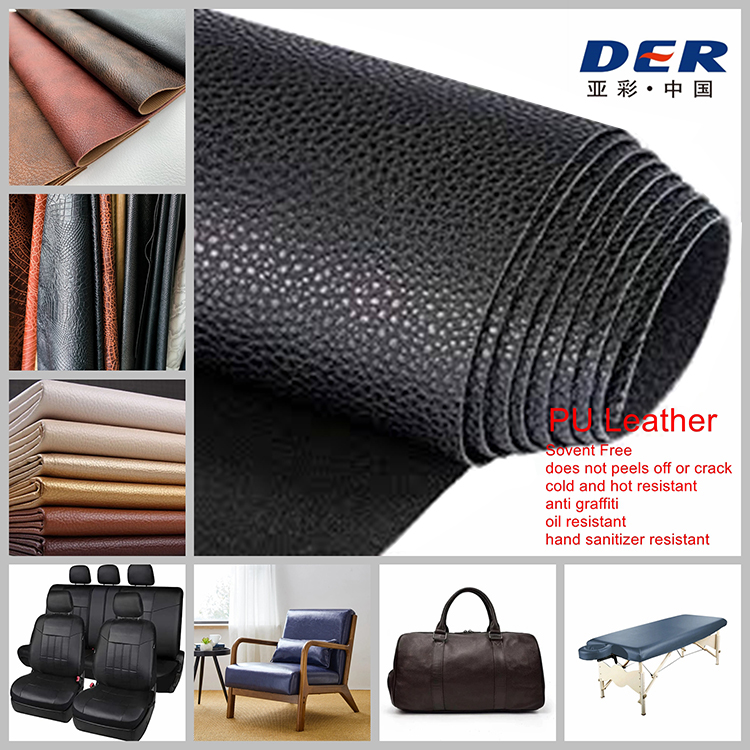
DERFLEX’s published company information states an integrated production area of 60,000㎡, more than 450 full-time employees, over 25 senior engineers and customers in more than 120 countries and regions. These company-scale resources support coated-material development, sample review and repeat-order coordination for B2B buyers.
For PU leather export projects, the practical value is the ability to discuss material variables and commercial variables in the same sourcing process: what the surface should look like, how the backing should behave, what the factory needs for conversion, what the importer needs for packing and what must be retained for future replenishment.
These six related pages cover manufacturer capability, supplier selection, China sourcing, wholesale roll programs, bag applications and hydrolysis-resistant material direction.
The closer the inquiry is to the real product and shipping plan, the easier it is to avoid irrelevant samples and incomparable prices.
That is a workable starting point. Send the swatch together with the finished application, estimated quantity, production method and destination. A useful match should review the backing and processing behavior as well as the visible surface.
Look beyond catalog size. Confirm whether the supplier can connect the end use to surface, backing, thickness and processing requirements; preserve an approved reference for bulk orders; coordinate roll format and packing; discuss project-specific tests; and clarify export information before dispatch.
DERFLEX supports custom synthetic leather programs in which grain, color, gloss, hand feel, backing, thickness direction, roll format, labels and packing can be discussed around the buyer’s application and order plan. Final feasibility, MOQ and specifications are confirmed for the selected construction.
Common directions include furniture upholstery, office seating, automotive interiors, bags and luggage, hospitality seating, marine seating, medical or care surfaces and decorative products. The applications should not be treated as one universal specification; each program requires its own exposure, processing and performance review.
Commercial and technical documentation depends on the material, destination, buyer requirements and test program. Buyers should state required invoices, packing information, declarations, test reports, restricted-substance documents, certificates or buyer-specific forms before the order is released so availability and scope can be confirmed.
Compare the complete specification: usable width, roll length, backing, thickness, surface construction, approved color/grain reference, testing, MOQ, packing, freight basis, conversion yield and repeat-order consistency. A lower price per meter may not deliver a lower landed or converted cost.
These performance directions can be discussed for selected constructions, but they should not be assumed from the material name alone. When such properties matter, define the exposure and, where possible, a named test method, condition and acceptance level before sampling and bulk production.
Send DERFLEX your application, sample or target surface, color, grain, backing, thickness direction, roll width, quantity, destination, packing requirements and any required tests. The team can review a practical sampling and bulk-supply route.
Product descriptions, development directions and specification examples on this page are provided for B2B sourcing discussion. Final composition, dimensions, tolerances, performance, test results, compliance documentation, MOQ, lead time, packing, shipping terms and finished-product suitability should be confirmed for the approved material, written order specification, destination market and processing conditions. Company scale figures are based on published DERFLEX company information and may be updated separately from this page.