Kiln & Preheater Ducts
Thermal movement and hot gas dominate, while particulate and radiant heat can make direct textile exposure severe. Expansion-joint liners, hot-face layers and stand-off geometry may be as important as the coated fabric itself.
Application-focused coated fiberglass roll material for cement-plant fabric expansion joints, high-temperature duct connectors, removable insulation covers and flexible heat-protection components exposed to dust, vibration, weather and repeated maintenance.
DERFLEX can review one- or two-side silicone coating, total weight, thickness, width, color, roll format and converter requirements around the actual temperature at the fabric layer, abrasive dust load, movement cycle, process media and required test route.
Final coating formulation, usable temperature, flame-performance route, weight, thickness, width and cement-plant suitability must be confirmed for the ordered grade and completed assembly.
Silicone coated fiberglass fabric is used in cement plants where a flexible textile must combine heat-resistant fiberglass reinforcement with a coated surface that can better tolerate handling, moisture, weather, dust contamination, abrasion and repeated movement.
Typical cement-industry uses include protective or flexible layers in fabric expansion joints, vibration-isolation duct connectors, outer shells of removable insulation jackets, and selected maintenance or heat-shield products around kilns, preheaters, clinker coolers, mills, fans and dust-control systems.
The important limitation is that cement process-gas temperature is not automatically the allowable temperature of the silicone-coated fabric layer. Hotter ducting may require a flow liner, insulation, a dedicated high-temperature hot-face textile or a multi-layer expansion-joint design so the silicone composite remains within the confirmed service range of the selected grade.
“Cement plant heat-resistant fabric” can mean very different duties. Heat, dust loading, gas velocity, vibration, condensation and maintenance access vary sharply between the kiln system, cooler, mills and dedusting lines.
Thermal movement and hot gas dominate, while particulate and radiant heat can make direct textile exposure severe. Expansion-joint liners, hot-face layers and stand-off geometry may be as important as the coated fabric itself.
Hot air, clinker dust, vibration and repeated equipment movement create combined thermal and abrasion loads. Flexible connectors and joints should be selected around actual air temperature, dust impact and movement.
Fans, separators and mill circuits can add vibration, pressure fluctuation and fine mineral dust. Connector stiffness and edge attachment become important for repeated vibration isolation.
Dust collection ducting may operate at a lower fabric-layer temperature than the kiln zone, but particulate buildup, negative pressure, cycling and maintenance handling can still control material choice.
Flexible connectors around fans and blowers primarily manage vibration and limited movement. Pressure, face-to-face distance, pulse loading, duct temperature and clamp geometry should be supplied before sampling.
Removable insulation covers need reusable outer textiles that tolerate dust, handling and outdoor exposure while preserving access for plant shutdowns and maintenance work.
Use this as a purchasing framework, not a finished-system design table. Final suitability depends on the exact roll grade plus the completed connector, jacket or expansion-joint assembly.
| Cement-Plant Condition | Starting Material Direction | Why Buyers Consider It | Confirm Before Ordering |
|---|---|---|---|
| Repeated flexing + dust + outdoor handling | Two-side silicone coated fiberglass | Balanced coated surfaces can support repeated folding, maintenance handling, moisture exposure and abrasion on either face. | Fabric-layer temperature, bend radius, movement cycles, coating mass, seam route, edge reinforcement and clamp geometry. |
| Directional exposure + lower coating mass | One-side silicone coated fiberglass | Useful when one face carries the main weather, contamination or abrasion exposure and lower bulk or flexibility is preferred. | Which side faces the process/environment, raw-face behavior, seam orientation and edge exposure. |
| Abrasion-prone expansion-joint outer layer | Higher-weight silicone fiberglass within an approved program | A more substantial substrate/coating construction may improve handling durability. | Do not choose by GSM alone; compare weave, silicone loading, stiffness, flex fatigue and liner protection. |
| Defined flame-retardant material requirement | FR silicone coated fiberglass | A project-specific flame-retardant direction can be evaluated when the required test route is known. | Exact ASTM / EN / DIN / NFPA / customer method and whether the report applies to the ordered grade and finished assembly. |
| Chemical-facing / low-adhesion barrier role | Compare PTFE-coated fiberglass or another barrier material | PTFE can be more appropriate when chemical resistance, release behavior or low friction dominates the layer function. | Gas composition, condensate, acids/alkalis, process dew point, barrier requirement, temperature and seam method. |
| Process temperature above the silicone composite range | Multi-layer system with dedicated hot-face protection | Separates thermal, barrier, reinforcement and external-protection functions so each layer works within its service envelope. | Full thermal profile, hot-face exposure, insulation, liners, pressure, particulate load, movement and system engineering. |
Cement-plant flexible joints are often layered systems. A material can be suitable for the outer or load-bearing role while being unsuitable as a direct hot-face or chemical barrier.
Define continuous/peak temperature, dust loading, gas velocity, pressure, chemistry, condensation and upset conditions.
A liner or higher-temperature textile may shield the flexible belt from direct radiant heat, turbulent flow and abrasive mineral particles.
Insulation and gas-seal layers are selected according to thermal reduction, process chemistry and the leakage requirement of the joint.
Often evaluated for flexibility, reinforcement, weather resistance, handling durability and repeated movement when the material-layer temperature is suitable.
The following values are current DERFLEX published family directions. They are not universal guarantees for every construction.
| Specification Item | DERFLEX Published Direction | Why It Matters in Cement Plants |
|---|---|---|
| Base substrate | Woven fiberglass cloth; E-glass or project-matched fiberglass construction depending on the selected grade. | Controls dimensional stability, drape, textile strength and the thermal backbone beneath the coating. |
| Coating | Silicone rubber on one side or both sides; FR silicone direction can be reviewed for defined project requirements. | Affects surface protection, moisture resistance, handling, cleanability, flexibility and total coating mass. |
| Total weight | Approx. 260–2000 g/m² across current DERFLEX silicone-fabric programs. | Heavier is not automatically better; weight must be balanced with stiffness, repeated movement and fabrication. |
| Thickness | Approx. 0.25–3.0 mm depending on base fabric and silicone loading. | Influences bend radius, seam bulk, clamp compression, folding behavior and packing. |
| Common widths | 1000 / 1200 / 1500 mm common directions; other widths depend on product structure and production route. | Wider material can reduce splices and improve cutting yield for large belts, jackets and connector panels. |
| Color direction | Red, grey, black, white, yellow and project-defined colors subject to formulation and production review. | Can support plant identification, OEM coding and visual inspection programs. |
| Temperature selection | Selected grades are commonly discussed around approximately 230–287°C continuous exposure at the silicone surface; exact grade must be confirmed. | The fiberglass substrate and silicone coating have different temperature limits; hotter cement zones may require a protected multi-layer assembly. |
| Supply format | Roll goods, slit widths, cut pieces and selected converted directions subject to project review. | Supply format should match cutting, sewing, splicing, jacket manufacturing or joint fabrication workflow. |
A silicone fiberglass roll can look acceptable in a static sample but fail early when the joint geometry, dust flow, clamp area or thermal profile is not considered.
Fine mineral particles and turbulent flow can abrade flexible belts. A liner, stand-off or sacrificial hot-face layer may be required so the coated fabric does not receive direct particulate impact.
Kiln and cooler systems heat and cool during startup, shutdown and process changes. Repeated cycling can affect flex fatigue, folds, seams and clamp zones even when steady-state temperature appears acceptable.
State axial, lateral and angular movement plus vibration amplitude and cycle frequency. Large-movement expansion joints and short vibration connectors need different fabric behavior.
A dry hot gas stream can create a different chemical condition after cooling. Provide sulfur-bearing gases, acids/alkalis, wash-down media, condensate and wet/dry cycling where relevant.
Bolts, sharp frame edges and excessive compression can damage an otherwise strong textile. Edge radius, reinforcement, bolt spacing, pre-tension and sealing method should be checked together.
Cement plants often rely on planned outages. Material selection should consider how quickly a belt, connector or insulation cover can be inspected, removed, handled and replaced without unnecessary rework.
The same material family can perform different roles. Define the finished component before freezing the roll specification.
| Finished Component | Typical Role of Silicone Fiberglass | Main Questions Before Selection |
|---|---|---|
| Kiln / preheater fabric expansion joints | Outer protective, load-bearing or flexible layer in a single- or multi-layer assembly. | Gas temperature, fabric-layer temperature, dust loading, pressure, movement, liners, gas chemistry, condensate, seam/splice and clamps. |
| Clinker-cooler flexible connectors | Vibration-isolation and movement layer where hot air, dust and repeated motion must be balanced. | Air temperature, dust impact, vibration amplitude, connector length, pressure, steel edge attachment and bend behavior. |
| ID / FD fan connectors | Flexible connector between rigid fan and duct interfaces. | Temperature, negative/positive pressure, pulse loading, face-to-face length, flange geometry and movement cycle. |
| Removable insulation jackets | Outer / cold-face shell for reusable valve, flange, pipe and hot-equipment covers. | Actual outer-fabric temperature, radiant heat, maintenance cycle, dust, moisture, outdoor exposure, seams and closures. |
| Maintenance heat shields | Converted protective textile for selected hot-work or adjacent equipment shielding. | Spark/spatter severity, orientation, contact time, exact test route and whether the selected fabric is the correct hot-face construction. |
| Dust-collection duct connectors | Flexible section for movement or vibration isolation where process conditions fit the grade. | Dust concentration, velocity, temperature, negative pressure, condensation, flexing and cleaning conditions. |
The following errors can create unsuitable samples, premature wear or quotations that are not technically comparable.
Separate process-gas temperature from the expected temperature at the silicone-coated textile layer.
Weave, silicone loading, thickness, stiffness, coating continuity and flexing behavior can differ at similar weight.
Abrasion often depends on flow direction, particle size, velocity, liner design and local turbulence—not only on fabric hardness.
Heat resistance, flame retardancy, welding-spatter resistance and certified fire performance are different requirements. State the exact test method.
Trial cutting, seams, splices, edge reinforcement, clamp compression and actual movement before repeat bulk orders.
Condensation can change chemistry. Include wet/dry cycling, cleaning agents and expected condensate rather than reporting only the hot dry gas.
These are real images hosted on DERFLEX.com. They can be used for material explanation, image search visibility and buyer understanding. Add approved cement-plant project photography when available.
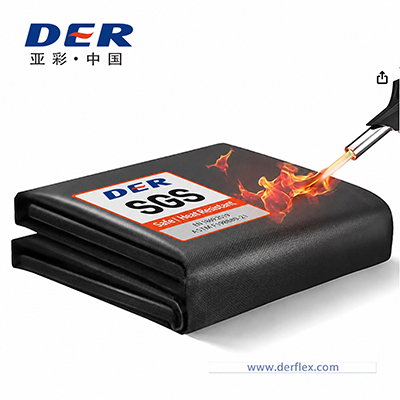
Primary material image for cement-plant flexible joints, covers and heat-protection conversion.
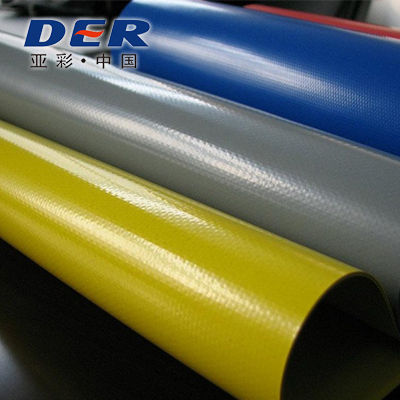
Useful beside coating, surface, drape, cutting and converter-handling explanations.
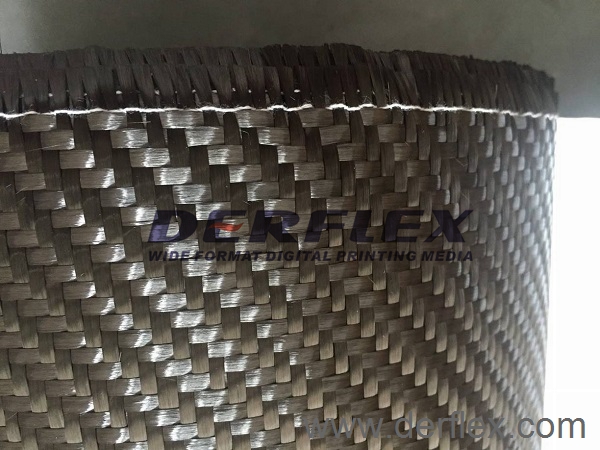
Shows the textile backbone that provides dimensional stability beneath a functional coating.
Supports custom coating, color and broader industrial textile supply for OEM and maintenance programs.
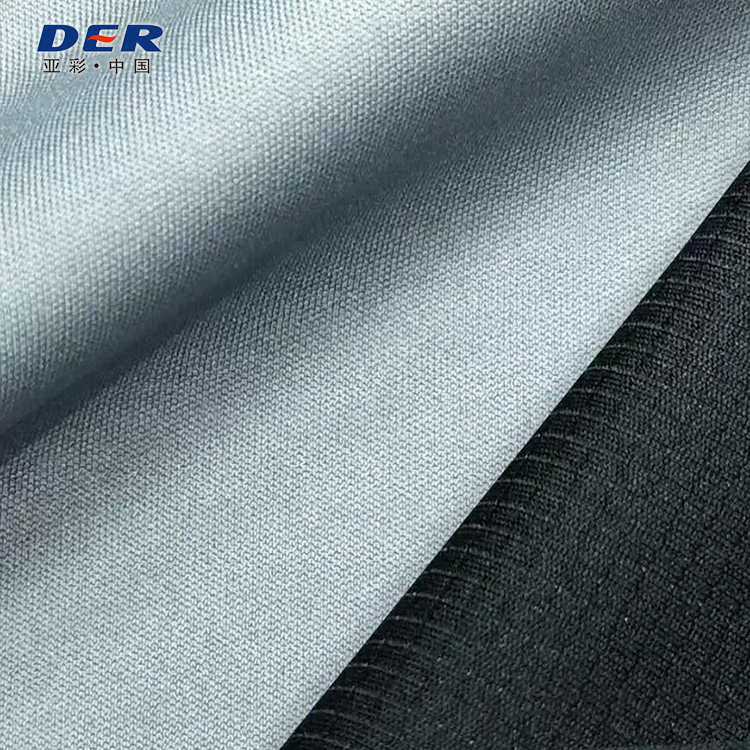
Useful for explaining substrate, coating and layer-function selection in multi-layer industrial assemblies.
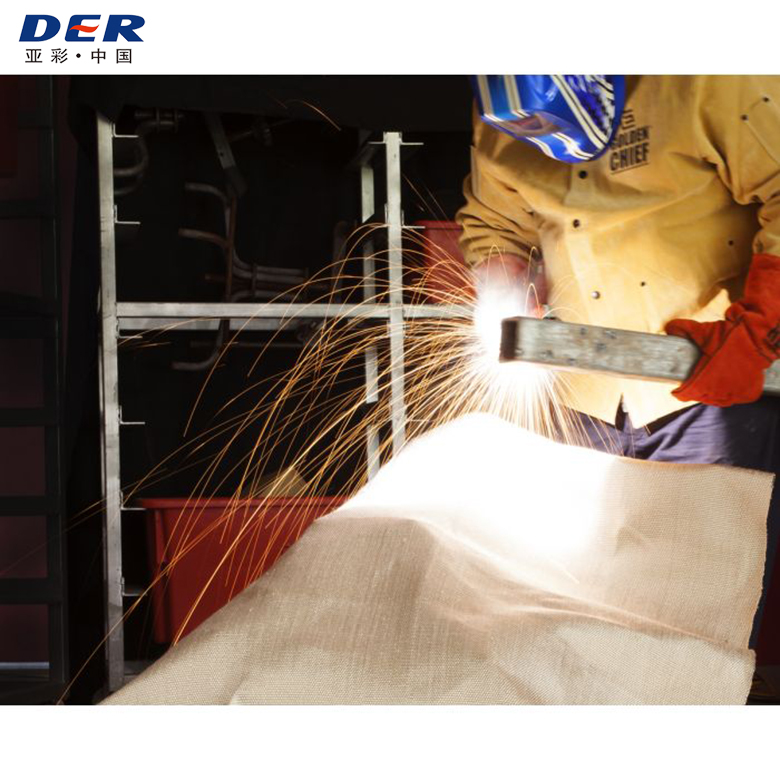
Illustrates converted heat-resistant textile protection relevant to shutdown maintenance and hot-work areas.
A useful RFQ defines the duty of the finished component instead of requesting only “red silicone fiberglass cloth.”
For OEM fabricators, EPC supply programs and maintenance contractors, repeatability matters more than simply matching the color or nominal GSM of one sample.
DERFLEX can discuss plant area, temperature, dust, chemicals, movement, coating side, weight, thickness and converter route before sampling.
Base cloth, silicone coating structure, width, color, roll length, packing and selected OEM requirements can be reviewed around the project.
Record the approved base fabric, coating side, total weight, thickness, width, color, surface, packing and fabrication behavior for repeat orders.
Six verified DERFLEX pages connect this application with the underlying material and adjacent thermal systems.
Short answer-first responses for material comparison, application review and procurement planning.
Not by default. Direct use depends on the temperature actually reaching the selected composite. Hotter kiln or preheater zones may require stand-off distance, insulation, liners or a dedicated hot-face textile.
Yes, it is commonly evaluated for flexible, protective or load-bearing layers where heat, dust, movement and weather must be balanced. The complete joint still needs pressure, movement, gas chemistry, liner and clamp validation.
There is no universal best GSM. Compare fiberglass weave, silicone loading, thickness, stiffness, flex cycle, abrasion exposure, seam design and the role of the material in the finished assembly.
One-side coating can suit directional exposure and lower coating mass. Two-side coating is often considered where both faces see dust, moisture, handling or repeated folding. Final choice depends on the joint geometry and layer role.
Compare PTFE when chemical-facing behavior, low adhesion or barrier performance is more important than a silicone surface. Multi-layer cement expansion joints may use different materials for thermal, barrier and outer-protection functions.
No. More weight can improve surface protection but can also increase stiffness and seam bulk. A flexible joint that cannot move cleanly can fail even when the roll itself is mechanically robust.
Procurement-focused answers for EPC contractors, expansion-joint fabricators, maintenance teams and industrial buyers.
There is no single temperature for every grade. Current DERFLEX product information discusses selected silicone-coated constructions around approximately 230–287°C continuous exposure at the silicone surface, while the fiberglass substrate itself can tolerate higher heat. Final selection must use the temperature at the actual fabric layer and the approved grade, not only the process-gas temperature.
DERFLEX can discuss project-based base cloth, one- or two-side silicone coating, total weight, thickness, width, color, roll length, packing and selected converter requirements. Availability depends on the final specification and production route.
The silicone surface can add useful handling and abrasion resistance, but high-velocity cement or clinker dust can still abrade a flexible belt. The finished joint may need a liner, shield or protected geometry so the textile is not subjected to direct particulate impact.
Not automatically. Cooler connectors add pressure, vibration, movement and dust flow, while insulation jackets emphasize reusable handling, outer-shell temperature, closures and maintenance access. One grade should only serve both after the most demanding relevant conditions are validated.
Many silicone-coated fiberglass constructions can be cut, sewn and converted, but thread, stitch density, overlap, edge reinforcement, splice method and clamp load should be trialed using the actual production grade before bulk approval.
Price can change with base fiberglass construction, silicone formulation and loading, one- or two-side coating, weight, thickness, width, custom color, testing/documentation, roll length, quantity, packing and conversion. Comparing only price per square meter can be misleading if the constructions are not technically equivalent.
Send the plant area, finished component, continuous and peak temperature, expected fabric-layer temperature, dust loading/velocity, gas chemistry and condensate, pressure, movement or vibration, target weight/thickness/width, coating side, color, fabrication method, test requirement, trial and bulk quantity, packing and destination. Drawings or failed-sample photos are especially useful for expansion-joint and connector programs.
Send DERFLEX the kiln / preheater / cooler / mill / fan / baghouse application, normal and peak temperatures, fabric-layer position, dust and gas conditions, pressure, movement, target weight/thickness/width, coating side, fabrication method, test route, quantity and destination. The team can review a practical silicone coated fiberglass direction for sampling and quotation.
Engineering boundary: This page provides material-selection and purchasing guidance. Final temperature capability, flame behavior, chemical compatibility, abrasion life, pressure/movement performance and system suitability must be validated for the exact ordered grade and completed cement-plant component.