


Silicone Coated Fiberglass Fabric for Power Generation
Application-focused silicone rubber coated fiberglass fabric for removable turbine insulation jackets, steam piping and valve covers, boiler / HRSG thermal protection, exhaust connectors and fabric expansion joint systems used in power-generation environments.
DERFLEX can review one- or two-side silicone coating, weight, thickness, width, color, roll format and converter requirements around the actual fabric-layer temperature, vibration, oil/steam exposure, maintenance cycle and required test route.
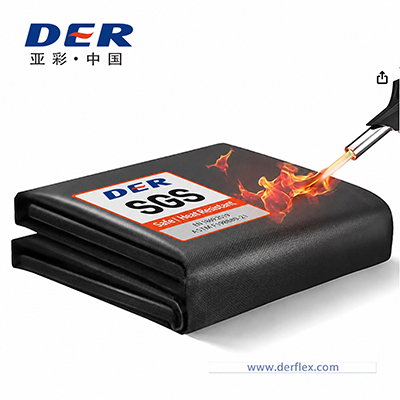
DERFLEX coated-fiberglass material reference. Final coating formulation, flame-performance route, weight, thickness, width, color and usable temperature must be confirmed for the ordered grade and the completed power-generation assembly.
Why is silicone coated fiberglass fabric used in power generation?
Silicone coated fiberglass combines a heat-resistant woven glass reinforcement with a flexible silicone surface that can add useful resistance to moisture, oil, weathering, repeated handling and abrasion. In power generation, it is commonly evaluated for the outer or cold face of removable insulation jackets, flexible thermal shields, turbine and steam-system covers, expansion-joint protective layers and hot-air or exhaust connector assemblies.
The critical limitation is that the temperature of the power-plant process stream or turbine casing is not automatically the temperature rating of the silicone-coated outer fabric. DERFLEX currently publishes silicone-coated constructions across roughly 260–2000 g/m2 and 0.25–3.0 mm, with selected grades commonly discussed around approximately 230–287°C continuous silicone-surface exposure. Hotter turbine, boiler or exhaust zones may require an insulation core and a dedicated high-temperature hot-face textile so the silicone layer stays within its own service envelope.
Do Not Specify the Outer Fabric from Turbine or Flue-Gas Temperature Alone
Power-generation insulation and flexible connector systems are assemblies. The hottest process temperature may be separated from the coated fabric by an air gap, insulation, a liner or a dedicated hot-face layer. The design should identify the job of each layer before the roll material is frozen.
Turbine / Steam / Exhaust
Define normal operating temperature, startup or trip peaks, radiant heat, hot spots and exposure time.
High-Temperature Inner Layer
A specialty fiberglass, silica or other engineered textile may be required where the inner layer sees higher direct heat.
Thermal Core / Air Gap
Selected around heat-loss target, thickness, compressibility, vibration, fit and the temperature reduction required at the outer shell.
Silicone Coated Fiberglass
Commonly evaluated for handling durability, moisture/oil exposure, cleanability, weather resistance and repeat removal.
Which Silicone Fiberglass Direction Fits Power-Generation Equipment?
Use the application as the starting point. The same roll should not automatically be used on a steam valve, a turbine exhaust jacket and a fabric expansion joint.
| Power-Generation Application | Typical Fabric Role | Starting Direction to Evaluate | Confirm Before Ordering |
|---|---|---|---|
| Steam turbine removable insulation jackets | Outer / cold-face shell around segmented reusable covers. | Flexible silicone-coated fiberglass; two-side coating can be considered where both faces see repeated handling, moisture or oil. | Outer-fabric temperature, radiant load, vibration, panel size, removal frequency, oil/steam contamination, seam and closure design. |
| Gas turbine exhaust & hot-section insulation covers | Outer protective textile when insulation keeps the silicone layer within the selected grade. | Silicone outer shell plus project-matched insulation and a hotter inner textile where required. | Direct-contact condition, local hot spots, peak duration, startup/shutdown cycles, vibration, radiant heat and hot-face construction. |
| Steam valves, flanges, traps & piping | Reusable weather / handling shell for removable insulation jackets. | One- or two-side silicone coating selected around exposure direction, cleaning and repeated maintenance. | Surface temperature, condensation, water paths, steam leaks, sharp edges, valve access, strap or D-ring layout. |
| Boiler / HRSG access areas & thermal covers | Flexible cover or shielding layer around serviceable equipment, doors, ducts and hot components. | Silicone-coated fiberglass or FR silicone direction when a defined flame test is part of the project. | Radiant heat, flame/spark exposure, exact test method, outdoor exposure, maintenance openings and reinforcement zones. |
| Flue-gas / exhaust fabric expansion joints | Outer protective, flexible belt or another functional layer in a single- or multi-layer joint. | Silicone-coated fiberglass for flexing / weather / handling; compare PTFE-coated fiberglass where chemical-facing barrier behavior dominates. | Gas chemistry, condensate, ash/dust, pressure, axial/lateral/angular movement, flex cycle, seam/splice and clamp geometry. |
| Fan, blower & high-temperature duct connectors | Flexible vibration-isolation connector between rigid equipment interfaces. | Silicone coated fiberglass when temperature, media and movement fit the selected grade. | Air/gas temperature, pressure, vibration amplitude, face-to-face distance, edge attachment, chemical media and seam method. |
| Generator / electrical insulation components | Only a project-qualified insulating textile or converted part where electrical performance is specifically tested. | Silicone fiberglass may be evaluated, but do not assume a thermal fabric grade automatically meets dielectric requirements. | Voltage, dielectric-strength requirement, insulation class, thickness, curing system, test standard, creepage/clearance and finished-part design. |
DERFLEX Silicone Coated Fiberglass Fabric — Power-Generation Purchasing Framework
The values below are current DERFLEX material directions used to start a technical discussion. They are not universal guarantees for every construction.
- Base substrateWoven fiberglass cloth; E-glass or project-matched fiberglass construction depending on strength, flexibility and heat requirement.
- CoatingSilicone rubber on one side or both sides; FR silicone direction can be reviewed when a defined test route is required.
- Total weightApprox. 260–2000 g/m2 across current DERFLEX silicone-coated fiberglass programs.
- ThicknessApprox. 0.25–3.0 mm depending on base fabric and silicone loading.
- Common widths1000 / 1200 / 1500 mm are common directions; other widths depend on product structure and production route.
- Color directionRed, grey, black, white, yellow and project-defined colors subject to formulation and order plan.
- Temperature selectionSelected silicone-coated constructions are commonly discussed around approx. 230–287°C continuous silicone-surface exposure; exact grade must be confirmed.
- Supply formatsRoll goods, slit widths, cut pieces and selected OEM converted formats according to project review.
What should a power-generation buyer define before sampling?
- Plant type: combined-cycle, thermal, CHP, biomass or other process.
- Equipment: turbine, valve, steam line, HRSG/boiler area, exhaust duct, expansion joint or connector.
- Normal and peak temperature, plus peak duration.
- Temperature at the intended fabric layer if known.
- Direct contact, radiant heat or insulated separation.
- Steam, condensate, lube oil, fuel, chemicals, ash or outdoor exposure.
- Vibration, movement and removal / reinstallation frequency.
- Required flame, smoke, electrical or customer-specific test method.
- Target weight / thickness / width, coating side, color and roll length.
- Sewing, grommeting, clamping, splicing or other conversion route.
Where Power Plants Convert Silicone Coated Fiberglass into Finished Components
The useful procurement question is not “Is silicone fiberglass high-temperature?” but “Which layer and which finished component must this grade become?”
Gas & Steam Turbine Jackets
Outer shells for segmented removable insulation systems around turbine housings, valves, flanges and service areas where maintenance access is essential.
Steam Piping & Valve Covers
Reusable protective shells where condensation, steam, oil, water, outdoor exposure and frequent removal can matter as much as headline temperature.
Boiler / HRSG Thermal Covers
Flexible protection around serviceable doors, ducts, piping components and hot equipment, with layer selection based on radiant load and maintenance geometry.
Exhaust Expansion Joints
Protective or flexible layers in non-metallic expansion joint systems that must accommodate thermal movement, pressure variation, vibration and weather exposure.
Fan & Duct Connectors
Flexible connector fabric that helps isolate vibration between fans, blowers, ducts and hot-air equipment when pressure, temperature and media are compatible.
Maintenance Heat Shields
Converted blankets, shields and temporary protection products used around hot-work zones, adjacent equipment or outage-maintenance activities after the exposure route is validated.
Power-Generation Conditions That Change the Fabric Specification
Startup, Shutdown & Thermal Cycling
Peaking plants and cyclic-duty equipment can see repeated heating and cooling. Provide the cycle pattern, not just the normal operating point.
Vibration & Large Panel Geometry
Turbines, fans and ducts can create continuous movement. Fabric stiffness, seam placement, local reinforcement and closure loads should be evaluated together.
Steam, Oil & Condensation
Water, steam leaks, lube oil and cleaning agents can change surface requirements and seam design. Chemical identity should be disclosed before approval.
Flue Gas, Ash & Condensate
Expansion-joint applications may add chemical condensate, particulates and gas velocity. Silicone fabric may be only one layer of a multi-material system.
Outdoor Weather & Drainage
Rain and UV exposure require more than a coated fabric. Finished covers should also control seam orientation, drainage paths, overlaps and water traps.
Defined Test Routes
“Fireproof” and “electrical insulation” are not universal claims. State the exact flame, smoke, dielectric or customer test method before quotation.
Silicone Fiberglass, PTFE Fiberglass or a Hotter Textile?
Power-generation systems often need different materials in different layers. The correct choice depends on the dominant load at the specific location.
Silicone Coated Fiberglass
Evaluate when: flexible handling, moisture/oil exposure, outdoor weather, abrasion support and reusable insulation fabrication are major priorities.
Common power role: outer shell, protective layer, flexible connector or selected expansion-joint layer.
PTFE Coated Fiberglass
Evaluate when: chemical resistance, low adhesion, release behavior or low friction is more important than a grippy silicone surface.
Common power role: selected chemical-facing or barrier-oriented components in ducts, covers or expansion-joint systems.
Specialty Hot-Face Textile
Evaluate when: the inner layer sees temperatures or radiant loads above the approved silicone composite range.
Common power role: hot face inside turbine, boiler, exhaust or high-radiant-heat insulation assemblies.
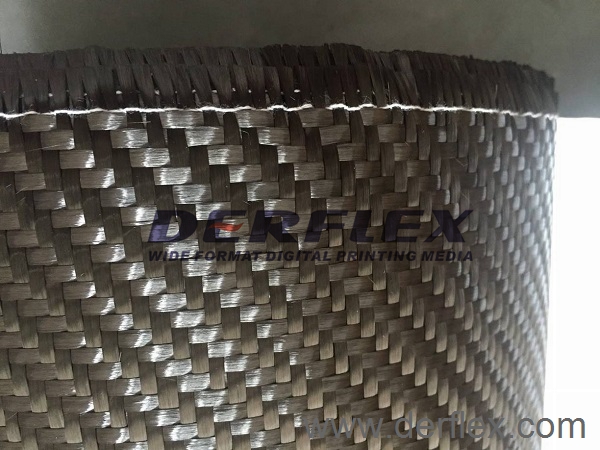
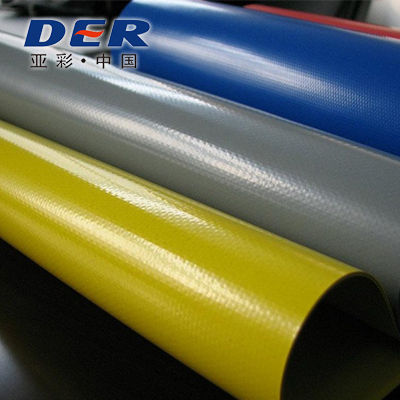
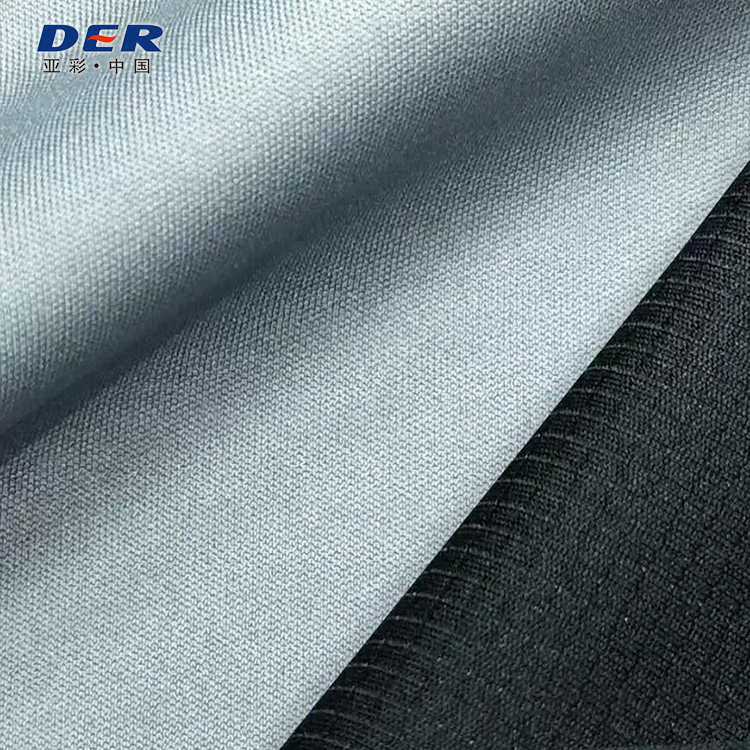
DERFLEX Coated-Fiberglass & Industrial Heat-Protection Reference Images
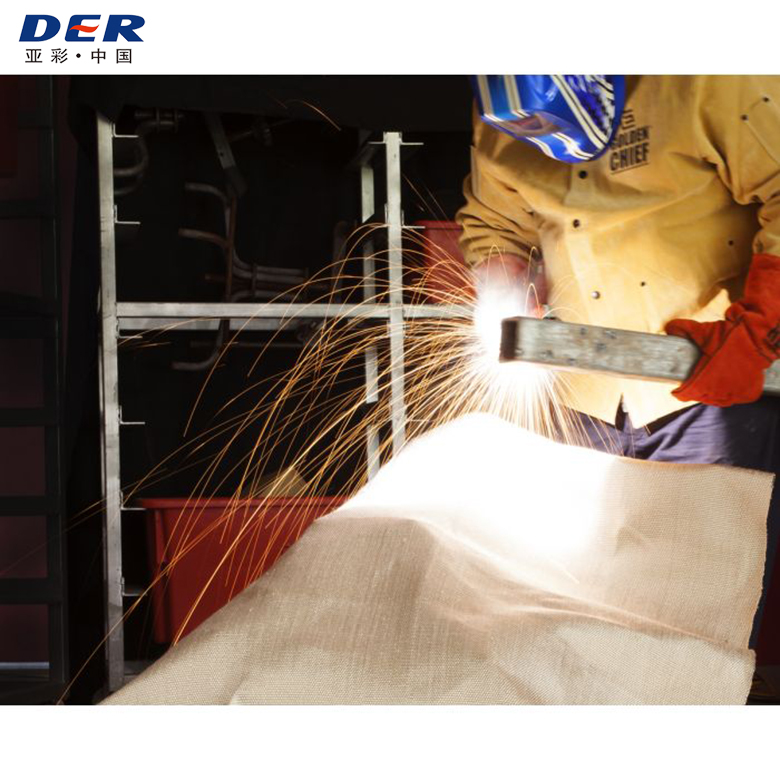
These images are hosted on DERFLEX.com and can be used immediately for material explanation and image search. Add approved turbine, HRSG, steam-line or plant-maintenance photos later when available.

Seven Mistakes That Create Rework in Power-Plant Thermal Fabric Programs
1. Using turbine or flue-gas temperature as the silicone fabric rating
Specify the actual temperature at the coated textile layer whenever possible.
2. Treating a raw fabric as a complete insulation system
Outer shell, hot face, insulation core, thread, closures and air gaps can all set the finished rating.
3. Buying only by GSM
Weave, coating loading, thickness, stiffness, drape and seam performance can differ even at similar weights.
4. Ignoring cyclic operation
Startup, shutdown and peaking duty can create repeated thermal and mechanical cycling that a steady-state number does not show.
5. Omitting steam, oil or condensate details
Contamination and wet conditions can change the preferred coating and finished-cover construction.
6. Requesting generic “fireproof” or “electrical” certification
Provide the exact test method, target value and whether it applies to raw material or the finished assembly.
7. Approving appearance but not conversion
Trial the actual sewing, edge reinforcement, grommet, clamp or splice route before repeat bulk production.
Build a Repeatable Power-Generation Fabric Specification
Power-generation buyers often need repeatable material across maintenance cycles, OEM equipment programs or multiple plants. DERFLEX can discuss the complete roll specification instead of quoting only a generic “silicone fiberglass cloth.”
20+ Years
Current DERFLEX technical fabric pages describe more than 20 years of coated-fabric experience.
60,000㎡
Current DERFLEX product pages cite an integrated production area of approximately 60,000 square meters.
450+ / 25+
Current DERFLEX silicone-fabric pages cite 450+ full-time employees and 25+ senior engineers.
120+ Markets
Current DERFLEX coated-fabric pages describe supply to customers in more than 120 countries and regions.
Sample-to-Repeat Control for OEM and Maintenance Programs
Record the approved base fabric, coating side, total weight, thickness, width, color, surface appearance, roll length, packing, fabrication behavior and required test documents. For turbine jackets, expansion joints or plant-wide maintenance materials, add an application code so repeat orders can be checked against the same duty instead of relying on color or GSM alone.
Continue Power-Generation Material Selection
Six verified DERFLEX pages connect this power-generation application with the underlying material and adjacent thermal systems.
Questions Power-Generation Engineers and Buyers Ask
Can silicone coated fiberglass touch a gas turbine casing directly?
Not by default. Direct-contact suitability depends on the exact casing temperature and selected composite grade. In hotter zones, silicone fiberglass is more often evaluated as an outer/cold-face shell with insulation and a dedicated hot-face layer between it and the heat source.
Is silicone fiberglass suitable for steam turbine insulation jackets?
Yes, it is commonly evaluated for removable-jacket outer shells because it combines heat-resistant glass reinforcement with a flexible surface that can handle moisture, oil and repeated maintenance. The actual temperature at the outer fabric must fit the approved grade.
Should a power-plant insulation fabric be coated on one side or both sides?
One-side coating can suit directional exposure and lower coating mass. Two-side coating is often considered for jackets that are folded, cleaned and reinstalled repeatedly or where either face can see moisture or oil.
When should PTFE-coated fiberglass be considered instead?
PTFE fiberglass is useful to compare where chemical-facing behavior, low surface adhesion or low friction is a stronger requirement. In expansion joints, different layers may use different materials for barrier, reinforcement and outer protection.
Can silicone coated fiberglass be used for generator electrical insulation?
It can be evaluated for selected electrical-insulation components, but a thermal-grade silicone fabric should never be assumed to meet dielectric requirements. Specify voltage, insulation class and the exact electrical test method before material approval.
What is the best GSM for power-generation silicone fiberglass?
There is no universal best GSM. Turbine jackets, steam-valve covers, duct connectors and expansion joints impose different loads. Compare weave, coating amount, thickness, stiffness, seam behavior, temperature and handling cycle together.
Silicone Coated Fiberglass Fabric for Power Generation FAQ
What temperature can DERFLEX silicone coated fiberglass fabric handle in a power plant?
There is no single temperature for every grade. Current DERFLEX material pages discuss selected silicone-coated constructions around approximately 230–287°C continuous exposure at the silicone surface, while the fiberglass substrate can tolerate higher temperatures. Final selection must use the temperature at the actual fabric layer, not only the process-gas or equipment-surface temperature.
Can DERFLEX customize silicone fiberglass for turbine insulation jacket manufacturers?
DERFLEX can discuss project-based base-cloth construction, one- or two-side silicone coating, total weight, thickness, width, color, roll length, packing and selected converter requirements. Feasibility depends on the final specification and production plan.
Is silicone coated fiberglass waterproof for outdoor power-plant covers?
The coated fabric surface can provide strong water resistance, but a sewn or assembled cover includes needle holes, seams, closures, overlaps and drainage paths. Outdoor water resistance must therefore be evaluated as a finished cover rather than inferred from the roll surface alone.
Can the same fabric be used for turbine jackets and fabric expansion joints?
Not automatically. Turbine jackets emphasize outer-shell handling, maintenance access and insulation architecture, while expansion joints add movement, pressure, gas chemistry, condensate, seam/splice and clamp-zone loads. Use one roll for both only after the most demanding relevant conditions are validated.
What test documents should I request for a power-generation project?
Request only the test routes required by the project, such as a defined flame or smoke method, customer specification, chemical compatibility route or electrical test. State the exact standard and acceptance criteria before quotation so the supplier can confirm whether the selected grade and report are applicable.
Can silicone coated fiberglass fabric be sewn and fabricated into custom covers?
Many silicone-coated fiberglass constructions are cut and sewn into insulation jackets, covers, blankets and connector components. The production needle, thread, stitch density, seam allowance, edge reinforcement, grommets or fasteners should be trialed on the selected grade before bulk conversion.
What affects price for power-generation silicone coated fiberglass fabric?
Price can change with base fiberglass construction, silicone formulation and loading, one- or two-side coating, weight, thickness, width, color, test/document requirements, roll length, quantity, packing and conversion. Comparing only price per square meter can be misleading if the constructions are not technically equivalent.
What information should I send DERFLEX for a quotation?
Send the plant and equipment type, fabric layer position, normal and peak temperature, direct-contact or radiant condition, steam/oil/chemical exposure, vibration or movement, target weight/thickness/width, coating side, color, fabrication method, test requirement, trial and bulk quantity, packing and destination. Drawings or photos are useful for OEM programs.
Specify the Fabric Around the Power-Generation Equipment — Not a Generic Heat Rating
Send DERFLEX the plant application, turbine / boiler / steam / exhaust equipment type, normal and peak temperatures, material layer position, oil or condensate exposure, vibration or movement, target weight/thickness/width, coating side, fabrication method, test route, quantity and destination. The team can review a practical silicone coated fiberglass fabric direction for sampling and quotation.
Product values on this page are purchasing and selection references. Final tolerances, temperature capability, flame behavior, electrical performance, chemical compatibility and finished-system suitability must be confirmed for the exact ordered grade and completed application.