


Tarp GSM Calculator
Calculate tarpaulin GSM from a measured sample, convert GSM to oz/yd², or estimate material-only tarp weight from a known GSM. The tool is built for PVC tarp buyers, converters, fabricators, QC teams and procurement staff who need a practical area-weight check before comparing specifications.
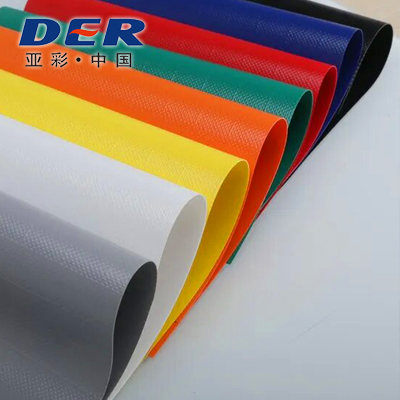
Measure a clean piece of tarp material, calculate its area in square meters, weigh it in grams, then divide grams by square meters. For example, a 20 cm × 20 cm sample has an area of 0.04 m². If it weighs 26 g, its calculated area weight is 650 GSM.
GSM = sample weight (g) ÷ sample area (m²)Calculate GSM, Convert Units, or Estimate Tarp Weight
Use the mode that matches the data you actually have. Results are calculation aids, not substitutes for an approved product data sheet or finished-product inspection.
Measure a Tarp Sample
Calculated Area Weight
Estimate Material-Only Tarp Weight
Estimated Material Mass
Convert Area-Weight Units
Reference Conversions
Procurement note: if you are measuring an unknown finished tarp, the calculated number can be higher than the fabric's true GSM because finished products add hems, hardware, reinforcing layers and other components. For material verification, cut and weigh a representative clean swatch where possible.
How to Calculate Tarpaulin GSM Accurately
The arithmetic is simple; the measurement method is where most errors enter.
Use a Representative Sample
Choose material from the main body of the tarp. Avoid hems, rope-in-hem edges, welded overlaps, patches, D-rings, grommets and reinforced corners.
Measure the Actual Area
Measure length and width carefully. A larger sample usually reduces the influence of cutting error and scale resolution compared with a very small swatch.
Weigh the Sample Dry
Use a scale suitable for the sample size. Surface water, dirt or absorbed moisture can raise the measured mass and distort the calculated GSM.
Calculate and Compare
Convert sample area to m² and sample mass to grams, then divide grams by m². Compare the result with the approved specification and its allowed tolerance.
GSM Tells You Mass per Area — Not the Whole Tarp Quality
Two PVC tarpaulins can show the same nominal GSM and still behave differently in fabrication and service.
Base Fabric Structure
Yarn denier, weave density, polyester quality and reinforcement architecture influence tensile and tear behavior. GSM alone does not reveal how the textile reinforcement is built.
PVC Coating Distribution
The same total mass can be distributed differently between textile and PVC layers. Coating amount, formulation and adhesion affect surface protection and processing behavior.
Finished Tarp Design
Seam geometry, edge reinforcement, webbing, grommet spacing, wear patches and hardware can matter more than a small GSM increase at high-stress locations.
Common PVC Tarpaulin GSM Directions
Use the ranges below as sourcing directions, not universal industry grades. Final selection should consider the base fabric, tested strength, coating, weather exposure, handling cycle, welding and reinforcement design.
| Nominal GSM Direction | Practical Position | Typical Buying Situation | What to Verify Before Ordering |
|---|---|---|---|
| 300–450 GSM | Lighter commercial PVC direction | Temporary or lower-stress covers, lightweight fabricated products and applications where handling mass matters. | Scrim strength, coating continuity, UV requirement, edge loads and whether a lighter material family would be more efficient. |
| 450–650 GSM | General industrial / transport starting range | Reusable outdoor covers, general industrial protection, truck or trailer programs where weight and durability must stay balanced. | Tensile and tear values, weldability, abrasion exposure, surface finish and local reinforcement design. |
| 650–900 GSM | Higher-wear repeated-use direction | Repeated transport, frequent handling, rubbing, tensioning and industrial applications with higher wear exposure. | Actual failure mode, manual handling weight, coating adhesion, reinforcement locations and cold / UV conditions. |
| 900–1200 GSM | High-mass demanding programs | Severe-wear or specialized industrial projects where additional material body is justified and handling weight is acceptable. | Whether the extra mass solves a real wear problem, crew handling, fabrication equipment, structure strength and total lifecycle cost. |
For a dedicated application chart, see the DERFLEX PVC Tarpaulin 300–1200 GSM Guide.
Why a Tarp GSM Check Can Give the Wrong Answer
A calculator cannot correct a bad sample. These are the most common reasons field measurements disagree with a supplier data sheet.
Finished Hardware Was Included
Eyelets, D-rings, webbing, hems, rope, patches and welded overlaps add mass without increasing the base material area in the same way. A full finished tarp is therefore a poor sample for identifying fabric GSM unless those additions are accounted for.
The Sample Is Too Small
A small cutting error or a scale that only resolves whole grams can create a large percentage error on a tiny specimen. Use the largest practical representative swatch and a scale appropriate to its mass.
GSM Was Treated as Thickness
GSM measures mass per area. Mil and millimeters measure physical thickness. The two are related by material composition and density, but there is no universal tarp GSM-to-mil conversion.
The Sample Is Wet or Dirty
Surface water, dirt and residue increase measured mass. A QC sample should be clean and conditioned consistently before comparing it with a nominal GSM target.
Different Materials Were Compared by GSM Alone
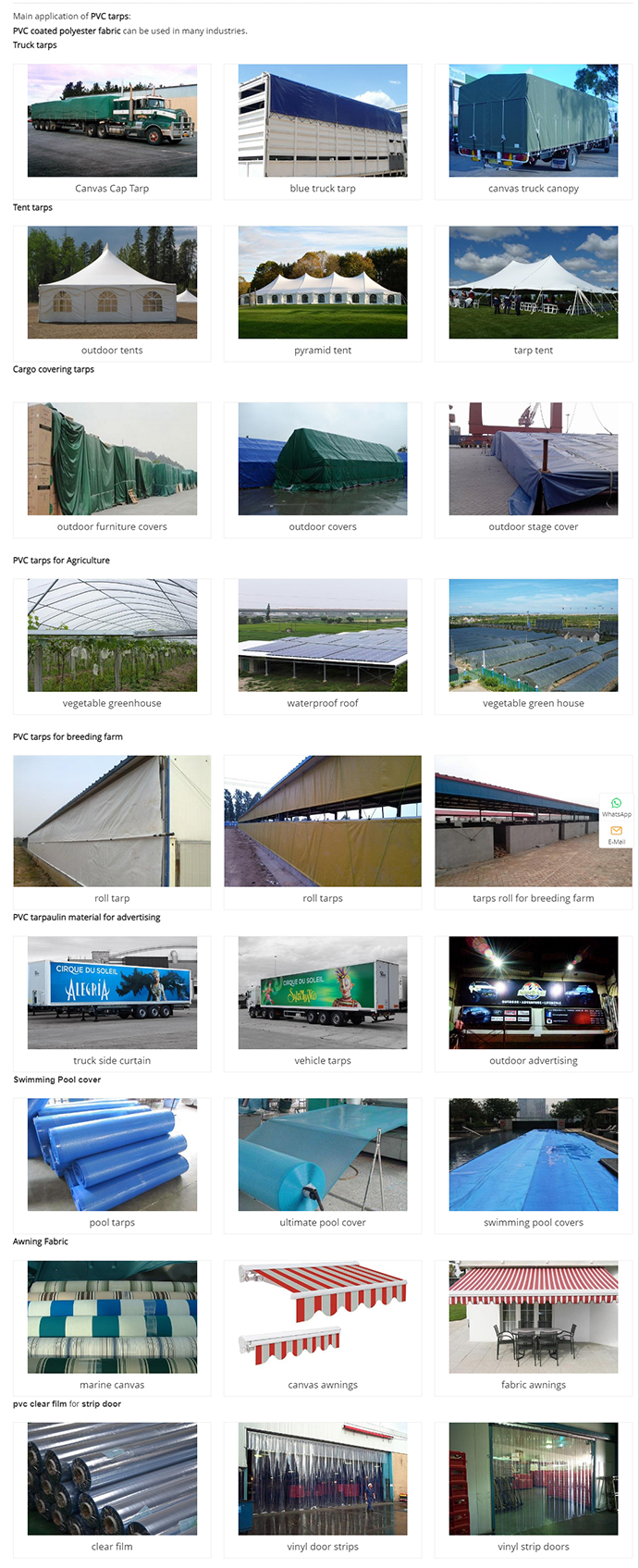
PE tarpaulin, PVC coated polyester, canvas and mesh can have very different structures. The same GSM does not imply the same thickness, tensile behavior, waterproofing or service life.
Nominal GSM Was Treated as an Exact Number
Production specifications normally need an agreed tolerance and test method. For repeat orders, compare the approved standard, actual lot data and the same measurement procedure rather than one isolated field reading.
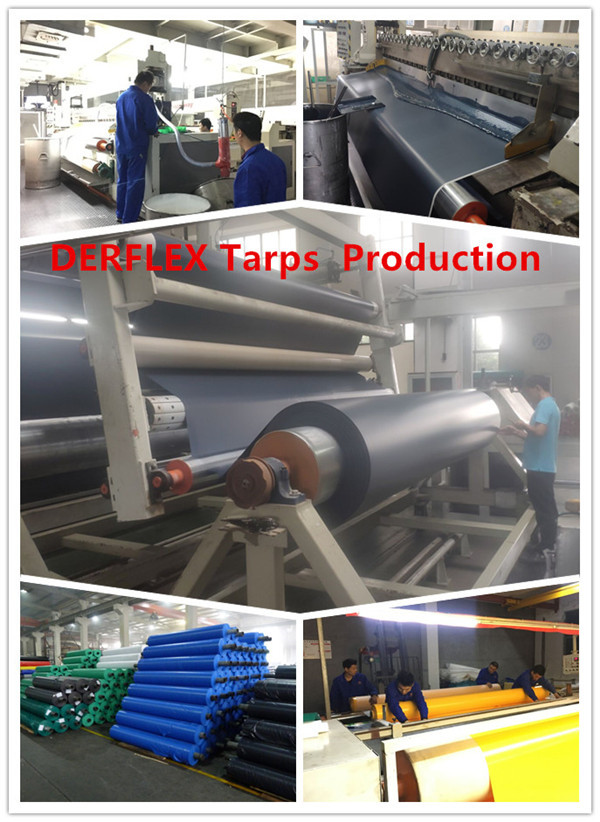
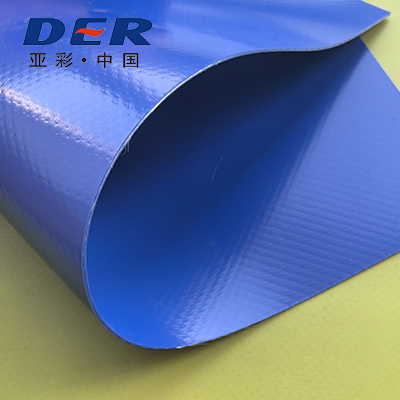
What GSM Looks Like in Real PVC Tarpaulin Production
GSM is a measured result of the complete material construction. Visual inspection helps explain the structure, but weight must still be checked by measurement.
What to Send a Supplier After You Calculate GSM
GSM is one useful data point. A quotation becomes much more reliable when it is paired with the actual use condition and fabrication requirements.
Material & Performance
- Measured or target GSM
- Material family: PVC coated, laminated, PE or other
- Known tensile / tear target if available
- UV, cold, mildew or flame-retardant requirement if applicable
Dimensions & Fabrication
- Roll width / length or finished tarp size
- Welding or sewing route
- Hem, webbing and corner reinforcement
- Grommet, D-ring, rope or pocket layout
Commercial Information
- Application and expected duty cycle
- Order quantity or annual demand direction
- Color, finish, printing and private label requirements
- Destination and packaging requirements
Continue from the GSM Result to a Complete Tarp Specification
These pages cover the related decisions that GSM alone cannot answer.
Tarp GSM Calculator FAQ
Direct answers to the questions buyers and QC teams commonly ask when checking tarpaulin area weight.
How do I calculate the GSM of a tarp?
Measure a representative piece of tarp material, calculate its area in square meters, weigh it in grams, then divide the grams by the square-meter area. Formula: GSM = weight in grams ÷ area in m².
How do I calculate GSM from a 10 cm × 10 cm sample?
A 10 cm × 10 cm sample is 0.01 m². Divide the sample weight in grams by 0.01, which is the same as multiplying the gram reading by 100. For example, 6.5 g from a clean 10 × 10 cm swatch calculates to 650 GSM.
Can I calculate tarp GSM from the total weight of a finished tarp?
You can calculate an apparent area weight, but it may overstate the base fabric GSM because finished tarps include hems, overlaps, webbing, ropes, eyelets, D-rings, patches and other components. A clean material swatch is better for verifying fabric GSM.
Is GSM the same as tarp thickness?
No. GSM measures mass per unit area, while mil and millimeters measure physical thickness. Two tarps with the same GSM can use different yarn, weave and coating structures and therefore have different thi, ckness and mechanical performance.
How do I convert tarp GSM to ounces per square yard?
Divide GSM by approximately 33.9057 to get oz/yd². To convert oz/yd² to GSM, multiply by approximately 33.9057. An 18 oz/yd² material is about 610 GSM, while 22 oz/yd² is about 746 GSM.
What GSM is considered heavy duty for PVC tarpaulin?
There is no universal heavy-duty threshold. For many PVC coated polyester programs, 450–650 GSM is a common general industrial or transport starting range, 650–900 GSM is often considered for higher-wear repeated use, and 900–1200 GSM may be discussed for demanding high-mass applications. The base fabric, tested strength, coating, reinforcement and duty cycle must also be checked.
Does higher GSM always mean a stronger tarp?
No. Higher GSM means more mass per square meter, not automatically higher tensile strength, tear resistance or longer service life. Strength depends on the textile reinforcement, coating system, adhesion, fabrication and finished tarp design.
Have a GSM Result but Need the Right PVC Tarp Construction?
Send DERFLEX the calculated or target GSM together with the application, dimensions, handling conditions, fabrication details and quantity. The next step is to match area weight with the base fabric, coating and reinforcement rather than choosing by GSM alone.
- Application / end use
- Measured or target GSM
- Roll width or finished tarp size
- Expected abrasion, wind and handling conditions
- Welding, hems, grommets, webbing or reinforcement
- Quantity, packing and destination