Express Courier
Useful for color chips, fabric swatches and small approval samples when speed and tracking matter more than cost per kilogram.
Ask for: packed sample weight + destination postal code



For a bulk tarp order, the useful number is not “shipping included” or a generic freight percentage. It is the shipping cost per roll, per finished tarp, or per square meter after product weight, packing, shipment mode, destination and local charges are defined.
Freight rates change by route, carrier, season, fuel, equipment, origin/destination charges and commercial terms. DERFLEX therefore treats shipping as a project-specific quotation item rather than publishing a fixed universal rate.
Retail websites can calculate parcel freight at checkout because the package and destination rules are already standardized. B2B tarpaulin orders are different: roll width, GSM, finished size, packing, pallet use and shipment volume may all change from one RFQ to the next.
A 900gsm PVC construction is materially heavier than a lightweight covering fabric at the same area, so shipment mass changes quickly.
Two orders with the same net kilograms can use very different space if one is compact roll goods and the other is carton-packed finished covers.
Port, inland point, delivery access, local handling and customs processes can affect the commercial freight total.
A sample shipment, partial replenishment and full-container program should not be compared using the same per-unit freight assumption.
Enter the commercial freight figure you receive from a forwarder or supplier quotation. This tool allocates it across the order. It does not generate live carrier rates.
A smaller headline freight number is not always the more economical cost per sellable tarp. Match the mode to urgency, shipment size and receiving process.
Useful for color chips, fabric swatches and small approval samples when speed and tracking matter more than cost per kilogram.
Ask for: packed sample weight + destination postal codeCan suit urgent replenishment or project-critical material, but bulky or heavy tarpaulin shipments require careful chargeable-weight review.
Ask for: gross weight + package dimensionsUseful when the order does not justify a full container. Origin and destination handling charges should be reviewed alongside the ocean line item.
Ask for: total CBM + gross weight + local chargesOften considered for repeat or larger-volume orders where loading efficiency, container choice and per-unit freight allocation become central.
Ask for: 20GP / 40GP / 40HQ loading planPVC tarpaulin can ship as coated fabric rolls, compact bundles, custom finished covers or mixed OEM cartons. Packing decisions affect both cargo protection and logistics efficiency.
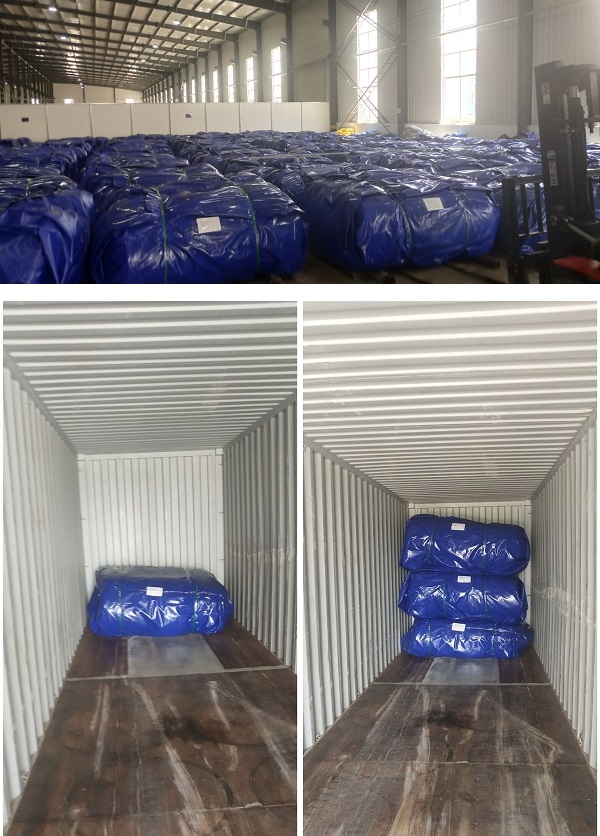
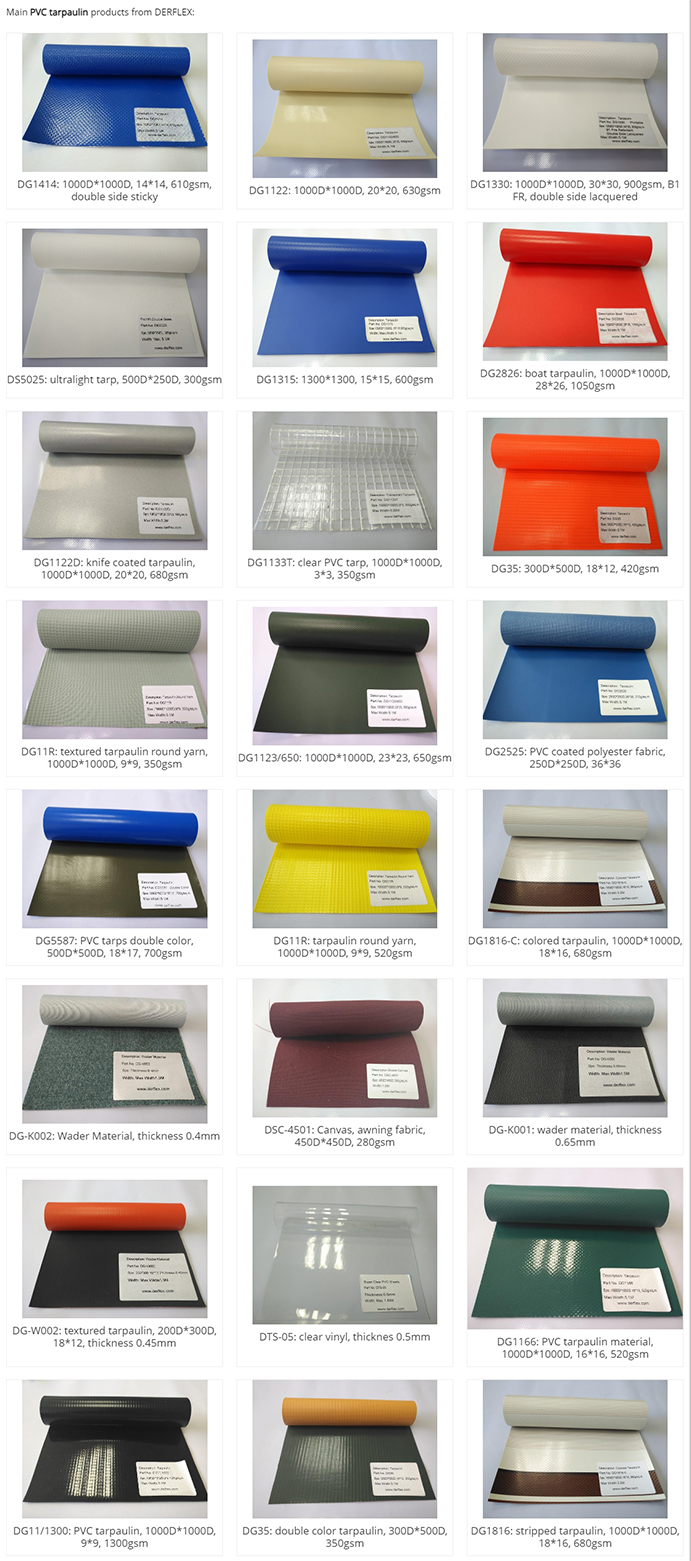
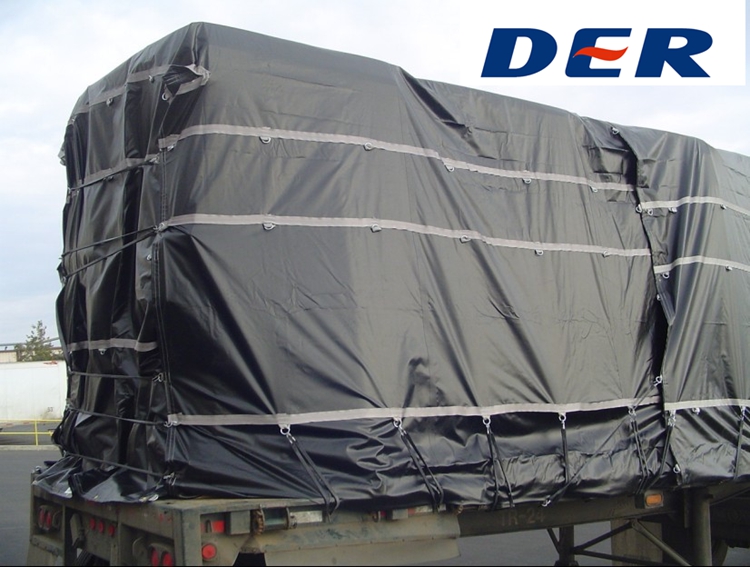
Treat freight engineering as part of procurement. A specification that is easy to manufacture but inefficient to pack can create avoidable logistics cost.
| Variable | How it affects shipping | Buyer decision | What to confirm in the RFQ |
|---|---|---|---|
| GSM & total area | Directly changes net fabric mass; dense PVC roll goods can become payload-limited. | Select the performance level required by the application rather than increasing weight without a defined need. | Nominal GSM, tolerance, width, roll length and quantity. |
| Roll vs. finished tarp | Roll goods are dense and regular; finished products add folds, reinforcement and hardware. | Choose the supply format that fits your own converting and labor economics. | Roll dimensions or final folded dimensions and gross unit weight. |
| Palletization | Pallets simplify forklift handling but add weight and consume cubic space. | Balance receiving efficiency against container utilization. | Pallet type, footprint, stack height and gross pallet weight. |
| Mixed SKUs | More carton marks, segregation and void space may be required. | Plan unloading sequence and warehouse identification before packing. | SKU list, quantity per SKU and labeling requirement. |
| Destination scope | Port-to-port, port-to-door and door-to-door quotes include different charge layers. | Compare quotations on the same delivery scope. | Destination port/city, ZIP/postal code and preferred Incoterm. |
| Shipment timing | Carrier availability and market conditions can change freight pricing and transit options. | Build a shipment window around required arrival date, not only factory completion date. | Required ship date, target arrival window and partial-shipment tolerance. |
Cost control starts before the forwarder quotes the shipment. The objective is not to make the tarp lighter at any cost; it is to remove logistics waste without weakening the approved product specification.
Material, GSM, width, size, finishing, hardware and order quantity.
Roll, bale, carton, pallet, labeling and protective packaging.
Gross weight, package dimensions, CBM and expected unit count.
Use the same origin, destination and delivery scope when comparing freight offers.
Convert total logistics cost into a number that can be compared with product margin.
Recheck actual packed data and final commercial terms before shipment.
Assume a hypothetical order of 1,200 finished tarps has a product subtotal of USD 18,000 and a quoted shipment cost of USD 2,400. The useful procurement comparison is the allocation per tarp, then any verified buyer-side import/local costs are added separately.
DERFLEX publishes material, production and loading information so B2B buyers can connect specification decisions with shipment planning. Final capacities, packaging and commercial terms remain subject to the approved order.
| Supply format | Freight-planning data DERFLEX can discuss | Why buyers use it |
|---|---|---|
| PVC coated rolls | GSM, width, roll length, core, wrapping and roll labels. | Supports preliminary roll-weight and container-load calculations. |
| Finished tarps | Finished size, fold size, reinforcement, grommets / D-rings, pack quantity and carton/bale format. | Helps estimate gross unit weight and shipping cube. |
| OEM / private label | Color, branding, inserts, barcode/label direction, cartons and mixed-SKU packing. | Links market-ready packaging to realistic shipment volume. |
| Repeat programs | Approved specification, packing reference and replenishment schedule. | Creates a more repeatable basis for future freight planning and warehouse receiving. |
Giving complete shipment inputs reduces re-quoting and helps DERFLEX separate product price, packing assumptions and freight scope clearly.
PVC tarpaulin roll, finished cover, truck tarp, industrial tarp or another product format.
GSM, width, length / finished size, color, coating direction, reinforcement and hardware.
Pieces, rolls, square meters and any mixed-SKU allocation.
Roll wrap, bale, carton, pallet, private label and receiving requirements.
Country plus destination port, city and postal/ZIP code when door delivery is required.
Target ship/arrival window, preferred mode and the delivery scope you want quoted.
These six pages support the decisions that directly affect tarpaulin freight, packing and landed-cost planning.
Practical answers for importers, distributors, tarp converters, OEM brands and industrial buyers.
There is no universal rate. The cost depends on packed weight and dimensions, quantity, origin and destination, shipping mode, delivery scope, carrier conditions and local charges. For bulk procurement, request the gross weight/CBM and a route-specific quotation, then calculate freight per roll, tarp or square meter.
Provide the material/GSM, width and roll length or finished tarp dimensions, quantity, packaging format, pallet requirement, destination and preferred delivery scope. Final freight should be based on the approved packed product rather than a rough area estimate.
Sea freight is commonly evaluated for larger international tarp orders, but the commercial result depends on shipment size, route, handling charges, container utilization and timing. Compare the total quoted shipment cost per usable unit rather than relying only on the ocean-freight line.
LCL can suit partial loads; FCL can suit larger or repeat shipments. Dense PVC rolls may become weight-limited, while bulky finished tarps can become volume-limited. Use actual gross weight, CBM, package geometry and receiving needs to compare the two.
Pallets add weight and consume space, but they can simplify forklift unloading, product protection and SKU control. Whether they improve total landed economics depends on container utilization, destination labor and warehouse requirements.
DERFLEX can review the product specification, packing method, destination and requested commercial scope when preparing a project quotation. Freight and delivery details should be reconfirmed for the actual shipment because carrier rates and route conditions can change.
DERFLEX can review material direction, supply format, packing inputs and shipment data for your B2B tarpaulin project. For faster discussion, include your preferred freight mode or Incoterm if one has already been defined.