


Tensile Fabric for Modern Lightweight Structures
DERFLEX supplies project-ready tensile fabric for roofs, canopies, walkways, stadium edges, public shade structures and custom architectural membrane systems.
For contractors, fabricators, architects, distributors and OEM buyers, the right tensile fabric is not only a surface material. It must balance strength, flexibility, weather exposure, fire route, clean appearance, welding performance and repeatable batch supply.
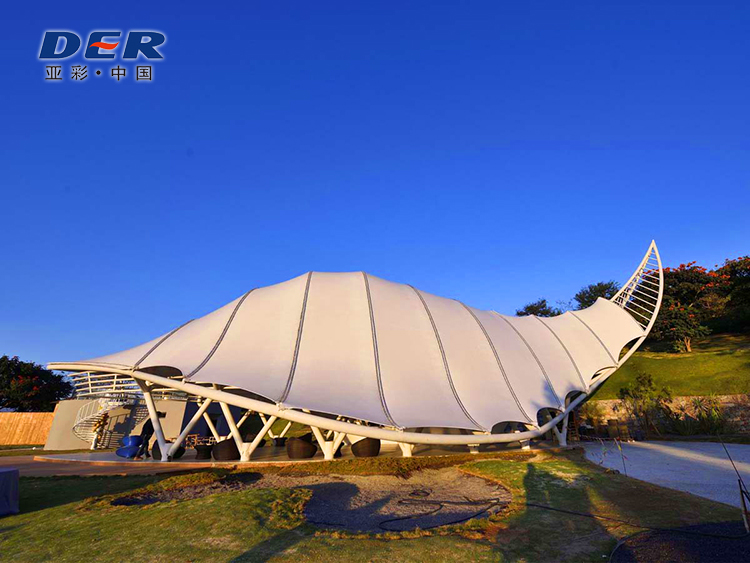
What buyers really mean when they search for tensile fabric
Most buyers are not simply looking for fabric by name. They are trying to find a membrane material that can work with steel frames, cables, edge clamps, welding lines, pre-tension, drainage details and local project requirements.
A tensile fabric page should therefore answer practical procurement questions: Which material should be used? Can it be welded and patterned? How will it age outdoors? Can the supplier control width, color, finish and documents across batches?
DERFLEX focuses on material supply before project risk appears
- Custom PVC/PVDF membrane fabric for canopies, shade roofs and commercial structures.
- PTFE coated fiberglass membrane direction for long-life architectural roofing projects.
- ETFE film options for transparent roofs, skylights and contemporary fa?ade concepts.
- Roll width, surface finish, color, translucency and packing discussion before production.
- Support for contractors, fabricators, project buyers and distribution programs.
Tensile fabric should be selected by project logic, not by one material name
DERFLEX helps buyers compare common architectural membrane routes according to budget, design effect, service plan, fabrication process and outdoor exposure.
PVC Tensile Fabric
High-tenacity polyester base fabric with PVC coating for flexible fabrication, broad color choice, welding compatibility and practical project cost control.
PVDF Membrane Fabric
PVC membrane fabric with PVDF-oriented surface treatment for improved cleanability, outdoor appearance and higher-grade commercial architectural applications.
PTFE Glass Fabric
Fiberglass-reinforced PTFE membrane for projects that emphasize dimensional stability, weather exposure direction, light diffusion and long-term roof planning.
ETFE Film
Lightweight fluoropolymer film used where transparency, modern envelope design, skylight effect or cushion-system engineering is part of the concept.
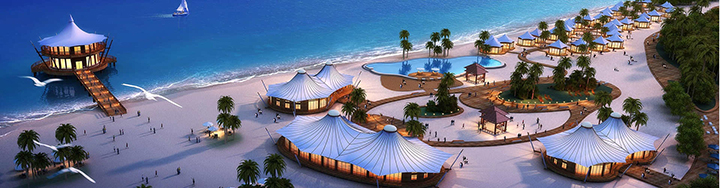
From attractive form to workable material specification
Tensile architecture is visually simple after installation, but the material decision is technical. The membrane must be strong enough for tensioned forms, stable enough for panel geometry and suitable for fabrication equipment.
DERFLEX works from the material side: roll supply, sample review, surface option, coating structure, packing format and export documentation support. This makes the page useful for buyers who already have drawings and need a manufacturing partner for membrane material sourcing.
Technical points to confirm before buying tensile fabric
The values below are reference directions for inquiry preparation. Final material selection should be confirmed by project drawings, local standards, climate and fabrication method.
| Selection Item | Recommended Discussion | Why It Matters |
|---|---|---|
| Material Type | PVC, PVDF-finished PVC, PTFE coated fiberglass, ETFE film or custom coated architectural fabric. | Each route has different cost, visual effect, service planning and processing logic. |
| Base Reinforcement | High-tenacity polyester for PVC/PVDF; fiberglass base fabric for PTFE membrane direction. | Base fabric affects strength, dimensional stability, handling and final membrane behavior. |
| Surface Finish | Matte, gloss, PVDF, acrylic, translucent, opaque, anti-fungal or custom color direction. | Surface choice influences appearance, cleanability, branding and maintenance planning. |
| Fabrication Compatibility | Welding route, cutting pattern, edge reinforcement, panel size, roll direction and packing. | A material that looks suitable on paper must still work during real cutting and installation. |
| Project Conditions | Wind, UV, rain, snow, coastal air, dust, pollution, temperature change and cleaning access. | Outdoor exposure should guide coating, top finish and expected maintenance approach. |
| Documentation | Specification sheet, sample record, batch label, packing list and requested test direction. | Project buyers often need material documents for internal review and approval flow. |
Where DERFLEX tensile fabric is commonly requested
Different structures need different membrane behavior. DERFLEX supports material discussion according to use, climate, appearance and budget direction.
Stadium & Arena Roof Edges
Grandstand canopies, sports facility covers and large visible roof areas where appearance and span planning matter.
Transportation Hubs
Airport entrances, railway station shelters, bus terminals and covered walkways exposed to high public traffic.
Commercial Canopies
Shopping centers, hotels, office entrances, retail plazas and leisure spaces requiring shade and architectural identity.
Public Shade Structures
Parks, schools, civic squares, cultural spaces and recreational areas that need lightweight weather protection.
Parking & Walkway Covers
Car parks, pedestrian corridors, resort pathways and outdoor connection zones where cost-performance is important.
Custom Architectural Forms
Project-specific masts, cable systems, curved roofs, fa?ade screens and landmark visual structures.
How to choose between PVC/PVDF, PTFE and ETFE
PVC tensile fabric is often suitable for commercial canopies, shade covers and structures where fabrication flexibility and cost control are central.
PVDF membrane fabric is worth discussing when the project needs a cleaner visual surface, improved weathering direction and higher-grade exterior presentation.
PTFE coated fiberglass is commonly considered for permanent, highly visible or long-life architectural roof projects.
ETFE film should be reviewed when transparency, skylight effect, cushion systems or very light roof expression are part of the design intent.
A material supplier for fabricators and project buyers
- Manufacturing-based tensile fabric supply rather than stock-only recommendation.
- Custom color, weight, width, coating, surface and packing discussion.
- Sampling and specification review before bulk roll supply.
- Support for membrane fabricators, tensile structure contractors and distributors.
- Export-ready communication for OEM and repeat procurement programs.
- Related DERFLEX membrane pages help buyers compare material routes clearly.
Get a better quotation by sending the right project data
A clear inquiry allows DERFLEX to recommend a practical tensile fabric route instead of sending a generic roll price.
Project Type
Canopy, roof, walkway, fa?ade, shade, stadium, parking shelter or custom membrane form.
Performance Target
Expected use cycle, climate exposure, fire route, light transmission, surface appearance and maintenance direction.
Fabrication Data
Roll width, panel size, welding method, edge detail, cutting plan, packing and batch labeling needs.
Sample & Supply
Sample confirmation, material route review, production schedule, inspection and export delivery coordination.
Related DERFLEX pages for architectural membrane buyers
Use these pages to compare membrane structure fabric, tensile membrane options, PTFE roofing and PVC/PVDF supply directions.
Questions buyers ask before sourcing tensile fabric
What is tensile fabric?
Tensile fabric is a high-strength flexible membrane material designed to work under tension in roofs, canopies, shade structures, fa?ades and lightweight architectural forms. It is usually selected together with the structural frame, cable system, welding method and project requirements.
Which tensile fabric material is suitable for my project?
PVC/PVDF membrane fabric is often considered for cost-effective canopies and commercial roofs. PTFE coated fiberglass is commonly reviewed for long-life architectural roofing. ETFE film is discussed when transparency and lightweight envelope design are important. The final choice depends on drawings, climate, service plan, budget and local requirements.
Can DERFLEX customize tensile fabric?
Yes. DERFLEX can discuss custom fabric weight, roll width, color, surface finish, translucency, coating structure, packing, OEM labeling and documentation requirements according to project and buyer needs.
Is tensile fabric suitable for outdoor structures?
Yes, tensile fabric is widely used for outdoor architectural structures. Buyers should confirm UV exposure, rain, wind, temperature change, pollution, coastal conditions, cleaning access and fire route before final material selection.
What information is needed for a tensile fabric quotation?
Please share structure type, drawings or dimensions, expected service life, project location, climate exposure, preferred color, light transmission target, fire requirement, fabrication method, quantity and delivery schedule.
Does DERFLEX supply finished tensile structures or membrane rolls?
DERFLEX focuses on membrane material supply, custom roll goods, sample support, specification discussion and export-ready production coordination for fabricators, contractors, distributors and OEM buyers.
Source custom tensile fabric from DERFLEX
Send your structure type, drawings, climate exposure, material target and quantity. DERFLEX will help you compare PVC/PVDF, PTFE and ETFE directions and prepare a practical material quotation.