Buoyancy tubes
Balance mass and packed volume with tear behavior, airtightness and seam reliability. Confirm which face needs TPU at every tube-to-tube and tube-to-floor joint.



For packraft brands & boat fabricators
Build the right weight
into every panel.
Source TPU coated nylon for packraft tubes, floors, inflatable seats and welded reinforcement patches. DERFLEX supplies coated and laminated technical textiles with project-specific base fabric, coating sides, color, surface and roll format.
Start with your packraft design and target carrying weight. Compare the tube and floor materials separately, then validate the coating bond, joining process and air retention on a representative chamber before committing to bulk fabric.

01 / A direct answer
Packraft fabric is a reinforced textile used to build a portable inflatable boat. A common construction is woven nylon coated or laminated with thermoplastic polyurethane (TPU): the textile carries load, while the TPU forms the sealing and heat-weldable surface.
A waterproof fabric is not automatically suitable for an air-holding tube. Air permeability, coating adhesion, cooled-seam strength and the valve interface all need evaluation. Packraft material belongs within the wider TPU inflatable fabric range, but its carrying weight and repeated packing requirements deserve a separate specification.
Specify three things together: the textile reinforcement, the TPU layer and the seam layout. A denier label describes yarn size; it does not establish finished fabric weight, tear strength or a safe boat pressure.
02 / Panel-by-panel planning
The right construction can change across a single packraft. Assign the weight budget and likely failure mode to each part before selecting the rolls.
Balance mass and packed volume with tear behavior, airtightness and seam reliability. Confirm which face needs TPU at every tube-to-tube and tube-to-floor joint.
Prioritize abrasion and puncture resistance at rocks, sand and landing zones. A heavier floor or targeted wear layer may be preferable to adding weight across all tube panels.
Use a separate weight and flex target. The baffle joint determines where compatible TPU welding faces must meet; the tube material need not be the seat material.
Specify the patch-to-tube bond and attachment geometry. Test patches with the selected tube fabric, including wet conditioning and repeated folding where relevant.
03 / Construction choices
210D nylon is a common starting point for weight-sensitive tubes; 420D constructions are evaluated where added durability is worth more mass or bulk. Floor fabrics often use a different construction, including 420D or 840D nylon. These are industry reference directions, not fixed DERFLEX stock grades or performance ratings.
| Packraft program | Tube direction to evaluate | Floor / wear strategy | Approval priority |
|---|---|---|---|
| Hike-in / weight-sensitive | Lightweight nylon/TPU, with 210D-class constructions as a starting comparison. | Separate floor weight budget; avoid carrying unnecessary coating mass in low-wear areas. | Actual GSM, packed volume, coating bond and representative chamber retention. |
| Mixed trekking & river use | Compare 210D and 420D-class samples in the intended seam design. | Increase durability at the floor, bow and other identified contact zones. | Wet-conditioned tear behavior, floor puncture testing and cooled-seam strength. |
| Frequent rock contact / rental | Evaluate higher-strength constructions against a defined service and repair plan. | More durable bottom panel; compatible replaceable wear or reinforcement patches where designed. | Abrasion failure mode, coating damage, repeated flexing and repair compatibility. |
| Inflatable seat / accessory chamber | A dedicated flexible material with the coating orientation needed by the baffles. | Usually a separate component specification rather than a copy of the hull construction. | Baffle adhesion, valve seal, fold durability and component air retention. |
Denier is yarn mass per unit length; GSM is the mass of the finished fabric per square metre. A 420D fabric is not automatically twice as strong as a 210D fabric. Compare the weave, TPU build, test method and measured results together.
Keep craft categories separate. A lightweight packraft tube and a larger inflatable boat can have different reinforcement and fabrication needs. Use the inflatable boat fabric guide when the project extends beyond portable packrafts.
04 / Coating orientation
Choose the coating sides from the assembly drawing. A second TPU face can enable more joining options, but the added polymer changes weight, stiffness and textile behavior; it is not an automatic durability upgrade.
One TPU face
A single-sided construction can suit selected lightweight tube designs. Seam tapes, overlaps and patches must bring compatible TPU faces into contact.
Two TPU faces
Double-sided material can support floor joints, internal structures and patch placement when both faces must be weldable.
Do not assume so. “PU coated” can describe a coating that does not soften and fuse like the selected thermoplastic TPU. Ask for a heat-sealable construction and verify the joint; a waterproof tent fabric specification does not establish packraft suitability.
Check polymer chemistry, adhesion and sealing faces rather than choosing from the process name alone. The TPU laminated textile options provide another construction route; the packraft sample still needs the same assembly validation.
05 / A purchasing specification
DERFLEX's TPU range covers nylon and polyester reinforcement, coating and lamination, and project-specific finishes. Confirm the exact nylon packraft grade, usable width and performance targets with DERFLEX; generic range figures should not become an approved raft specification.
| Item | What the buyer should define | What to confirm before bulk supply |
|---|---|---|
| Textile reinforcement | Nylon type, denier, weave and panel use; submit a benchmark sample if available. | Actual substrate construction and warp/weft mechanical results. |
| TPU chemistry | Polyether or polyester TPU direction; wet exposure, storage and temperature conditions. | Selected grade and aging evidence appropriate to the service environment. |
| Coating structure | One or two functional TPU faces, orientation and any face-specific finish. | Coating / film build, bond quality and compatible welding surfaces. |
| Finished GSM & thickness | Separate targets for tubes, floor, seats and patches. | Measured values and agreed tolerances for the approved grade. |
| Color & surface | Color reference, matte/gloss preference and skin-contact or grip requirements where applicable. | Approved shade, surface consistency and effect on joining or patching. |
| Usable width & roll format | Panel nesting width, roll length, winding preference, identification and packing. | Usable width excluding unusable edges, splice policy and roll traceability. |
| Fabrication route | RF/HF, hot-air or heat-sealing equipment; seam and fitting drawings. | A verified process window for that grade, tool and joint geometry. |
| Commercial requirements | Trial quantity, bulk demand, reorder plan and delivery destination. | Grade-specific MOQ, sample availability, price basis and production timing. |
It is a useful candidate when prolonged wet exposure and hydrolysis resistance are priorities. Polyester TPU can also be evaluated for a defined application, but formulation, conditioning and retained properties matter. TPU chemistry and textile chemistry are separate: polyester TPU can be applied to a nylon base.
No. Ask for results on the selected composite, including color, coating bond and seam behavior after relevant conditioning. Define temperature and exposure conditions in the test plan; do not turn a broad polymer-family claim into a finished packraft guarantee.
06 / Fabric weight planner
Multiply each panel group's cut area by its finished fabric GSM. Keep tube and floor areas separate so you can place additional material where it is useful.
Tubes: 0.924 kg · Floor: 0.588 kg
Formula: fabric mass (kg) = [tube area × tube GSM + floor area × floor GSM] ÷ 1,000. Example inputs are illustrative, not offered DERFLEX specifications. Include seam allowances in cut-panel areas; this estimate excludes other panels, valves, tapes, straps, adhesives and accessories.
Material mass and order quantity are different. A 30 GSM increase over 4.2 m² of tube panels adds 126 g of fabric. Cutting waste changes purchased roll length, not finished boat mass. For single-sided fabric, coating orientation can restrict nesting; confirm the usable roll width against the actual pattern.
07 / Sample approval
A practical approval plan compares failure modes, not just a single pass/fail claim. The checks below are buyer-requested validation items; the method, conditions and acceptance limits should be agreed for the selected packraft.
Trial a range of machine settings with the actual tool, pressure, dwell or travel speed and overlap. Inspect seams after cooling. Record: machine settings, face orientation, joint dimensions, peel/seam behavior and whether failure occurs in the textile, TPU bond or weld.
Include valves and patches in a representative chamber. Stabilize temperature before logging pressure and note ambient conditions: cooling can reduce pressure without a leak. Record: chamber geometry, initial pressure, stabilization time, test duration, temperature and leak locations.
Evaluate warp/weft tensile and tear behavior, coating adhesion, abrasion and a relevant puncture method. Repeat selected checks after wet or aging conditioning. Record: specimen size, method, conditioning, direction, units and retained performance.
Inflate, deflate and fold representative samples, including seams and valve patches. Examine blocking, fold marks and barrier damage. Trial the chosen repair material and joining route. Record: cycles, packing conditions, visible changes and air retention after the sequence.
Working pressure is a craft-level decision. It depends on tube geometry, seam design, fittings, reinforcement and operating conditions. A roll of TPU inflatable fabric has no universal safe PSI value. The finished-boat manufacturer must validate its design and operating limits.
Agree the project-specific inspection points with DERFLEX and review its published quality-control workflow alongside the approved sample and written purchasing specification.
08 / Material references
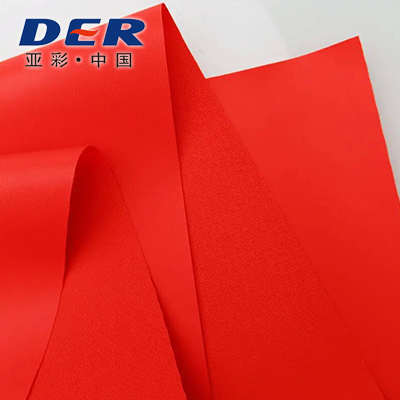
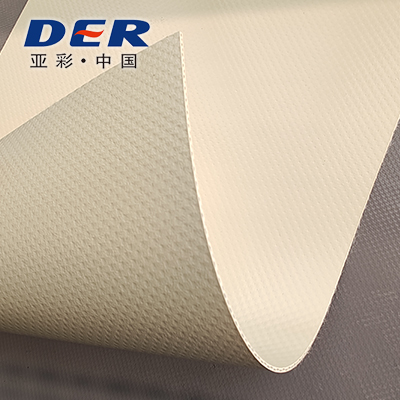
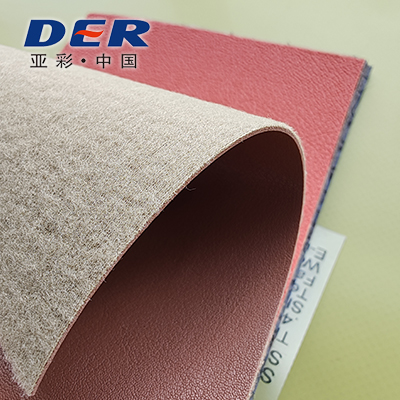
Original DERFLEX material photographs show surface and construction references. They do not establish a packraft grade, denier, thickness or pressure rating; request the exact proposed sample for your design.
09 / From design to quotation
For an OEM packraft fabric quote, send a drawing, a current material sample or a panel-by-panel specification. Identify the tube, floor and accessory requirements instead of asking for one generic “raft fabric.”
Sample availability, MOQ, custom development, bulk price and lead time are confirmed for the proposed grade and order plan. Include the destination and trial quantity so commercial comparisons use the same basis.
10 / DERFLEX manufacturing support
DERFLEX's published TPU offering includes textile reinforcement choices, coating or lamination and OEM customization. For packraft manufacturers, the practical value is an agreed material construction that can be connected to your cutting, welding and incoming inspection process.
Discuss nylon reinforcement, TPU chemistry, functional coating faces, total weight and finish against the tube and floor drawings.
Align usable width, color, roll format and packing with pattern nesting and handling at your production facility.
Use the approved sample and agreed tolerances to define repeat supply. Specify which inspection results and identification records must accompany orders.
Review the TPU coated fabric manufacturing options and ask DERFLEX to confirm the proposed packraft construction before freezing your purchasing standard.
11 / Buyer questions
TPU coated or laminated nylon is a common packraft construction. The nylon provides reinforcement and the TPU supplies a sealing and heat-weldable face. Tubes, floors, seats and attachment patches can use different materials; each must be matched to the assembly and validated in the finished component.
210D constructions are often considered where carrying weight and packed size are priorities. 420D constructions can be evaluated when added durability is worth additional mass or bulk. Denier alone cannot rank the fabrics: compare finished GSM, weave, coating adhesion, tear results and seam performance on actual samples.
No. Double-sided TPU provides functional sealing faces on both sides, which can help with floor joints, patches or baffles. It also changes weight, stiffness and tear behavior. Choose coating sides from the joint layout and compare tested constructions; a second coating is not automatically a stronger or lighter fabric.
Do not assume that it can. A PU coating may not be thermoplastic or suitable for the required joining method. Request a heat-sealable TPU construction and trial the coating faces, cooled joint and chamber air retention. A waterproof claim alone is insufficient for an inflatable tube.
Polyether TPU is a useful candidate when prolonged wet exposure and hydrolysis resistance are priorities. The final choice depends on the formulation, coating bond and application. Specify the wet and temperature conditions, and compare retained fabric and seam properties after conditioning rather than relying only on the TPU family name.
There is no universal safe pressure for TPU packraft fabric. Tube geometry, reinforcement, seams, valves, patches and temperature affect the assembled craft. The boat manufacturer must establish operating limits through design validation and representative chamber and finished-product testing.
Share your drawing or benchmark sample with DERFLEX to discuss packraft fabric construction, sample evaluation and OEM roll supply.