News
Industry News

Winter Construction Enclosure Tarps | Custom Panels | DERFLEX

Update:2026/10/7 20:13:02 Views:
Skip to content
Winter work zones · Custom B2B supply

Winter Construction Enclosure Tarps

Keep the weather barrier, thermal layer and access details working together. DERFLEX supplies coated fabrics and custom tarp panels for contractors, scaffold suppliers and distributors planning winter work enclosures.

A winter construction tarp can limit drafts and direct rain or snow exposure. Where the job also requires insulation, specify a layered construction. For a heated enclosure tarp, define the minimum handling temperature, target work-zone conditions, panel connections and heater arrangement before choosing the material.

Cold-flex material reviewInsulated panel directionsCustom sizes & reinforcement
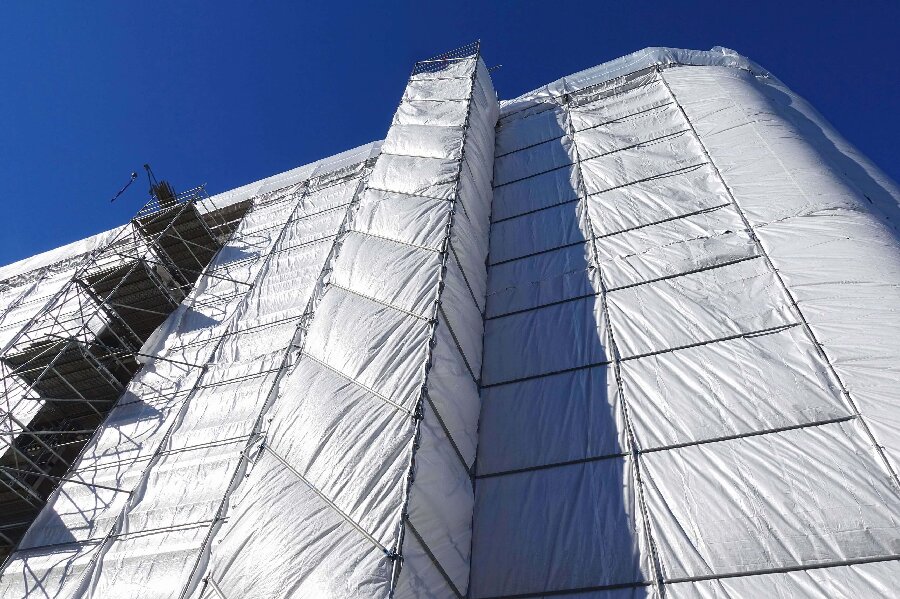
White construction enclosure sheeting wrapped around multiple levels of a building facade
The enclosure is a complete assembly.Building-wrap application image from DERFLEX. Confirm insulation, heater arrangement and winter performance for the proposed construction.
Weather exclusionFace material, runoff and protected interfaces
Heat-loss controlInsulation continuity and controlled air leakage
Practical operationAccess, ventilation and repeatable panel handling
Start with the enclosure objective

What is a winter construction enclosure tarp?

A winter construction enclosure tarp is a flexible temporary wall or panel used around a cold-weather work area to reduce wind and precipitation entry. A heated enclosure may use cold-flex weather panels, insulated panels or a coordinated combination. The tarp does not generate heat; insulation, joints and the heating system determine the thermal result.

Separate three different purchases

A weather shell closes the work zone. An insulated enclosure panel adds thermal resistance to the wall or covering. A concrete curing blanket protects the concrete element according to its curing plan.

Ordering one under the name of another can leave the temperature requirement unresolved. For direct-contact curing covers, use the concrete curing tarp selection page. This page focuses on temporary enclosed workspaces.

For masonry, coatings, sealants or repair work, obtain the process supplier's required substrate temperature and humidity conditions. Warm air alone does not confirm that the surface is ready.

Material selection

Which tarp construction fits your winter work zone?

Use the heating objective and handling cycle to narrow the choice. GSM describes mass per area; it is not an insulation value, a minimum service temperature or a wind rating.

Enclosure duty → material direction → procurement priority
Project conditionDirection to reviewWhy it may fitResolve before ordering
Wind and rain screen; no maintained indoor temperatureCold-flex PVC-coated polyester or suitable reinforced PEA solid weather face limits direct exposure without the bulk of a thermal core.Exposure period, cold handling, panel restraint, seams and roof-to-wall drainage.
Short-duration heated repair bayCold-flex solid panels; add insulation if the heat-loss review requires itModular closure can suit a changing work area. Heating demand still depends on leakage and temperature difference.Heater arrangement, openings, ventilation and the required substrate conditions.
Enclosure with a specified thermal requirementInsulated panels with weather-resistant faces and a project-selected coreA thermal layer can reduce heat flow through the panel when its continuity is maintained.Finished-assembly thermal evidence, joint details, core retention, moisture and handling mass.
Seasonal reuse or rental deploymentReusable coated-fabric panels; insulated construction where requiredRepairable surfaces, standardized panel IDs and reinforced attachments can support repeat use.Cold fold/roll cycles, abrasion points, closure life, spare panels and storage volume.

Compare the PVC-coated polyester material route with DERFLEX insulated tarp constructions before fixing the bill of materials.

Construction matters

A weather sheet and a thermal panel do different jobs.

Single-layer PVC-coated fabric can provide a waterproof sheet surface and a reinforced, weldable panel face. It should not be assigned an insulation rating merely because it is heavy.

An insulated enclosure tarp adds a core between protective faces. Discuss the core type, coverage, retention and edge closure together. A sample of the outer skin does not describe the finished panel's thermal behavior.

What makes an R-value comparable?

Ask whether the stated result applies to the complete panel or only its core, which test method was used, and whether the setup included air spaces or multiple layers. Confirm the units and assembly description. A value per inch cannot be compared directly with a value for an entire thin panel.

Where thermal performance is contractual, require evidence for the quoted construction. DERFLEX should confirm the proposed build and available documentation before a numerical value is accepted.

Conceptual insulated panel

Specify the full layer build

01 / Exterior faceWeather protection, cold flexibility and reinforcement appropriate to the exposure.
02 / Thermal coreProject-selected insulation; define coverage, retention and the thermal test basis.
03 / Interior faceProtection for the core, cleaning requirements and compatibility with the work environment.

Conceptual construction only. Layer thicknesses are not to scale. Final faces, core, seams and fire-performance evidence are confirmed for the order.

The warm-zone interfaces

Close the heat-loss paths before adding material weight.

The panel center is only one part of a heated construction enclosure. Put these details on the procurement drawing so the supplier can price an installable panel set.

01 / JOINTS

Continue the thermal layer across connections

Define the weather lap and the thermal closure separately. An exterior lap may shed water while leaving an uninsulated strip or an air path behind it. Show the joining flap, core termination and how the adjacent panels close without exposing the core.

02 / DOORS

Specify access around actual traffic

Record the clear opening, daily opening frequency and closure operation with winter gloves. Discuss removable or roll-up sections and compatible closures. A repeatedly open delivery door can undermine a well-insulated wall; review a separate access zone or vestibule with the project designer.

03 / PERIMETER

Resolve the base and overhead transitions

Detail the wall-to-ground, slab-edge and roof-to-wall interfaces. Separate exterior meltwater drainage from the interior closure. Protect high-contact edges and avoid detailing the base where frozen water will prevent the panel from opening or being removed.

04 / ATTACHMENTS

Keep the core out of the load path

Show reinforced restraint zones aligned with approved supports. The attachment should engage the designed fabric reinforcement rather than rely on insulation foam to carry pull loads. Agree hems, webbing, loops or eyelets from the drawing; generic eyelet spacing does not establish wind capacity.

05 / COLD MOVEMENT

Review the temperatures at which panels move

A panel left fixed overnight and one folded before dawn have different handling demands. State the lowest installation, removal and folding temperatures. Include seams and closures in the review, since the coating alone does not describe the whole assembly.

Use the cold-weather material and handling guide to frame the temperature requirement.

06 / MOISTURE

Plan for the cold inner surface

Warm, moist enclosure air can condense on colder panel surfaces. Specify ventilation, condensate management and the protection of moisture-sensitive finishes with the site team. Waterproof skins do not remove moisture generated inside the work zone.

Procurement schedule

Make each winter enclosure quote describe the same job.

DERFLEX can review coated-fabric supply and custom panel fabrication. These fields are a quotation framework, rather than fixed stock specifications or declarations of tested performance.

Buyer requirements and supplier confirmation
Specification fieldDefine in the RFQConfirm for the offered construction
Work-zone conditionsSite climate, exposure duration, minimum ambient temperature, desired air and substrate conditions.Proposed material route and any limitations relevant to the enclosure duty.
Face and core buildSolid weather panel or insulated assembly; cleaning, daylight and reuse requirements.Face material, reinforcement, core type, layer build and protection of core edges.
Thermal requirementRequired result, units and test basis if the project specifies insulation performance.Evidence for the actual assembly, including any air spaces, thickness and conditioning in the test.
Cold flexibilityLowest temperature for installation, movement, folding and removal.Applicable cold-flex test conditions, material suitability and sample scope.
Mass and panel sizesFinished width × height; quantity by panel ID; overlap allowances and crew handling limits.Material GSM, total finished panel mass, layer thickness, size tolerances and seam layout.
Joints and hardwareSupport lines, joining flaps, reinforced zones, openings and fixing positions.Weld/sew route, edge build, core retention, hardware placement and representative detail sample.
Fire documentationExact project-required standard, test method and acceptance criteria.Whether valid evidence covers the proposed faces, core and finished construction.
Heating and accessHeater type/location, service penetrations, door traffic, ventilation and required exits.Fabrication feasibility of panel openings and closures; operating design remains with the project team.
Packing and deliveryPanel sequence, labels, spares, folded/rolled preference, destination and needed date.Pack dimensions/mass, MOQ, sample plan, production schedule and shipment terms in the quotation.

Compare sheet GSM with sheet GSM, and finished composite mass with finished composite mass. Insulation, reinforcement, closures and hardware change handling weight and packing volume.

Heated enclosure planning

Can enclosure tarps be used with temporary heaters?

Yes, when the selected covering and the enclosure operating plan are suitable for the heating arrangement. Specify the heater type, discharge path, ventilation, clearance zones and required fire documentation before approving the panel layout.

A flame-retardant label does not make a tarp noncombustible or suitable for direct flame, hot exhaust or contact with a heater. Evidence for an outer fabric does not automatically cover an insulated composite.

U.S. construction reference: OSHA 1926.154(b)(4) requires heaters near combustible tarpaulins or similar coverings to be at least 10 ft (approximately 3.05 m) from them, with coverings secured against wind movement. The section also requires adequate fresh air and ventilation.

Review OSHA's temporary heating requirements alongside the equipment instructions, local requirements and project plan.

Supports and operation

Does a solid winter enclosure change scaffold wind loads?

Yes. Closing an open scaffold creates a larger wind-facing surface. The scaffold or frame, its anchors and the panel restraints need review for the proposed enclosure and anticipated conditions. A heavier fabric does not establish a safe wind limit.

For scaffold-specific material and restraint questions, see the scaffolding enclosure tarp guide. For U.S. sites, OSHA 1926.451(f)(12) addresses anticipated wind forces on wind screens.

Verify conditions where the work happens

Agree representative air, substrate and humidity monitoring with the site team. Check cold corners and areas away from warm-air delivery, rather than relying on a single reading near a heater. Track the specified process conditions through the required work or curing period.

Roofed enclosures also need a project-specific snow, water and support design. Enclosure panels are not snow-lifting tarps, fall protection or an independently rated temporary structure.

Product and application references

Three different parts of the winter enclosure brief.

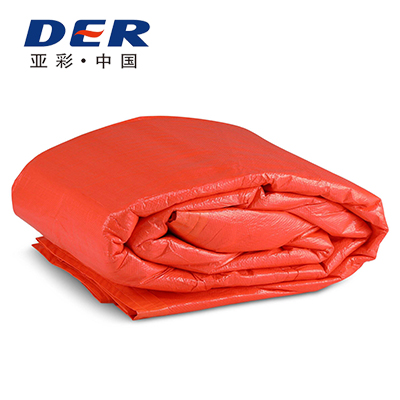
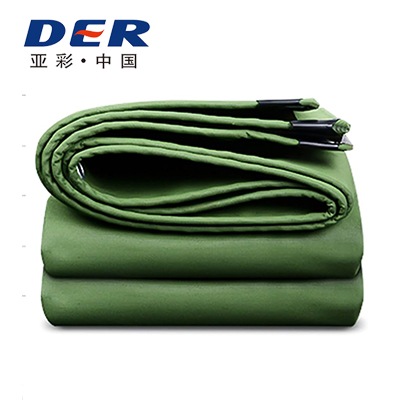
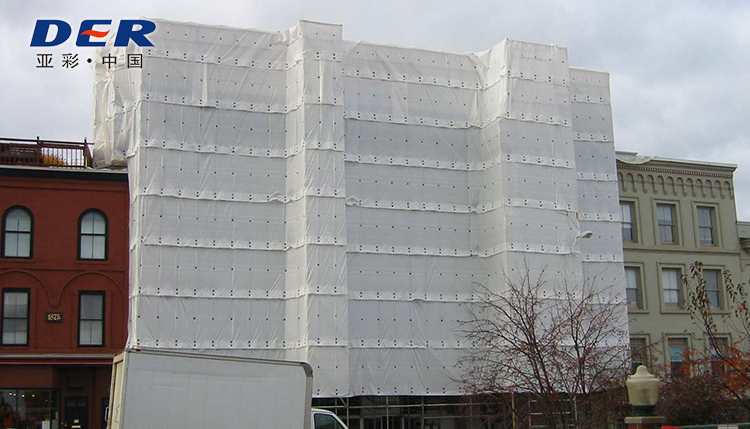
Existing DERFLEX website images illustrate an insulated cover, a cold-resistant tarp and building enclosure sheeting. Select the grade and fabricated details from the quotation and approved sample.

Supplier and project alignment

Turn a winter enclosure concept into a repeatable panel order.

DERFLEX's coated-fabric and custom tarp supply lets buyers discuss the face material and the finished-panel requirements together. Project batches, bulk distributor orders and OEM programs need the same clear material and fabrication reference.

  1. Define the duty

    Separate weather closure, insulation and the work process. Send the site conditions, heating concept and reuse plan.

  2. Release a panel map

    Identify warm-zone walls, access panels, corners and service openings. Label each finished size and quantity.

  3. Approve a representative detail

    Review a joint, reinforced attachment and closure sample, with the relevant faces and core. Agree inspection criteria.

  4. Plan deployment and reuse

    Match pack sequence to installation. Define panel IDs, spare modules, drying, repair and seasonal storage.

What determines price, MOQ and lead time?

Face formulation, thermal core, panel geometry, reinforcement, closure details, testing, order volume and packed size affect the quotation. Ask for MOQ, sample cost, production time and delivery terms against the actual approved build.

Review custom tarp fabrication options for drawing-based sizes, reinforcement and OEM supply requirements.

Common purchasing errors to avoid

  • Using heavier GSM as evidence of insulation.
  • Comparing core-only R-values with tested panel assemblies.
  • Ordering all walls alike while doors and corners require separate details.
  • Accepting a face-fabric fire report as proof for the whole composite.
  • Comparing price per square metre without finished details and freight volume.
Prepare your inquiry

Send the winter conditions with the panel dimensions.

A useful RFQ connects the enclosure duty to the layer build, cold handling and access pattern. Prepare a brief below, then copy it into your inquiry or open an email draft.

Include these documents if available

  • Enclosure elevations and support lines
  • Panel schedule with units and quantities
  • Heater location and ventilation concept
  • Required thermal, cold-flex and fire evidence
  • Access and service-opening details
  • Destination, needed date and packing preference

Request a proposed construction, sample plan and itemized quotation. If a requirement is not fixed, identify it as needing review.

Your enclosure RFQ brief

Prepare the details here and send them through your preferred inquiry route.

Buyer questions

Winter construction tarp FAQ

Does a heated enclosure tarp produce heat?

No. In this context, a heated enclosure tarp is a covering used around a work zone served by a separate heating system. A weather panel limits direct exposure and drafts; an insulated panel adds thermal resistance. This term does not mean the tarp contains electric heating elements.

Should I choose PVC tarps or insulated tarps for winter construction?

Choose cold-flex PVC-coated panels when a reusable weather barrier is the main requirement. Review insulated panels when the enclosure also has a thermal requirement. Some projects combine both. The temperature objective, air leakage, heating arrangement, handling and required documentation should determine the construction.

What R-value should a winter enclosure tarp have?

There is no universal R-value for every winter enclosure. The project designer should set the thermal requ, irement from the temperature difference, enclosure area, leakage, ventilation and heating plan. Compare values with matching units and test setups, and request evidence for the quoted panel assembly rather than relying on foam thickness alone.

How cold can PVC construction tarps be used?

The limit depends on the selected coating formulation and finished construction. State the lowest temperature for installation, movement and folding, then ask DERFLEX to confirm the grade and relevant cold-flex evidence. A general outdoor service range should not be treated as proof of repeated folding performance at that temperature.

Are flame-retardant enclosure tarps safe next to heaters?

A flame-retardant designation does not remove heater-clearance or ventilation requirements and does not make a tarp noncombustible. Confirm the relevant fire evidence for the proposed construction, equipment instructions and project rules. Keep direct flame, hot exhaust and unsuitable heat contact away from the covering.

Can DERFLEX supply custom winter enclosure panels for bulk or OEM orders?

DERFLEX can review custom dimensions, face materials, insulated constructions, reinforced edges, joining details, hardware, identification and packing for project, distributor and OEM requirements. Send the panel schedule, cold-handling conditions, heating arrangement, required documents, quantity and destination so the proposed build, MOQ, samples and timing can be confirmed.

Make the material match the enclosure

Start with the coldest condition.
Quote the complete panel.

Send DERFLEX the winter site conditions, target work-zone requirements, panel map and order quantity. Ask for a material and fabrication proposal that accounts for weather exposure, thermal continuity, access and handling.

Consulting Services
+86-021-54361792 / 54361798
Email
sales@derflex.com