Polyethylene Tarps (PE or Poly Tarps)
Lightweight Economical Temporary coverage
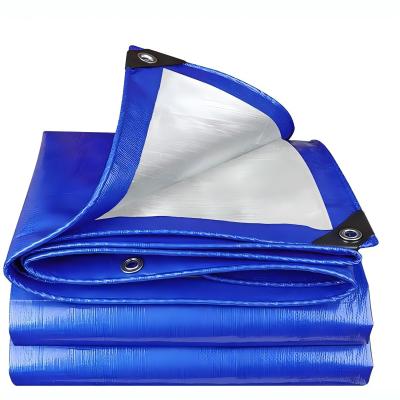
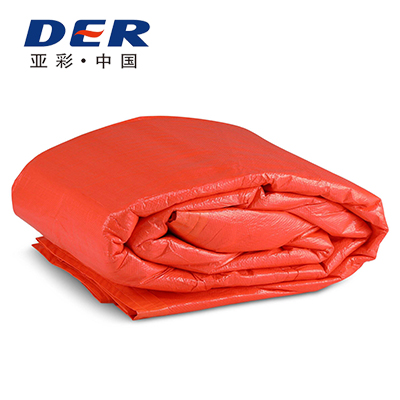
Poly tarps are normally made from woven polyethylene strips with a laminated or coated PE surface. They are easy to lift, fold and distribute, which makes them common for household repairs, seasonal storage, construction cleanup, landscaping, farming and camping.
Typical uses
- Short-term roof leak protection and ground sheets
- Garden supplies, outdoor furniture and seasonal storage
- Temporary construction covers and debris containment
- Retail tarp packs and price-sensitive bulk programs
Selection caution: lightweight grades can wear quickly under sharp edges, dragging, high wind movement or long outdoor exposure. Compare weave, thickness, UV option, corners and grommet reinforcement—not color alone.
PVC Vinyl Tarps
Heavy-duty direction Weldable Repeated use
PVC vinyl tarps usually combine a high-strength polyester base fabric with PVC coating or lamination. The coated surface can provide strong water-blocking performance, abrasion resistance, cleanability and weldability for larger fabricated covers.
Typical uses
- Truck, trailer, machinery and industrial equipment covers
- Construction enclosures and outdoor material protection
- Agriculture storage, canopy covers and marine applications
- Custom OEM tarps with webbing, D-rings, pockets or printing
Selection caution: finished waterproofing depends on coating quality, seams, penetrations, edge design and installation. A strong fabric can still fail early if grommets or corners are not matched to the tie-down load.
Canvas Tarps
Breathable Textile feel Condensation control
Canvas tarps can be made from cotton, cotton-polyester blends, polyester canvas or treated canvas. Their main advantage is breathability: moisture and heat can escape more readily than under a sealed plastic surface.
Typical uses
- Machinery, timber, tools and goods that should release moisture
- Painter's drop cloths, workshop covers and construction protection
- Firewood, farm storage and selected truck cargo applications
- Camping shelters and traditional outdoor covers
Selection caution: ordinary canvas is usually water-resistant rather than sealed waterproof. Treated canvas can improve repellency, but standing water and continuous wet exposure require careful evaluation.
Mesh Tarps
Airflow Shade Reduced wind load
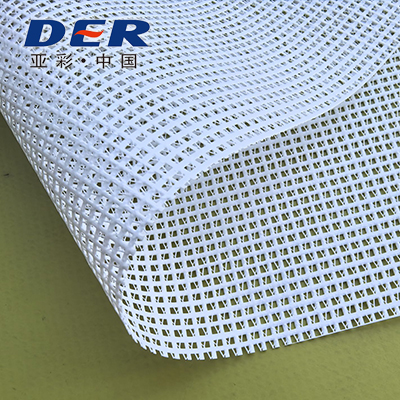
Mesh tarps use an open-weave construction that allows air and some light to pass through. The openness can reduce ballooning and wind pressure compared with a solid cover, while still providing shade, screening and debris control.
Typical uses
- Dump trucks, landscape trailers and loose-material containment
- Scaffolding screens, site fencing and dust-control barriers
- Shade structures, privacy screens and sports backstops
- Agriculture ventilation and warm-climate cover systems
Selection caution: mesh tarp is not a substitute for a solid waterproof tarp. Specify mesh openness, shade factor, yarn strength, UV treatment, edge reinforcement and attachment spacing.
Clear PVC Tarps
Visibility Weather barrier Flexible enclosure
Clear PVC tarps and transparent vinyl panels are selected when daylight, visibility or inspection access must be preserved while the area is protected from rain, spray, wind or dust. Clear sections may be combined with reinforced colored borders.
Typical uses
- Patio curtains, tent windows and seasonal enclosures
- Warehouse partitions and work-area visibility panels
- Marine windows, awning panels and equipment inspection covers
- Custom flexible doors and transparent protective curtains
Selection caution: clarify thickness, optical clarity, cold flexibility, UV exposure, roll marks, welding method and whether the clear section needs reinforced borders.
Fire-Retardant Tarps
Reduced flame spread Project testing Industrial safety
Fire-retardant tarps are formulated or treated to resist ignition, slow flame spread or self-extinguish under a defined test method. They may be based on PVC coated polyester, treated poly fabric, canvas or a specialty high-temperature textile.
Typical uses
- Construction enclosures and temporary public structures
- Warehouse dividers, event covers and industrial work zones
- Selected welding screens or hot-work separation systems
- OEM products requiring a named flame test route
Important: fire-retardant does not mean fireproof. Confirm the exact standard, sample, certificate or report required for the destination market and keep the tarp away from direct flame unless the material is specifically rated for that exposure.
Insulated Tarps
Thermal barrier Multi-layer Cold-weather work
An insulated tarp is a flexible assembly with an outer skin, thermal core and inner protective face. Foam, bubble, felt or reflective layers may be used according to the temperature-control objective and handling environment.
Typical uses
- Concrete curing, cold-weather construction and temporary enclosures
- Equipment, pipe, tank or material temperature protection
- Thermal curtains, logistics covers and warehouse separation
- Reusable panels with handles, joining flaps or fastening straps
Selection caution: insulation slows heat movement; it does not generate heat. Compare the complete layer construction, thickness, joining details and test method rather than relying on a generic “insulated” label.
Truck and Transport Tarps
Cargo protection Reinforced Road exposure
Truck tarps are designed around cargo shape, road wind, repeated tie-down, loading frequency and abrasion. Common formats include flatbed tarps, lumber tarps, steel tarps, dump truck tarps, roll-off tarps and curtain-side panels.
Typical uses
- Flatbed freight, lumber, steel, coils and machinery transport
- Dump trucks, waste hauling and landscape trailers
- Curtain-side trailers and branded fleet covers
- Replacement panels and OEM vehicle-body systems
Selection caution: specify cargo type, drop height, flap layout, abrasion zones, webbing, D-rings, grommets and whether the system is manual, rolling, retractable or sliding. See the DERFLEX
truck tarpaulin page for transport-focused options.
Construction Tarps
Site protection Temporary enclosure Debris control
Construction tarp is an application category that may use poly, PVC, mesh, canvas, insulated or fire-retardant materials. The correct choice depends on whether the job is rain protection, scaffold screening, temporary walling, curing, floor protection or debris containment.
Typical uses
- Building-material covers and temporary roofing
- Scaffold sheeting, mesh screens and dust control
- Concrete curing blankets and insulated enclosures
- Floor covers, drop cloths and work-area separation
Selection caution: wind load, anchoring, falling-object risk, fire rules and local site requirements can be more important than the tarp's nominal weight. Use an engineered attachment plan for large enclosures.
Agriculture and Hay Tarps
Farm storage UV exposure Large-area covers
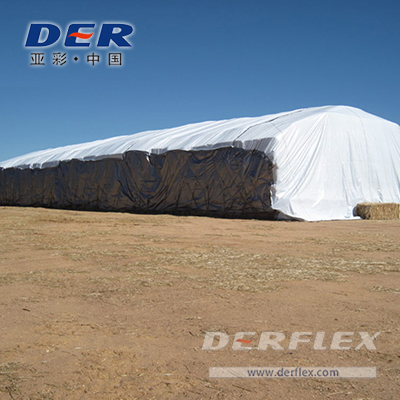
Agriculture tarps include hay covers, grain covers, feed covers, greenhouse side curtains, crop protection sheets, livestock curtains and machinery covers. They may require long widths, UV stabilization, repairability and reliable perimeter anchoring.
Typical uses
- Hay stacks, feed ingredients, grain and seasonal crop storage
- Tractors, farm implements and outdoor machinery
- Greenhouse sidewalls, livestock curtains and shade systems
- Temporary ground covers and moisture-management tasks
Selection caution: clarify whether the priority is sealed rain protection, breathability, ventilation, shade or temporary ground coverage. Prevent water pooling and distribute tie-down loads across the perimeter.