


 Architectural Membrane Material Guide
What Is a Membrane in Architecture?
In architecture, a membrane is an engineered flexible skin used to form lightweight roofs, canopies, façades, skylights, shade systems and large-span structures. Instead of relying only on heavy rigid roofing, a membrane works with tension, curvature, cables, frames and edge details to create strong, elegant and efficient architectural spaces.
DERFLEX supplies PVC/PVDF architectural membrane fabric, PTFE coated fiberglass direction and ETFE-related membrane material options for fabricators, contractors, distributors, architects and project buyers who need stable roll quality, custom specifications and export-ready material support.
- PVC / PVDF / PTFE / ETFE material options
- For tensile roofs, canopies, façades and stadium structures
- Custom color, width, surface finish and light transmission
- OEM roll supply, sampling and project documentation support
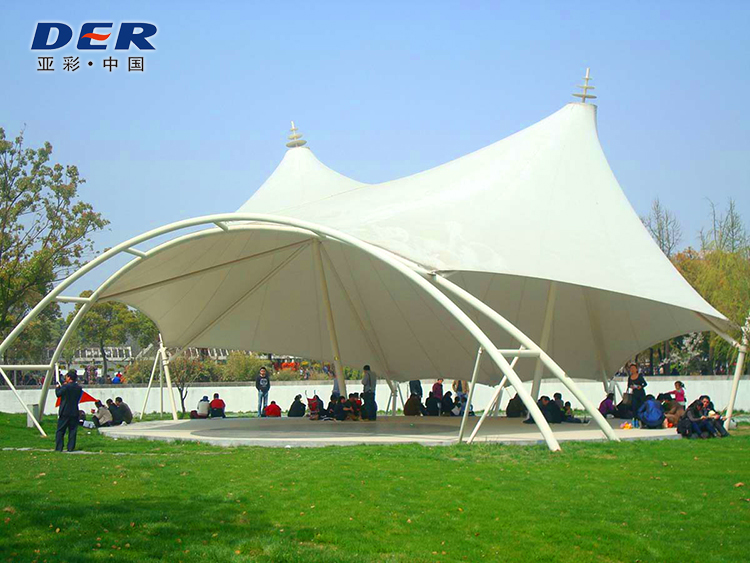
DERFLEX Architectural Membrane Material
Product image display for architectural membrane fabric used in tensile structures, shade roofs, public spaces and lightweight building envelope applications.
What does “membrane” mean in architecture?
A membrane in architecture is a thin, flexible and high-strength material layer used as part of a building envelope or tensile structure. It can protect the space below, control daylight, create shade, express a distinctive shape and transfer load through tension.
In modern membrane architecture, the membrane is not just a decorative cover. It becomes a performance material that must balance tensile strength, tear resistance, weather resistance, fire-oriented planning, translucency, surface cleanability, weldability and long-term appearance.
Common membrane architecture includes tensile fabric roofs, stadium canopies, airport walkways, shopping mall entrances, parking shade structures, public plaza covers, ETFE cushion roofs and fabric façades.
Core idea: lightweight structure + engineered skin
- Structural behaviorThe membrane is normally pre-tensioned over steel, cable, aluminum or support frames to maintain stable form.
- Architectural appearanceCurved membrane surfaces create flowing shapes, iconic rooflines and soft daylight effects that rigid roofs may not achieve easily.
- Material performanceDifferent projects require different material routes, including PVC/PVDF coated polyester, PTFE coated fiberglass and ETFE film systems.
- Project deliverySuccessful membrane projects depend on correct material selection, cutting pattern logic, welding, reinforcement, edge details and installation tensioning.
Why architectural membranes are used in modern buildings
Membrane architecture is popular because it combines technical efficiency with strong visual identity. For B2B buyers, the correct membrane material can reduce sourcing risk and support better fabrication results.
Large span with lower dead load
Membrane structures can cover walkways, stadium edges, public areas and entrances with less structural weight than many conventional roof systems.
Distinctive architectural form
The flexible membrane surface can create anticlastic curves, cones, waves and floating roof forms that strengthen a building’s visual identity.
Daylight and shade control
Membrane material can be selected for opacity, translucency, reflectivity or transparency to manage light comfort and visual atmosphere.
Weather protection
Outdoor membrane materials must resist UV, rain, wind, temperature change, dust and pollution while maintaining appearance and mechanical integrity.
Efficient fabrication
PVC/PVDF membrane fabric can support welding, edge reinforcement, cable pockets and panel fabrication for practical project execution.
Custom project identity
Custom color, surface gloss, printed marks, width, GSM and light transmission help contractors and OEM buyers match real project needs.
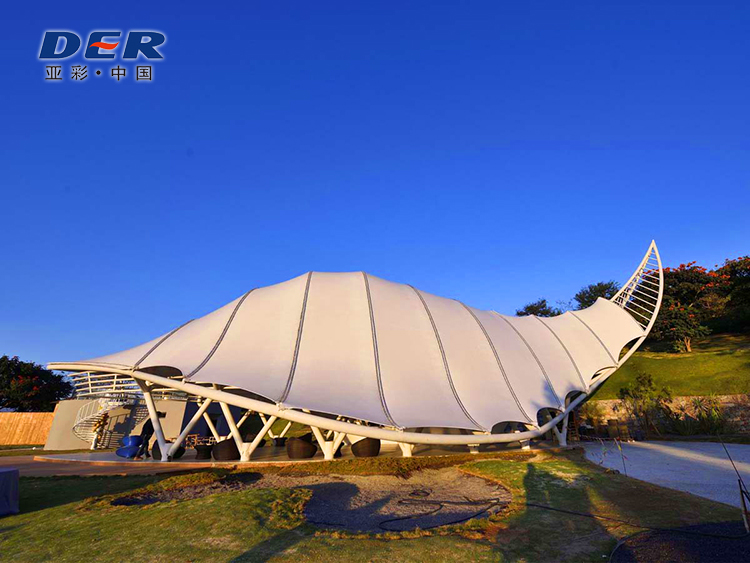
Architectural membrane material for fabricators, contractors and OEM supply
DERFLEX positions architectural membrane as a technical material platform, not a generic coated fabric. Project buyers usually need a balance of strength, weldability, clean surface, color stability, UV resistance, fire-oriented options and repeatable roll-to-roll quality.
For commercial canopies, parking shelters, stadium shade areas and public walkway structures, PVC/PVDF coated polyester membrane fabric is often a practical route because it offers flexible fabrication, good waterproofing, custom appearance and commercially workable lead times.
For premium landmark roofs or transparent roof and façade systems, PTFE and ETFE-related material directions can also be considered based on lifespan target, fire pathway, budget and engineering requirements.
Common membrane materials used in architecture
The best membrane choice depends on design intent, budget, expected lifespan, climate, fire requirements, surface cleanability, transparency needs and fabrication method.
PVC coated polyester
Widely used for canopies, shade structures, parking shelters, temporary or semi-permanent structures and commercial roofing projects.
PVDF coated PVC membrane
A higher-grade direction for projects requiring improved surface durability, weathering resistance and easier cleaning appearance.
PTFE coated fiberglass
Often considered for landmark tensile roofs, permanent structures and higher-performance applications requiring long-term stability.
ETFE film systems
Selected for skylights, atriums, transparent roofs, cushion systems and façades where very low weight and high light transmission matter.
Architectural membrane material specification guide
Final values must be confirmed according to project load, climate, fire pathway, fabrication equipment, expected service life and local building requirements.
| Item | DERFLEX Supply Direction | Buyer Evaluation Notes |
|---|---|---|
| Product name | Architectural membrane fabric / tensile membrane material / membrane structure fabric | Used for roofs, façades, canopies, walkways, shade systems and large-span structures. |
| Material options | PVC coated polyester, PVDF-coated PVC membrane, PTFE coated fiberglass direction, ETFE-related film option | Choose based on budget, lifespan, transparency, surface cleaning and engineering route. |
| Typical PVC/PVDF weight | Approx. 650–1500 g/m² depending on grade and project requirement | Higher weight does not automatically mean better; tensile strength, coating adhesion and surface treatment also matter. |
| Base reinforcement | High-tenacity polyester for PVC/PVDF; fiberglass base direction for PTFE systems | Base cloth influences tensile strength, tear resistance and dimensional stability. |
| Surface treatment | PVDF lacquer, acrylic finish, anti-dust surface, anti-mildew treatment, matte/gloss options | Surface treatment affects cleanability, dirt pickup, visual consistency and maintenance cost. |
| Color and appearance | White, light grey, beige, blue or custom architectural colors | Color should be confirmed by samples before bulk production for project batches. |
| Fabrication support | Cutting, welding, edge reinforcement, cable pocket and clamping compatibility direction | The membrane must match the fabricator’s welding equipment and installation method. |
| Performance options | UV resistance, weather resistance, waterproofing, flame-retardant direction, tensile and tear strength options | Testing and compliance documents should be discussed before final quotation. |
| Custom supply | Custom width, roll length, color, GSM, surface finish, label and packing support | Important for distributors, OEM programs and multi-stage project supply. |
| Quotation details needed | Project type, material target, width, color, quantity, fire requirement, destination and project schedule | Drawings, site climate and expected service life help DERFLEX recommend the right material direction. |
Where architectural membranes are used
DERFLEX membrane materials can support public, commercial, transportation, landscape and industrial projects where lightweight coverage, weather protection and architectural identity are important.
Stadium Roofs & Arena Shade
Large-span membrane materials for spectator areas, sports facilities and public seating protection.
Commercial Canopies
Clean architectural fabric for shopping malls, hotels, entrances, atriums and retail plazas.
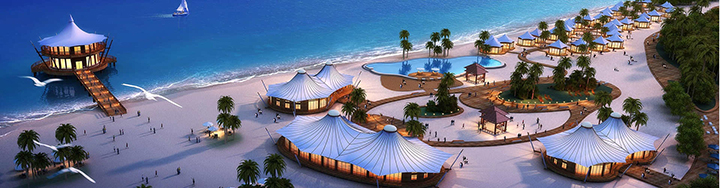
Landscape & Resort Structures
Membrane fabric for parks, beaches, resorts, public squares and outdoor leisure facilities.
Walkways & Transit Shelters
Weather-resistant membrane options for stations, airports, pedestrian paths and bus shelters.
Parking Shade Structures
Durable canopy membrane materials for parking lots, EV charging areas and vehicle shelters.
Façades & Building Envelopes
Architectural membrane directions for fabric façades, shade screens and branded building skins.
A membrane material partner for real project delivery
DERFLEX focuses on the material side of membrane architecture: coating construction, roll consistency, customization, quality control and export-ready supply.
Manufacturing-oriented supply
DERFLEX supports material programs around confirmed construction, batch control, roll quality and stable production planning rather than only stock trading.
Custom material development
Buyers can discuss custom GSM, width, color, topcoat, surface gloss, light transmission, packaging and OEM label requirements.
Quality control logic
DERFLEX can support sample confirmation, fabric weight checking, width review, surface inspection, color review and packing control.
Export-ready communication
Suitable for contractors, distributors and OEM buyers who need quotation clarity, delivery coordination and documentation discussion.
Sample-first evaluation
Project teams can confirm color, hand feel, surface finish, thickness, weight and fabrication compatibility before bulk order planning.
Repeat-order consistency
Important for phased projects, distributors and fabricators who need stable material supply over repeated production cycles.
DERFLEX vs. generic membrane material sourcing
Architectural membrane projects are public-facing and performance-sensitive. The cheapest roll can create hidden costs through fabrication issues, color inconsistency, surface aging or documentation gaps.
Generic roll supplier
- Limited discussion of project type, climate and expected service life
- May only quote by square meter without material selection guidance
- Unclear surface treatment, weldability or batch consistency control
- Limited custom color, width, packaging and documentation support
- Higher risk for fabricators when material behavior is not confirmed early
DERFLEX membrane material support
- Material recommendation based on application, budget and performance target
- PVC/PVDF, PTFE direction and ETFE-related options for different projects
- Sample confirmation before bulk production and project batch planning
- Custom GSM, color, width, finish, roll length, labels and packing options
- Quality control and export coordination for B2B buyers and fabricators
Custom membrane fabric for a commercial canopy project
A project contractor needed a clean white membrane fabric for a commercial entrance canopy exposed to sunlight, rain and urban dust. The buyer required stable appearance, good weldability, practical lead time and export-ready roll packing.
DERFLEX reviewed the application, fabrication method, color target and outdoor exposure. A PVC/PVDF membrane direction was recommended to improve surface cleanability and weathering performance while maintaining practical welding and panel fabrication.
Internal links for architectural membrane buyers
Explore related DERFLEX pages for membrane architecture, tensile structure fabric and coated material supply.
Material solutions for roofs, canopies, shade structures and large-span tensile membrane projects.
Architectural membrane fabric for structural roofs, façades, walkways and public spaces.
PVC/PVDF material options for commercial canopies, stadium shade and exterior structures.
Custom architectural coated textile materials for roofs, façades and building envelope systems.
Flexible membrane material directions for industrial covers, roofs, environmental systems and OEM supply.
Durable coated fabric base for membranes, tarpaulins, covers, tents and flexible textile applications.
What is a membrane in architecture? FAQ
Common questions from contractors, fabricators, distributors, architects and project buyers comparing architectural membrane materials.
What is a membrane in architecture?
A membrane in architecture is a flexible technical material used as a roof, façade, canopy, shade surface or building envelope component. It is often tensioned over a frame, cable or support structure to create lightweight and large-span architectural forms.
Is an architectural membrane only a decorative fabric?
No. In tensile architecture, the membrane is a performance-critical material. It affects load transfer, waterproofing, weather resistance, daylight diffusion, fire-oriented planning, surface cleanability, fabrication efficiency and long-term appearance.
Which membrane material is best for architecture?
PVC/PVDF coated polyester is often suitable for cost-effective canopies, parking shelters, commercial roofs and shade structures. PTFE may be considered for higher-end long-service projects, while ETFE is selected for transparent roofs, skylights, atriums and cushion systems.
Can DERFLEX customize architectural membrane fabric?
Yes. DERFLEX can support custom GSM, width, roll length, color, surface treatment, gloss level, translucency direction, packing format and OEM label requirements according to project and buyer needs.
What information should I provide for a membrane material quotation?
Useful information includes project type, drawings or target dimensions, material preference, width, color, quantity, fire requirement, surface finish, expected service life, destination port and project schedule.
Can membrane fabric be welded?
PVC and PVDF architectural membrane fabrics are commonly fabricated through welding processes. The exact welding method depends on material construction, coating type, panel design and fabricator equipment.
Why choose DERFLEX for architectural membrane material supply?
DERFLEX supports B2B buyers with manufacturing-oriented supply, custom material options, sample confirmation, quality inspection, roll packing coordination and export-ready service for membrane structure projects.
Need architectural membrane material for your next project?
Send DERFLEX your project type, target material, width, color, quantity, fire requirement and delivery destination. Our team can help you compare PVC/PVDF, PTFE and ETFE-related options and recommend a practical material direction.