News
Industry News

hat Is TARP in Mining? TARP Plans & Mining Tarpaulins | DERFLEX

Update:2026/7/23 23:11:51 Views:
Industrial coated textiles · Custom tarpaulin fabrication Request A Quote
Mining terminology & cover selection

What Is TARP in Mining?

In mining, TARP usually means a Trigger Action Response Plan—a predefined system that links monitored conditions to required actions. A lowercase tarp, however, is a physical tarpaulin used to cover stockpiles, haul loads, machinery, conveyors and temporary work zones. This page explains both meanings and shows where DERFLEX mining tarpaulin solutions fit.

TARP = a management plan Triggers, thresholds, escalation levels, responsibilities and required responses.
tarp = a protective cover Industrial coated fabric configured for weather protection, containment and equipment coverage.
Heavy duty DERFLEX tarp for mining applications
Physical mining tarpaulin Application-specific material, reinforcement, seam and attachment design should be confirmed before production.
Direct answer

The same word points to two very different mine-site tools.

Search results for “what is tarp in mining” often mix a safety-management acronym with a physical industrial cover. Understanding the distinction is important before discussing specifications, procurement or site procedures.

Uppercase TARP

Trigger Action Response Plan

A mining TARP is a documented decision framework. It identifies a measurable trigger or abnormal condition, sets escalation thresholds and states what personnel must do at each level.

  • May cover dust, ground movement, gas, water, slope or tailings conditions
  • Defines who checks, reports, stops work, escalates or authorizes restart
  • Should be developed for the specific mine, hazard and regulatory setting
Lowercase tarp

Mining Tarpaulin or Protective Cover

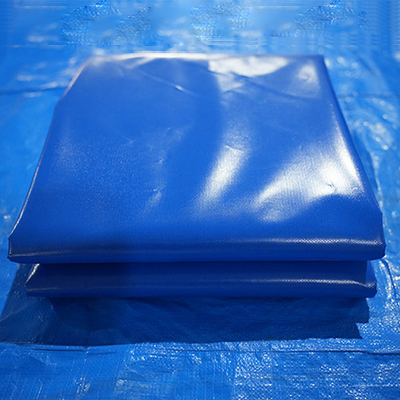
A mining tarp is a fabricated sheet or cover used to protect, enclose or contain mine-site materials and assets. It may be supplied as roll goods, welded panels or a finished custom cover.

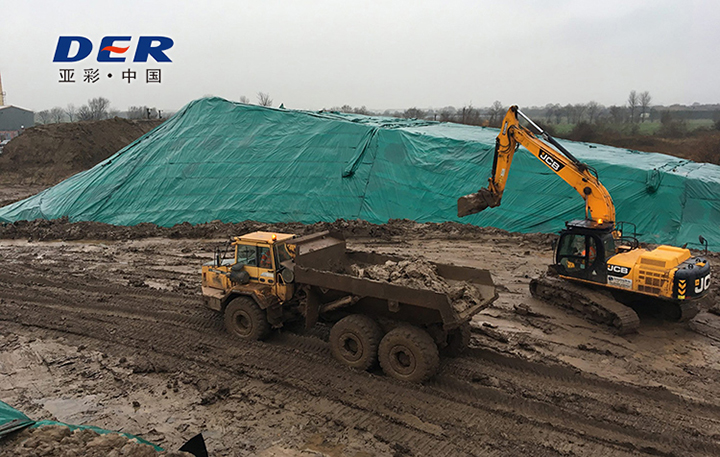
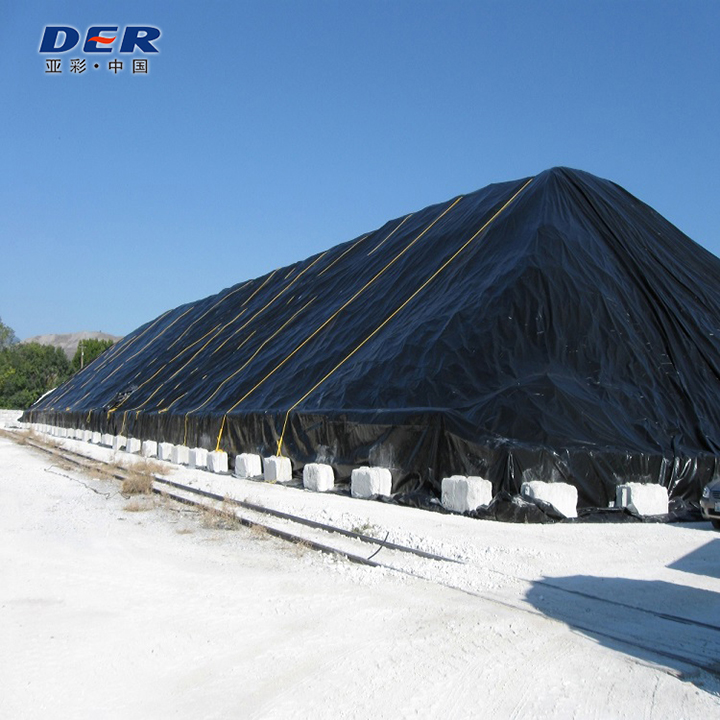
  • Commonly used for stockpiles, equipment, trucks and conveyors
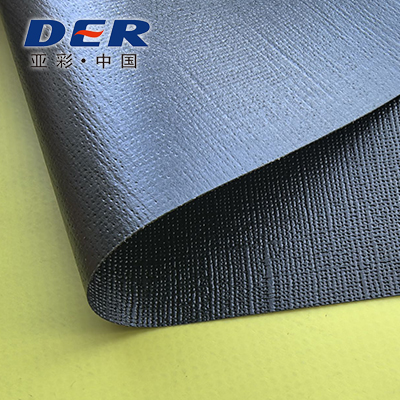
  • Often built from PVC-coated polyester for waterproof, weldable construction
  • Selected according to abrasion, wind, UV, handling and attachment conditions
Important: DERFLEX supplies coated textile materials and fabricated tarpaulin products. It does not replace a mine operator, qualified safety professional, geotechnical engineer or site-specific Trigger Action Response Plan. Mine safety procedures must follow applicable laws, approved risk controls and competent professional review.
Safety terminology

How a Trigger Action Response Plan normally works

The exact format varies by hazard and jurisdiction, but mining TARPs generally connect monitoring to pre-agreed action. The value is not the color chart itself; it is the clarity of thresholds, authority, communication and response.

01

Define the hazard

Identify the condition being managed, such as dust concentration, slope movement, seismicity, water level, gas or fall-of-ground indicators.

02

Set measurable triggers

Specify observations, readings, events or thresholds that move the operation away from normal conditions.

03

Assign required actions

State who must inspect, communicate, isolate, stop work, evacuate, escalate or authorize the next step.

04

Record and review

Document activation, response, clearance and lessons learned so the plan can be maintained and improved.

Normal / Green Conditions remain inside the approved operating range and routine controls continue.
Elevated / Yellow A threshold or warning condition is reached; additional assessment and supervisory action may be required.
Critical / Red A high-risk trigger is reached; predefined escalation, isolation or stoppage actions apply.
The level names above are illustrative. A valid site TARP must use the mine’s approved definitions, instrumentation, thresholds, responsibilities, communication route and authorization process.
Physical tarpaulin uses

Where a tarp is used in mining operations

Physical tarps support weather protection, temporary enclosure and material handling across open-pit, underground, quarry, aggregate and mineral-processing operations. They are supporting components—not substitutes for engineered guarding, ventilation, environmental controls or operating procedures.

APPLICATION 01

Ore and Stockpile Covers

Large covers can help reduce direct rain exposure, windblown contamination and surface weathering of stored coal, ore, salt, aggregate or processed material.

APPLICATION 02

Haul Load Covers

Custom truck tarps can be designed around body dimensions, opening method, attachment points and the flexibility required for repeated deployment.

APPLICATION 03

Machinery Protection

Fitted or loose covers may protect pumps, drill components, generators, service equipment and stored parts from rain, dust and UV exposure.

APPLICATION 04

Conveyor Enclosures

Segmented fabric covers can shield selected conveyor areas and support control of rain entry, light debris and loose material around exposed routes.

APPLICATION 05

Maintenance Zones

Temporary roofs, sidewalls or curtains can create a short-term protected work area while maintaining access for tools, inspection and dismantling.

APPLICATION 06

Ventilation Textiles

PVC-coated technical fabric can be fabricated into layflat or wire-reinforced mine ventilation ducting when airflow direction and pressure are engineered for the route.

DERFLEX product references

Mining covers should be designed around the wear path.

The first failure point is often not the middle of the sheet. Corners, folds, rope hems, grommets, frame contact zones and load transitions deserve separate attention during specification.

Material construction

What makes a mining tarp different from a light general-purpose sheet?

A useful mining tarp specification considers the textile base, coating, seam method, reinforcement and finished geometry as one system. Weight alone does not describe how the cover will behave during dragging, folding, tensioning or wind loading.

Outer PVC surface Weather-facing layer selected for waterproofing, cleaning and surface durability.
Polyester reinforcing scrim Textile structure that carries tensile load and supports tear performance.
Inner PVC surface Back coating or laminated layer that protects the base fabric and supports welding.
Finished-cover architecture Welded seams, hems, webbing, wear pads, corners, eyelets, rings, straps or rope edges.
  • Abrasion map: identify steel, rock, concrete, frame and cargo contact before selecting the complete construction.
  • Handling cycle: confirm whether the tarp is fixed, rolled, folded, dragged, mechanically opened or manually deployed.
  • Wind and anchoring: size the panel, attachment spacing and supporting structure for the site arrangement.
  • Environment: state UV exposure, rainfall, temperature, mud, slurry, oils or chemical contact that may affect material choice.
  • Safety functions: define any required flame-retardant, anti-static or low-temperature test standard before sampling.
Specification reference

Typical options for a custom PVC mining tarp program

The following table is a procurement starting point rather than a universal specification. Final construction, test method, tolerances and acceptance criteria must be confirmed in the quotation, approved sample or technical agreement.

Item Available direction Selection note
Material PVC-coated or PVC-laminated polyester textile Coating route and scrim are matched to strength, flexibility, welding and cost requirements.
Indicative weight Approx. 450–1300 gsm discussion range Heavier is not automatically better; panel size, handling method and wear points should drive selection.
Supply format Roll goods, cut panels, welded panels or finished covers Useful for local converters, equipment builders, distributors and direct project procurement.
Seam construction Heat-welded layouts subject to material and cover design Seam direction, overlap and local reinforcement affect water resistance and load transfer.
Reinforcement Webbing, doubled hems, wear strips, corner pads and hardware backing Reinforce the actual contact and tension zones rather than adding weight without a wear map.
Attachment Eyelets, D-rings, straps, rope hems, sleeves, pockets or project-defined fittings Spacing and backing must suit wind, tarp size, support frame and opening frequency.
Optional properties UV, cold, mildew, flame-retardant or anti-static directions Availability and compliance depend on the agreed standard, construction and test documentation.
Color and marking Project-defined colors, identification marks and OEM labels Visibility, zoning, branding and maintenance identification can be considered.
Product suitability is project-dependent. Obtain a representative sample and confirm the intended substrate, exposure, fabrication method, installation arrangement and relevant test requirements before bulk production.
Application matching

Choose the tarp by the job—not by one headline number.

Different mine-site covers prioritize different performance factors. A stockpile sheet, automated haul tarp and fitted machinery cover should not automatically use the same fabric or reinforcement layout.

Stockpile cover

Large-area outdoor coverage where anchoring, panel welding, drainage, wind exposure and local access shape the design.

Panel stabilityUV exposureAnchoringDrainage

Mining truck tarp

Repeated opening and closing requires a balance of mechanical strength, flexibility, compatible attachment and practical movement.

Flex fatigueTear supportSystem fitEdge load

Machinery cover

Fit, access, ventilation clearance and protection from sharp corners may matter more than maximum sheet weight.

Custom fitAccess panelsWear padsCleaning

Conveyor cover

Segment size, inspection access, frame clearance, overlap direction and wind response should be coordinated with the equipment owner.

Frame interfaceInspectionWeatherMaintenance
DERFLEX supply approach

From coated fabric to a project-defined mining cover

DERFLEX can discuss roll supply and custom-fabricated tarpaulin programs for industrial buyers. The specification route is based on the intended application, sample review and written production requirements.

Coated textile options

PVC-coated polyester directions can be reviewed for waterproof covers, repeated handling and welded fabrication.

Custom fabrication

Finished dimensions, seams, hems, reinforcement, hardware, labels and packing can be planned around the order.

OEM and project supply

Programs may support distributors, equipment builders, contractors, converters and direct project procurement.

Sample-led confirmation

Optional performance functions and acceptance criteria should be confirmed through agreed samples and documents.

Quotation preparation

What to send for an application-based mining tarp review

A useful inquiry explains the operating problem, not only the desired color or thickness. Photos, drawings and details about movement and wear help reduce avoidable assumptions.

Start with the actual use condition.

Tell DERFLEX what the cover touches, how often it moves, where it is fastened and what exposure it must tolerate. The team can then discuss a suitable material and fabrication direction for quotation.

Send Project Details
Application and cover function Stockpile, truck, machinery, conveyor, curtain, temporary enclosure or another use.
Dimensions or drawing Finished size, panel layout, openings, overlaps, clearances and attachment locations.
Wear and movement Fixed or mobile, contact surface, fold cycle, dragging, rolling and likely sharp points.
Site exposure Sun, rain, wind, temperature, dust, slurry, oils, chemicals or underground conditions.
Required functions Waterproofing, UV, cold, flame-retardant, anti-static or other project-specific needs.
Commercial scope Quantity, sample need, roll or finished cover, packaging, delivery destination and target timing.
Buyer FAQ

Frequently asked questions about TARP and tarp in mining

What does TARP stand for in mining?

TARP commonly stands for Trigger Action Response Plan. It links defined triggers or thresholds to predefined actions, escalation levels, responsibilities and communication requirements for a specific mining hazard or operating condition.

What is a tarp used for in mining?

A physical mining tarp can be used to cover stockpiles, haul loads, machinery, stored parts, selected conveyor areas and temporary work zones. Its function may include weather protection, temporary enclosure or support for material containment.

Are a mining TARP and a mining tarp the same thing?

No. Uppercase TARP is generally a safety or operational response plan. Lowercase tarp is a tarpaulin product. A tarp may support site protection, but it does not replace the procedures, monitoring and authority defined by a mine’s TARP.

Which material is commonly considered for heavy-duty mining tarps?

PVC-coated polyester is commonly considered because it can combine waterproofing, textile reinforcement, weldability and customizable finished-cover construction. The appropriate GSM, scrim, coating and reinforcement depend on the application.

Can DERFLEX make a custom mining tarpaulin?

DERFLEX can discuss custom dimensions, panel welding, hems, webbing, eyelets, D-rings, wear pads, straps, colors, labels and packaging. Final feasibility and performance requirements are confirmed through the quotation and approved specification.

Can a tarp replace mine guarding, ventilation or dust-control systems?

No. A tarp is a supporting cover or enclosure component. It must not be treated as a substitute for engineered guarding, ventilation design, dust controls, emergency systems, environmental controls or site-specific safety procedures.

Specify the mine-site conditions before specifying the tarp.

Share your application, dimensions, contact surfaces, movement cycle, exposure, attachment plan, required test direction, quantity and destination. DERFLEX can review a practical coated-fabric and fabrication route for quotation.

Request A Quote
Prev:Welding Curtain Tarp Manufacturer | Custom Heavy Duty Curtains | DERFLEX
Next:What Tarps Last the Longest? Long-Life Tarp Material Guide | DERFLEX
Consulting Services
+86-021-54361792 / 54361798
Email
sales@derflex.com