Top Canopy Panels
A roof-style tarp installed above the belt to divert rain and sunlight while leaving the sides relatively open for ventilation and routine observation.




PVC coated fabric · Finished tarps · Custom industrial covers
DERFLEX supplies custom conveyor cover tarps made from PVC coated polyester fabric for rain protection, wind control, dust containment, replacement covers and inspection-friendly conveyor enclosures.
Developed for mining, aggregate, grain, fertilizer, recycling, ports and factory material handling. Size, panel layout, opening method, reinforcement, hardware, color and packaging can be specified around the conveyor frame and operating environment.
A conveyor cover tarp is a flexible protective enclosure fitted over or around an industrial conveyor. Unlike a rigid steel hood, a fabric cover can be shaped around non-standard frames, opened for inspection, removed during maintenance and replaced without rebuilding the conveyor structure.
The cover can shield conveyed material and selected conveyor components from rain, snow, sunlight, windblown debris and contamination. A properly planned enclosure may also reduce loose dust and light material escaping from the conveyor path, helping improve housekeeping around transfer lines and outdoor process areas.
DERFLEX develops conveyor cover tarp programs for new installations, replacement projects, conveyor equipment builders, industrial contractors, distributors and end users that need repeatable custom sizing rather than generic stock sheets.
The most suitable layout depends on weather exposure, dust control target, inspection frequency, frame geometry and how the cover will be tensioned.
A roof-style tarp installed above the belt to divert rain and sunlight while leaving the sides relatively open for ventilation and routine observation.
Weather cover with flexible side curtains that can be rolled, buckled or tied up for belt inspection, idler access and cleaning.
Multi-panel enclosure for greater dust and weather control, with planned access flaps, zipper doors, overlaps or removable modules.
Flexible cloth fitted below selected conveyor areas to catch drips or falling material. It should be designed separately from the top weather cover.
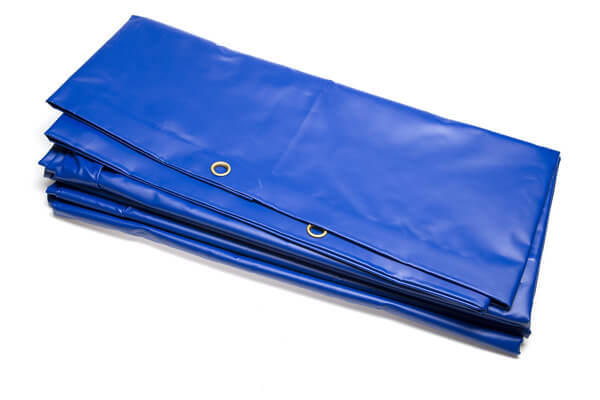
A conveyor cover must combine flexibility with dimensional stability. DERFLEX commonly uses high-tenacity polyester base cloth coated with PVC on both sides. The textile core carries tension, while the PVC surface provides the weather barrier, abrasion resistance, cleanability and weldability needed for fabricated industrial covers.
Weight alone does not determine performance. Frame contact, panel span, edge design, wind loading, access layout and seam construction should be evaluated together.
PVC coated surfaces help divert rain and splash. Welded seams, overlap direction and roof slope should be planned to reduce water entry and ponding.
Webbing, closely spaced anchors, reinforced corners and tension distribution help the cover stay stable around exposed conveyor structures.
Side curtains, overlapping panels and enclosed transfer sections can reduce escape of light dust and loose material when correctly fitted.
Wear patches, sleeves and sacrificial reinforcement can be added where the tarp touches steel frames, sharp brackets or frequently handled edges.
UV-stabilized, anti-mildew and cold-flexible formulations can be discussed according to local climate and expected exposure period.
Roll-up sides, inspection flaps, zippers, Velcro closures and removable modules help operators reach idlers, belt edges and service points.
The table is a practical B2B selection guide. Final values should be confirmed against drawings, samples, intended exposure and the applicable test method.
| Specification Item | Available Direction | Buyer Selection Notes |
|---|---|---|
| Product | Conveyor cover tarp, conveyor belt weather cover, flexible conveyor enclosure, replacement conveyor cover | Specify whether the product is a top canopy, side curtain, full enclosure or under-belt catch cloth. |
| Material | PVC coated polyester fabric or project-matched coated technical textile | PVC coated polyester is commonly selected for waterproofing, strength, cleanability and weldability. |
| Typical Weight | Approx. 450, 500, 550, 610, 650, 750, 850 or 900 gsm; other structures by review | Longer spans, high wind, repeated handling and abrasive contact usually require stronger structure and reinforcement. |
| Base Fabric | 500D, 840D, 1000D × 1000D, 1300D or custom high-tenacity polyester construction | Yarn and density should be matched to tension, tear risk, panel size and service cycle. |
| Width | Common roll-width discussion from about 1.02 m to 5.10 m, depending on structure | Wider material may reduce seams, but panel handling and welding layout should also be considered. |
| Surface | Glossy, matte, smooth, embossed, lacquered, easy-clean or printable options | Choose according to cleaning method, appearance, abrasion and branding needs. |
| Performance Options | Waterproof, UV-resistant, anti-mildew, cold-resistant, abrasion-conscious, flame-retardant or anti-static directions | Any regulated performance should be defined by test method, required result and target market before production. |
| Joining | Hot-air welding, high-frequency welding, stitching, seam tape or combined fabrication | Welded seams are often preferred where stronger water resistance is required. |
| Reinforcement | Webbing hems, corner patches, wear strips, frame-contact sleeves, rope edge and multi-layer anchor zones | Mark high-load points and steel-contact areas on the drawing. |
| Hardware | Aluminum, brass or stainless grommets; D-rings; buckles; straps; zippers; Velcro; hooks; sleeves | Spacing and material should suit wind exposure, corrosion risk and inspection frequency. |
| Color & Branding | Standard or custom color, logo printing, equipment identification, labels and OEM packaging | Color matching and print durability should be confirmed by sample for repeat programs. |
| Supply Format | Fabric rolls, cut panels, semi-finished sections or finished custom conveyor covers | Converters may source roll material; contractors and distributors may prefer complete finished assemblies. |
A custom conveyor cover tarp should follow the actual frame profile, idler spacing, support brackets, transfer zones, service access and fixing method. DERFLEX can work from CAD drawings, dimensional sketches, measurement sheets, photos or an existing cover sample.
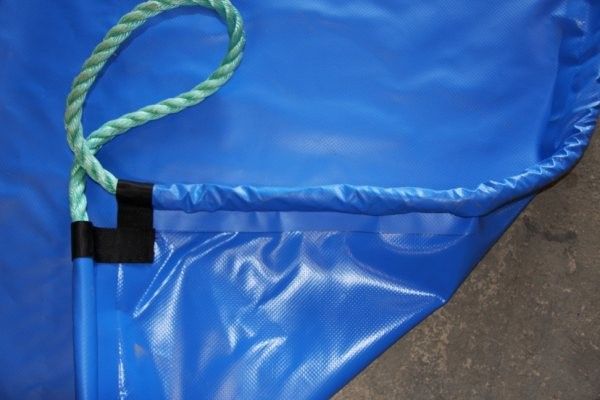
Clear technical communication before cutting reduces fit problems, weak fastening points, blocked maintenance access and inconsistent replacement orders.
Confirm application, conveyor dimensions, environment, cover layout, quantity and target performance.
Select fabric weight, base cloth, coating, finish, UV level, color and optional treatment.
Plan seam direction, overlap, drainage, anchor spacing, access doors and wear zones.
Review fit, opening method, hardware position and fabrication details before volume production.
Control dimensions, welding, reinforcement, hardware and packing while retaining repeat-order data.
Flexible covers are useful where conventional rigid hoods are difficult to fit, where access is frequent, or where a lightweight replaceable enclosure is preferred.
Weather and dust covers for ore, coal, stone, sand and aggregate conveying lines, including transfer and stockyard sections.
Flexible enclosures for grain terminals, feed mills, fertilizer handling and agricultural bulk material transfer systems.
Outdoor conveyor protection for terminals, loading areas, warehouses and material transfer lines exposed to coastal weather.
Cover systems for sorting lin, es and transfer conveyors where debris, moisture and housekeeping are practical concerns.
Conveyor tarps for powder, clinker, limestone and construction material handling, subject to site dust and temperature review.
Custom covers and curtains around packaging, wood, paper, chemical, hardware and general manufacturing conveyors.
Conveyor cover quality is visible in the details: consistent fabric, correct panel dimensions, seam continuity, reinforcement placement, hardware spacing and packaging that keeps sections organized during installation.
DERFLEX can discuss sample approval, specification records and project-related documentation according to the order. Where flame-retardant, anti-static, UV, chemical or environmental compliance is required, the applicable standard and test method should be confirmed before quotation and production.
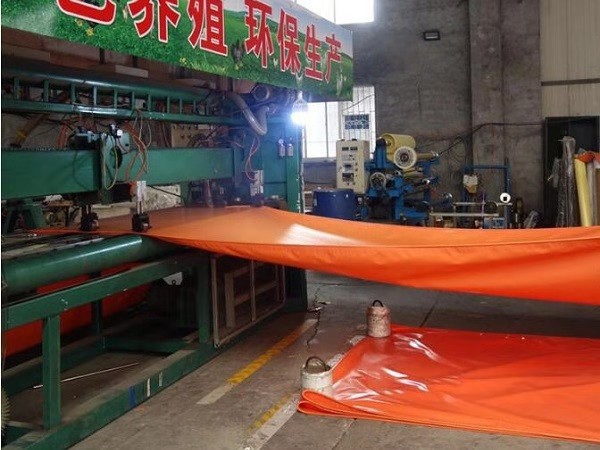
These six related pages connect conveyor cover design with PVC material, custom fabrication, heavy-duty structures and industrial protection applications.
Answers for equipment builders, plant engineers, contractors, distributors and industrial procurement teams.
A conveyor cover tarp is used to shield conveyed material and selected conveyor areas from rain, snow, sunlight, windblown debris and contamination. Depending on the enclosure design, it can also help reduce escape of light dust and loose material.
Yes. DERFLEX can review CAD drawings, dimensional sketches, measurement sheets, photos or an existing cover sample. The final design can include custom panels, overlaps, access flaps, reinforcement, grommets, straps, zippers, Velcro and identification labels.
PVC coated polyester fabric is commonly selected because it combines a strong textile base with a waterproof, cleanable and weldable PVC surface. The appropriate GSM, yarn structure and reinforcement depend on panel size, wind, abrasion, temperature and handling frequency.
Yes. Replacement conveyor covers can be developed from measurements, drawings or an old cover. Buyers should identify any fit problems, wear points or access limitations they want improved in the replacement design.
PVC coated tarp material is designed for waterproof protection. Finished-cover water resistance also depends on seam method, roof slope, overlap direction, openings, drainage and installation tension. These details should be reviewed for the actual conveyor.
Project-specific flame-retardant or anti-static directions may be discussed. The required test standard, performance level, target market and operating environment should be provided before material confirmation. A tarp does not replace site grounding, guarding or other safety systems.
DERFLEX supports B2B supply for equipment builders, contractors, distributors and industrial projects. Options may include fabric rolls, cut panels, finished covers, custom colors, printed markings, labels and export packaging.
No. A waterproof acoustic curtain tarp is designed around sound-control layers and enclosure acoustics, while a conveyor cover tarp is primarily designed around weather, dust, fit, access and fastening. DERFLEX can discuss both industrial textile directions, but they require different structures and specification review.
Please provide conveyor length, belt width, frame profile, panel layout, operating environment, required access openings, fixing method, material preference, color, quantity, drawings or photos, packing requirement and destination.
Send your conveyor drawing, dimensions, operating environment and cover layout. DERFLEX will review a suitable PVC fabric, reinforcement and fabrication direction for your project.