Self-Adhesive Furniture Wrapping
For qualified finished surfaces. Focus on substrate compatibility, face-film flexibility, adhesive behavior, liner stability, edge wrapping and planned removability.



Furniture wrapping film is a thin decorative surface material used to refresh qualified cabinets, wardrobes, desks, shelving, doors and other furniture without replacing the whole component. For renovation work, the best film is selected by the real substrate, edge geometry, grain direction, finish and adhesive behavior—not by a wood-pattern photo alone.
DERFLEX supports wood grain furniture film discussions for B2B renovation contractors, furniture refurbishers, distributors, private-label brands and project buyers. Send the furniture surface, dimensions, desired wood reference, installation method and expected quantity so the construction can be evaluated before bulk ordering.
Furniture wrapping film is a decorative surface film used to cover an existing qualified furniture surface with a new color, wood grain or texture. In renovation programs, it is commonly supplied as a pressure-sensitive construction with a decorative face film, adhesive and release liner. It can be a practical choice for cabinets, wardrobes, desks, shelving, counters, doors and fixtures when the substrate is stable, smooth, clean and suitable for adhesion. Furniture renovation film should be tested on the actual surface and the most difficult edge or corner before a bulk order is approved.
A wood pattern can be supplied in several constructions. The word “furniture film” alone does not tell a supplier whether the film will be peeled and applied on site, laminated to flat panels in a factory, or formed over a profiled cabinet front.
This page is intentionally focused on furniture wrapping film and furniture renovation film: pressure-sensitive or application-ready surface films used to refresh finished furniture and fixtures. For broader decorative converting, see DERFLEX's wood grain decorative film manufacturer guide. For a wider architectural resurfacing program covering doors, wall panels and millwork, see architectural wood grain film.
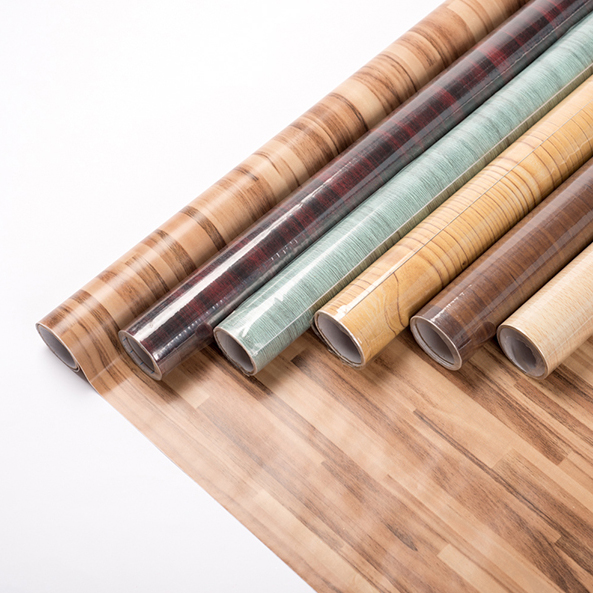
Start with how the film will be installed or converted. The process determines which technical details matter most.
For qualified finished surfaces. Focus on substrate compatibility, face-film flexibility, adhesive behavior, liner stability, edge wrapping and planned removability.
For panel processing. Focus on visual consistency, film thickness, surface finish, roll width, downstream adhesive/lamination process and panel yield.
For shaped cabinet fronts or profiled components. Film flexibility, profile depth, process settings and the exact forming route become critical alongside appearance.
The substrate is usually a more important decision variable than the room or furniture name. A stronger adhesive cannot fix a weak, dusty or unstable surface.
| Furniture Surface | Initial Suitability | What to Check Before Approval | Buyer / Installer Note |
|---|---|---|---|
| Finished laminate / melamine-like surface | Often suitable for testing | Cleanliness, gloss, release agents, edge condition, panel stability. | Test adhesion after cleaning and after a dwell period; confirm edges separately from the flat face. |
| Painted MDF / painted furniture board | Potentially suitable | Paint cure, bond strength to MDF, chalking, texture, contamination. | The film can only be as secure as the paint layer below it. Pull-off from weak paint is not solved by higher tack. |
| Powder-coated / painted metal furniture | Potentially suitable | Coating chemistry, surface energy, texture, oils, sharp edges. | Use an actual coated sample; metal edge geometry may need a different wrapping strategy than flat panels. |
| Acrylic / smooth plastic | Test carefully | Surface energy, plasticizer migration, outgassing, cleaning chemistry. | Do not assume behavior on glass predicts behavior on plastic. A project-specific adhesion test is essential. |
| Raw MDF / particle board / porous wood | Usually needs preparation | Dust, porosity, fibers, moisture, primer or sealed finish. | Raw porous board is not a reliable pressure-sensitive surface. Qualify a sealed/finished surface first. |
| Textured, damaged or flaking finish | High risk | Surface strength, texture telegraphing, repair feasibility. | Film may reproduce the texture underneath or lift with the unstable coating. Repair the substrate before wrapping. |
Commercial furniture wrapping problems often appear at geometry changes, not in the middle of a clean flat panel.
Check edge radius, film flexibility, adhesive wet-out and whether the design is face-only or intended to wrap around the edge.
Deep or tight returns can concentrate stress. Do not force a general flat-surface film into demanding shapes without testing.
Recessed cabinet details require a compatible conformability and installation route. Profile geometry should be supplied with the RFQ.
Handles, desk edges and work surfaces may face more abrasion, cleaning and contamination. State these service conditions before grade selection.
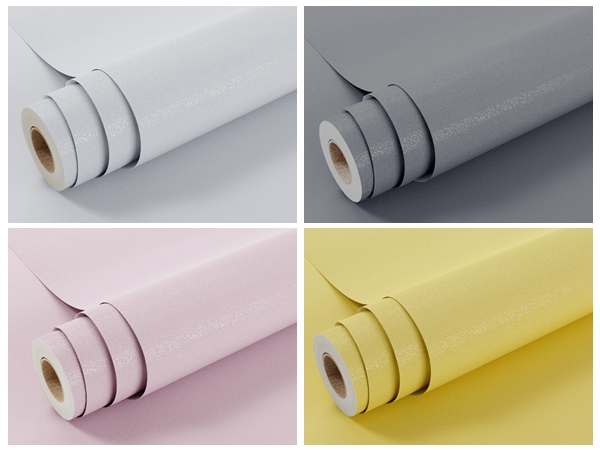
Real material and application images help buyers understand roll format and likely use. Final appearance and adhesion still need physical sample approval on the project surface.
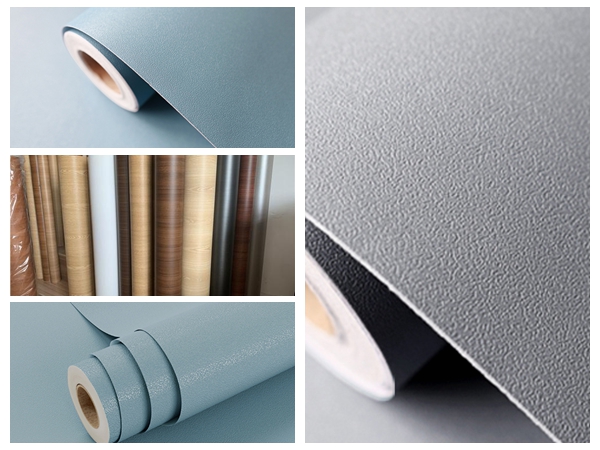
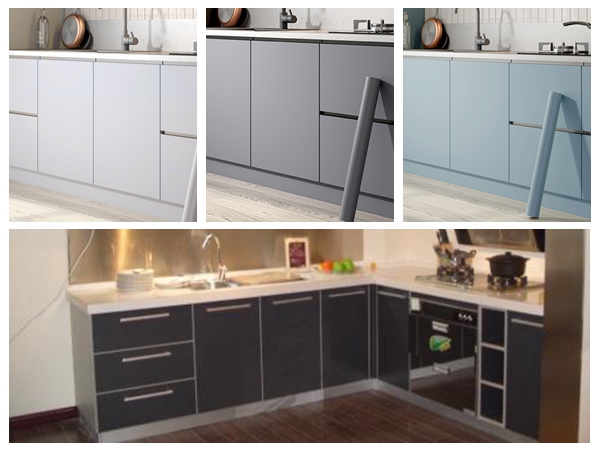
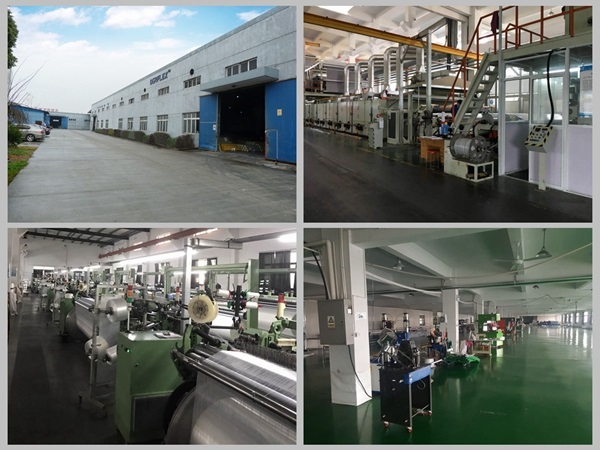
“Furniture” covers parts with very different geometry, cleaning frequency, visual demands and installation risk.
| Furniture / Fixture | Priority Variables | Recommended Evaluation | Common Mistake |
|---|---|---|---|
| Wardrobe doors | Large flat appearance, grain alignment, clean edges, low-glare finish. | Wrap a full-height sample panel or a representative door section under room lighting. | Approving color from a small swatch while ignoring grain scale over a tall door. |
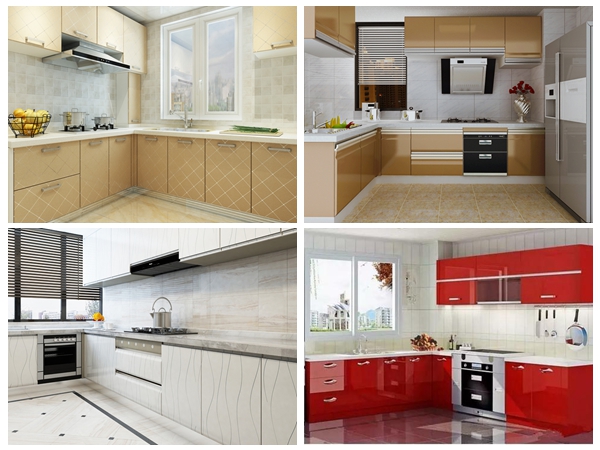
| Kitchen cabinet fronts | Cleaning, edge finish, handle areas, profile geometry, stain exposure. | Test the exact cabinet coating, edges and frequently cleaned areas; compare with DERFLEX's kitchen self-adhesive surface film reference. | Assuming all kitchen use requires the same adhesive or that a flat-face test proves profile performance. |
| Desks & office furniture | Large horizontal surfaces, edge wear, cleaning, visual consistency across multiple workstations. | Check whether the selected grade is appropriate for the intended horizontal-use conditions and cleaning cycle. | Treating a decorative vertical-film grade as automatically suitable for every desktop. |
| Retail counters & fixtures | Fast installation, repeat décor, replacement planning, high-touch edges. | Keep approved master samples and roll records so future store refreshes can be compared to the original installation. | Buying only enough for the first installation with no repeat-order appearance control. |
| Interior doors | Roll width, grain direction, long edges, handle cut-outs, door profile. | Map grain orientation before cutting and test the edge-return detail before scaling. | Mixing vertical and horizontal grain unintentionally across a door set. |
| Shelving & display units | Small returns, repeated parts, cutting yield, edge quality. | Use a nesting/cutting plan based on roll width and grain direction. | Choosing the widest roll without calculating offcut waste and pattern orientation. |
Two films can both be sold as oak and still differ noticeably in warmth, pore detail, repeat length, grain scale, emboss depth and gloss. For a renovation program covering multiple rooms, stores or furniture sets, approve a physical master sample rather than a species name.
For the broader pressure-sensitive material family, compare DERFLEX's wood grain self-adhesive film and self-adhesive vinyl roll resources.
The sample stage should prove the entire surface system—appearance, adhesion, edge handling and installation method.
State the actual furniture finish and condition. Do not substitute a convenient test panel.
Confirm wood master, grain scale, color, texture and finish under realistic lighting.
Use the deepest return, tightest corner or most difficult edge—not only the easiest flat area.
Inspect edge lift, bubbles, adhesive reaction, print distortion and substrate response after the film has settled.
Record approved sample, construction, roll format, grain orientation, packaging and repeat-order control.
Installation quality depends on the complete workflow. The film cannot compensate for a contaminated or unstable furniture surface.
Most avoidable problems come from an incomplete purchase specification rather than the wood pattern itself.
Monitor settings cannot confirm final wood tone, embossing or gloss. Use a physical approval sample.
A film that bonds well to glass may behave differently on paint, acrylic, powder coating or low-energy plastic.
Flat-face adhesion can look excellent while corners and narrow returns lift under stress.
Thickness does not describe adhesive, liner, flexibility, grain, embossing or edge behavior.
Incorrect orientation can make one batch look visually inconsistent across doors or adjacent furniture panels.
Do not assume UV/weather resistance unless the selected construction is specifically validated for that exposure.
For chain-store or multi-phase work, retain approved masters and order records to manage later replacements.
Without substrate, geometry, pattern, finish and roll requirements, the quote can be based on the wrong construction.
A useful RFQ describes the furniture, surface and workflow. That makes it easier to evaluate a suitable sample and avoids reducing the project to an ambiguous request such as “wood grain furniture film price.”
For furniture renovation, the useful supplier conversation goes beyond a pattern catalog. Face film, adhesive, release liner, surface condition, roll planning and sample approval should be discussed as one finished-surface system.
DERFLEX publishes both PVC film and self-adhesive vinyl product families. That provides a practical starting point for discussing film structure, adhesive/backing concepts and roll formats before a wood-grain furniture grade is finalized.
Explore the broader PVC film manufacturing portfolio when a project needs a different converting route from pressure-sensitive furniture wrapping.
Furniture wrap programs should be qualified with physical samples on the actual surface. Pattern, finish, grain direction, edge behavior, adhesive response and repeat-order references can then be documented before the order is scaled.
For a general material definition, DERFLEX's self-adhesive vinyl guide explains the basic face-film and adhesive concept behind many pressure-sensitive constructions.
Use these verified DERFLEX pages to compare adjacent material and application directions without duplicating the same search intent.
Direct answers to questions that affect material selection, renovation planning and B2B purchasing.
The terms can overlap in consumer use, but a B2B furniture renovation film program should be specified more precisely. Buyers may need controlled film construction, adhesive behavior, release-liner stability, roll width, finish, grain consistency, packaging and repeat-order documentation that are not defined by the retail term “contact paper.”
It can be considered for properly finished, stable and smooth MDF surfaces. Raw porous MDF is not a reliable pressure-sensitive bonding surface because dust and porosity can reduce adhesion. Test the exact painted, laminated or sealed MDF finish that will be used in the project.
Common causes include contamination, weak paint or substrate, tight edge geometry, insufficient pressure, a film that is too stiff for the return, incompatible adhesive, stretching during installation or a surface that was never qualified. Edge testing should be part of the sample approval, not left until bulk installation.
Realism depends on the combination of artwork, color, grain scale, gloss and surface texture. Matte or embossed finishes can reduce plastic-like reflection and add tactile depth, while smooth or gloss finishes may suit more contemporary furniture. The final choice should be approved from a physical sample under the intended lighting.
Do not assume every decorative furniture film is a fully waterproof system. The face film may resist normal moisture depending on the selected construction, but seams, edges, substrate condition and long-term exposure matter. State any water, cleaning or humidity requirement during quotation so the appropriate grade can be evaluated.
Custom pattern, color, finish, roll and packaging requirements can be discussed according to project volume and technical feasibility. Provide a target sample or controlled reference, the actual furniture substrate, roll dimensions, quantity and any packaging requirements so DERFLEX can confirm the appropriate development and sampling route.
Provide the furniture application, actual substrate and surface condition, component geometry, target wood reference, finish, adhesive expectation, required roll width/length, quantity, slitting or packaging needs, destination market and any required test or compliance documentation. A physical sample or reference board is especially useful for repeat wood-grain programs.
Send the furniture surface, dimensions, wood reference, finish, edge/profile details and expected order quantity. DERFLEX can then evaluate a sample-first furniture wrapping film direction instead of quoting from an incomplete pattern name.