Polyester reinforcement
Yarn denier, weave and high-tenacity construction carry mechanical load. The same textile pathways can also transport liquid when exposed, which is where low-wick treatment is relevant.



Anti-wicking—also called low-wick or anti-capillary treatment—is a material strategy that reduces liquid travelling through exposed polyester yarns inside a PVC-coated tarp. It matters because a tarp can remain waterproof across its coated face while moisture still migrates inward from cut edges, punctures, worn areas or fabrication details.
This guide explains the moisture path, where anti-wicking adds value, how it differs from waterproofing and anti-mildew treatment, what fabricators should protect, and how B2B buyers can write a low-wick requirement that can actually be checked before bulk production.
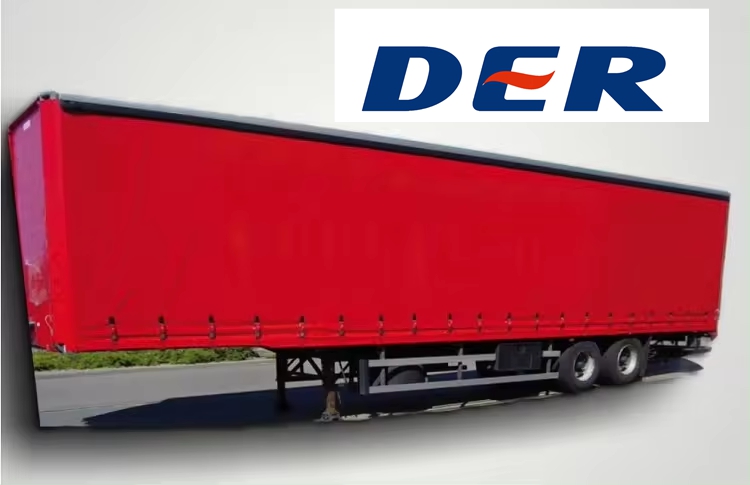
A heavy duty PVC tarp normally relies on a continuous PVC coating to block water through the face. The reinforcement underneath is usually woven polyester. If cutting, abrasion, a puncture, a sewn area or a damaged edge gives water direct access to that textile core, capillary action can carry moisture along the tiny spaces between filaments.
A low-wick PVC coated fabric is engineered so the polyester reinforcement is less prone to that internal moisture transport. The result is an additional moisture-control layer for demanding tarps, especially where wet edges, road spray, cleaning, repeated outdoor exposure or frequent fabrication create realistic entry points.
Waterproofing and wicking occur through different routes. The broad PVC surface can remain intact while an exposed edge gives liquid direct access to the polyester reinforcement inside the composite.
Water reaches exposed multifilament polyester at a cut or damaged edge. Small inter-filament spaces can act as capillary channels, allowing moisture to travel away from the original contact zone.
The reinforcement is treated or constructed to reduce capillary transport. Water may still contact the exposed edge, but the objective is to limit how far it migrates inside the textile core.
Low-wick treatment is most useful when the operating environment creates repeat access to the reinforcement. Finished-cover design still needs to reduce those entry points.
These terms are often grouped together on tarp data sheets, but they address different failure mechanisms. Specifying the wrong property can leave the actual moisture path uncontrolled.
| Property | What it controls | Where it acts | What it does not prove | Buyer question |
|---|---|---|---|---|
| Waterproof surface | Liquid passing through the intact coated face. | PVC coating and properly fabricated seams. | Resistance to capillary travel inside exposed yarn. | How is face-water resistance and seam construction verified? |
| Low-wick / anti-wicking | Capillary migration through exposed textile reinforcement. | Polyester yarn/base fabric and related treatment system. | Perfect edge sealing, waterproof seams or biological resistance. | What edge-exposure test and maximum migration criterion will be used? |
| Anti-mildew | Resistance to unwanted biological growth under defined conditions. | Material formulation, surface hygiene and use/storage environment. | Low-wick behavior or freedom from mildew on dirty/wet stored tarps. | What treatment, test evidence and maintenance conditions apply? |
| Surface lacquer / topcoat | Cleanability, dirt pickup, appearance and weathering direction. | Outer surface of the PVC-coated fabric. | Anti-capillary behavior in the polyester core. | Will the finish remain compatible with welding, printing and repair? |
No. Anti-wicking is a project-specific performance option. Its value increases when the tarp combines long service, frequent wetting, exposed edges, abrasion, repeated cleaning or a high consequence of moisture migration.
| Application | Typical moisture route | Anti-wicking priority | What else should be specified |
|---|---|---|---|
| Long-haul truck & trailer tarps | Road spray, rain, edge wear, grommets, repeated folding and repair. | Medium–High | Tear/tensile targets, UV, abrasion, weldability, reinforcement map and hardware layout. |
| Side curtain trailer fabric | Wet lower edges, road contamination, sliding wear and repeated cleaning. | High when exposure is persistent | Printable finish, weld strength, abrasion, dimensional stability and fleet appearance. |
| Agricultural & outdoor storage covers | Ground contact, standing water, wet hems, seasonal storage and condensation. | Medium–High | Drainage, anti-mildew direction, UV, cold flexibility and storage procedure. |
| Industrial machinery covers | Washdown, rain exposure, cut edges and repeated removal/installation. | Medium | Chemical compatibility, abrasion points, shaped seams and attachment design. |
| Tents & reusable shelters | Repeated wet-dry cycles, perimeter edges, seams and field repairs. | Medium–High | FR requirement where applicable, weldability, surface finish, UV and cleaning compatibility. |
| Short-term indoor or dry covers | Limited direct water contact. | Low | Focus first on weight, handling, tear strength, dimensions and cost target. |
A low-wick claim has value only when it is tied to a controlled construction. Buyers should review the textile core together with coating, adhesion, finish and finished-cover fabrication.
Yarn denier, weave and high-tenacity construction carry mechanical load. The same textile pathways can also transport liquid when exposed, which is where low-wick treatment is relevant.
The coating remains the primary waterproof barrier and provides the weldable, cleanable outer surface. Anti-wicking does not substitute for coating integrity.
Bond quality between PVC and polyester should be specified separately. A low-wick core does not automatically guarantee adhesion performance.
Gloss, matte, lacquered or printable finishes influence cleaning, appearance, print compatibility and welding process windows.
Welds, hems, webbing, corner patches and hardware determine how water and mechanical stress reach vulnerable zones of the tarp.
Drainage, tension, abrasion protection, cleaning and dry storage remain part of moisture control even when anti-wicking fabric is selected.
The most important procurement rule is simple: convert “anti-wicking” from a marketing phrase into an agreed sample method, exposure condition and acceptance criterion.
Test material cut from the proposed production-grade coated fabric, not an unrelated lab swatch or generic untreated yarn.
Define specimen size, cut direction and edge preparation so the polyester reinforcement is exposed consistently.
Agree whether water or another relevant liquid is used, together with immersion/contact depth and sample orientation.
Use the same duration and environmental conditions for sample approval and repeat-order inspection.
Record the maximum visible moisture travel from the exposed edge. Consider warp and weft directions if the construction may behave differently.
Reference the approved sample, construction revision and acceptance criterion on the PO or technical specification for repeat orders.
Anti-capillary treatment is a second line of control. The first line is still to keep water away from the textile core whenever practical.
Most purchasing errors happen when a functional label replaces a complete construction and acceptance plan.
A waterproof PVC face and anti-capillary polyester reinforcement control different water paths. Request evidence for each property that matters.
Weight does not define yarn structure, tear strength, coating adhesion, low-wick behavior or finished-cover reinforcement.
If the application routinely wets cut edges, hems or repairs, the low-wick requirement should be discussed at the material-selection stage.
“Anti-wicking” without test conditions, a sample record or an agreed pass/fail criterion is difficult to audit during bulk production.
Changing lacquer, print surface or coating formulation may affect welding, cleaning and fabrication. Re-approve the actual grade.
Low-wick fabric cannot compensate for open seams, damaged coating, trapped water, sharp-edge abrasion or incorrect installation.
These DERFLEX-hosted images support material understanding and Google Images relevance. The photos illustrate the PVC-coated tarpaulin platform; the exact anti-wicking grade must be confirmed for the selected project.
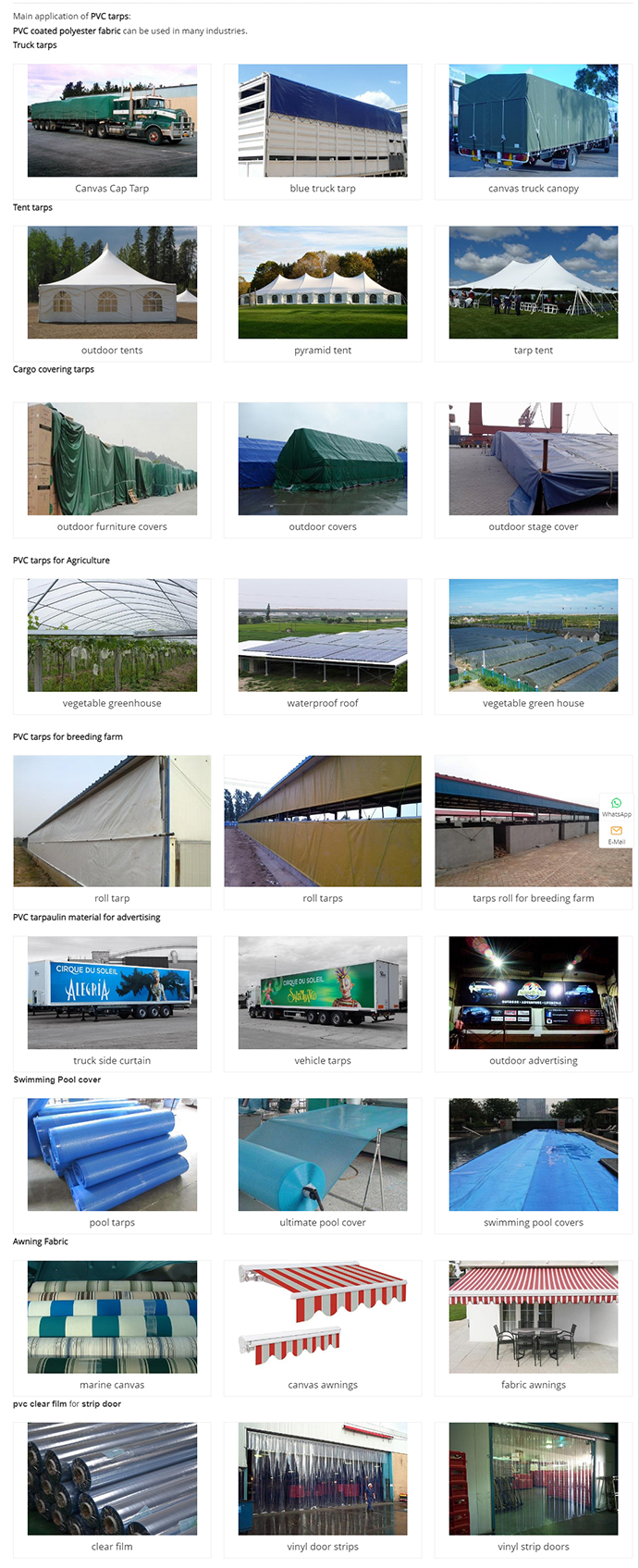
Repeated outdoor wetting, folded edges, hardware and repair zones are typical reasons to evaluate anti-wicking together with waterproofing and reinforcement.
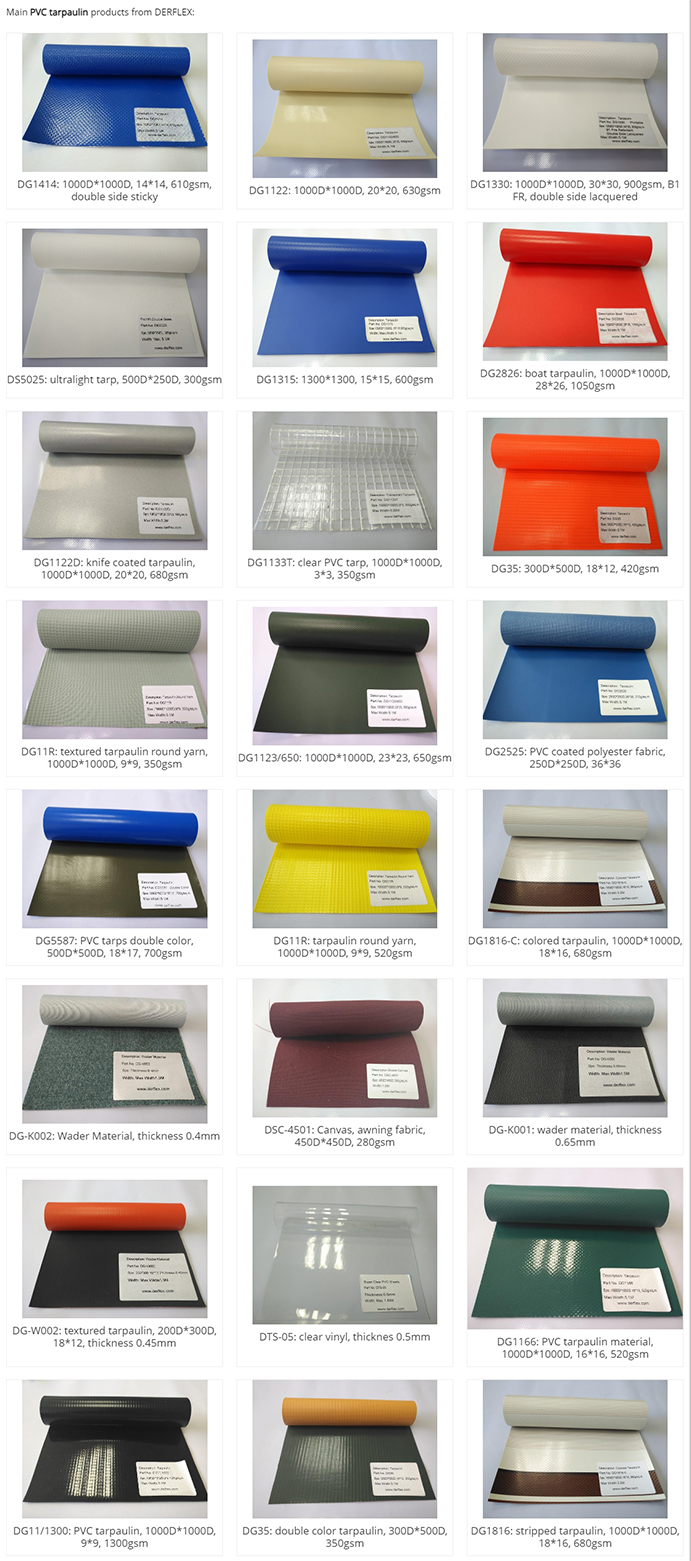
The PVC face is the main water barrier; the woven polyester core provides reinforcement and is the pathway addressed by low-wick treatment when exposed.
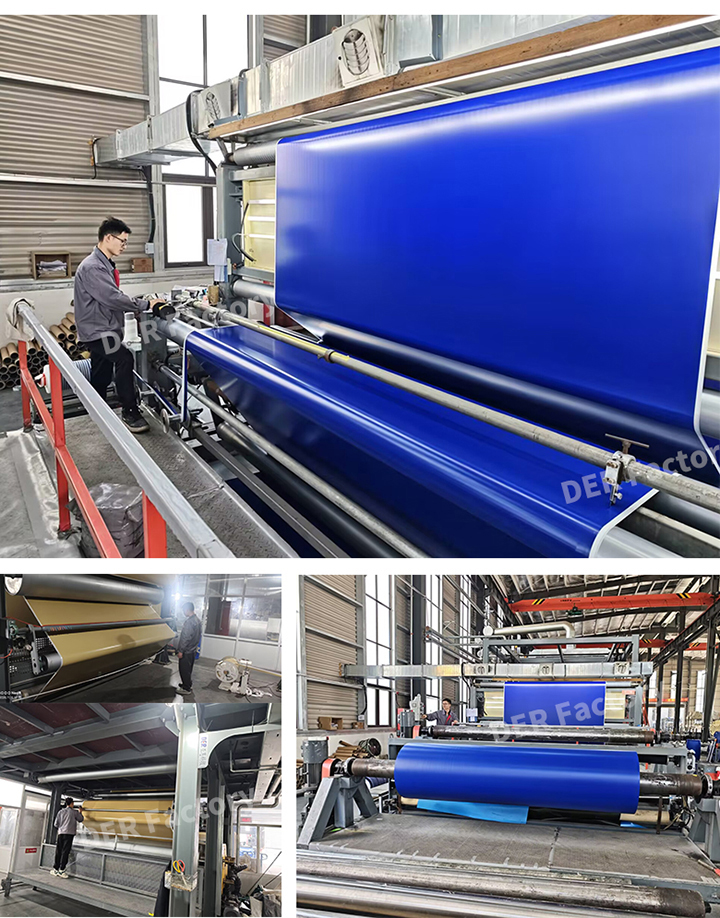
Low-wick performance should be controlled as part of the complete coated-fabric construction and sample approval process.
A complete inquiry helps determine whether a standard low-wick fabric direction is suitable or whether a project-specific construction needs to be reviewed.
DERFLEX can discuss low-wick / anti-wicking requirements as part of a project-defined PVC coated fabric program, together with the base fabric, coating, weight, width, color, surface finish, welding method and other performance directions.
Start with the actual moisture-entry route, handling frequency and service environment instead of adding low-wick as a generic upgrade.
Review low-wick performance together with surface appearance, fabrication behavior and core mechanical data before repeat bulk production.
Record the approved construction, finish and acceptance method so repeat orders can be compared against the same technical target.
Use these verified DERFLEX pages to move from the moisture-control question into material selection, testing and finished-cover design.
Direct answers to common questions from tarp fabricators, importers, distributors, fleet buyers, OEM brands and industrial procurement teams.
Anti-wicking means the polyester reinforcement or related construction is treated to reduce capillary movement of liquid through exposed textile pathways. It is most relevant when water can reach cut edges, punctures, worn coating, hardware zones or other places where the yarn is accessible.
No. Waterproofing mainly controls water passing through the coated surface and fabricated seams. Anti-wicking controls liquid travelling inside exposed polyester yarns. A demanding tarp may need both.
Polyester multifilament yarn contains small spaces between filaments. When those pathways are exposed to liquid, capillary forces can move moisture away from the original contact point. Low-wick treatment is intended to make that transport less favorable.
It can be valuable where truck tarps face persistent road spray, rain, edge wear, repeated cleaning, folding, grommet stress or repairs. It is not automatically required for every truck tarp; the decision should be based on moisture exposure and the consequence of internal migration.
No. Anti-wicking is an additional control layer. Welding, hems, edge protection, drainage, reinforcement and repairs should still minimize the amount of water reaching the textile core.
Agree a repeatable edge-exposure or immersion procedure using the actual proposed fabric. Define sample preparation, liquid, contact or immersion depth, orientation, duration and the maximum acceptable migration distance or comparison result before bulk production.
No. Low-wick controls capillary moisture transport inside exposed textile pathways. Anti-mildew treatment addresses biological growth under defined conditions. Good drainage, cleaning and dry storage remain important regardless of either treatment.
Provide the finished application, moisture exposure, target construction or reference sample, width, color, surface finish, tensile/tear requirements, fabrication method, low-wick test expectation, quantity, destination market and any additional UV, FR, cold or anti-mildew requirements.
Send DERFLEX your application, wet-exposure condition, target fabric construction, width, surface finish, fabrication method, test expectation and approximate quantity. The team can review a suitable low-wick PVC coated fabric direction for sam, pling and quotation.
Technical note: anti-wicking terminology, treatment route and acceptance criteria can vary by product and supplier. Final values, test methods, compliance documents and fabrication suitability should be confirmed against the exact production grade and approved sample before ordering.