Approve the finished configuration
Record the color, coating, top finish and ink system. Declare reinforcement, seams and backing instead of checking only an unprinted loose fabric sample.



DERFLEX / Facade mesh / Fire retardant options
Material procurement · Fire-performance requirements
Match the material. Verify the evidence. Prepare a clearer purchase.
Fire retardant PVC facade mesh fabric combines an open polyester reinforcement with a PVC coating formulated for specified flame-performance requirements. It can be evaluated for exterior screening, architectural shading and decorative building skins where both an open surface and fire-performance documentation are part of the brief.
DERFLEX offers PVC coated mesh with FR options for review. Start with your project’s required standard, then coordinate the exact material reference, color, openness and fabrication route. Request a sample and a quotation that identifies the available evidence and supply scope before approving bulk roll supply.

Answer first
Fire retardant describes a material’s documented flame behavior under specified test conditions. It does not mean fireproof, noncombustible or approved as a complete facade system. Select the required evidence first, then check that it applies to the material and finished construction you plan to buy.
The polyester facade mesh supplies the textile reinforcement; the coating formulation, material construction and any finishing layers form the specimen that must be identified in the evidence. GSM, color and a sales description cannot replace that identification.
| Term in the brief | What it tells the buyer | What to request |
|---|---|---|
| FR / flame retardant | A formulation or performance description, rather than a complete classification by itself. | The exact reference and a full report supporting the stated result. |
| Reaction-to-fire classification | A classification derived from specified reaction-to-fire tests. | The classification document, test basis and applicable end-use conditions. |
| NFPA 701 result | Flame propagation of textiles and films under the specified test conditions. | The full test result and identification of the tested specimen and method. |
| Fire resistance / rated assembly | A different evaluation from a textile’s reaction-to-fire or flame-propagation result. | The project’s required assembly evidence; do not infer a time rating from FR mesh. |
For the wider material construction and sourcing context, review DERFLEX’s facade mesh material overview. A fixed building facade and a temporary scaffold enclosure should be specified as separate uses.
Standard scopes: NFPA 701 addresses flame propagation of textiles and films; BS EN 13501 separates reaction-to-fire and fire-resistance classification routes. These references do not constitute a DERFLEX product certification.
Before sample approval
A useful document package lets the project reviewer connect a test result to the material being ordered. Ask for the full applicable report and its scope, rather than relying on a badge, a cropped certificate or a statement that all mesh grades are covered.
| Evidence check | Match to the proposed purchase | If the match is missing |
|---|---|---|
| Material identity | Reference, construction and manufacturer correspond to the material offered. | Resolve identification before treating the result as purchase evidence. |
| Color, coating and finish | The ordered version is within the documented scope. | Ask whether the variant is covered or needs further evaluation. |
| Standard and result | Full designation, applicable edition, method and stated result are supplied. | Do not accept a bare B1, M2 or “FR certified” label as the complete document set. |
| Specimen and mounting | Thickness, surface treatment, orientation and test configuration are understood. | Ask the project reviewer whether the configuration covers the intended use. |
| Report traceability | Issuer, report identifier, date and relevant pages are legible and complete. | Request the complete document and clarify applicability; age alone is not the decision rule. |
| Finished construction | Printing, seams, reinforcement, backing and other additions are declared. | Identify additions that fall outside the available evidence. |
| Acceptance and supply record | The accepted reference appears consistently in sample, quotation and order records. | Resolve substitutions and record the approved specification before production. |
Make the requirement explicit: state the project country, building use and required standard or classification exactly as written in the project specification. If the brief says B1 or M2, include the full standard and required evidence. Do not convert one label into another by assumption.
The facade mesh specification checklist helps align mechanical data, units, test methods and sample identification with this fire-document review.
Material brief
Fire performance is one selection variable. An FR option still needs the opening geometry, directional strength, dimensional behavior and exterior finish appropriate to the facade concept. Keep all fields tied to one material reference so the accepted sample, data sheet and bulk order describe the same purchase.
| Specification field | What to include in the enquiry | DERFLEX confirmation needed |
|---|---|---|
| Material construction | PVC coated polyester facade mesh; fixed screen or another clearly defined use. | Proposed material reference, base textile and coating / surface description. |
| Fire-performance requirement | Named test route, full classification if required, and the project’s document list. | Evidence available for the exact proposed version and any gaps to resolve. |
| Opening geometry | Openness target, visibility, screening and ventilation objectives. | Measured geometric open area and any relevant performance data. |
| Mass and thickness | Required GSM and thickness, if already specified, with tolerances. | Values and measurement basis for the selected reference. |
| Mechanical performance | Directional tensile, tear and elongation data needed by the system designer. | Method, units, specimen conditions and material-specific results. |
| Width and panel layout | Usable roll width, panel sizes, orientation and seam allowances. | Available width, roll length and fabrication compatibility. |
| Color, print and finish | Approved color target, ink system if applicable and exposed surface finish. | Sample agreement and coverage by the supporting evidence. |
| Weathering and maintenance | Climate, exposure, cleaning approach and expected service conditions. | Relevant material documentation and care guidance; no generic lifetime assumption. |
| Supply terms | Quantity, destination, packing and delivery target. | Quotation basis, MOQ, sample arrangement and lead time for this specification. |
Confirm model-specific values with DERFLEX for the required specification. The PVC mesh supply range is a starting point for roll sourcing; it does not establish permanent-facade approval for every material listed.
Use and performance
For architectural facade mesh, the use and support concept decide which material properties and evidence need review. Define the screening purpose before selecting a nominal weight or openness.
| Project use | Selection priorities | Evidence / coordination action |
|---|---|---|
| Fixed exterior shading screen | Openness, glare objectives, strength, finish and exposure. | Review the precise fire requirement alongside solar and mechanical data. |
| Parking garage facade | Retained openings, visual screening, panel geometry and inspection access. | Coordinate the material evidence with ventilation and facade-system design. |
| Printed architectural skin | Viewing distance, ink compatibility, color stability and edge details. | Identify the printed construction when checking report applicability. |
| Temporary construction enclosure | Containment purpose, temporary fixing, handling and stated fire requirement. | Use an enclosure-specific brief; do not transfer it automatically to permanent cladding. |
| Solid weather barrier or roof membrane | Water shedding, continuous coating and appropriate membrane design. | Evaluate a solid architectural membrane instead of specifying open mesh as a waterproof layer. |
Compare architectural sunshade mesh options when solar control is central. For car parks, use the parking garage facade planning guide to coordinate screen coverage, ventilation and panel zones. If the brief requires a continuous waterproof membrane, review PVC coated polyester architectural fabric.
Fabricator handoff
Specify PVC mesh fabric for building facade panels by describing both the roll material and the finished construction. Changes during fabrication need a clear review path so appearance, mechanical performance and documentation remain aligned.
Record the color, coating, top finish and ink system. Declare reinforcement, seams and backing instead of checking only an unprinted loose fabric sample.
Have the fabricator evaluate cutting, joining and edge reinforcement with the actual material. Confirm compatibility with the selected surface and equipment; a general weldability statement is insufficient.
The system designer must address panel dimensions, tension, movement, connections and wind action. Do not choose an eyelet spacing or a frame solely from a material fire result.
Change-control question: if color, ink, coating, reinforcement or supply reference changes after sample approval, who checks the evidence and authorizes the revision? Put that responsibility in the project record before production.
For roll selection or support concepts that are still open, the PVC facade mesh and metal mesh comparison can help define the alternative system you are pricing.
Sample-to-order workflow
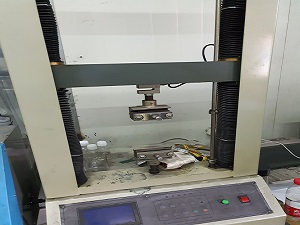
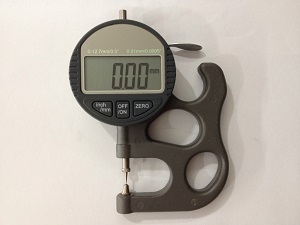
The practical quality question is whether the delivered PVC facade mesh fabric matches the reference and finish that were reviewed. Discuss the DERFLEX quality-control process together with material identification, agreed inspection fields and the records required at shipment.
Send the use, drawing, performance requirements and document list.
Compare the proposed reference, applicable evidence and any unresolved requirements.
Record the sample, color, data sheet and fabrication configuration accepted by the project team.
Confirm the order specification, traceability arrangements, supply scope and delivery terms.
Purchase review
Request the full standard and report. “FR,” a test name and a facade approval describe different things.
Treat a new reference, coating, print or finish as a reviewable change. Confirm whether the existing evidence still applies.
Compare openness, directional strength, usable width, finish and evidence for the same proposed grade.
State whether the price covers roll supply, sample work, agreed processing or another defined scope. Identify frame and installation responsibilities separately.
Technical FAQ
Fire retardant PVC facade mesh fabric is an open polyester textile with a PVC coating formulated for specified flame-performance requirements. The exact material reference and its applicable test report determine the supported claim. The term FR alone does not establish approval for a building facade.
No universal fire rating follows from PVC coating or polyester reinforcement. Select the exact FR formulation and check its documentation. A report for another mesh construction, color, finish or intended use should not be assumed to cover the ordered material.
NFPA 701 assesses flame propagation of textiles and films under specified test conditions. A result alone does not establish approval of a complete exterior facade. The project team must identify the required material tests, classifications and assembly evidence for the intended building and location.
They should not be treated as equivalent labels. Ask for the named standard, edition, full result, material identification and report scope. The project specification determines which route is required; one designation should not be substituted for another without an accepted technical basis.
Check the report scope before relying on it. A change to pigment, coating, surface finish, ink or other added material may affect the tested configuration. Identify the finished construction and ask whether the available evidence covers it or whether further evaluation is needed.
An open mesh allows air and light to pass through its openings, but fire performance, openness, solar behavior and strength are separate properties. Compare each property for the selected material. Installed ventilation and solar performance also depend on the panel layout, frames and building conditions.
Send the project country, building use, facade purpose, required fire standard or specification, panel sizes, quantity, color, openness target and fabrication method. Attach drawings and the required document list. Ask DERFLEX to identify the proposed material reference, evidence availability, sample plan, price basis, MOQ and lead time in the quotation.
Your next purchasing step
Give DERFLEX a defined project requirement so the response can address material selection, sample preparation and evidence availability together. State the exact fire-performance route rather than requesting a general “fireproof mesh.”