Textile route
PVC coated polyester mesh
Open fabric, cut panels and coordinated edge / tension details. Select the grade, finish and evidence for the project.



DERFLEX / Facade mesh / Material comparison
Architectural screens · Commercial selection guide
Compare the facade you will install, maintain and replace.
PVC facade mesh and architectural metal mesh can both form open exterior screens, but their material behavior, fabrication and support details differ. PVC coated facade mesh is a flexible polyester textile; metal mesh includes several wire and cable constructions, with both rigid and flexible options.
For architects, facade contractors and procurement teams, the useful comparison is the complete installed system: screening, openness, fire evidence, supports, finish, maintenance and cost. This guide shows which information to collect before selecting either route. DERFLEX supplies coated textiles; use the checklist to request a defined PVC facade mesh quotation and compare it against a separately specified metal proposal.
Textile route
Open fabric, cut panels and coordinated edge / tension details. Select the grade, finish and evidence for the project.
Metal route
Alloy, wire geometry, connections and finish define the system. A metal mesh may be rigid or flexible.
Concept illustrations only. Geometry, openings and dimensions are not product data.
Answer first
Shortlist PVC facade mesh when a flexible textile skin, printable surface or roll-based fabrication suits the brief. Shortlist metal mesh when a metallic appearance, a specified metal construction or its system characteristics are priorities. Decide after comparing matched performance requirements and the full installed scope; neither material name establishes the right answer by itself.
A building facade mesh is a screen within a designed facade system. Begin with the purpose: shading, partial privacy, graphic identity, open parking-garage screening or another defined function. If the brief also includes vehicle restraint or fall protection, specify and verify those functions separately.
For a textile starting point, review PVC facade mesh material construction and supply. Keep manufacturer data and installed-system claims distinct when reviewing either route.
Side-by-side selection
Compare proposals against the same facade area, visual purpose and performance brief. A textile roll price and a finished metal panel price describe different scope, so placing those two numbers side by side can distort the decision.
| Decision variable | PVC coated polyester facade mesh | Architectural metal mesh | What to compare |
|---|---|---|---|
| Material construction | Polyester reinforcement with PVC coating and an open textile geometry. | Specific alloy in wire, cable, woven, welded or other defined construction. | Exact reference and finish, not a generic material label. |
| Panel behavior | Flexible fabric; panel design controls tension, edge loads and movement. | Can be rigid or flexible; wire / cable geometry and support define behavior. | Span, deformation, movement, connections and engineering assumptions. |
| Appearance | Color, openness, weave and surface finish shape the textile look. | Alloy, wire diameter, weave and finish shape reflection and texture. | A physical mock-up in the same daylight and viewing conditions. |
| Openness and visibility | Geometric open area, color and textile construction matter. | Open area, wire geometry, angle and finish matter. | Measured values and viewing distance; avoid equating open area with privacy. |
| Graphics | Printing may be available for a compatible grade, ink and finish. | Graphics may use specialist printing, coating or other finishing routes. | Print mock-up, finish scope and effects on evidence and openings. |
| Fire-performance evidence | Required evidence must match the coating, textile and finished configuration. | Review alloy, coatings, backing and the installed arrangement. | The same project requirement and the scope of the supporting documents. |
| Fabrication and fixing | Cutting, seams and reinforced edges need material-specific review. | Panel edging, connection design and any tension system need review. | Included processing, supports, fixings, tolerances and installation scope. |
| Exposure and care | Evaluate coating, UV / weathering data, cleaning compatibility and tension condition. | Evaluate alloy, corrosion exposure, finish, connections and cleaning requirements. | Material-specific evidence, care instructions and access provision. |
| Cost and replacement | Roll width, cutting yield, seams, frame scope and access affect the result. | Alloy, fabrication, finish, panel size, supports and access affect the result. | Matched installed scope, spares, delivery terms and replacement access. |
Define “metal mesh” before requesting a price. Woven wire, welded wire and cable mesh are different constructions. Expanded metal is formed from cut and stretched sheet; perforated metal is sheet with openings. They should have separate references and quotation lines rather than being treated as one interchangeable product.
The facade mesh specification guide explains how to request comparable textile data, including units, direction and test conditions.
Budget without guesswork
The answer requires matched quotations. PVC mesh roll supply can have a different cost structure from architectural metal mesh, but no universal saving follows from the material name. The selected grade, panel geometry, frame design, access and finish can change the installed total.
| Budget line | Include in both alternatives | Typical source of an unfair comparison |
|---|---|---|
| Material and yield | Selected reference, purchased quantity, usable area, offcuts and spares. | Pricing only the net elevation while ignoring purchased roll / panel quantity. |
| Fabrication | Cutting, finishing, seams or panel edging, approved graphics and packing. | Comparing raw textile material with a processed metal panel. |
| Supports and engineering | Frames, brackets, connections, tension components and required design work. | Assuming a lighter-looking screen eliminates supporting-system costs. |
| Delivery | Packing dimensions, transport, Incoterm and agreed import / local delivery scope. | Using different freight or tax boundaries. |
| Installation and access | Labor, lifting / access equipment, preparation, setting out and interfaces. | Counting only the screen purchase, or using different installation assumptions. |
| Maintenance | Inspection, compatible cleaning, access and any planned tension / connection review. | Leaving high-level access out of the maintenance budget. |
| Replacement and end of use | Panel replacement work, spares, access, disassembly and local disposal / recovery route. | Assuming an unverified lifetime or universal recyclability. |
Convert the quoted material and yield allowance to the same covered area. Record whether the rate is per roll, square metre, panel or complete elevation.
Add the agreed fabrication, support, engineering, delivery and installation lines. Resolve exclusions before comparing totals.
Use the owner’s study period and documented maintenance / replacement assumptions. Discount future costs consistently if a financial comparison is required.
Useful comparison basis: the same covered area + the same required performance + the same included work + the same delivery boundary. Ask each bidder to mark exclusions so a missing item does not look like a saving.
Performance review
No. Geometric open area is a material descriptor, while airflow through the installed screen depends on opening geometry, thickness, frames, overlaps and obstructions. Use any relevant airflow data and the building’s ventilation assessment; do not infer a garage’s compliance from a mesh percentage.
Color, surface reflection, opening geometry, angle, daylight and viewing distance change the visible result. Evaluate a mock-up and relevant optical data. A shade result for one mesh is not a universal result for either material family.
It does not settle the evidence for every finish, added layer or assembled system. Identify coatings and backing as well as the substrate. For textiles, identify the exact coating and finish. Compare both proposals against the same project fire requirement.
Use reference-specific exterior data, warranty terms if offered, exposure conditions and a maintenance plan. Corrosion environment matters for metal; coating condition, UV exposure and tension / edge details matter for textile. A generic service-life number is a weak basis for procurement.
For the textile fire-document route, review fire retardant PVC facade mesh selection and report checks. For solar-focused screens, the architectural sunshade mesh range helps define the material brief separately from the facade system.
Decision by application
Use this matrix to choose which proposal to develop first, then review the specific grade and supporting system. It is a procurement starting point, rather than a substitute for facade design.
| Brief or constraint | Route to investigate first | What could change the shortlist |
|---|---|---|
| Large graphic or branded building skin | Printable PVC facade mesh fabric with a defined ink / finish system. | The approved appearance, weathering evidence, fire scope or a specialist metal graphic concept. |
| Metallic texture and reflection | A named architectural metal weave / cable mesh and finish. | Visual mock-up, alloy and exposure suitability, support concept and budget. |
| Open parking-garage screening | Both routes, using the same coverage and ventilation brief. | Screen obstructions, ventilation assessment, zone layout and separate restraint requirements. |
| Fabricated textile screen panels | PVC mesh with a confirmed fabrication method and support design. | Required stiffness, edge details, mechanical data, usable width and evidence availability. |
| Requirement for a rigid screen construction | A specified rigid metal mesh or another engineered panel system. | A textile system may still meet a different screening brief; do not compare it as a rigid panel. |
| Continuous waterproof building layer | A separate solid membrane / weather-barrier solution. | Open mesh in either family does not provide a continuous waterproof layer. |
The parking garage mesh guide covers screen zoning and coordination. For a broader material search, review DERFLEX’s architectural textile options. Fixed facade screening and the moving assemblies described in the outdoor screen fabric range have different fabrication and operating requirements.
From data to a visible decision
Use a textile sample and the actual metal construction or a representative project mock-up under comparable conditions. Review texture, visibility from both sides, finish and edge details at the intended viewing distance. Keep the material references visible on the review record.

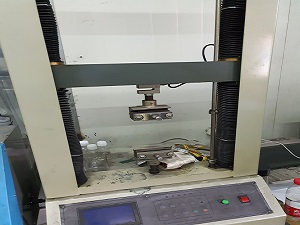
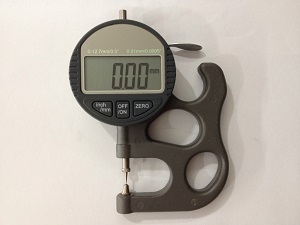
For the textile supply, discuss the DERFLEX material inspection process and PVC mesh roll supply options alongside the selected grade and sample approval. Metal samples and system pricing should come from the supplier of the specified metal alternative.
Commercial handoff
Request an itemized proposal with a clearly named material and supply scope. DERFLEX’s quotation should address the coated textile route; obtain the specified metal option from its own supplier. Compare the same included work before choosing a material.
| Quotation field | Give both bidders the same brief | Ask each bidder to identify |
|---|---|---|
| Elevation and coverage | Drawing, net covered area, panel schedule and openings to retain. | Purchased quantity, yield assumptions and usable coverage. |
| Appearance | Color / finish, graphic brief and mock-up acceptance conditions. | Proposed reference, finish process and sample scope. |
| Performance | Screening, openness, mechanical and required fire evidence. | Available data, test conditions and unresolved requirements. |
| Support and installation | Intended support concept, interfaces, access and required supply boundary. | Included / excluded frames, fixings, engineering and site work. |
| Commercial basis | Quantity, destination, currency, Incoterm and delivery target. | Itemized price, MOQ, lead time, packing and quotation validity. |
| Care and replacement | Inspection access, service conditions, spares and owner’s study period. | Care guidance, replaceable unit and any offered warranty conditions. |
“Please send your facade mesh price per square metre.” This leaves grade, panel layout, finish, performance, yield and supply boundary unclear.
“Please quote the PVC textile option for the attached elevation and panel schedule. Include the proposed reference, usable width, specified color, openness data, required evidence and packing / delivery basis. Identify all fabrication, support and installation exclusions.”
Buyer FAQ
PVC facade mesh is a flexible, coated polyester textile that is cut and fabricated into supported or tensioned screens. Architectural metal mesh uses metal wires, cables or other metal constructions. Metal mesh can also be flexible. Compare the specific textile and metal systems, including their connections, finishes and support requirements.
A generic saving cannot be assumed. Textile roll supply may have a different material and fabrication cost from metal mesh, but the comparison must include frames, fixings, engineering, access, installation, maintenance and replacement. Obtain quotations for the same covered area and scope before comparing the installed cost.
The result depends on the selected opening geometry and installed arrangement, rather than the material name. Compare geometric open area and any relevant airflow data, then assess frames, overlap, covered openings and obstructions. A mesh open-area percentage alone does not establish the ventilation performance of a parking garage.
No. Assess the exact alloy, coatings, finishes, backing and complete facade arrangement against the project requirements. A metal substrate does not establish the performance of every added layer or of the installed assembly. PVC textile proposals likewise need evidence for their exact material and configuration.
Printable PVC mesh can be a suitable route when a large graphic is part of the brief, subject to ink, color, weathering and fabrication compatibility. Metal mesh can also carry finishes or graphics through suitable specialist processes. Evaluate a physical mock-up at the intended viewing distance and check how the finish affects openings and required documentation.
Do not assign either function to a decorative textile or metal screen without separate system design and verification. Material strength alone does not establish a vehicle-restraint, guard or fall-protection function. Identify those requirements separately from visual screening and ventilation.
Send the elevation, covered area, panel schedule, project country, screening and openness targets, fire-document requirements, color or print brief and intended support concept. State whether the quotation covers roll material, panel fabrication or another defined scope. Request separate prices for material, agreed options, packing and delivery, with MOQ and lead time confirmed.
Proceed to a matched quotation
Turn the comparison into a material proposal. Share the same brief used for your metal alternative so DERFLEX can respond with a specific coated-textile reference, sample arrangement and clear quotation scope.