


How to Choose Fabric for Removable Insulation Jackets
Select the jacket fabric by layer position, actual temperature at that layer, chemical and weather exposure, repeated handling, fabrication method and required test route—not by a generic “high-temperature fabric” label.
Silicone coated fiberglass is a common outer / cold-face material for reusable valve, flange, pipe and equipment jackets. PTFE coated fiberglass can be a better comparison where chemical exposure, release or low friction dominates. Hotter inner surfaces may require a different hot-face textile than the outer shell.
For insulation-jacket manufacturers, industrial insulation contractors, OEM thermal-cover brands and engineering procurement teams.
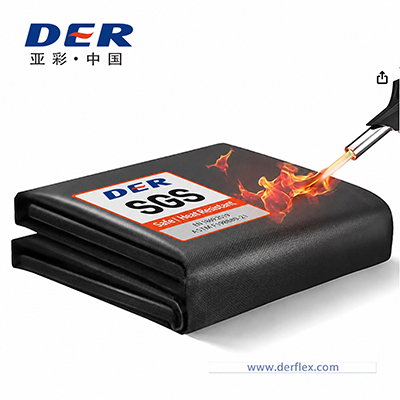
What fabric should you choose for a removable insulation jacket?
Start with the job of each layer. For the outside shell, silicone coated fiberglass is often selected when flexibility, water/oil resistance direction, weather exposure and repeated removal matter. PTFE coated fiberglass should be evaluated when the outer or process-facing surface needs stronger chemical resistance, lower friction or cleaner release.
Do not copy the equipment surface temperature directly into the outer-fabric specification. The insulation core changes the temperature seen by the outer shell, while the inner / hot-face layer may see much higher heat and may need a different textile. Seams, thread, fasteners and reinforcement can become the limiting parts of the finished jacket.
A Removable Insulation Jacket Is a Layered Assembly
The phrase “insulation jacket fabric” can refer to several different materials in the same cover. Selection becomes much easier when the buyer assigns one function to each layer before comparing fabric data sheets.
Outer / Cold Face
Protects the insulation from handling, rain, condensation, oil, dirt and repeated maintenance. Silicone coated fiberglass is a common direction here.
Insulation Core
Provides the primary thermal resistance. Its thickness, compressibility and temperature capability affect both heat loss and the temperature reaching the outer shell.
Inner / Hot Face
Faces the hottest local surface, radiant load, vibration and possible abrasion. Higher-temperature systems may need a specialty fiberglass, silica or other engineered hot-face textile.
Thread & Closures
Sewing thread, straps, buckles, D-rings, lacing, hook-and-loop and reinforcement patches must match the temperature zone and repeated removal cycle.
Key engineering rule
The service temperature of a raw fabric is not automatically the service temperature of the finished insulation jacket. The practical system limit can be set by the coating, liner, thread, seam, closure, insulation core, adhesive or local hot spot.
Silicone, PTFE or a Higher-Temperature Hot-Face Textile?
Use this as a sourcing screen before sampling. It is not a substitute for the approved grade data sheet or finished-jacket engineering review.
| Material direction | Where it commonly fits | Why buyers consider it | Questions to confirm before ordering |
|---|---|---|---|
| Silicone coated fiberglass | Outer / cold face of reusable valve, flange, pipe, turbine and equipment jackets | Flexible coated handling; moisture / oil resistance direction; weathering and abrasion support; practical cutting and sewing | Actual fabric-layer temperature, one- or two-side coating, repeated folding, seam design, cleaning method, UV / rain exposure |
| FR silicone coated fiberglass | Protective jackets or related thermal systems where a defined flame test is part of the project | Silicone-fiberglass handling logic with a project-specific flame-retardant direction | Exact ASTM / EN / DIN / NFPA / customer method, test scope, ordered grade and whether the requirement applies to raw fabric or the complete assembly |
| PTFE coated fiberglass | Selected outer or process-facing layers in chemical, low-friction or release-sensitive service | Low-friction surface, release behavior and strong resistance to many process chemicals | Chemical identity and concentration, condensate, surface temperature, flexibility, sewing route and whether low friction is actually needed |
| Specialty bare / treated fiberglass | Selected internal or hot-face layers when coating functions are less important than heat exposure | Heat-resistant woven reinforcement without a silicone or PTFE surface | Fiber handling, fraying, abrasion, direct contact, worker exposure, temperature, edge finish and compatibility with the insulation core |
| Silica / other engineered hot-face textile | Hotter internal zones beyond the approved temperature of the selected coated outer-shell material | Higher-temperature layer direction for specialized jacket architectures | Exact textile grade, continuous / peak heat, radiant load, direct contact, mechanical abuse and system-specific testing |
For the underlying material family, review DERFLEX silicone coated fiberglass fabric and compare the PTFE coated fiberglass fabric program where surface chemistry becomes the dominant requirement.
Choose the Fabric Around the Real Service Conditions
1. Temperature at the fabric layer
Record normal operating temperature, short-duration peak temperature and peak duration. For an outer shell, estimate or measure the temperature after the insulation layer rather than using the bare valve or pipe temperature.
DERFLEX currently discusses selected silicone-coated constructions around approximately 260°C continuous service, but the exact composite grade and exposure must be confirmed. For broader context, use the coated fiberglass temperature rating guide.
2. Layer position and heat direction
An outer cold-face shell, an inner hot-face liner and an intermediate barrier do different jobs. A fabric that performs well outside the jacket may not be the correct direct-contact liner.
3. Water, oil, steam and chemicals
Describe the actual media: rain, washdown, condensate, lubricating oil, fuel, acid, alkali, solvent, cleaning agent or process splash. “Chemical resistant” is too broad for material approval.
4. Removal frequency and abrasion
Jackets removed every shutdown see different mechanical loads from covers rarely opened. Repeated folding, dragging, closure tension and sharp flange edges can make surface durability and reinforcement more important than a single tensile value.
5. One-side or two-side coating
One-side silicone can suit directional exposure and lower coating mass. Two-side coating is often evaluated when both faces need better protection during cleaning, folding and repeated maintenance. Compare the fabric around the real conversion route, not only coating price.
6. Sewing and seam behavior
Run cutting and sewing trials with the actual needle, thread, stitch density, seam allowance and reinforcement design. Needle holes and seams can also become water paths on outdoor jackets.
7. Roll width and cutting yield
Roll width changes seam count, scrap and labor. Share repeat panel dimensions with the material supplier; a width that nests better can be commercially better even when the raw price per square meter is not the lowest.
8. Required test route
If the customer specifies flame performance, abrasion, weathering or another test, provide the exact standard and acceptance criteria. Avoid generic “fireproof” or “high temperature” claims that do not identify a test method.
Starting Fabric Direction by Jacket Duty
| Jacket application | Starting material direction | Why it may fit | Critical RFQ information |
|---|---|---|---|
| Valve & flange covers | Flexible silicone coated fiberglass; two-side coating often worth evaluating | Irregular geometry, frequent opening and pull loads around straps and closure zones | Surface + outer-shell temperature, oil/steam exposure, bend radius, closure layout, reinforcement points |
| Steam pipes & steam traps | Silicone-coated outer shell with project-matched weight and coating side | Condensation, washdown, weather and repeated maintenance can be as important as heat | Insulation thickness, outdoor exposure, drainage, seam orientation, cleaning cycle |
| Turbines / exhaust equipment | Silicone outer shell only when actual layer temperature fits; separate hot-face textile may be needed | Large panels, vibration, radiant heat and local hot spots require system-level review | Continuous / peak heat, radiant load, vibration, direct contact, start-stop cycle, hot-face design |
| Chemical process equipment | Compare silicone with PTFE coated fiberglass | The dominant choice may be coating chemistry rather than only temperature | Chemical name, concentration, splash vs immersion, condensate, cleaning media, temperature |
| Outdoor reusable jackets | Two-side silicone coating can be evaluated where both faces are repeatedly wet, dirty or cleaned | Weather adds UV, rain, wind-driven water, handling contamination and storage exposure | UV/rain, wind, seam water paths, drainage, fastener type, inspection interval |
| Defined flame-test projects | Project-specific FR silicone coated fiberglass direction | Lets procurement work from a named test requirement rather than a generic “fire resistant” label | Exact test method, test specimen, raw-fabric vs finished-product requirement, exposure type |
For finished-cover engineering around valves, flanges, turbines and process equipment, see equipment heat protection covers and the dedicated flange cover and high-temperature gasket guide.
Is a Heavier Fabric Always Better for Removable Insulation Jackets?
No. Higher GSM can increase thickness, coating mass or handling durability, but it can also increase stiffness, seam bulk, folding volume and difficulty around small valves. Two fabrics with the same total weight can use different base weaves and coating amounts and therefore behave differently during sewing and service.
Compare base-cloth construction + coating side + coating loading + thickness + drape + abrasion + seam performance + actual layer temperature together. Approve the converted sample, not only the flat roll.
What to Send Before Asking for a Fabric Quote
- Finished jacket type: valve, flange, pipe, turbine, exhaust, pump, heat exchanger or other equipment
- Layer position: outer shell, inner hot face, barrier layer or another function
- Normal operating temperature and short peak temperature
- Expected temperature at the fabric layer, if known
- Direct contact, radiant heat, steam leak, spark or flame exposure
- Indoor / outdoor environment, rain, UV, washdown and condensation
- Oil, fuel, acid, alkali, solvent, cleaner or other chemical contact
- Removal frequency, folding, abrasion and cleaning cycle
- Target weight / thickness, coating side, width, color and roll length
- Sewing thread, seam route, straps, D-rings, buckles, lacing or hook-and-loop
- Required ASTM / EN / DIN / NFPA / customer test method
- Trial quantity, estimated repeat quantity, packing and destination
Common Selection Mistakes
- Using equipment temperature as outer-shell temperature. The insulation core changes the thermal profile.
- Buying only by GSM. Similar weights can hide different weave, silicone loading, thickness and flexibility.
- Calling the finished jacket waterproof. Needle holes, seams, overlaps and closures can still admit water.
- Ignoring repeated maintenance. Straps, access flaps and sharp corners create local stress not shown by a flat-sheet test.
- Treating every flame test as equivalent. State the exact method and whether it applies to the raw fabric or finished jacket.
- Skipping the converter trial. Cut, sew, fasten, fold and reinstall the real sample before approving bulk roll supply.
Real DERFLEX Material & Substrate Images
The hero image is loaded immediately. Gallery images below are hosted on DERFLEX.com and use lazy loading for page performance.
Use beside flame-performance and protective outer-layer selection.

Useful for explaining roll handling, cutting and coated-surface structure.
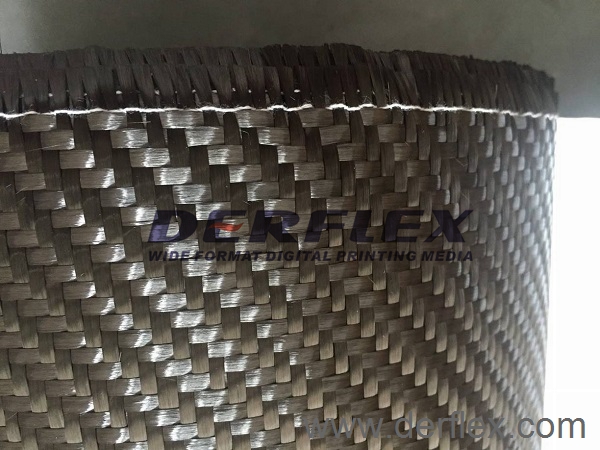
Shows the reinforcement beneath silicone or PTFE functional coatings.
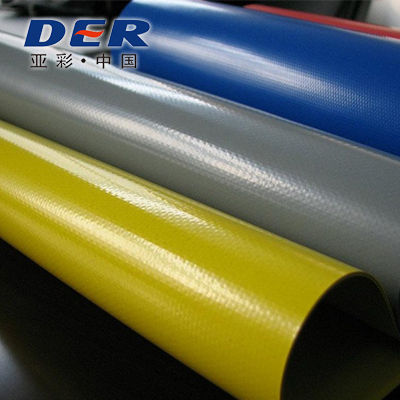
Supports broader OEM coating, color and roll-specification discussions.
Build a Repeatable Jacket-Fabric Specification Before Scaling
A good prototype is only the first step. Repeat supply depends on recording the approved base cloth, coating side, total weight, thickness, width, color, surface, roll format, packing and required test documentation.
Application-based material review
DERFLEX can discuss temperature, layer position, coating side, moisture/oil exposure, repeated handling and fabrication route together before sampling.
One- or two-side silicone programs
Project-specific coating direction can be reviewed around the required surface protection, flexibility, weight and repeat conversion.
Published silicone-fabric directions
Current DERFLEX material pages publish approximately 260–2000 g/m2 across silicone-coated fiberglass programs, 0.25–3.0 mm thickness directions and common widths of 1000 / 1200 / 1500 mm. Final availability depends on the exact grade and production route.
Sample-to-bulk control
Approve actual cutting, sewing, seam bulk, bend radius, closure reinforcement and handling behavior—then lock the written specification for repeat orders.
For the current dedicated product page, see silicone coated fiberglass fabric for removable insulation jackets. This guide is intentionally broader and focuses on the decision process across layer positions and material directions.
Questions Buyers Ask About Removable Insulation Jacket Fabric
What is the best outer fabric for removable insulation jackets?
Silicone coated fiberglass is a common starting choice for the outer / cold face because it combines fiberglass reinforcement with a flexible protective surface for repeated handling, moisture, oil and weather exposure. “Best” still depends on the actual outer-fabric temperature, chemical exposure, jacket geometry and test requirements.
Should I choose silicone coated fiberglass or PTFE coated fiberglass?
Choose by surface function. Silicone is often preferred for flexible, repeatedly handled shells exposed to water, oil and weather. PTFE deserves comparison when chemical resistance, low friction or release behavior is more important. Neither coating is universally superior.
Can the same fabric be used for the inner and outer layer?
Sometimes, but not automatically. If the hot-face temperature is above the approved limit of the selected coated fabric, the inner layer may need a different high-temperature textile while the outer shell remains silicone or PTFE coated fiberglass.
What temperature should I give the supplier?
Provide the equipment surface temperature, continuous operating temperature, short peak temperature and peak duration. If available, also provide the expected temperature at the outer shell after insulation. This helps separate equipment temperature from fabric-layer temperature.
Is two-side silicone coating better for reusable jackets?
It can be. Two-side coating is often evaluated when both faces are exposed during cleaning, folding and reinstallation. One-side coating can be a better direction when exposure is mainly from one face or lower coating mass and greater drape are priorities.
Is silicone coated fiberglass waterproof after sewing?
The coated material can resist water, but the finished sewn jacket includes needle holes, seams, overlaps and closures. Outdoor water resistance must therefore be designed and checked at the assembly level.
Does a higher GSM mean a longer jacket life?
Not by itself. Weight is only one variable. Base weave, coating amount, thickness, flexibility, abrasion, seam behavior and local reinforcement at pull zones can be just as important.
What standard is relevant to removable insulation blankets?
ASTM C1695-22 is an important specification for fabrication of flexible removable and reusable blanket insulation for hot service. Project requirements can also add separate flame, weathering, chemical or customer-specific tests, so the exact acceptance route should be stated in the RFQ.
Continue the Material Selection
Send the Jacket Conditions, Not Just a Fabric Name
Share the equipment type, layer position, continuous and peak temperatures, outdoor / indoor environment, liquids or chemicals, removal cycle, coating-side preference, target weight / thickness, width, color, quantity, fabrication route, required test method and destination.
- Outer-shell or hot-face role
- Temperature profile
- Water / oil / chemical exposure
- One- or two-side coating
- Sewing + closures
- Trial + repeat quantity
Selection ranges on this page are procurement directions. Final temperature capability, flame behavior, chemical compatibility, test compliance and finished-jacket suitability must be confirmed for the ordered grade and actual assembly.