Point Load
A grommet, hook or D-ring introduces force into a relatively small zone. Reinforcement must move that force into a wider area before the fabric tears or hardware pulls through.



A rope hem tarp and a webbing reinforced tarp solve different edge-loading problems. Rope inside the hem adds perimeter body and works well with lacing, hooks and broad edge tension. Webbing creates a flatter, wider reinforcement path that is usually more useful where grommets, D-rings, straps or repeated tie-down cycles concentrate force. The right reinforced tarp edge is the one that matches the real anchor system, pull direction, handling frequency and exposure.
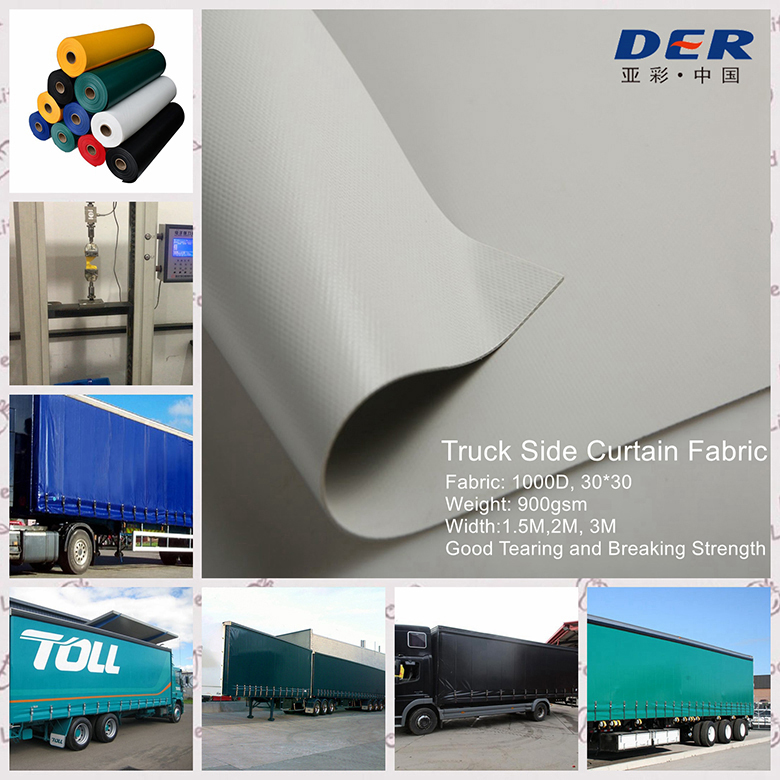
Neither edge is universally better. For frequent point loading through grommets, D-rings or straps, a webbing-reinforced hem is usually the stronger design direction because it can create a broad, flat backing zone for hardware and distribute repeated pull along the perimeter. A rope hem is often the better fit when the goal is continuous edge body, lacing, hooks, perimeter tension or reduced sharp folding at the tarp edge. Large or highly exposed covers may use both. The comparison should be made at the finished-edge level—not by rope or webbing alone.
The center fabric may have adequate tensile and tear performance yet still fail early if the perimeter cannot spread pull from the attachment point. Heavy duty edge engineering is therefore a load-transfer problem: connector → hardware → reinforcement → hem → main tarp fabric.
A grommet, hook or D-ring introduces force into a relatively small zone. Reinforcement must move that force into a wider area before the fabric tears or hardware pulls through.
Wind flutter, vehicle vibration and repeated retensioning can create thousands of small load reversals. The edge construction has to remain stable through the use cycle.
Trailer rails, cargo corners, frames and ground contact can combine rubbing with pull. A strong hem may still need local wear patches at known contact zones.
Both methods strengthen the perimeter, but they do it with different geometry. That geometry changes how the edge behaves around hardware, folding, lacing and repeated tension.
A rope or cord is enclosed inside the folded perimeter. The rounded element gives the edge body and helps spread pull longitudinally along the hem.
A woven reinforcement band runs inside, on, or adjacent to the hem. It creates a flat load-spreading zone that can support rows of hardware or straps.
This comparison is a design-direction tool. Actual strength depends on the tarp material, rope or webbing specification, hem width, attachment method, hardware, corner reinforcement and test setup.
| Decision Factor | Rope Hem Tarp | Webbing Reinforced Tarp | Procurement Direction |
|---|---|---|---|
| Primary function | Adds body and continuity to the perimeter; supports lacing, hooks and broad edge tension. | Creates a flat reinforcement path that can back grommets, D-rings, straps and repeated tie points. | Start with the connector and pull pattern, not the reinforcement name. |
| Point-load support | Depends on detail Rope can help the edge, but hardware still needs adequate backing and edge distance. | Usually favored Continuous or local webbing can spread point loads over a wider flat zone. | For repeated hardware loading, define webbing width, overlap and attachment method. |
| Continuous lacing | Strong fit A rounded rope edge can work naturally with lacing, hooks and perimeter tension systems. | Possible Webbing can also support loops or eyelets, but may be unnecessary for simple laced edges. | Choose the simplest edge that reliably matches the lacing system. |
| Grommet rows | Can be used, but grommet performance depends on the full reinforcement stack around the hole. | Often useful as a stable backing strip for repeated grommet rows. | Specify hardware through the complete edge stack and control edge offset. |
| D-rings / strap tabs | Not the natural backing element for directional tabs. | Strong fit Webbing can continue into or support a defined D-ring / strap load path. | Orient ring or tab toward the expected pull direction. |
| Edge stiffness / body | Higher edge body Rope creates a rounded, substantial perimeter. | Creates a flatter reinforced edge; stiffness depends on webbing and hem construction. | Consider folding, rolling and installation method. |
| Repeated tensioning | Suitable when load is shared continuously and the rope/hem construction is controlled. | Often favored Useful where many repeated tie points create cyclic loading. | Review the handling cycle and inspect hardware zones during sample approval. |
| Large exposed covers | Useful for long edges, perimeter lacing and edge stability. | Useful where exposed edges carry mapped grommets, rings or straps. | Combination possible Mixed construction can be justified by the load map. |
| Repair / field replacement | Repair can be more involved if the enclosed rope and hem are damaged over a long section. | Local tabs or webbing zones may be rebuilt, but repair method depends on sewing/welding and surrounding material condition. | Specify repair expectations if the cover is part of a fleet or long-life program. |
| Best described as | Perimeter body + continuous edge reinforcement. | Flat load spread + hardware backing + directional reinforcement. | Neither is automatically “stronger” without the finished construction and test method. |
The reinforcement is only useful when every link in the load path is compatible. A high-strength webbing strip or thick rope cannot compensate for badly seated hardware or a pull direction that cuts across the hem.
Buyers get better results by describing the installation and failure risk first. The construction can then be built around what the edge actually has to do.
The edge needs continuous body, lacing support or broad perimeter tension.
The edge carries repeated point loads, hardware rows or directional strap forces.
Yes. Rope and webbing can be combined when one part of the design needs continuous edge body while another requires stronger hardware backing or directional load transfer. A mixed specification may use rope inside the long hem, webbing behind high-use grommet rows, larger corner patches and D-rings only at selected pull points. The combination is useful only when the added layers are integrated into a clear fabrication drawing.
These are practical starting directions, not universal specifications. Exposure, anchor positions, finished size, fabric construction and local load requirements should decide the final edge.
| Application | Main Edge Stress | Likely Reinforcement Direction | Why | Buyer Should Specify |
|---|---|---|---|---|
| Truck / trailer tarp | Wind flutter, vibration, repeated tie-down, cargo contact | Webbing-reinforced hem; local wear patches; D-rings or grommets mapped to anchors | Frequent cyclic point loading makes controlled hardware backing important. | Vehicle anchor map, ring/grommet locations, pull direction, fold/roll zones. |
| Large outdoor storage cover | Long unsupported edges, wind movement, seasonal tension | Rope hem, webbing, or combination depending anchor pattern | Large perimeter may need continuous edge control plus stronger selected tie points. | Panel size, wind exposure, anchor spacing, ridge/contact zones, drainage. |
| Construction weather cover | Irregular anchors, wind, sharp surfaces, temporary installation | Wide reinforced edge with webbing and corner backing; rope option for lacing systems | Different site edges can see different load directions and abrasion. | Fixing method, duration, exposed elevation, scaffold/frame geometry, FR requirement if applicable. |
| Agricultural / hay cover | Large area, wind, ground or stack anchoring, seasonal handling | Rope hem often practical; add webbing/loops at repeated high-load points | Continuous edge body supports perimeter control while selected points can be reinforced for anchors. | Stack dimensions, anchor method, season, UV exposure, handling method. |
| Equipment cover | Custom geometry, brackets, handles, repeated removal | Webbing or local reinforcement around exact attachment points | Point loads and shape changes are usually more important than a generic continuous hem. | Photos/drawing, protrusions, hardware coordinates, access flaps, wear locations. |
A reinforced tarp edge should be selected together with the hardware. The metal fitting is not an isolated accessory—it is the point where the connector transfers load into the reinforcement.
Efficient for multiple compact tie points. Webbing can provide a broad backing strip, while a rope hem can add perimeter body. Hole position, washer area, edge offset and pull alignment still matter.
Useful where hooks or straps pull in a defined direction. The webbing tab can extend the load path into a wider tarp area, but ring orientation, overlap and stitch/weld construction must be controlled.
Soft loops can work where metal contact is undesirable or where the attachment passes around a pole, rail or frame member. Loop opening and abrasion protection should be specified.
Rope-in-hem can be effective where the long edge is controlled by lacing or hooks. The installation should distribute tension instead of pulling the cover from only a few isolated points.
For detailed hardware design, see DERFLEX's guide to grommet pull-out strength and reinforcement and the dedicated tarp with D-rings specification guide.
Do not discard a failed tarp before photographing the damaged area. Tear direction and hardware condition can reveal whether the problem came from load concentration, poor alignment, insufficient backing, abrasion or uncontrolled panel movement.
The load may be carried through too little reinforced material. Inspect hem depth, webbing width, rope location, edge offset and the nearby anchor geometry.
Sideways or combined pull may be crossing the intended load path. Revisit the corner patch, hardware orientation and anchor location before simply adding more material.
A local repair may reproduce the original weakness. The better correction may be a wider webbing path, relocated hardware, different connector or larger backing zone.
The perimeter may need better continuous control, improved fit, closer effective anchors or a rope/webbing edge that matches the lacing method.
Inspect grommet seating, washer, hole position, corrosion, edge distance and the complete reinforcement stack—not only the grommet material.
The reinforcement may be strong while its attachment is weak. Review overlap length, stitch/weld path, termination point and whether the load changes direction at the end of the webbing.
For repeat B2B orders, rope hem or webbing reinforcement should be frozen in the drawing and approved sample together with the base tarp material, hardware positions and finished dimensions.
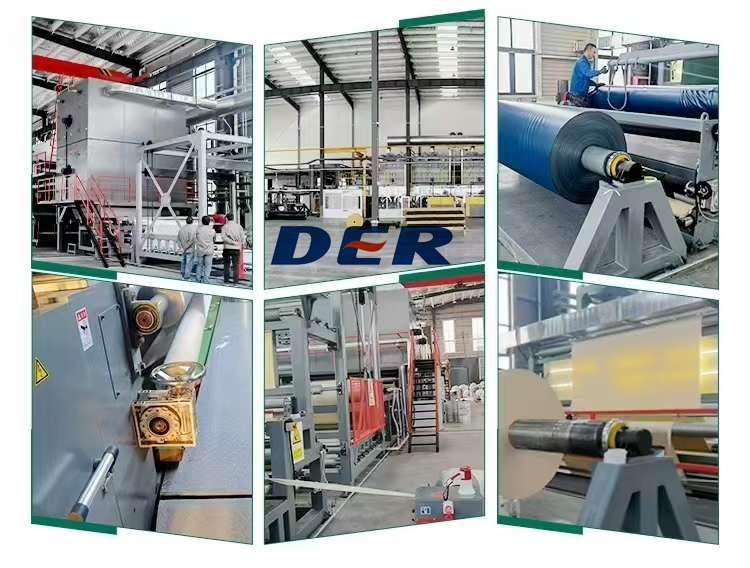
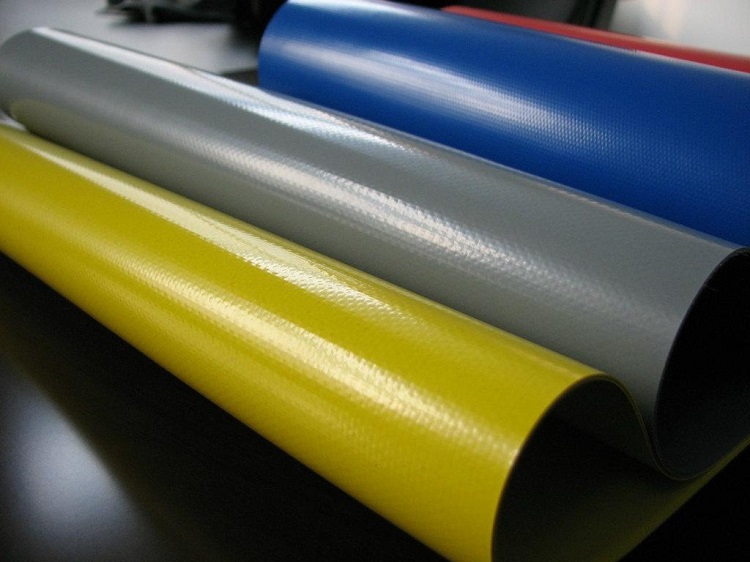
Real DERFLEX-hosted images are used to show finished tarp construction, transport application and manufacturing context without relying on stock photography.
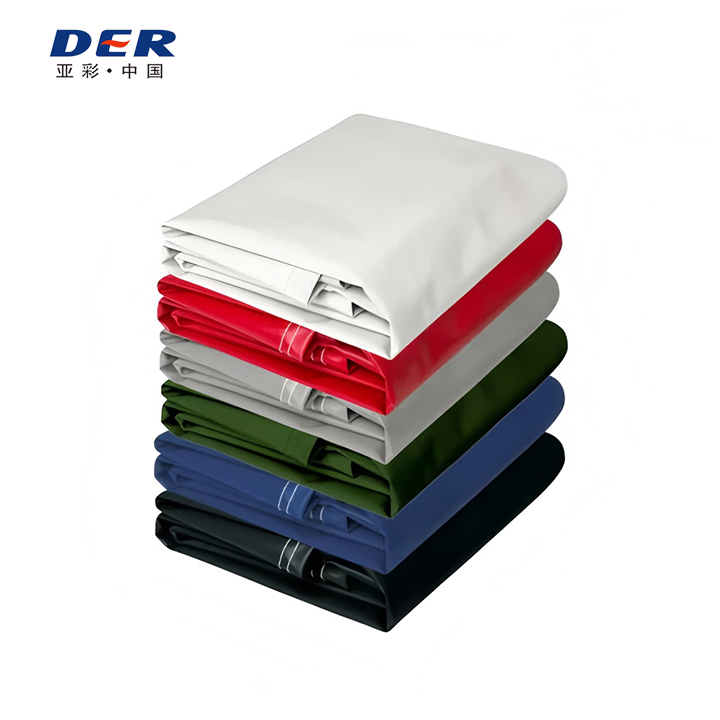
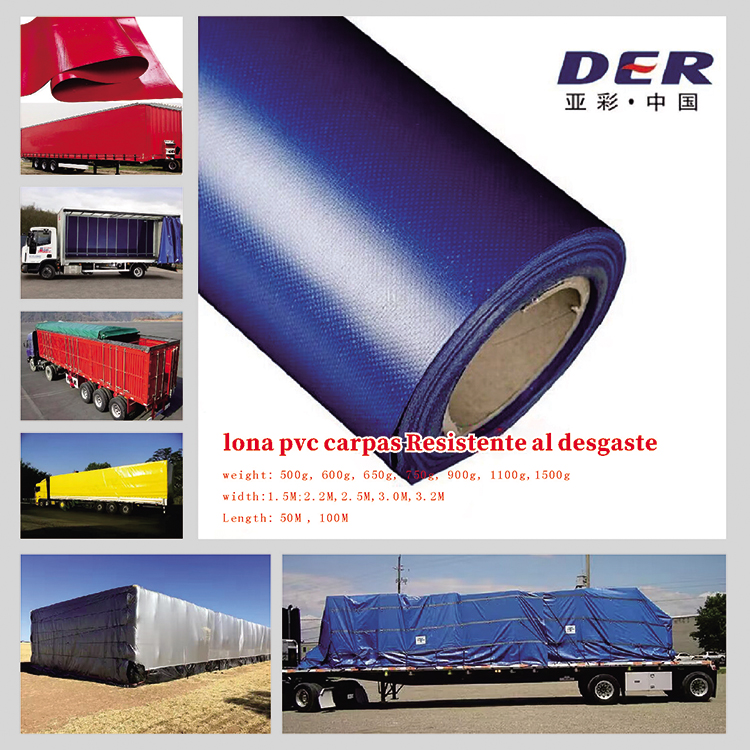
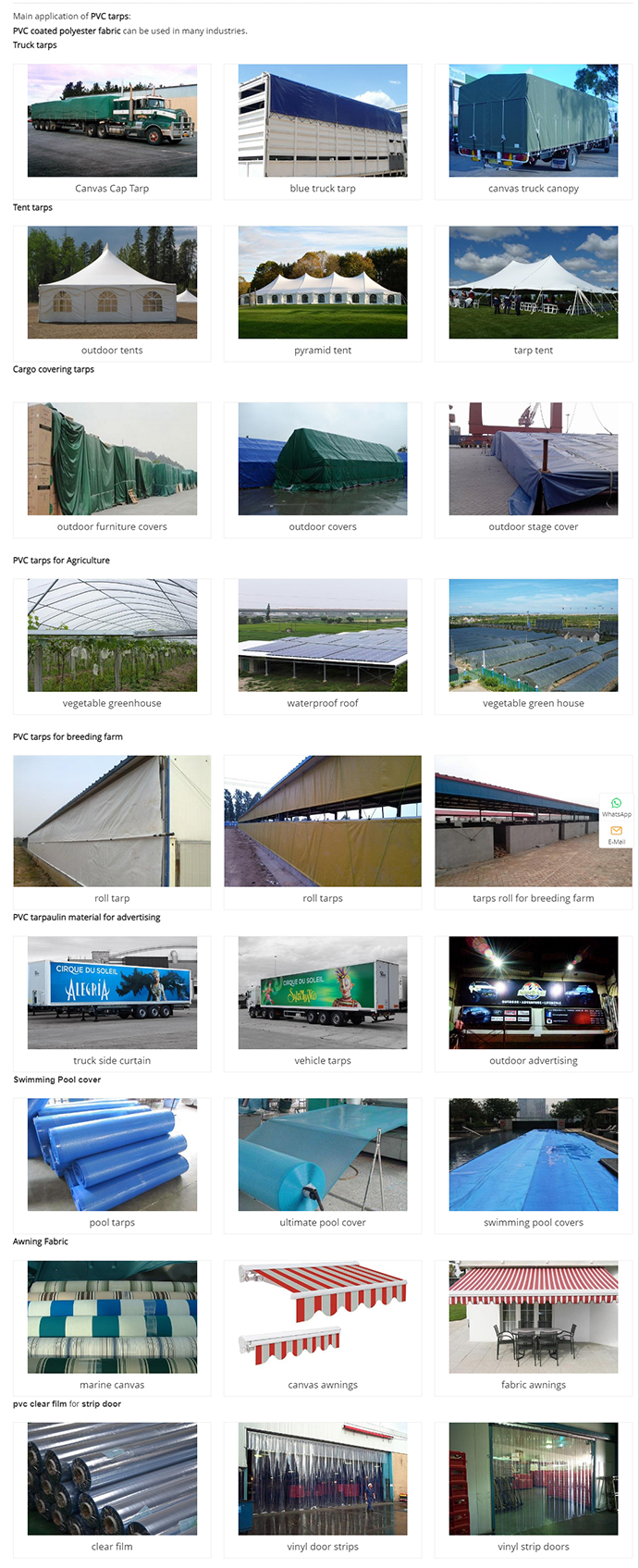
Fabric weight does not define grommet pull resistance, edge geometry or hardware retention. Specify the reinforcement system separately.
Rope material, diameter direction, hem width and closure method should be controlled instead of leaving the term open to interpretation.
Webbing width alone is not enough. Define location, overlap, termination, attachment method and relationship to grommets or D-rings.
Corners, long edges, roll-up zones and high-use points do not see the same load. One identical detail around all four sides can be inefficient or weak.
Standard grommet spacing is not useful if the available anchors are elsewhere. Diagonal connector pull can overload an otherwise strong hem.
A swatch cannot verify finished hem width, hardware alignment, corner build-up, folding behavior or fit. Approve the finished construction for repeat orders.
A marked drawing, installation photo or old-cover sample often answers more engineering questions than the phrase “heavy duty reinforced tarp.”
Short answers to the questions procurement teams commonly ask before locking the edge construction.
Not automatically. Webbing is usually the better direction for distributing repeated point loads from grommets, D-rings or straps because it creates a wide, flat reinforcement zone. Rope-in-hem can be more suitable for continuous perimeter body, lacing or hook systems. Actual strength depends on the complete tarp construction and test method.
A rope hem tarp has rope or cord enclosed inside the folded perimeter. The rope adds body to the edge and can help distribute tension along a longer section of the tarp. Rope material, diameter, hem width and closure method should be matched to the application.
A webbing reinforced tarp edge uses a woven reinforcement strip—commonly polyester or another project-specified material—inside or along the perimeter. It can provide a wider backing zone for grommets, D-rings, straps, loops and repeated tie-down points.
They can be when webbing is part of the designed load path. The webbing width, attachment method, grommet size, washer, edge offset and surrounding tarp material should be compatible. Installing an eyelet through webbing does not by itself guarantee a stronger finished edge.
Yes. A large custom tarp may use rope for continuous perimeter body and webbing at high-use hardware rows or selected directional load zones. A combined design should be shown on the production drawing so the layers, corners and hardware work together.
Truck and trailer tarps often benefit from webbing reinforcement around repeated tie-down points because wind, vibration, folding and frequent tensioning create cyclic loads. Rope hem may still be used in selected zones if the tarp system uses lacing or requires additional edge body.
Rope hem can be practical when the cover uses continuous lacing, hooks or broad perimeter tension. Large exposed covers may also need webbing or larger corner reinforcement at selected anchors, so the best solution can be a mixed edge rather than one method everywhere.
Send the application, finished dimensions, photos or drawing, tarp material direction, target GSM/thickness if known, anchor positions, pull direction, rope/webbing requirement, grommet or D-ring layout, quantity, color, branding, packaging, destination and any required test or compliance standard.
Send DERFLEX your application, finished dimensions, anchor layout, preferred material, quantity and photos or drawing. The edge can then be reviewed as a complete load-transfer system: tarp material, rope or webbing, hem, corners, grommets / D-rings, wear zones and finished fabrication.
Product and design directions on this page are intended for specification discussion. Final materials, dimensions, tolerances, reinforcement details, testing requirements and commercial terms should be confirmed in the quotation, approved sample and purchase agreement.