Buyer Questions
Tarpaulin wind load FAQ
Short answers for buyers comparing tarp wind resistance, wind pressure, material weight, mesh openness and reinforced attachment systems.
How is wind load on a tarpaulin calculated?
A first physics reference is dynamic pressure, q = ?ρV2. To estimate force on a real tarp, the calculation must then account for projected area and the appropriate pressure or aerodynamic coefficients for the geometry. Structural applications may also require gust, exposure, topographic, elevation, enclosure and safety factors under the applicable design standard. The final tarp, support and anchors should be evaluated as one system.
What wind speed can a heavy duty tarp withstand?
There is no universal safe wind speed for a “heavy duty” tarp. Capacity depends on exposed area, orientation, material construction, seams, reinforcement, grommets or D-rings, support spacing, anchors, slack, gusts and the consequence of failure. A specific mph or km/h claim should be supported by a defined test or engineering validation for the installed configuration.
Does a heavier GSM tarp resist wind better?
Not automatically. Higher GSM can indicate a more substantial material, but it does not define tensile strength, tear resistance, seam strength, edge reinforcement, hardware retention or anchorage. A lighter but well-fitted and well-reinforced tarp can control wind movement better than a heavier loose cover with weak attachment zones.
Is a mesh tarp better than a solid tarp in high wind?
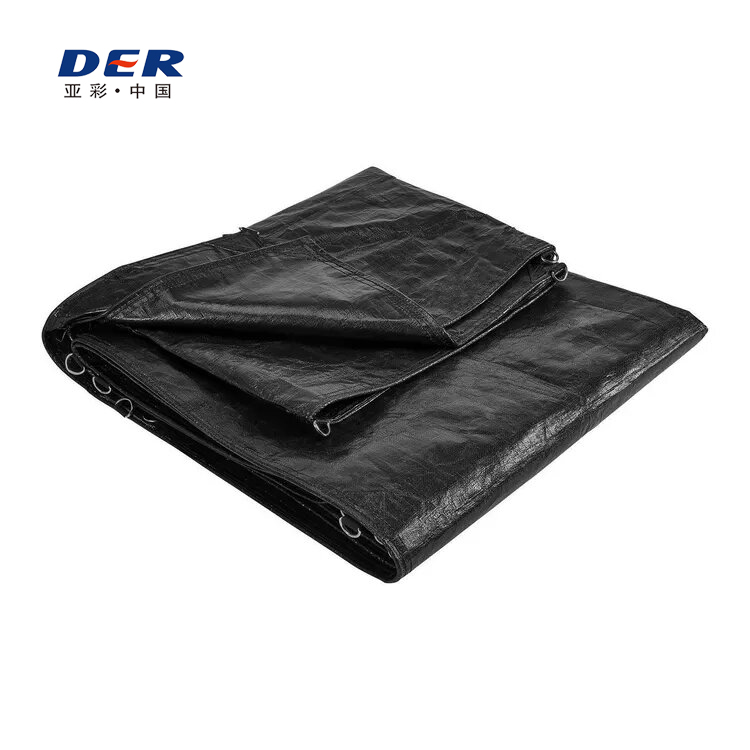
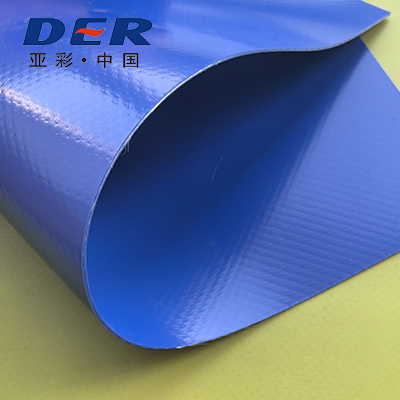
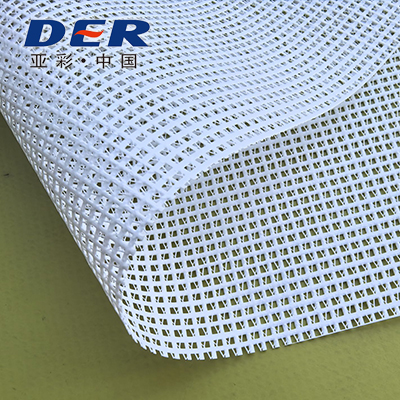
Mesh can be advantageous when airflow is acceptable because the open structure allows some wind to pass through and can reduce pressure. Solid PVC remains the better direction when waterproof rain and dust protection are required. Mesh openness, edge reinforcement and anchor design still need to match the application.
How far apart should tarp grommets be for high wind?
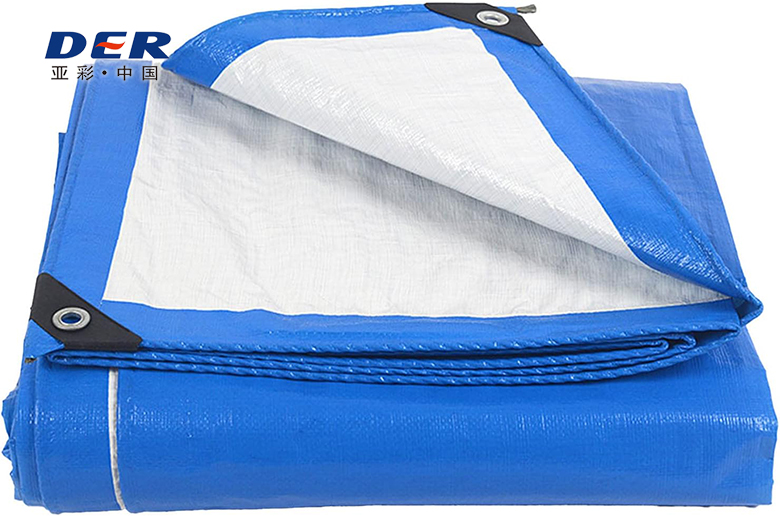
No single spacing is correct for every project. The spacing should be based on tarp size, edge reinforcement, hardware capacity, pull direction, anchor capacity, exposed area and the required wind design basis. Closer attachment points can shorten unsupported edge spans, but they are useful only if the surrounding hem and anchors can share the load.
Can a truck tarp be rated for highway wind speed?
Yes, but the rating is meaningful only when the test or engineering basis defines the complete configuration: vehicle and cargo geometry, tarp dimensions, relative airflow, seams, hardware, attachment layout and anchors. Fabric weight or tensile strength alone cannot establish a highway wind-speed rating.
Do scaffold tarps increase wind load on the scaffold?
Yes. Solid sheeting can add lateral wind load to a scaffold or temporary frame. OSHA states that wind screens should not be used unless the scaffold is secured against the anticipated wind forces imposed. Large or elevated enclosures should therefore be reviewed by the appropriate competent or qualified person under the applicable project and jurisdiction requirements.
What information should I provide for a custom wind-resistant tarpaulin quote?
Provide the application, finished dimensions, wind exposure or design basis, support and anchor layout, solid or mesh requirement, material direction, seam and reinforcement details, grommet/D-ring positions, quantity, color/printing, destination and any required tests or documentation. Photos and marked drawings are especially useful for shaped or high-exposure installations.