News
Company News

How Heavy Duty Tarps Are Reinforced Around Corners and Grommets | DERFLEX

Update:2026/9/16 17:12:34 Views:
Heavy Duty Tarp Engineering Guide

How Heavy Duty Tarps Are Reinforced Around Corners and Grommets

Heavy duty tarp reinforcement is not just a thicker sheet or a larger metal eyelet. Reliable corners and grommet zones are built as load-transfer structures using folded or welded hems, extra fabric layers, webbing, corner patches, rope reinforcement and application-matched hardware.

For truck tarps, construction covers, equipment protection, agricultural tarps and repeat OEM programs, the reinforcement layout should follow the real anchor points, pull direction, wind movement, handling cycle and abrasion zones.

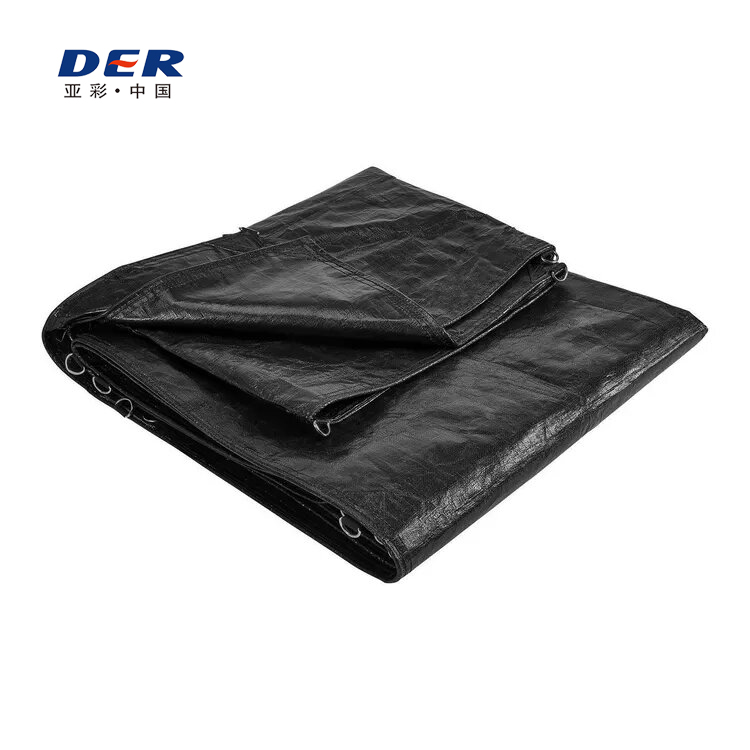
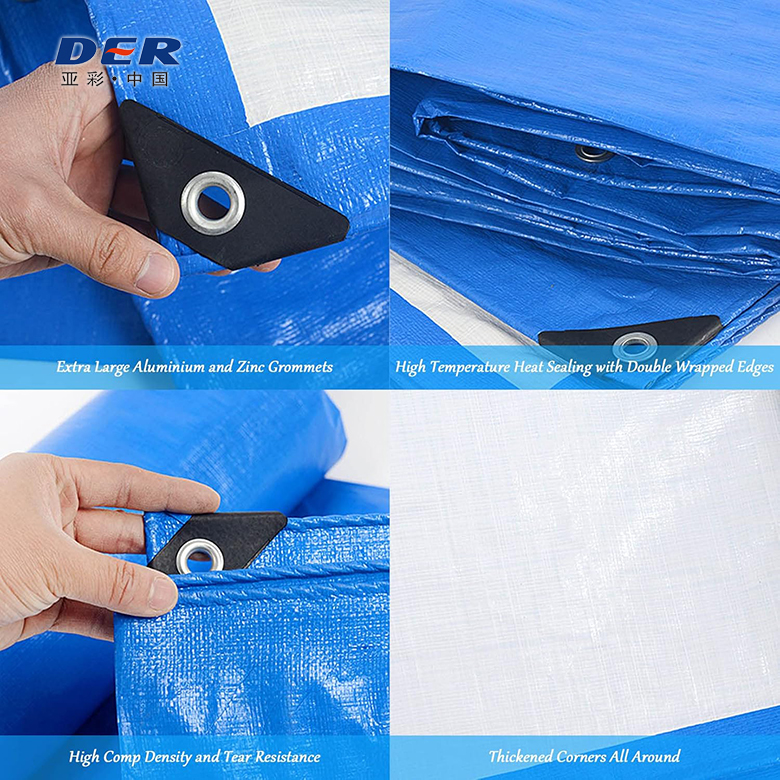
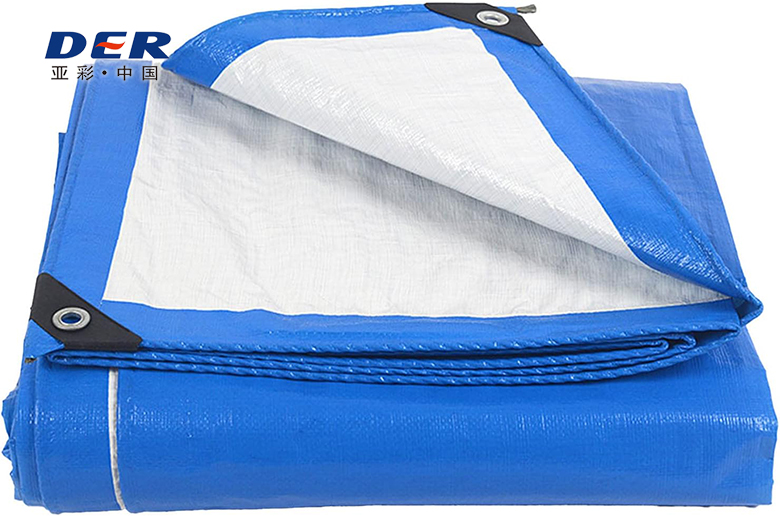
DERFLEX heavy duty tarp corner reinforcement and grommet detail
Corner + grommet reinforcement detailLarge-format DERFLEX product image showing reinforced eyelets, doubled edge construction and strengthened corner zones.
Featured Answer

How are heavy duty tarps reinforced around corners and grommets?

Heavy duty tarps are reinforced by spreading tie-down force over a larger area than the grommet itself. A typical reinforced construction may combine a folded or welded hem, an extra compatible fabric layer, polyester webbing, a triangular or enlarged corner patch, rope-in-hem reinforcement and a properly seated grommet with washer. Corners usually need more reinforcement than straight edge points because they can receive load from two directions at once. For repeated directional pull, a D-ring on a reinforced webbing tab may be more suitable than relying on one eyelet.
Engineering Principle

A Grommet Is Only One Link in the Load Path

When a rope, bungee, hook or strap pulls on a tarp, the load must travel through the metal eyelet, reinforcement, hem and main fabric. A heavy center panel can still fail early if the force enters through an undersized corner patch or unsupported grommet.

AnchorRail, hook, frame or ground point
ConnectorRope, bungee, hook or strap
GrommetEyelet and washer transfer point
Patch / WebbingSpreads local force outward
HemDistributes pull along the perimeter
Main FabricCarries load into the tarp body

Why corners deserve special treatment

A straight-edge grommet often sees a predominantly outward or downward pull. A corner can see diagonal pull plus tension from both adjoining edges. That combined geometry is why larger corner patches, crossed webbing, more backing area or an alternative attachment point may be justified even when the rest of the perimeter uses a simpler hem.

Reinforcement Architecture

Seven Ways Heavy Duty Tarp Corners and Grommets Are Reinforced

The correct construction is usually a combination. A truck tarp, equipment cover and construction weather sheet can use the same base material but need different perimeter architecture because their loads and handling cycles are different.

1

Folded or Welded Hem

The raw perimeter is folded to create multiple layers before hardware is installed. On suitable PVC coated polyester, the fold can be hot-air, hot-wedge or high-frequency welded; sewing may be used where the material and product design call for it.

Base reinforcementEdge stability
2

Double-Layer Reinforcement Strip

An additional compatible fabric strip increases the area around a row of grommets. The reinforcement should extend beyond the immediate eyelet washer so the load is transferred into a wider, sound section of material.

Grommet rowsLocal load spread
3

Webbing-Reinforced Perimeter

Polyester or project-specified webbing can run inside or along the hem. Webbing is useful where the tarp is tensioned repeatedly, where hardware needs a stable backing zone or where force should be distributed over a longer distance.

Repeated useDirectional load
4

Corner Patches

Triangular, square or larger custom-shaped patches build extra layers at the corners. Patch geometry should follow the expected diagonal pull and extend into both adjoining edges instead of merely surrounding the punched hole.

Multi-directional pullHigh-stress zone
5

Rope-in-Hem

A rope enclosed in the perimeter adds body and can support wider load sharing along the edge. Rope diameter, material and closure method should be selected for the cover size, connector system and exposure.

Perimeter stiffnessLacing / hooks
6

Grommet + Washer System

The eyelet and washer should be seated evenly through the complete reinforced stack. Inside diameter, flange area, metal choice, hole position and setting pressure all affect how the hardware bears against the finished edge.

Hardware retentionCorrosion choice
7

D-Ring or Webbing Tab Alternative

Where hooks or straps repeatedly pull in one direction, a D-ring integrated into a broad reinforced tab can provide a different load path. It is not automatically stronger; the backing area, tab overlap and attachment method still determine performance.

Alternative hardwareDefined pull direction
Factory Process

How a Reinforced Corner and Grommet Zone Is Built

For B2B production, the hardware should be treated as part of the pattern and fabrication drawing—not as a last-minute accessory added after the tarp is already finished.

Map the anchors

Start with finished tarp dimensions, usable anchor locations, pull directions, edge drops, access flaps and known wear points. This decides where reinforcement is actually needed.

Select the base structure

Choose PVC coated polyester or another suitable tarp construction according to waterproofing, handling, abrasion, tear resistance, fabrication route and expected reuse.

Build the perimeter

Fold, weld or sew the hem. Add webbing, rope or a compatible reinforcement strip where the design requires more load-distribution area.

Orient the corner patch

Position the patch so it supports the real diagonal pull into both adjacent edges. The patch should not end exactly at the highest-stress line.

Mark and punch hardware points

Measure center-to-center locations from controlled datum edges. Avoid placing the hole so close to the edge that only a narrow strip of material remains.

Set the grommet

Install the eyelet and washer squarely through the complete reinforcement stack. Inspect for incomplete roll-over, sharp metal edges, rotation, distortion or damaged coating.

Inspect the load zone

Check hem continuity, webbing alignment, patch bond or stitching, corner symmetry, hardware seating, finished dimensions and any buyer-defined pull or acceptance test.

Lock the approved construction

For repeat orders, keep the approved drawing, material code, corner detail, hardware coordinates, packaging direction and inspection points under revision control.

Corner vs Edge

Corner Reinforcement Is Not the Same as a Regular Grommet Row

A useful drawing distinguishes the four corners, normal perimeter points, special high-load hardware and abrasion zones instead of assigning every location the same construction.

ZoneTypical Load PatternReinforcement DirectionBuyer Detail to Freeze
Straight-edge grommetPredominantly outward or downward pullFolded/welded hem, optional webbing or double layerSpacing, edge offset, eyelet size, hem width, pull direction
Corner grommetDiagonal + two-edge tension, often higher local stressEnlarged corner patch, crossed webbing or dedicated corner hardwarePatch geometry, hardware location, diagonal pull, corner radius
High-use tie pointRepeated installation and retensioningContinuous webbing, larger backing zone, D-ring or reinforced tab if suitableHandling cycle, connector type, orientation, inspection requirement
Abrasion contact pointRubbing plus tensionSacrificial wear strip or local patch in addition to load reinforcementExact contact location, replaceability, material compatibility
Long unsupported edgeWind movement and cyclic edge loadMore perimeter control, suitable spacing, rope/webbing edge or lacing systemPanel size, wind exposure, real anchors, edge overhang and fit
Application Selection Matrix

Match Reinforcement to the Service Environment

There is no single “heavy duty” corner construction for every tarp. Use the service condition to decide which part of the edge deserves more structure.

ApplicationMain StressReinforcement DirectionHardware DirectionProcurement Note
Truck / trailer coverWind flutter, vibration, repeated folding, cargo contactWebbing-reinforced hems, strong corners, local wear patchesGrommets and/or D-rings aligned to actual rails and strapsProvide vehicle or body anchor map; avoid sideways pull
Construction weather coverLarge exposed area, irregular anchors, sharp surfacesWide reinforced perimeter, corner backing, abrasion protectionMore perimeter control where exposure requires itState temporary/permanent use and site exposure
Equipment coverCustom shape, handles, brackets, repeated removalLocal reinforcement at attachment and protrusion zonesExact hardware locations often better than uniform spacingSend drawing or photos of machine geometry
Agricultural storage tarpSeasonal wind, large area, ground anchoring, UVStrong corners, lower-edge reinforcement, ridge/contact protectionGrommets, loops or rope edge according to anchor methodInclude storage season, wind exposure and ground contact
Warehouse divider / curtainTop suspension, side fixing, bottom wearDifferent reinforcement at top, sides and bottomGrommets/D-rings at fixing points; pocket or weighted bottom if requiredDo not specify one identical edge construction for all four sides
Attachment Choice

Grommets, D-Rings and Webbing Loops Carry Load Differently

Do not ask one small attachment point to solve every load condition. Choose the connector together with its backing structure.

Grommets / Eyelets

Compact, economical tie points for ropes, hooks or bungees. Good results depend on a sound hem, enough backing material, correct seating and pull that does not excessively side-load the eyelet.

  • Useful for regular perimeter positions
  • Easy to map by center-to-center coordinates
  • Needs reinforced material around the punched hole

D-Rings on Reinforced Tabs

A D-ring can connect straps or hooks through a wider webbing tab and can be oriented toward the expected pull. This can be useful for repeated or directional attachments.

  • Useful for defined strap direction
  • Can spread load through wider backing
  • Tab overlap and attachment method must be controlled

Webbing Loops / Sleeves

Soft loops or continuous sleeves can avoid metal-to-metal contact or provide a different way to control a long edge. They are application-specific rather than universal replacements for grommets.

  • Useful around bars, poles or special frames
  • Can create broader contact area
  • Loop opening and abrasion protection should be specified
Failure Diagnosis

What a Torn Corner or Pulled-Out Grommet Tells You

The first failed location is evidence. Photograph it before trimming, patching or replacing hardware; the tear direction often points to the real design problem.

Observed FailureLikely MechanismInspect NextBetter Design Direction
Oval / stretched hole around one grommetExcess point tension or repeated shockNearby unused tie points, connector tension, wind movementShare load across more effective points; strengthen backing area
Diagonal tear running from eyelet toward cornerSideways pull or combined corner loadAnchor position, hardware orientation, corner patch geometryAlign pull; enlarge or redirect the corner reinforcement
Grommet pulls out with a narrow strip of hemReinforcement zone too narrowHem depth, webbing/rope, extra layer widthTransfer load through a wider reinforced perimeter
Crescent cut at the metal rimHardware bearing, poor seating or edge-distance problemWasher, crimp, eyelet size, corrosion, hole locationRebuild the zone and match hardware to the finished stack
Several corners fail after wind eventsLarge panel movement concentrated at four pointsFit, unsupported edges, intermediate anchors, drainageImprove overall perimeter control instead of only thickening corners
Repair fails in the same place againUnchanged load path or geometryFrame, cargo edge, anchor layout, handling methodChange the design drawing; do not reproduce the same weak point

Do not solve every grommet failure by increasing GSM

More material weight can help some abrasion and puncture conditions, but it cannot correct a bad pull angle, a narrow backing patch, an oversized loose cover or a hardware point that does not line up with the real anchor.

Quality Control

What Buyers Should Inspect Around Corners and Grommets

A useful QC plan checks the complete attachment zone rather than counting eyelets only.

  • Finished dimensions: verify cut size versus finished size and controlled datum points.
  • Hem width and continuity: check folds, welds or stitching for consistent build-up.
  • Webbing position: confirm overlap, orientation and uninterrupted load path where specified.
  • Corner patch geometry: verify size, symmetry and extension into both adjoining edges.
  • Hardware coordinates: inspect center-to-center positions against the approved drawing.
  • Grommet seating: reject sharp edges, incomplete roll-over, loose rotation or distorted washers.
  • Edge distance: ensure the hole is not placed in an unsupported narrow strip of material.
  • Coating condition: inspect cracking, cut yarns, delamination or heat damage around fabrication.
  • Buyer-defined pull test: when required, record specimen construction, pull direction, method and failure mode.
  • Repeat-order control: retain approved sample, material code, revision drawing and inspection points.
DERFLEX Manufacturing Support

Specify the Edge as Carefully as the Tarp Material

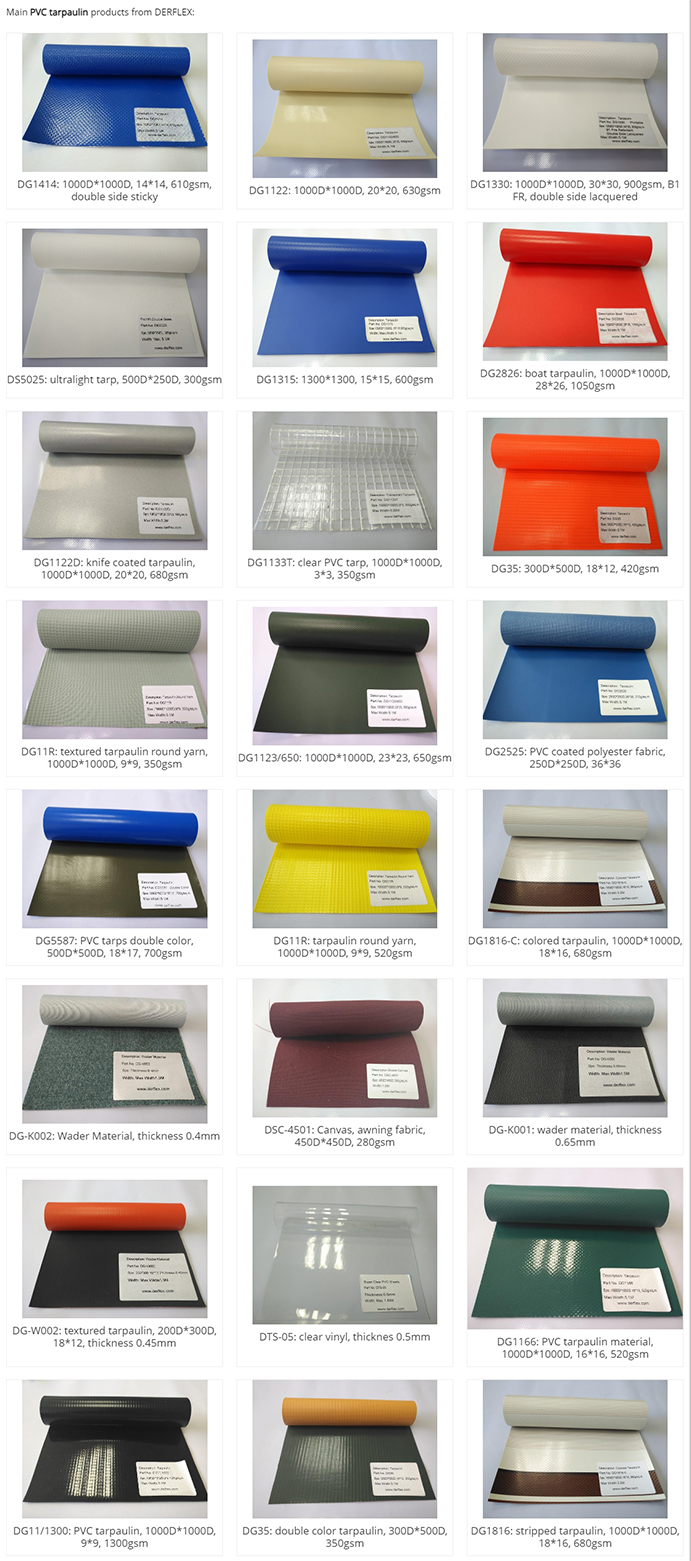
DERFLEX supports PVC coated polyester tarpaulin materials and custom finished tarp programs where dimensions, reinforcement, hardware and packaging can be defined together for repeat B2B supply.

Material + Fabrication

Coordinate material structure, GSM direction, weldability, hems, webbing, corner patches, grommets, D-rings, pockets and finished-cover geometry in one specification.

Drawing-Based Hardware Layout

Use finished dimensions and datum points to control grommet positions, D-ring rows, strap locations, special corners and wear zones rather than relying on vague “standard spacing.”

OEM / Repeat Programs

Color, logo, labels, packing, material code and approved reinforcement details can be locked for distributor, importer, fleet or private-label repeat orders.

60,000㎡Production Base
450+Team Members
25+Senior Engineers
120+Countries & Regions

Company-scale figures follow information currently presented on the DERFLEX tarpaulin category page. Final product specifications, performance requirements and commercial terms should be confirmed in the quotation, approved sample and purchase contract.

DERFLEX Image Pack

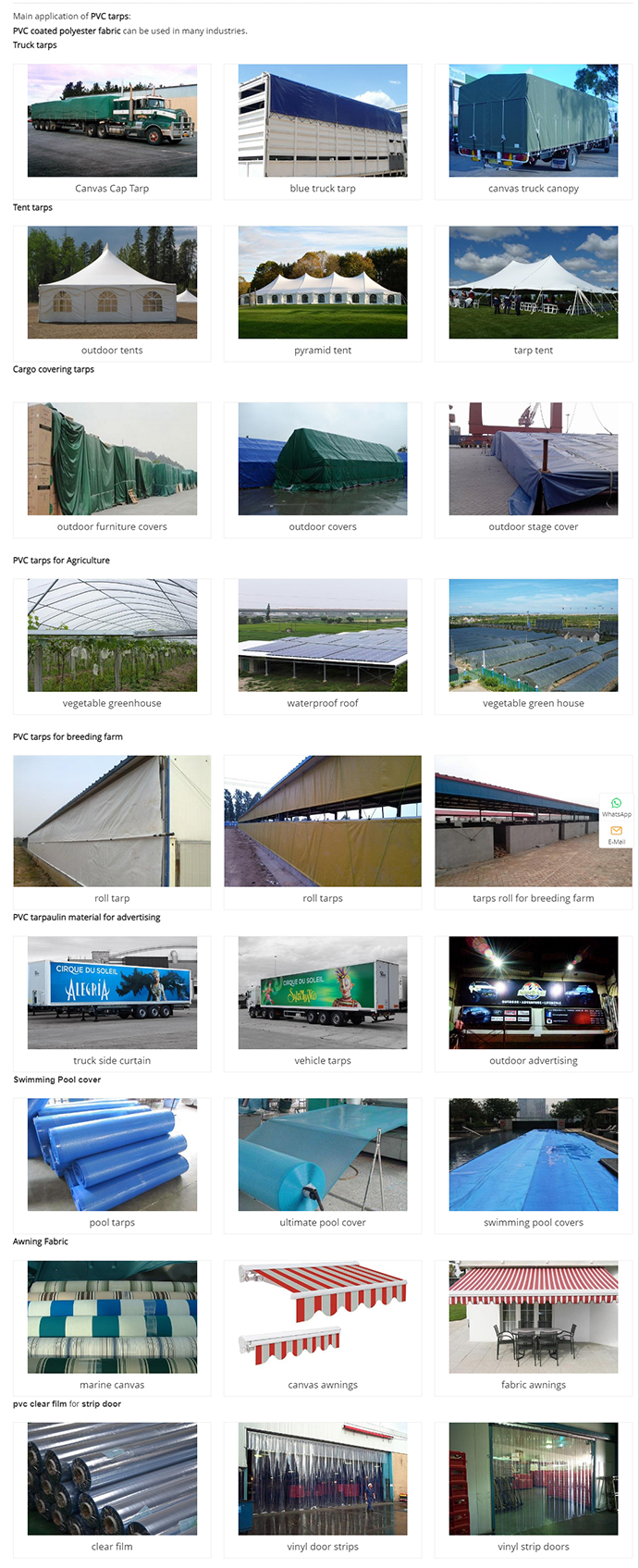
Reinforced Corners, Grommets, D-Rings and Tarp Applications

These are real DERFLEX-hosted images. The large detail image is kept readable so buyers can inspect the reinforcement rather than viewing it as a small decorative thumbnail.

Buyer RFQ Checklist

What to Send Before Requesting a Reinforced Heavy Duty Tarp Quote

A marked drawing and failure photo usually produce a more useful discussion than the phrase “heavy duty tarp with strong grommets.”

Geometry & Use

  • Finished length, width, drops, flaps and cut-outs
  • Application and service environment
  • Photos of frame, old cover or installation
  • Anchor positions and real pull direction
  • Expected handling / removal frequency

Material & Reinforcement

  • Preferred material, GSM or thickness direction if known
  • Hem width, webbing, rope or double-layer requirement
  • Corner patch size or drawing-based detail
  • Known abrasion or sharp-contact zones
  • Any buyer-defined test or acceptance requirement

Hardware

  • Grommet inside diameter and preferred metal if fixed
  • Center-to-center spacing or exact coordinates
  • D-ring rows, strap length, loops, pockets or sleeves
  • Connector type: rope, hook, bungee, strap or buckle
  • Any corrosion or outdoor exposure requirement

Commercial Program

  • Quantity and sample requirement
  • Roll goods, semi-finished panels or completed covers
  • Color, logo printing, labels and private-label packing
  • Destination and shipment packing requirement
  • Repeat-order volume or replacement schedule if applicable
Buyer Questions

Frequently Asked Questions About Reinforced Tarp Corners and Grommets

How do you reinforce a tarp corner?

Reinforce the corner by enlarging the load-bearing area around the attachment point. Depending on the tarp and pull direction, that can include a folded or welded hem, a triangular or larger fabric patch, webbing extending into both adjacent edges, rope-in-hem reinforcement or a reinforced D-ring tab. The corner patch should support the diagonal load rather than simply surround the grommet hole.

Why do grommets pull out of heavy duty tarps?

Because the eyelet concentrates force into a small area. Pull-out can result from over-tensioning, sideways pull, weak or narrow backing, wind flapping, aged material, poor hardware seating or a grommet layout that does not match the real anchors. A heavier tarp alone does not automatically solve these problems.

Should tarp grommets go through webbing?

They can when the product design uses webbing as part of the perimeter load path. Webbing may spread force beyond the immediate eyelet, but the material, width, overlap, attachment method and grommet setting must be compatible. It should be specified as a complete construction rather than added without reviewing the finished edge.

Are D-rings stronger than grommets for heavy loads?

Not automatically. A D-ring can be attached to a wider webbing tab and oriented for a directional pull, which may be useful in demanding applications. Its actual capacity still depends on the ring, webbing, backing area, stitching or welding, fabric and pull direction. Select the attachment system from the application rather than assuming one hardware type is always stronger.

How far apart should grommets be on a heavy duty tarp?

There is no universal spacing. The right layout depends on tarp area, wind exposure, anchor positions, edge construction, pull direction and handling frequency. Closer spacing can improve perimeter control only when the extra points connect to real anchors and the hem can distribute the load. For custom B2B covers, a drawing-based layout is preferable.

Can a torn grommet area be repaired?

Sometimes. The damaged zone should first be rebuilt into sound material with a compatible patch, webbing or edge repair, and the hardware should be reinstalled only after the load path is restored. If the surrounding fabric is brittle, delaminated or repeatedly fails at the same point, redesign or replacement may be more practical than another local repair.

What is a rope-reinforced hem?

A rope-reinforced hem encloses a rope inside the perimeter fold. The rope adds body to the edge and can help distribute force along a longer section of the tarp. Rope material, diameter, hem closure and tie-down method should be matched to the application.

<, details>What should an importer specify for reinforced corners and grommets?

Specify finished tarp dimensions, material direction, hem construction, webbing or rope reinforcement, corner patch geometry, grommet size and metal, hardware coordinates or spacing, edge offset, real pull direction, D-rings or straps, wear zones, buyer-defined test requirements, quantity, branding and packing. An approved drawing and sample help keep repeat orders consistent.

Build the Reinforcement Around the Real Anchor System

Send DERFLEX your application, finished dimensions, photos or drawing, material direction, anchor locations, expected pull direction, corner detail, grommet or D-ring layout, quantity and destination. The team can review a practical construction for sampling or repeat B2B production.

Technical guidance on this page is for specification planning. Final material, reinforcement, hardware, test method, acceptance value, tolerances and commercial terms should be confirmed against the actual application, quotation, approved sample and purchase contract.

Consulting Services
+86-021-54361792 / 54361798
Email
sales@derflex.com