


Tent Membrane Fabric Manufacturer for Event, Glamping, Warehouse, and Custom Shelter Projects
DERFLEX supplies tent membrane fabric for buyers who need more than a basic waterproof cover. We support tent manufacturers, event structure companies, marquee builders, glamping developers, warehouse shelter suppliers, rental fleets, and OEM procurement teams looking for a more reliable path to PVC tent membrane material that combines weather resistance, structural stability, commercial consistency, and customization flexibility.
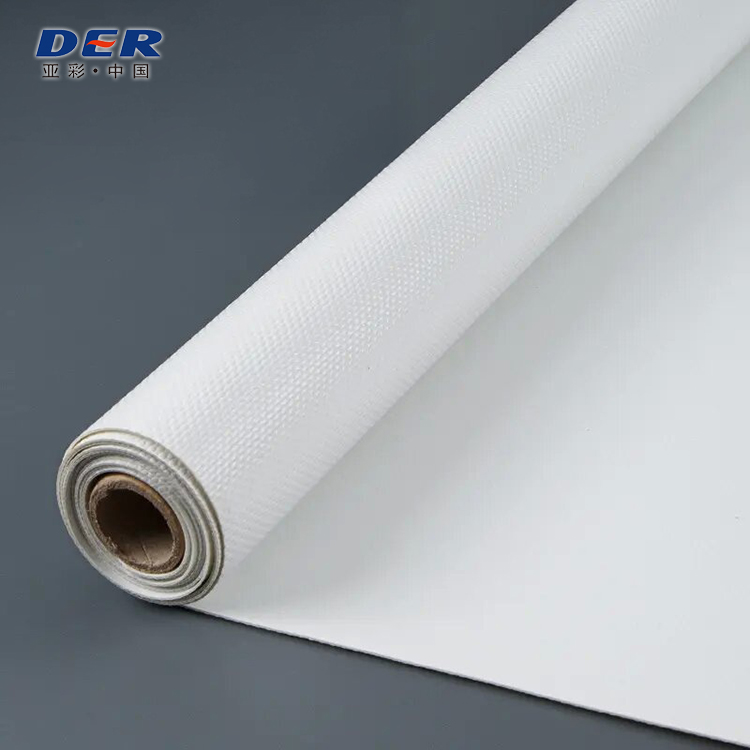
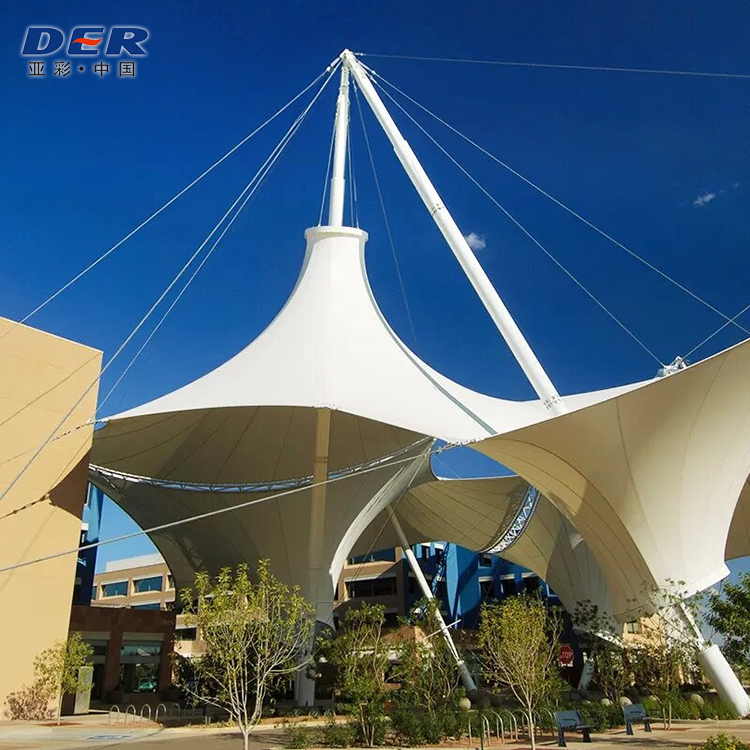
Whether the requirement is a bright white marquee roof, a blockout event tent top, a sidewall membrane for repeated rental use, a glamping tent skin, a warehouse tent cover, or a project-ready sports shelter membrane, buyers usually care about the same fundamentals: stable quality, weldability, coating performance, fire pathway options, service life, color consistency, customization support, and lead time they can actually plan around.
What Is Tent Membrane Fabric?
Tent membrane fabric is a performance-oriented flexible material developed for tent roofs, sidewalls, structural covers, and shelter envelopes where a project needs weather protection, visual consistency, mechanical strength, and fabrication reliability. In practical buying terms, it is not just “tent cloth.” It is the engineered outer skin that determines how a tent looks, how it performs outdoors, how long it stays clean, how it behaves in heat and cold, how easily it can be fabricated, and how often it needs to be replaced.
For most commercial tent systems, the preferred structure is a high-tenacity polyester base fabric combined with a PVC coating system. Depending on the project, the surface can also be enhanced with acrylic, PVDF lacquer, blockout layers, matte or glossy finishes, and project-specific functional treatments. That is why buyers search not only for tent fabric, but also for terms such as PVC tent membrane, waterproof tent fabric, flame retardant tent material, blockout tent membrane, marquee tent fabric, and custom tent membrane supplier.
The right tent membrane fabric has to do several jobs at the same time. It must resist rain, sun, and dirt. It must remain flexible enough for fabrication and repeated installation. It must hold visual tension across the roof surface. It must accept welding, edge reinforcement, and keder integration. In many projects, it must also satisfy market-specific fire requirements and support a clean, professional surface appearance that represents the buyer’s brand or project image.
Key Features Buyers Look for in a Professional Tent Membrane Fabric
The strongest pages in this category do not stop at generic selling language. Buyers comparing tent membrane suppliers usually evaluate material logic from several angles at once: performance, fabrication, appearance, replacement cycle, and sourcing reliability.
Reliable Waterproof Protection
A tent membrane is expected to perform in rain, humidity, and demanding outdoor exposure. A professionally made PVC tent membrane helps reduce water ingress risk, protects inventory or guests, and supports more predictable project use across temporary and semi-permanent structures.
UV and Weather Resistance
Sun exposure is one of the biggest real-world causes of membrane aging. A tent material built for outdoor use needs a coating system that supports better resistance to UV exposure, surface chalking, stiffness development, and early visual fatigue.
High Tensile and Tear Strength
The membrane has to survive transport, tensioning, wind load behavior, repeated handling, seam fabrication, and day-to-day project abuse. The base fabric construction plays a major role in how the material behaves over time.
Excellent Welding and Fabrication Compatibility
Tent makers do not buy a membrane only for storage. They buy it to cut, weld, reinforce, finish, and install. Good membrane material supports smoother HF welding, hot air welding, edge folding, patch reinforcement, and keder-related processing.
Flame-Retardant Pathways
Many event tents, public-use structures, and rental projects require fire performance options. A serious supplier should understand that different markets may ask for different standard pathways depending on the application and destination market.
Appearance Consistency
For marquees, event tents, glamping structures, exhibition shelters, and hospitality environments, appearance is part of the product value. Color stability, light behavior, surface finish, and clean panel presentation all influence the end-user impression.
Need a Custom Tent Membrane Instead of a Generic Roll Material?
DERFLEX supports custom tent membrane development for width, weight, finish, color tone, blockout construction, and project-specific performance logic. If you are sourcing for repeat orders, private-label supply, or a new structure program, share your target use and we will recommend a suitable construction.
Technical Specifications of Tent Membrane Fabric
Because buyers in this category often compare multiple constructions, a useful specification section should be practical rather than vague. The table below is structured as a typical customization guide for commercial tent membrane sourcing. Exact values can be tightened according to the target product series, market, fabrication method, and service-life expectations.
| Item | Typical Customization Range / Direction | Why It Matters |
|---|---|---|
| Base Fabric | High-tenacity polyester yarn construction in multiple denier and weave options | Influences strength, tear behavior, dimensional stability, and fabrication feel |
| Total Weight | Often selected from medium to heavy-duty tent-grade constructions according to project type | Affects durability, drape, handling, and structure suitability |
| Surface Treatment | PVC coating with optional acrylic, PVDF lacquer, matte, glossy, dirt-release, or blockout structures | Impacts cleanability, aging behavior, and visual result |
| Width | Custom roll widths depending on machine capacity and fabrication plan | Helps optimize panel layout, seam frequency, and material efficiency |
| Color | White, ivory, gray, custom project colors, interior/exterior color matching, blockout white/white or white/black/white options | Controls branding, light behavior, and architectural presentation |
| Performance Direction | Waterproof, UV-resistant, mildew-resistant, flame-retardant option pathways, anti-aging focus, blockout or light-diffusing direction | Ensures better fit to real use conditions |
| Fabrication Compatibility | Suitable for high-frequency welding, hot-air welding, reinforcement patching, edge finishing, and keder integration | Important for production efficiency and end-product consistency |
| Temperature Logic | Construction adjusted for target climate, folding frequency, and handling expectations | Improves usability in hot, cold, or repeated deployment conditions |
| Certification Path | Selected according to destination market and project requirement | Useful for public-use, rental, and engineered shelter applications |
How Smart Buyers Read Tent Fabric Specifications
A common sourcing mistake is comparing membranes only by weight or price. In reality, the coating recipe, lacquer logic, yarn quality, width efficiency, welding behavior, and finish consistency can matter just as much. A slightly cheaper membrane can become more expensive if it welds badly, gets dirty too easily, loses surface beauty too fast, or creates repeat complaints in rental and project use.
For event and hospitality-related tents, surface appearance and clean presentation can be almost as important as base strength. For warehouse and industrial shelter tents, buyers often put greater weight on service stability, panel consistency, and replacement cycle. For glamping and branded structures, the material has to support both engineering use and visual value.
Applications of Tent Membrane Fabric
Tent membrane fabric is not a single-use material. It serves multiple tent and shelter categories, each with different performance priorities, appearance expectations, and replacement logic.
Event and Marquee Tents
These projects often prioritize clean white appearance, waterproof performance, repeated assembly, weldability, and good panel presentation for weddings, events, exhibitions, and temporary commercial spaces.
Glamping and Hospitality Structures
Glamping tent membrane needs a stronger balance between aesthetics, weather resistance, comfort logic, and brand presentation. Surface feel, light behavior, and long-term outdoor appearance become more important here.
Warehouse and Industrial Shelter Tents
For storage shelters and industrial tent systems, buyers usually emphasize durability, dimensional consistency, repair practicality, and service stability under broader daily-use conditions.
Sports and Activity Tents
Sports-related structures may require large-span membrane behavior, bright visual finish, controlled light performance, and broader weather suitability depending on region and use pattern.
Emergency, Relief, and Functional Tents
In functional tent applications, fabric buyers may focus more on fast fabrication, dependable weather performance, cleaning practicality, and project-based supply responsiveness.
Custom OEM Tent Programs
OEM programs often need a membrane that can be matched to a specific frame system, branded visual direction, target price structure, finishing method, and sales-market expectation.
Looking for a Tent Membrane Supplier That Understands End Use?
Share whether your project is for event tents, marquee systems, glamping tents, warehouse shelters, sports tents, or custom OEM fabrication. The most suitable construction depends on how the membrane will actually be used, not just on a keyword.
Why Choose DERFLEX as Your Tent Membrane Fabric Supplier
Factory-Based Supply Logic
DERFLEX is positioned for buyers who prefer a manufacturer-oriented sourcing path instead of a purely trading-style conversation. That matters when you need more control over material structure, repeat orders, finish consistency, and OEM coordination.
Customization for Real Projects
Professional tent fabric supply is rarely one-size-fits-all. We support custom membrane direction for event tents, marquee roofs, blockout tops, sidewalls, glamping structures, industrial shelters, and distributor product programs.
Lead Time with Commercial Awareness
Tent projects often move on deadlines, procurement windows, and seasonal demand. A supplier should understand not only the material itself, but also the commercial pressure around shipping rhythm, installation planning, and repeat business timing.
Quality and Certification Pathways
Buyers increasingly expect clearer material consistency, documentation support, and certification awareness. A serious tent membrane supplier should understand how quality, application, and destination-market expectations connect.
Broader Tent and Membrane Knowledge
Tent membrane projects often overlap with tensile membrane thinking, shelter engineering, coated fabric processing, sidewall requirements, blockout solutions, and architectural or semi-permanent use cases. Broader membrane knowledge helps reduce selection mistakes.
Long-Term Cooperation Potential
Many buyers do not want one shipment. They want a supply relationship that supports repeat specifications, stable communication, and future product development. That is especially important for brands, distributors, and tent-system manufacturers.
What Good Tent Membrane Sourcing Really Looks Like
Good sourcing is not just finding the lowest number on a quotation sheet. It is finding a membrane supplier that can understand your tent category, suggest a sensible construction, hold a stable quality direction, and support the way your business actually operates. For some buyers, that means blockout roof membranes with stronger visual cleanliness. For others, it means a more cost-balanced PVC tent fabric that still performs well in repeated use. For OEM programs, it may mean matching an existing specification while improving fabrication stability or lead time reliability.
That is why DERFLEX positions tent membrane fabric as a project-oriented product category rather than a generic commodity. The more precise the material logic is, the easier it becomes to control project outcome, repeat sales quality, and downstream customer satisfaction.
Comparison: Professional Tent Membrane Fabric vs Ordinary Low-End Cover Materials
Professional Tent Membrane Fabric
- Developed with tent or shelter fabrication in mind rather than only basic covering use
- Better focus on welding behavior, tension performance, panel presentation, and installation practicality
- Can be customized for blockout, white roof use, sidewall matching, surface finish, and OEM logic
- More suitable for event structures, marquee systems, warehouse tents, glamping tents, and recurring commercial use
- Usually selected for buyers who care about appearance, repeatability, and long-term business value
Ordinary Low-End Cover Material
- Often chosen mainly by price without enough attention to real tent fabrication needs
- May create issues in weld quality, clean appearance, stiffness behavior, or replacement cycle
- Less ideal for branded structures, rental systems, or applications where customers notice roof presentation
- Can become costly later through rework, customer complaints, or earlier material replacement
- Usually not the best option for buyers building repeatable tent products or professional tent projects
Case Study: A Better Material Match for a Repeating Tent Program
One typical tent membrane sourcing situation involves a buyer that has already used tent PVC fabric before, but is not fully satisfied with the result. The most common complaints are not dramatic product failure. They are usually smaller problems that become expensive over time: inconsistent color tone between batches, less-than-ideal welding behavior, surface dirt that shows too easily, membrane stiffness that complicates handling, or a roof finish that does not look premium enough for the target market.
In a representative scenario, a regional structure company needed a more dependable membrane direction for event and warehouse tent orders. The previous source was acceptable on price, but the material created repeat friction in fabrication and customer presentation. The buyer wanted a tent membrane fabric that could support a cleaner white appearance, better panel consistency, and a more commercially stable supply pattern for multiple repeat projects.
The solution was not simply “choose the heaviest fabric.” Instead, the project required a better balance of coating direction, finish logic, fabrication compatibility, and application fit. By moving to a more purpose-aligned tent membrane construction and clarifying the target use categories upfront, the buyer reduced uncertainty in production and improved consistency across repeat orders.
This is exactly why tent membrane fabric pages should explain the decision process, not just list material buzzwords. A successful membrane choice is the result of matching the end use, project image, fabrication method, and business model to the right material direction.
Have an Existing Tent Fabric You Want to Match or Upgrade?
If you already buy PVC tent membrane and want to improve service life, surface presentation, blockout effect, fabrication stability, or overall commercial consistency, send the current specification, photos, or sample direction. DERFLEX can recommend a closer-fit alternative.
Frequently Asked Questions About Tent Membrane Fabric
What is the best material for tent membrane fabric?
For many commercial tent applications, PVC-coated polyester membrane is the most practical choice because it can balance waterproof performance, fabrication compatibility, strength, and customization flexibility. The best exact construction still depends on whether the tent is for events, glamping, warehousing, sports use, or OEM production.
Is tent membrane fabric the same as ordinary tarpaulin?
Not always. Some material families overlap, but professional tent membrane fabric is usually selected with more attention to appearance, weldability, structural use, repeated installation, and project-specific finish requirements than a basic general-purpose cover material.
Can you customize tent membrane fabric for blockout roofs or special finishes?
Yes. Tent membrane can be customized for different surface effects and project goals, including blockout direction, finish selection, color tone, fabrication compatibility, and broader OEM requirements.
Do you support flame-retardant tent membrane options?
Yes. Depending on the destination market and application, the membrane direction can be selected with relevant fire-performance pathways in mind. Specific certification logic should always be matched to the target project requirement.
What applications can use tent membrane fabric?
Typical applications include event tents, marquee tents, warehouse tents, glamping tents, hospitality structures, sports tents, industrial shelters, sidewalls, roof systems, and custom OEM tent projects.
How should I choose a tent membrane supplier?
A good supplier should understand your end use, offer customization support, communicate clearly about quality and lead time, and help match the membrane structure to the real application rather than selling only by price or weight.
Can DERFLEX support repeat orders and OEM programs?
Yes. DERFLEX is suitable for buyers who need repeatable supply, project-oriented tent membrane recommendations, OEM support, and long-term cooperation rather than one-off generic transactions.
Related DERFLEX Pages
To strengthen topic relevance and improve user path depth, the following internal links are closely related to this page’s main keyword and adjacent buying intent.
Ready to Source Tent Membrane Fabric from DERFLEX?
If you are looking for a dependable tent membrane fabric manufacturer with OEM capability, practical tent-material understanding, stable quality direction, and commercially realistic delivery support, DERFLEX is ready to help. Send your target application, expected weight range, finish preference, color request, fire requirement, or sample reference, and we will recommend a suitable membrane direction.