Material & Color Sample
Used to confirm surface, color direction, flexibility, opacity, texture or a selected PVC-coated fabric before fabrication begins.
Use when geometry is already proven.


A custom tarp prototype should do more than show what the finished product looks like. It should expose fit problems, weak load paths, ambiguous dimensions, material mismatches and fabrication details while they are still inexpensive to change. This DERFLEX guide shows importers, OEM brands, fleet operators, equipment manufacturers, distributors and industrial buyers how to move from a rough requirement to an approved production-ready reference.
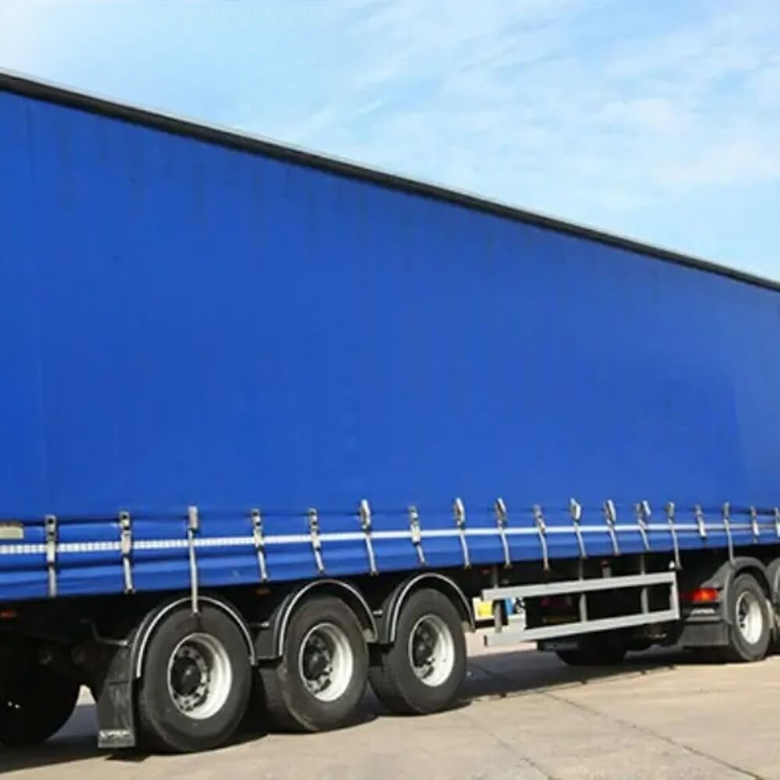
Appearance matters, but the approval decision should also cover fit, fixing points, seam construction, reinforcement, material identity, handling, branding and the documents that will control production.
Custom tarps often look simple on a drawing: a sheet, several hems, a row of grommets and perhaps a printed logo. In service, however, the tarp becomes a tensioned flexible structure. A few centimeters of dimensional error can move a D-ring away from its anchor. A strong fabric can still fail if reinforcement ends before a high-load point. A waterproof material can leak if seam direction or welding details are wrong.
The prototype stage is where those risks can be found with one unit, one panel or one controlled trial instead of an entire shipment. The purpose is not to make a perfect showpiece. It is to learn whether the intended design can be built repeatedly using the material, hardware and fabrication route planned for normal production.
A buyer may like the color and overall appearance while still having unresolved production questions. Prototype approval should therefore be divided into three decisions: design verification, fit/function validation, and production transfer.
Prototype cost and time should follow project risk. A basic rectangular replacement cover does not need the same development route as a shaped machinery enclosure, fleet tarp system or private-label product with hardware and custom packaging.
Used to confirm surface, color direction, flexibility, opacity, texture or a selected PVC-coated fabric before fabrication begins.
Use when geometry is already proven.A reduced panel showing seam/weld overlap, hem build, webbing, grommets, D-rings, straps, reinforcement or printing.
Use when edge details carry the main risk.A complete tarp made to the intended geometry so the buyer can install it, check coverage, tension, clearances, access points and handling.
Use for new shapes or equipment-fit covers.A production-intent unit made using the planned material route, normal fabrication sequence, components, artwork and packing method.
Use before scaling a higher-risk bulk program.Prototype planning becomes more useful when the team identifies what could make the tarp fail in the actual application. This determines what needs to be measured, reinforced and tested.
The goal of each gate is to remove one category of ambiguity before more material, labor and production capacity are committed.
Describe what the tarp covers, where it operates, how it is installed, how often it is handled and which failures would be unacceptable. Identify whether waterproofing, wind restraint, abrasion resistance, flame-retardant direction, visibility, print quality or packing presentation is critical.
Output: application brief + critical-to-quality list.Use finished dimensions rather than vague “approximate size” notes. Show hems, overlaps, openings, pockets, cut-outs, webbing, reinforcement, grommets, D-rings, straps, access flaps and anchor locations. Mark which dimensions are fixed and which can carry a tolerance.
Output: dimensioned drawing with revision number.Choose the PVC-coated polyester structure, finish, color, welding or sewing route, reinforcement and hardware that are realistically intended for the order. DERFLEX publishes a 350–1200 gsm PVC-coated polyester direction on its tarp range; the final grade should be selected around the application and confirmed in the project quotation.
Output: provisional bill of materials + process route.Fabricate the sample to expose uncertain details, not to hide them. Record any hand adjustments, substitutions or workarounds made during sample construction. Those observations often reveal where the drawing, tooling or sequence must change before normal production.
Output: prototype unit + build notes + photo record.Mount the tarp on the actual vehicle, equipment, frame or representative fixture where possible. Check fit, reach, fastening effort, tension distribution, clearances, opening/closing, drainage, folds, high-wear zones and any water or environmental exposure relevant to the job.
Output: fit/function test results + defect/revision list.Do not approve a prototype and then separately modify the drawing. Every accepted change should be incorporated into one released revision. The physical reference, specification, drawing, artwork and approval record must all point to the same version.
Output: signed-off revision + approved deviations + reference images/sample.When the project risk justifies it, verify the first output from the normal production route before the full run continues. This checks that the approved prototype has transferred into routine cutting, welding/sewing, hardware installation, printing and packing without an unintended change.
Output: first-off release record + mass-production authorization.The checklist should match the application. The table below is a practical starting point for industrial and OEM custom tarp development.
| Control Area | What to Review on the Prototype | What Must Be Written Down | Why It Matters in Bulk Production |
|---|---|---|---|
| Finished geometry | Coverage, overlap, corners, cut-outs, pockets, flaps and installed shape. | Finished-size drawing, reference points and agreed tolerances. | Prevents repeated units from drifting away from the real equipment or anchor geometry. |
| Material identity | Surface, stiffness, color, opacity, flexibility and handling behavior. | Material code/structure, nominal weight or thickness direction, finish and approved color reference. | A visually similar substitute can behave differently in welding, tear, abrasion or cold conditions. |
| Seams & welds | Overlap, straightness, sealing, stitch/weld appearance and stress direction. | Fabrication method, overlap width, workmanship criteria and any required test method. | Seam performance often determines water resistance and strength at panel transitions. |
| Edges & reinforcement | Hem build, webbing route, corner patches and wear areas. | Reinforcement type, width, placement and construction detail. | Many field failures begin at edges rather than in the center fabric. |
| Grommets / D-rings / straps | Position, orientation, spacing, reach to anchors and attachment quality. | Hardware specification, quantity, coordinates/spacing and edge distance. | A small layout error can make the finished tarp difficult or impossible to install correctly. |
| Branding | Logo size, position, color, orientation and visibility after folding/installing. | Artwork revision, print method, color reference and placement dimensions. | Prevents production from using an outdated logo or incorrect print position. |
| Packing | Fold sequence, labels, accessories, bag/carton fit and barcode visibility. | Packing instruction, piece count, label files, carton marks and accessory list. | Private-label programs can fail commercially even when the tarp itself is correct. |
Not every project needs a formal laboratory program. The useful question is whether the prototype test can reproduce the stresses, handling and fit issues that matter for the application.
Install the tarp and check coverage, access points, moving parts, ground clearance, doors, frames, corners and intended overlap.
Apply normal fixing tension and observe whether the cover loads evenly or pulls excessively at a small number of hardware points.
Where relevant, inspect seam direction, drainage, low spots and likely ponding zones. A waterproof fabric does not compensate for poor geometry.
Repeat installation, removal, folding and storage to reveal stiffness, abrasion zones, bulky reinforcement or hardware that damages adjacent material.
Look for contact with sharp corners, rails, equipment edges or moving components and add local reinforcement where the actual load path requires it.
Confirm the logo remains correctly oriented in use and that the folding, label, accessory pack and carton arrangement work for receiving and distribution.
“Sample looks good, proceed” is easy to send and difficult to inspect against later. A production release should identify exactly what was approved and what documents control the next step.
Most prototype failures are not dramatic material failures. They are information-control failures that let different people build from different assumptions.
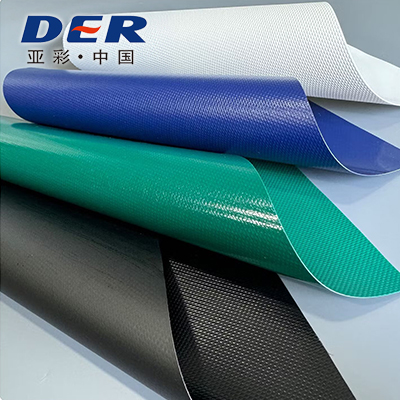
DERFLEX supplies PVC-coated polyester tarp materials, cut panels and finished custom tarps for B2B programs. Published product information includes configurable size, color, hems, grommets, webbing, logo and OEM/private-label directions, with project-specific details confirmed during quotation and approval.
For a new custom tarp, the useful development route is to connect the physical prototype to the data that production will later use: drawing, material identity, reinforcement pattern, hardware layout, artwork and packing. This reduces the risk that the sample team and the mass-production team are solving two slightly different versions of the same product.
These internal guides cover the next purchasing decisions around custom manufacturing, quotation, sample comparison, repeat-order control and shipment release.
The faster way to a useful prototype is not a longer email—it is a clearer technical input pack. Send what you already know, and identify what still needs to be engineered or tested.
Short answers for importers, distributors, OEM teams, fleet operators and industrial procurement managers.
No. The prototype depth should follow risk. A material/color sample or construction detail panel may be enough when geometry is proven and only one variable is changing. A full-size fit prototype is more useful for new shapes, equipment-fit covers, complex hardware layouts or products where installation is part of the acceptance decision.
A development prototype is mainly used to learn and revise. A pre-production or pilot sample should be much closer to the intended production design, material, process and packing. For higher-risk programs, the buyer may use both: an early prototype to solve design issues and a later first-off unit to confirm production transfer.
Review finished dimensions, installed fit, seam or weld construction, hems, reinforcement, hardware placement, straps, grommets or D-rings, printing, labels, packing and the application-specific functional checks that matter to the project.
Where practical, yes—especially when material behavior affects welding, sewing, stiffness, folding, appearance or performance. If a substitute is used during early development, the project should record that limitation and require confirmation with the intended production material before final release.
It can move toward production once the released revision, commercial terms and production conditions are confirmed. For complex or higher-risk orders, a first-off check from the normal line is a useful additional gate before full output continues.
Any change that affects dimensions, material, hardware, seam design, reinforcement, printing, packaging or required performance should be reviewed against the released revision. If the change affects what the approved sample represents, create a new revision and re-approve the affected items before production.