Hot Equipment & Pipework
Valves, flanges, steam traps, pumps, exchangers and hot process lines can require removable insulation systems.
- Normal and peak temperature
- Direct contact vs insulated separation
- Radiant heat
- Removal and reinstall frequency



Heat-resistant coated fiberglass roll material for refinery and petrochemical insulation jackets, valve and flange covers, maintenance hot-work barriers, equipment shields and selected flexible industrial components.
DERFLEX can review one- or two-side silicone coating, fiberglass construction, total weight, thickness, width, color, roll format and conversion requirements. Refinery selection should be based on the temperature at the actual fabric layer, oil/steam/chemical contact, outdoor exposure, maintenance frequency and required test route—not on a generic “fireproof cloth” label.
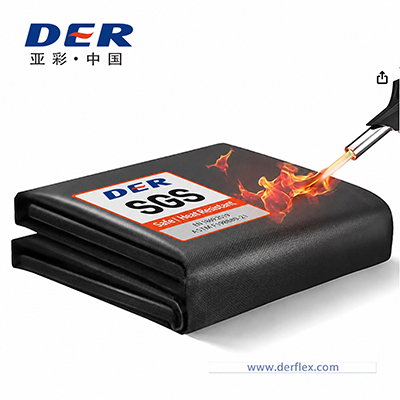
Silicone coated fiberglass fabric is used in refineries when a flexible textile must combine heat-resistant fiberglass reinforcement with a coated surface that is practical around pipes, valves, flanges and process equipment.
It is commonly evaluated for the outer or cold face of removable insulation jackets, reusable maintenance shields, selected hot-work barriers and flexible industrial components.
Oil mist, steam, water, outdoor weather, abrasion, shutdown maintenance and nearby process chemicals can matter as much as heat. The correct grade therefore depends on the temperature and exposure at the actual material layer.
“Silicone fiberglass cloth” can describe many different constructions. Define what reaches the fabric before comparing quotations.
Valves, flanges, steam traps, pumps, exchangers and hot process lines can require removable insulation systems.
Shutdown welding, cutting and grinding create a different exposure profile from normal insulation service.
Moisture, oil and weather resistance can be useful, but process-media compatibility must be checked separately.
Supplies dimensional stability, textile reinforcement and the thermal backbone of the composite. Weave and yarn construction affect drape and mechanical behavior.
Creates a flexible coated surface with useful resistance to moisture, oils, weathering and handling abrasion. The silicone can become the thermal limiting layer.
Thread, seams, closures, insulation, grommets, fasteners and hot-face materials can determine the actual performance of the completed refinery product.
This table is an RFQ starting point, not finished-system engineering approval.
| Refinery Use | Starting Material Direction | Why It May Fit | Confirm Before Ordering |
|---|---|---|---|
| Valve & flange insulation covers | Flexible silicone-coated fiberglass; two-side coating often evaluated for repeated handling. | Supports complex shapes, maintenance removal and oil/moisture exposure. | Fabric-layer temperature, insulation core, steam/oil exposure, seams and closures. |
| Steam & process piping | Silicone-coated outer shell selected around weather and handling duty. | Useful for reusable outer shells exposed to condensation, rain and maintenance. | Outer-shell temperature, drainage, UV/rain and insulation thickness. |
| Pumps & heat exchangers | Balanced flexible coated fiberglass for removable equipment covers. | Flexible textile can accommodate irregular equipment geometry. | Vibration, oil leakage, sharp edges, cut-outs and attachment loads. |
| Shutdown welding barriers | Project-qualified welding blanket or curtain fabric; silicone fiberglass may be one option. | Can combine heat-resistant reinforcement with reusable coated surfaces. | Orientation, sparks, spatter, slag, distance and required test method. |
| Hot-work enclosure components | Only a grade qualified as part of the required enclosure system. | Coated fiberglass is used in industry hot-work enclosures. | Pressurization, ventilation, gas monitoring, certification and site hot-work procedures. |
| Expansion-joint / flexible layer | Silicone fiberglass for selected protective/flexible roles; compare PTFE for chemical barrier duty. | Can balance movement, weather, oil exposure and fiberglass reinforcement. | Gas chemistry, condensate, pressure, temperature, movement and clamp/seam design. |
Removable insulation covers frequently contain several layers. The silicone-coated outer shell may experience a much lower temperature than the equipment surface.
Receives the strongest direct heat. Higher-temperature fiberglass, silica or another specialty textile may be required depending on the application.
Reduces heat flow and helps determine the temperature reaching downstream layers. Core design should follow the finished insulation-system requirements.
Silicone coated fiberglass is commonly considered here because handling, contamination, oil/moisture resistance and weathering can be important.
| Base Substrate | Woven fiberglass; E-glass or project-matched fiberglass construction. | Controls drape, textile strength and dimensional stability. |
|---|---|---|
| Coating | Silicone rubber on one side or both sides. | Select by exposure direction, handling, cleanability and coating mass. |
| Weight | Approx. 260–2000 g/m2 across current DERFLEX silicone-fabric programs. | Do not select by GSM alone. |
| Thickness | Approx. 0.25–3.0 mm depending on substrate and silicone loading. | Affects stiffness, seam bulk, folding and bend radius. |
| Common Widths | 1000 / 1200 / 1500 mm common directions. | Width affects cutting yield and seam quantity. |
| Colors | Red, grey, black, white, yellow and project-defined directions. | Useful for OEM programs and plant identification. |
| Temperature | Many selected grades are discussed around approx. 230–287°C continuous silicone-surface exposure. | Confirm exact grade and actual fabric-layer temperature. |
| Supply Form | Roll goods, slit widths, cut pieces or selected OEM conversion direction. | Match supply format to the converter workflow. |
Provide normal heat, peak heat, duration, radiation and layer position.
Identify oil mist, steam, wash-down fluid and process condensate separately.
Trial binding, hemming or other edge treatment to control fiberglass fraying.
Thread, stitch density and seam location must match heat and maintenance loading.
Straps, buckles, D-rings, lacing and grommets create concentrated loads.
Cut, sew, fold, install and remove the actual sample before approving bulk rolls.
Outer shells for valve, flange, pipe and equipment jackets where repeated maintenance access, moisture, oil contamination and flexible handling matter.
Irregular geometry and repeated access require careful consideration of seams, closures, insulation layers and local reinforcement.
Shutdown and maintenance operations may need spark, spatter and radiant-heat barriers. Horizontal and vertical applications require different material logic.
Where a project specifies a defined flame-retardant requirement, provide the exact test method rather than requesting generic “fireproof fabric.”
Strong starting direction where heat-resistant reinforcement, flexible handling, moisture/oil exposure and reusable fabrication must be balanced.
Worth evaluating when chemical resistance, release behavior, low friction or a barrier-oriented layer is more important.
For direct hot-face duty above the confirmed silicone-composite range, silica or another specialist textile/layered construction may be required.
Separate fiberglass temperature, silicone temperature, continuous duty and peak exposure.
Provide the real hydrocarbon, solvent, acid, alkali or cleaning media.
Needle holes, seams and closures can remain possible water paths.
Weave, coating amount, thickness and flexibility can differ at similar weight.
State the exact required test standard and acceptance criteria.
Approve sewing, edges, closures and actual jacket geometry before bulk production.
Real images hosted on DERFLEX.com.
Primary refinery heat-protection material reference.

Useful for coating, handling and converter discussions.
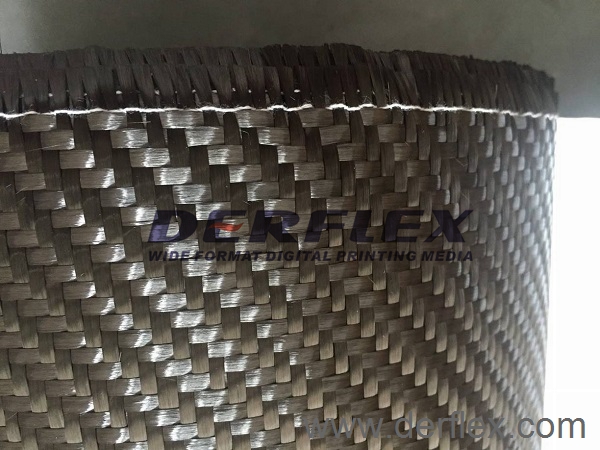
Shows the textile reinforcement below the coating.
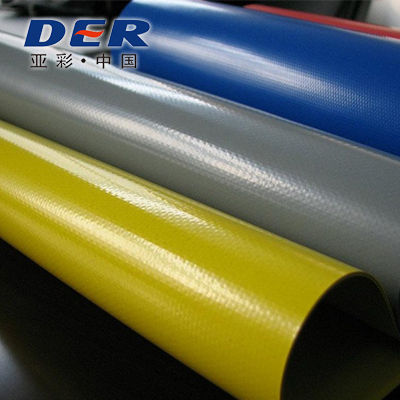
OEM coating, color and roll-supply capability reference.
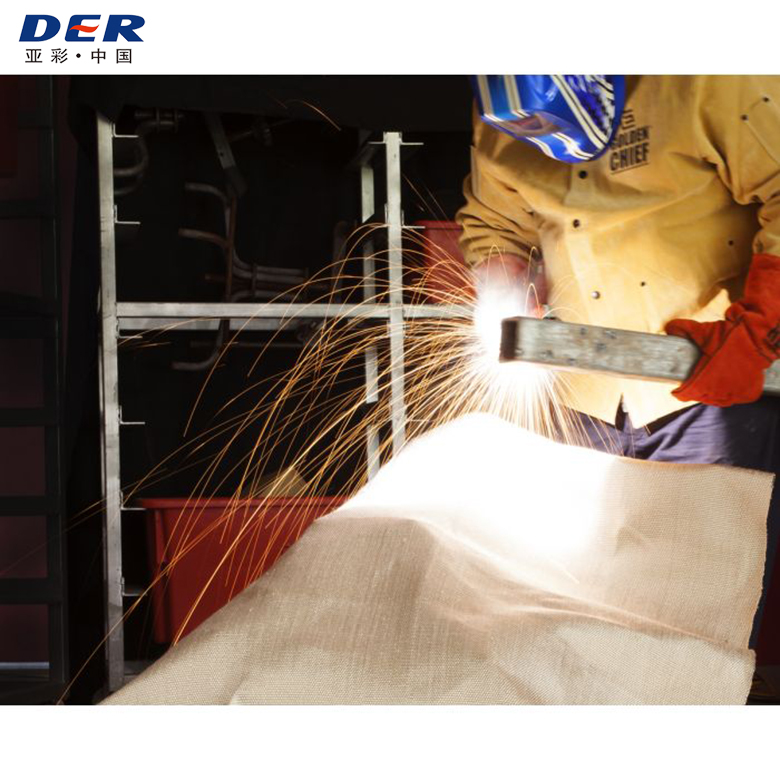
Sparks and orientation must be defined before fabric selection.
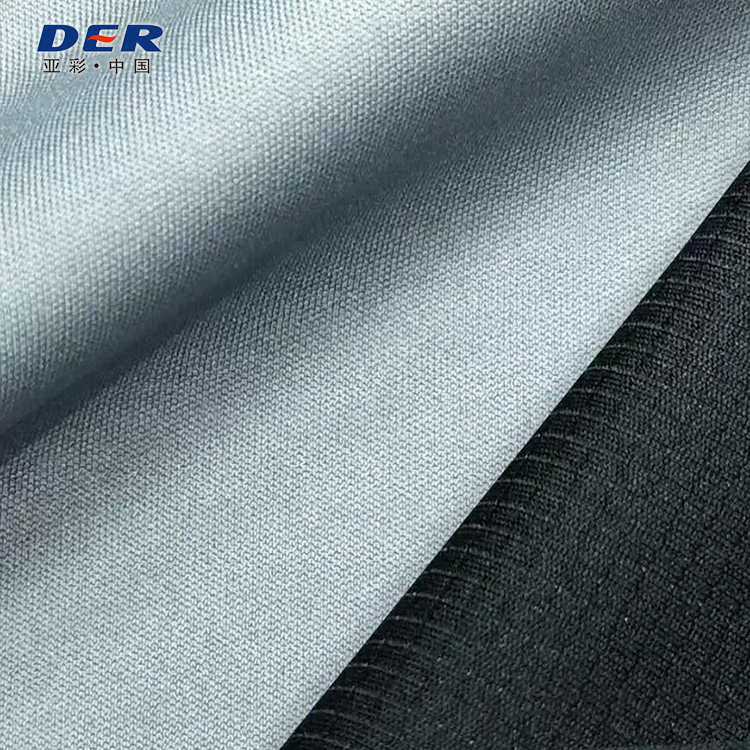
Additional technical textile and reinforcement reference.
It is commonly evaluated for removable insulation jacket outer shells, valve and flange covers, maintenance shields, selected welding blankets and curtains, and protective or flexible industrial textile layers.
There is no universal temperature for every grade. Current DERFLEX material information discusses many selected constructions around approximately 230–287°C continuous silicone-surface exposure. The exact composite, duration and finished assembly must be confirmed.
Silicone-coated surfaces are commonly used where oils and industrial contamination occur, but compatibility should be checked against the specific refinery hydrocarbon, solvent, temperature and contact duration.
It is commonly considered for the outer or cold face because fiberglass supplies reinforcement while the silicone surface supports flexible handling, moisture/oil exposure and cleanability.
One-side coating can suit directional exposure and lower coating mass. Two-side coating is often evaluated where both faces experience handling, moisture, oil or repeated cleaning.
Silicone-coated fiberglass is used by industry suppliers in hot-work enclosure systems, but a welding habitat is a complete engineered safety system. Fabric alone does not establish enclosure certification or refinery hot-work compliance.
PTFE may deserve evaluation when chemical resistance, release behavior, low friction or a chemical/gas barrier function is more important than the handling characteristics of a silicone surface.
Provide equipment/application, layer position, continuous and peak temperature, oil/steam/chemical exposure, target weight or thickness, width, coating side, color, conversion method, required test route, quantity, packing and destination.
Send DERFLEX the refinery asset or finished product, material layer position, continuous and peak temperature, oil/steam/chemical exposure, coating-side preference, target weight or thickness, width, color, fabrication method, required test route, quantity and destination. The team can review a practical silicone coated fiberglass fabric direction for sampling and quotation.